Jerusalem Parade Day

While many people went North or overseas for the holiday week,

  on Wednesday, September 28, Gan Sacher, Sacher Park, filled with thousands of people.

Large crowds enjoyed the children’s entertainment,

as groups waited for hours in the heat to march in the Jerusalem Parade.

  Banners and flags were everywhere.

The  park was a busy place,

and so was the parade route, with enthusiastic crowds waving flags and singing.

Firetrucks with balloons

and police dogs were among the first of many service and military groups that led the parade.

 The new light rail train was on display on Jaffa Street, in contrast to

modes of transportation from old

and even older eras.

International groups

from Australia to

 the United States,

from Papua New Guinea

and Russia,

Thailand

and Taiwan, were among those that marched.

Many groups were singing, haveinu shalom aleichem,  bringing greetings of peace,

  women from the Philippines were dancing.

After groups with colorful flags and I Love Israel tee shirts,

still many more were waiting in the park to join the parade.

There was extra security and roads were closed,

but there was more than one way

to get around.

Despite the oppressive heat, the positive energy and party atmosphere was impressive.

 Sukkot celebrations in Jerusalem returned to the city center,

 but as usual, the resulting massive traffic tie-ups were the topic of conversation for days.

Jerusalem: Green Light Don’t Go

The Jerusalem streets can be very dangerous.

truck on sidewalk

Many are too narrow for modern vehicles

and sidewalks are often blocked

illegal parked car

forcing people to walk in the street in traffic.

 The traffic lights in the center of town often come in pairs,

traffic lights

   many times the closer light can be red, while the further one is green.

Those unfamiliar with this system often unwittingly step in the cross walk

 in front of oncoming traffic.

cross walk

While some intersections are extremely complicated,

blocked traffic light

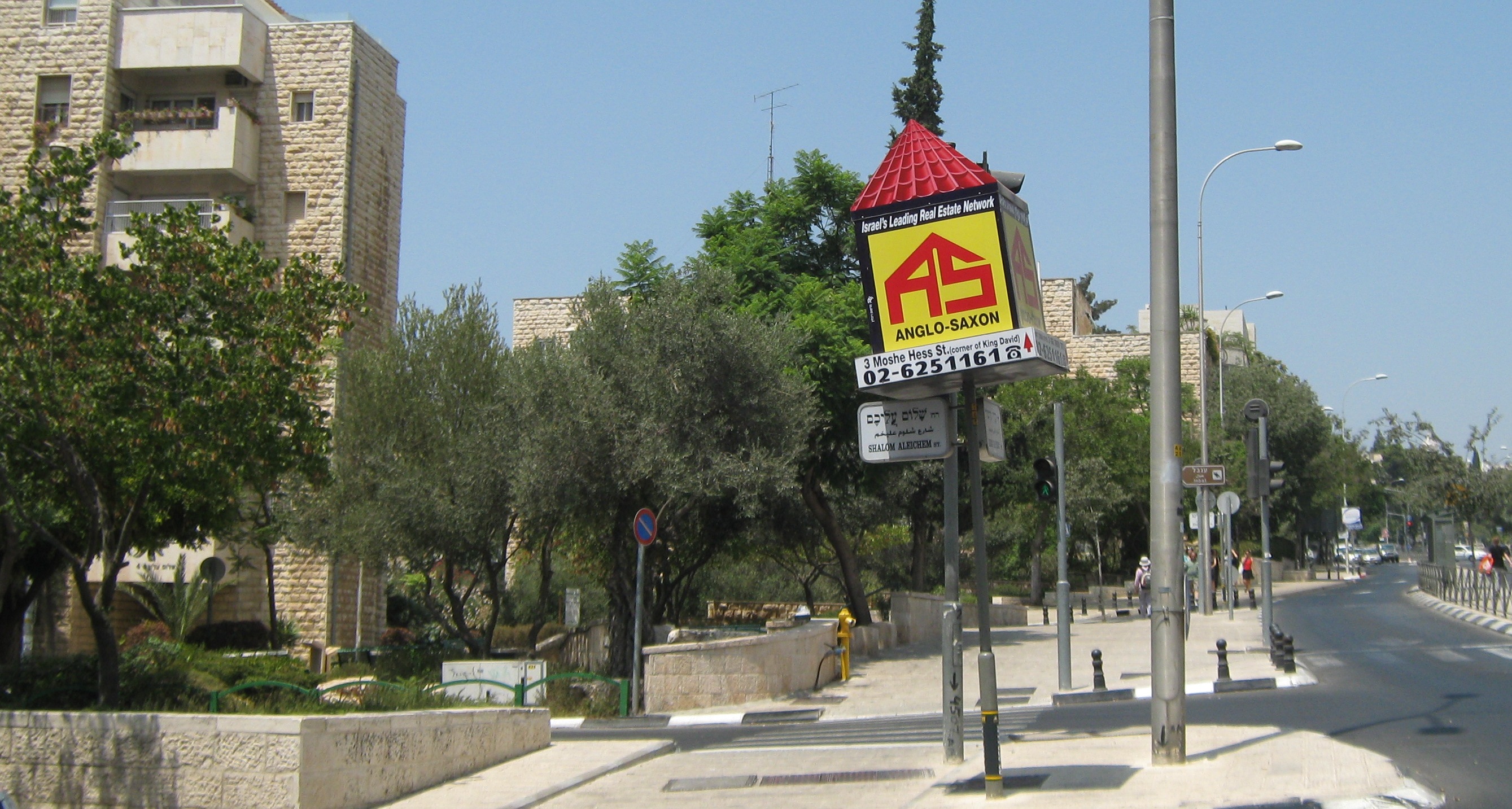
the corner of Shalom Aleichem and Keren Hayesod Streets

is especially dangerous.

street crossing in Jerusalem

 The red light visible from most angles

blocked red traffic light

is really green.

 Much more dangerous though,

Jerusalem street

the green light is really red.

big street advertisement

While this traffic light was always hard to see behind the street sign,

 now the large advertising sign blocks the line of vision,

green light

making it almost impossible to see the traffic light.

street corner in Jerusalem

Thousands of visitors walk from Gan Hapa’amon, Liberty Bell Park area

on Keren Hayesod Street towards town,

this is a tragedy waiting to happen.

Many tourists eager to get into town look across the street,

see a green light and continue walking.

This recent sign says it all:

road safety sign

“Be Careful on the Roads-It’s a Matter of Life”

ambulance

and hopefully, not death… or injury.

A Time to Plant : Tu Bishvat in Jerusalem

Italian Prime Minister Silvio Berlusconi, members of his cabinet, and their large entourage have arrived in Jerusalem for talks; serious issues are to be discussed such as Italy’s aid to the Iranian satellite program.

Those most affected by the visit are the other guests and the staff of the King David Hotel,

and the cars stuck in traffic while the official motorcade is allowed to pass.  So are the the people who live along the travel routes, who have to put up with the incessant honking from impatient drivers.

Ceremonial welcomes and state dinners have little to do with the real Jerusalem streets, but  Prime Minister Berlusconi joined the masses by planting a tree in a JNF forest.

Tu Bishvat, the 15th day of the Hebrew month Shvat,  which fell this year on January 30, has become a traditional time for school children across the country to plant trees in celebration of the “New Year of Trees”.

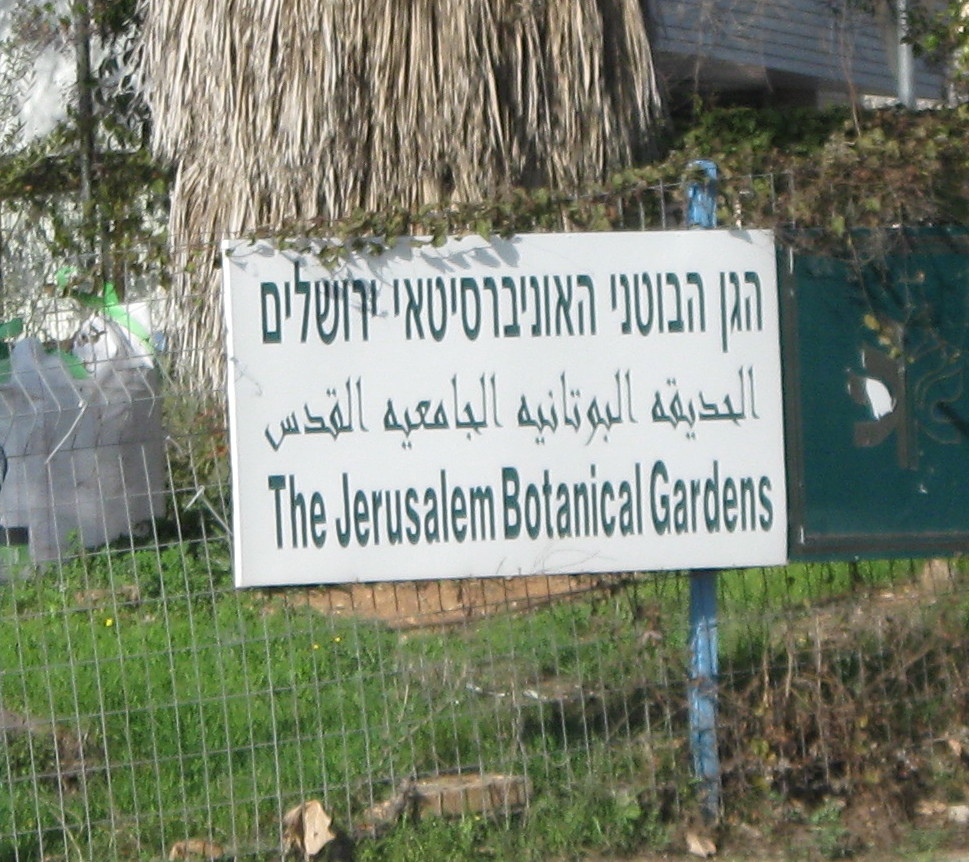
The Jerusalem Botanical Gardens has begun planting.

After a mild winter and some recent rain, the gardens are beginning to come to life.

Colors are starting to appear not only in the Botanical Gardens,

but also in traffic circles

and nature strips around the city.

Not all the trees are budding, however.

The orchards at Kibbutz Ramat Rachel are prepared, but barren.

Agriculture in Jerusalem is mostly a thing of the past, but Kibbutz Ramat Rachel still has some fields in use.

Much of their land was sold to developers,

new roads and walkways in the area have recently been landscaped.

Also, many homes have beautiful plantings.

 As the sign says, Tu Bishvat in Jerusalem 2010,

January 26-February 3

Something good is happening in Jerusalem!