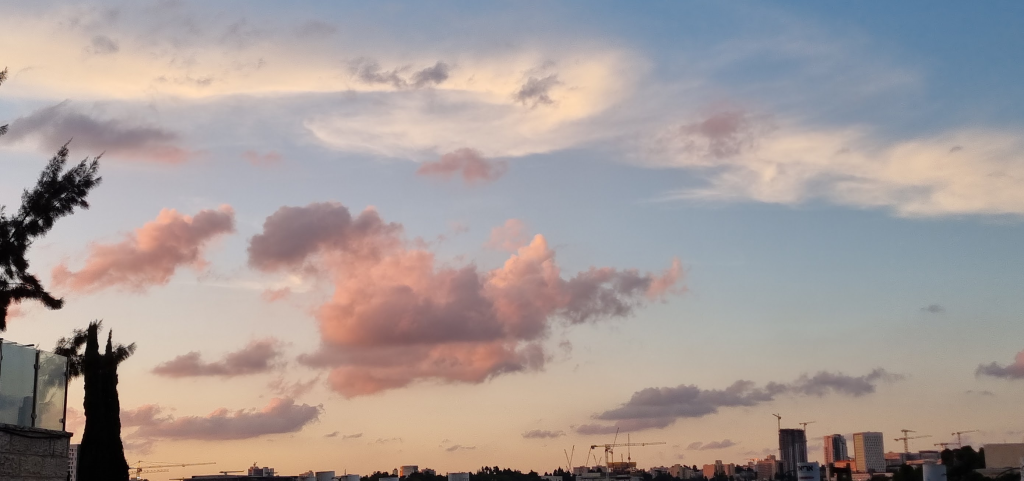
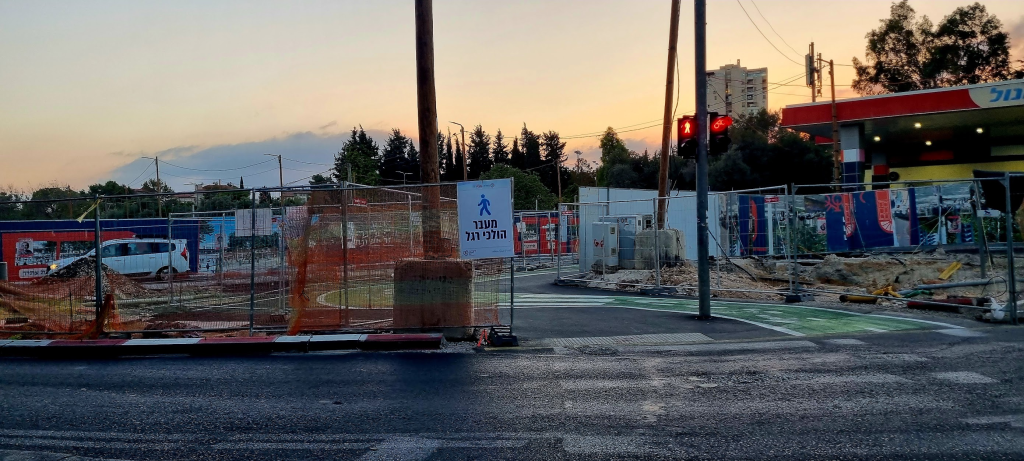
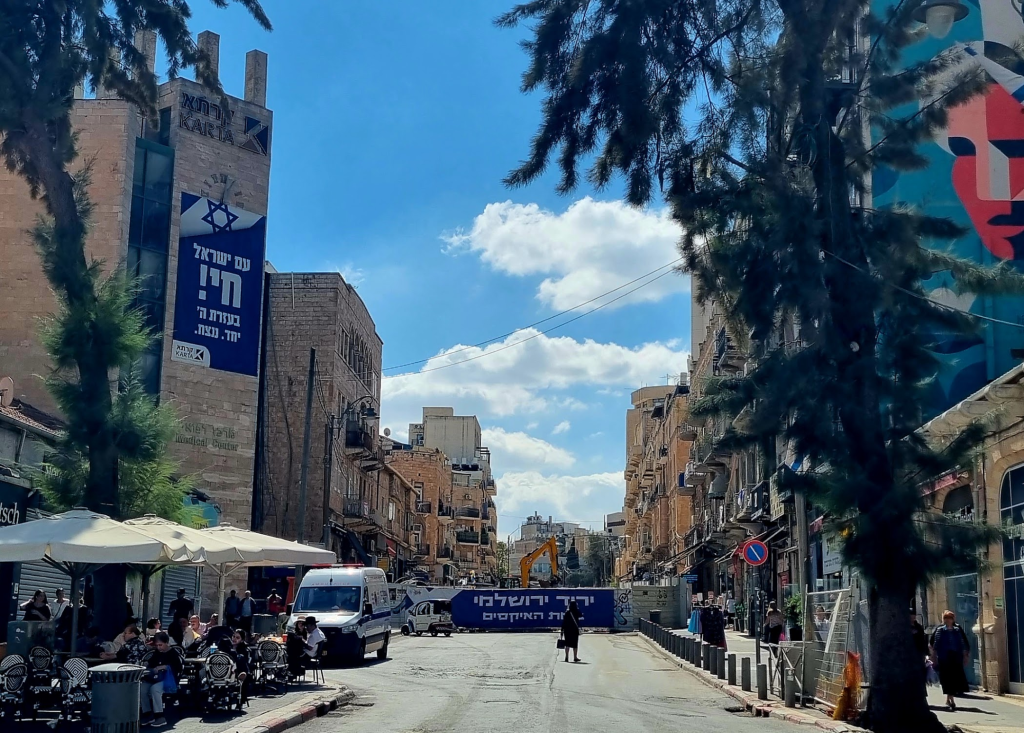
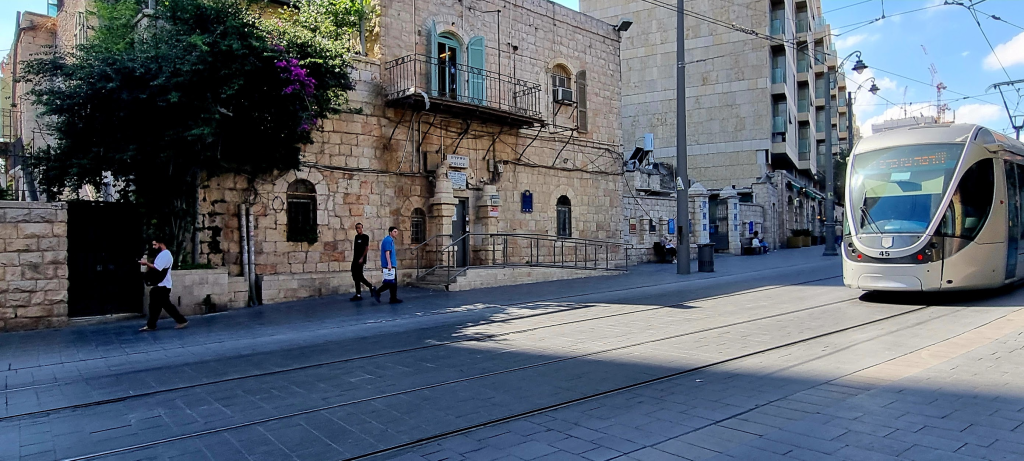
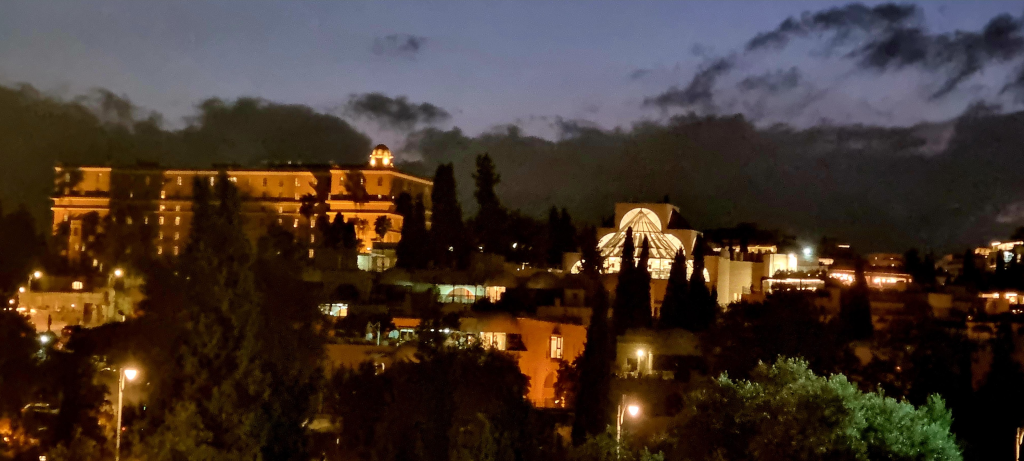
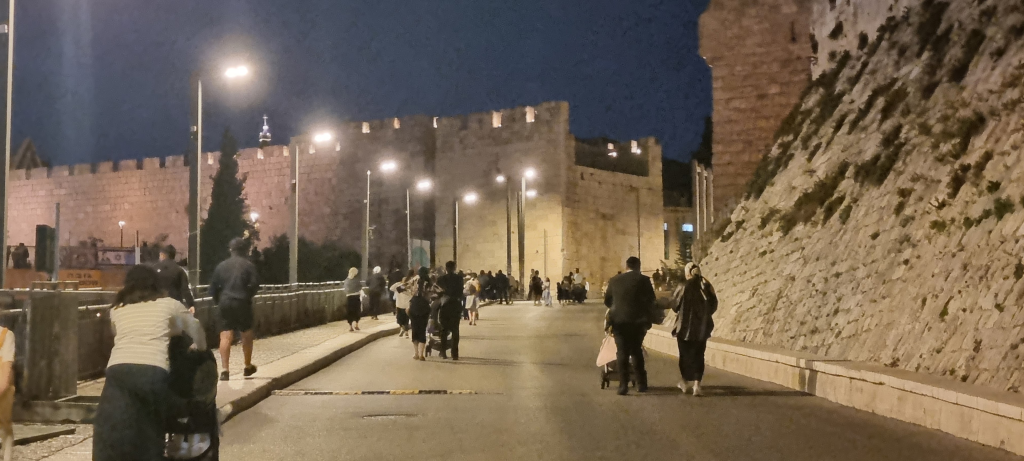
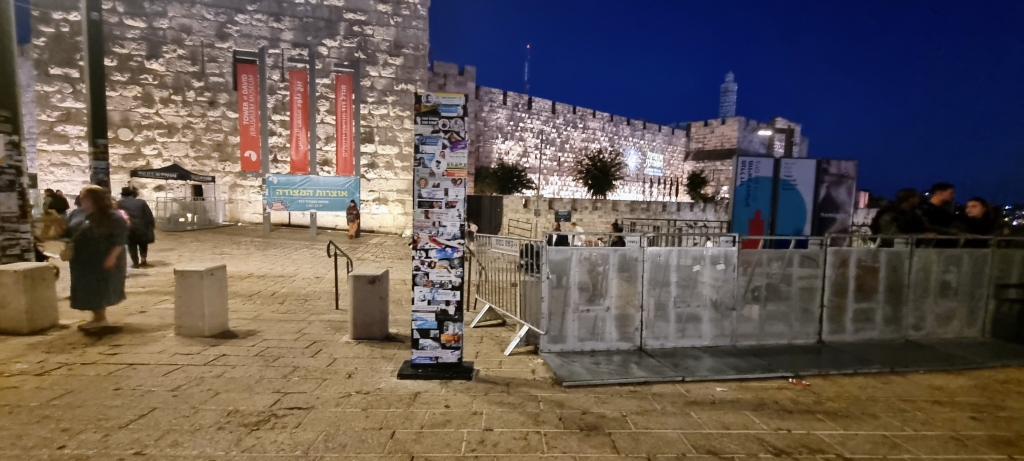
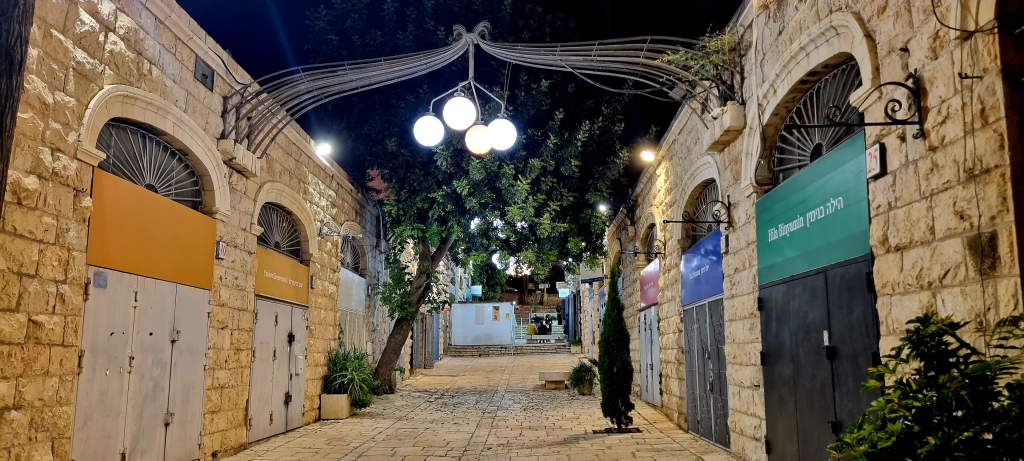
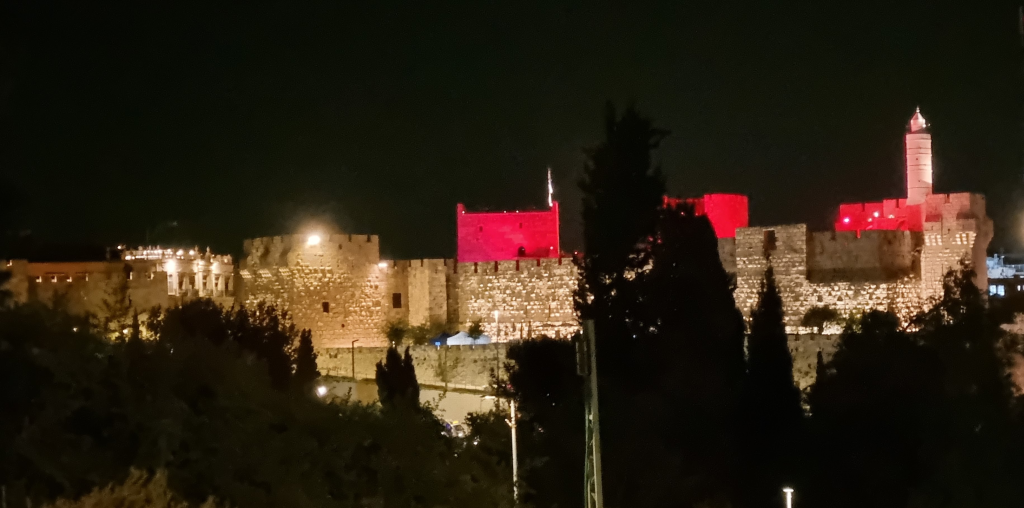
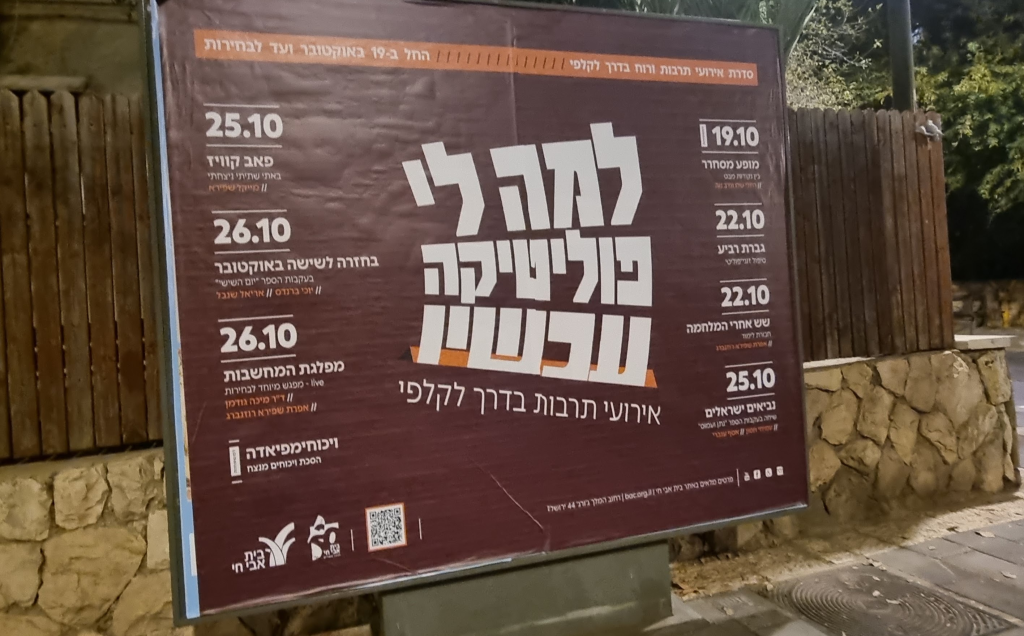
The Jerusalem streets are constantly changing.
The old and new blend and contrast throughout the city.
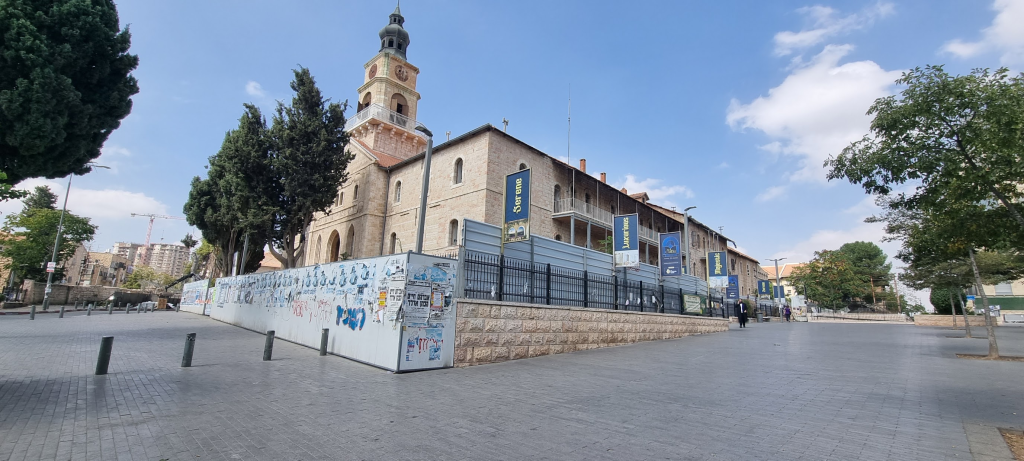
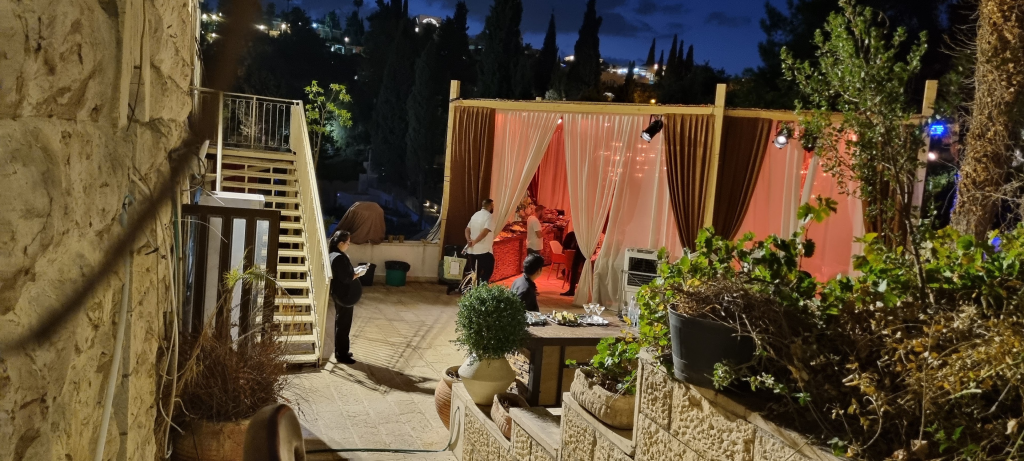
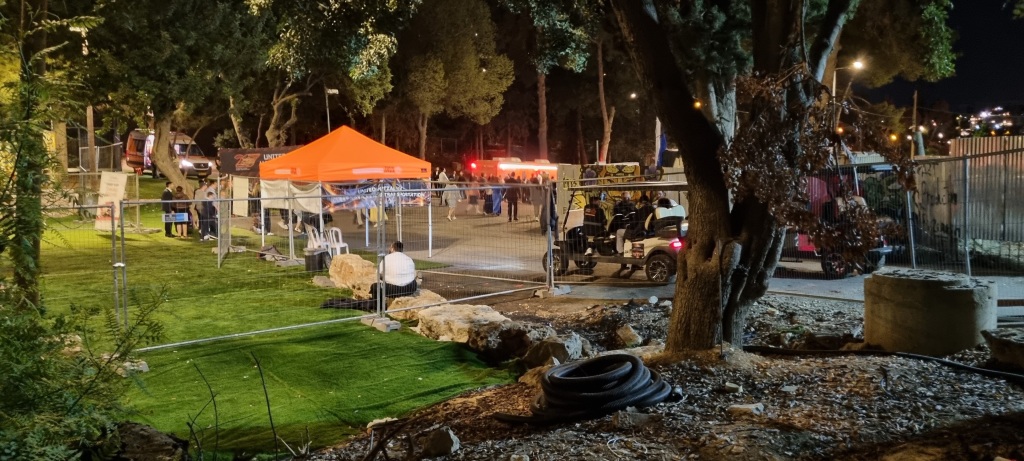
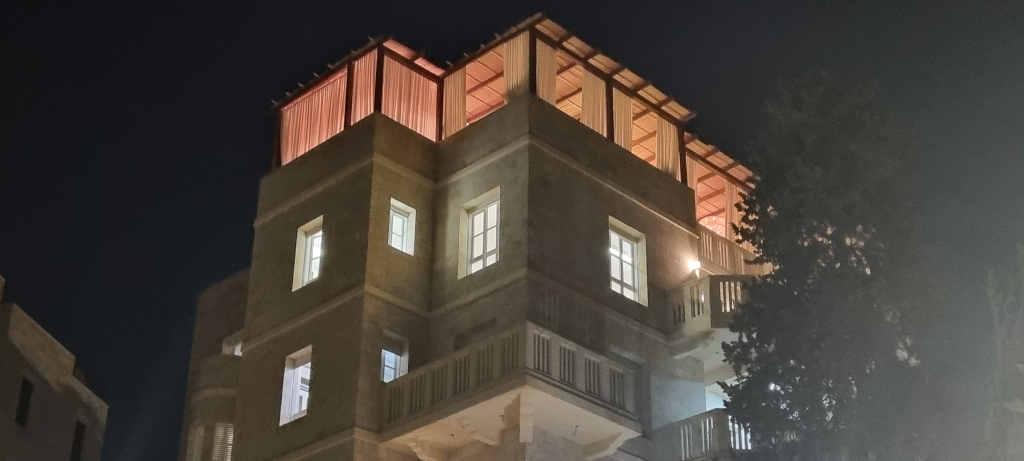
It had been 5 years since seeing the Schneller Compound in May 2021.
Finally returned to the area and marveled at the changes.
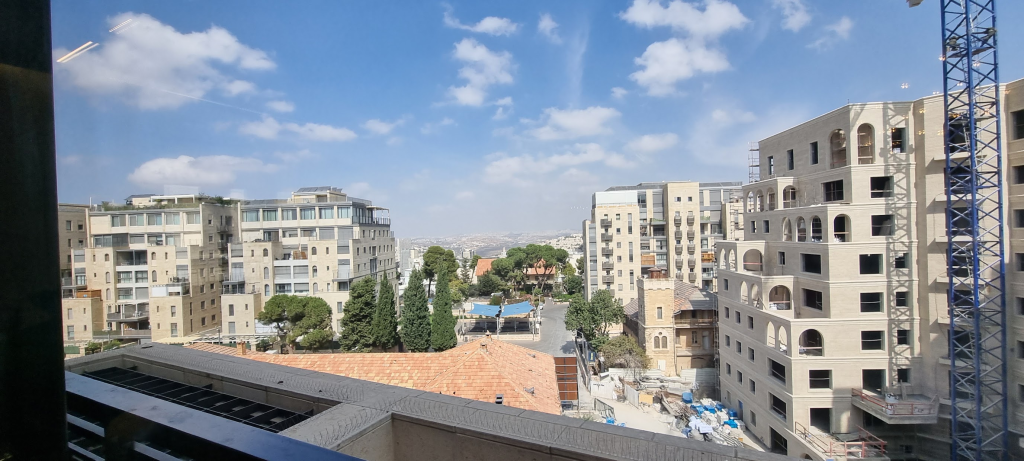
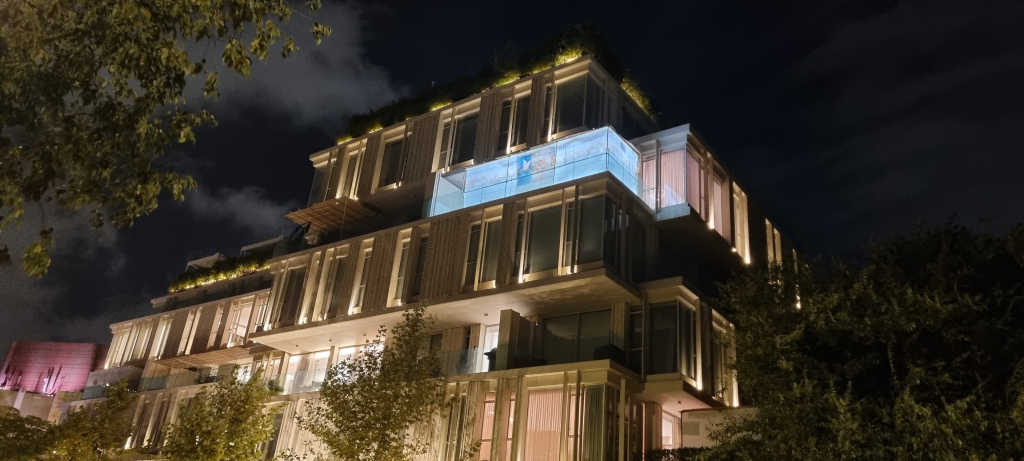
New buildings were still going up in the compound.
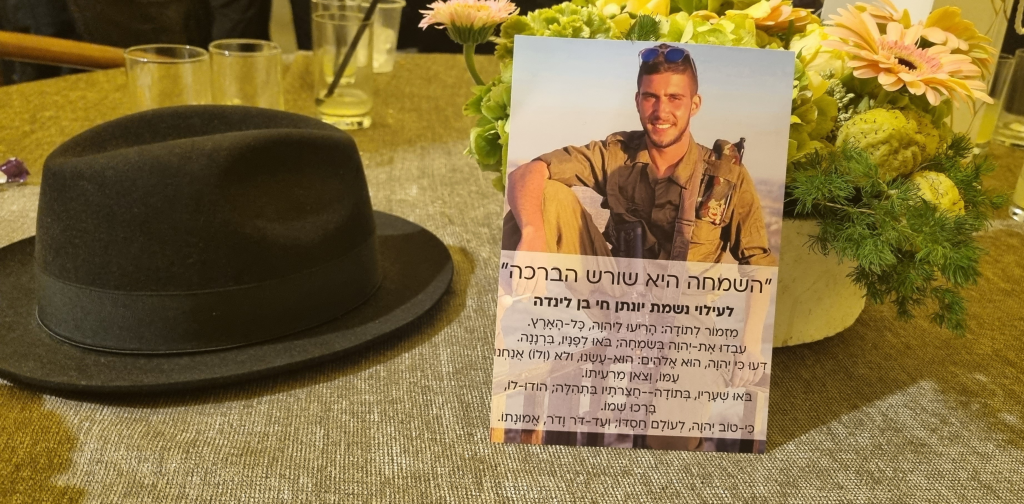
Sadly, we went to pay a shiva visit to a dear friend’s family.
With memories of good times shared, we headed home.
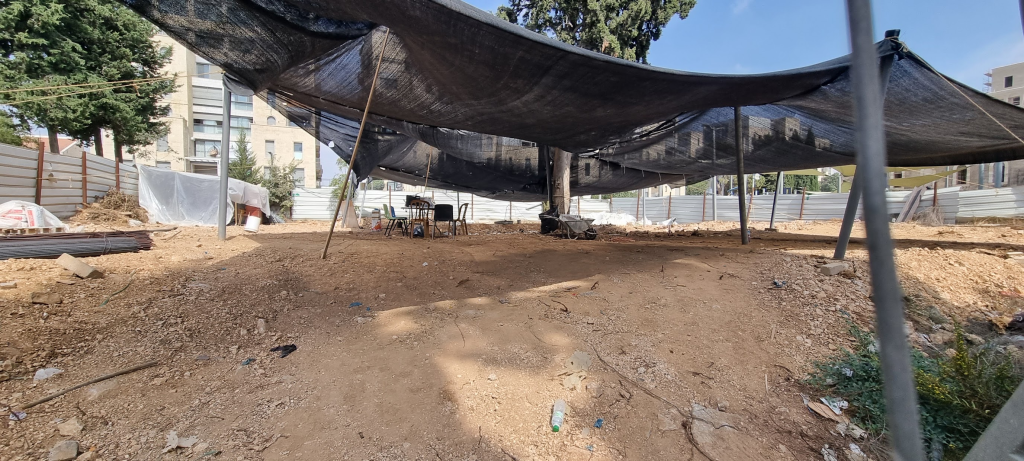
As before, archaeologists check the sites before the new construction begins.
So many awards in only a few days!
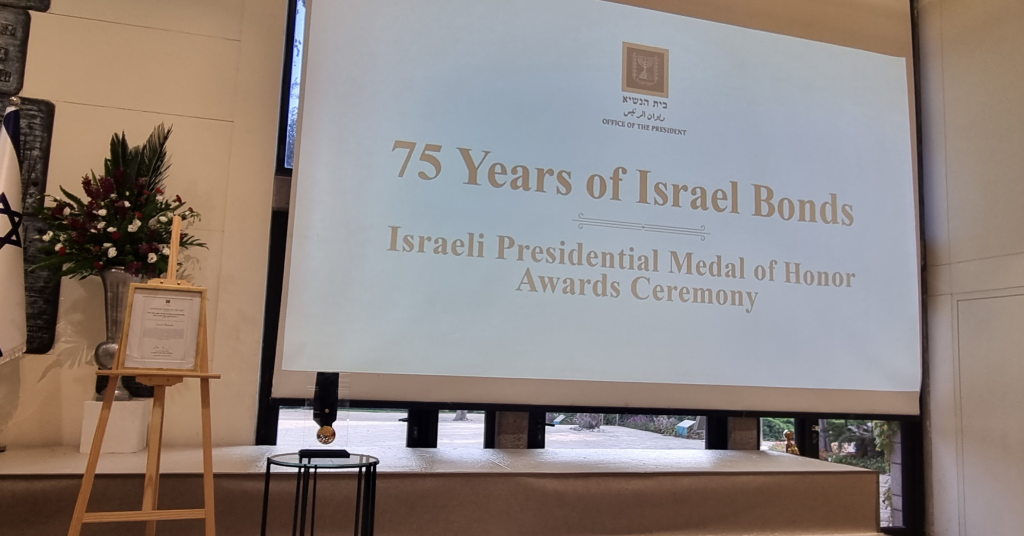
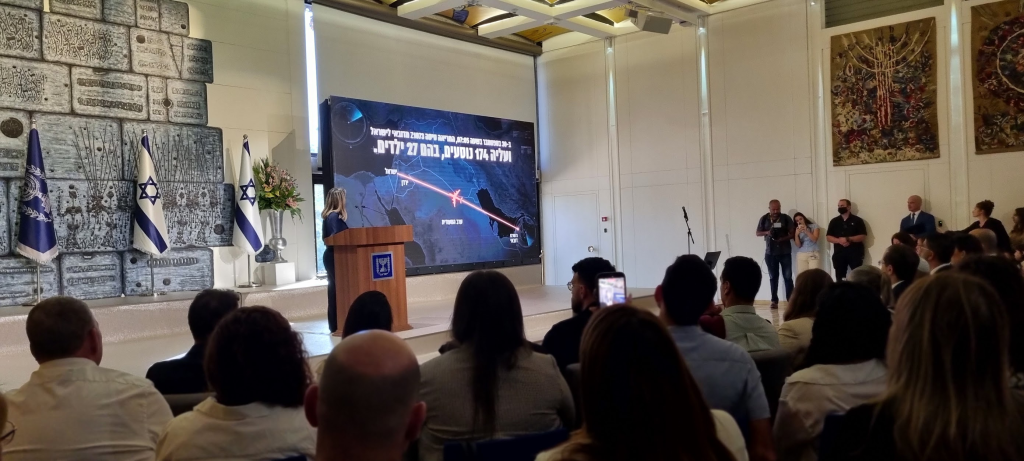
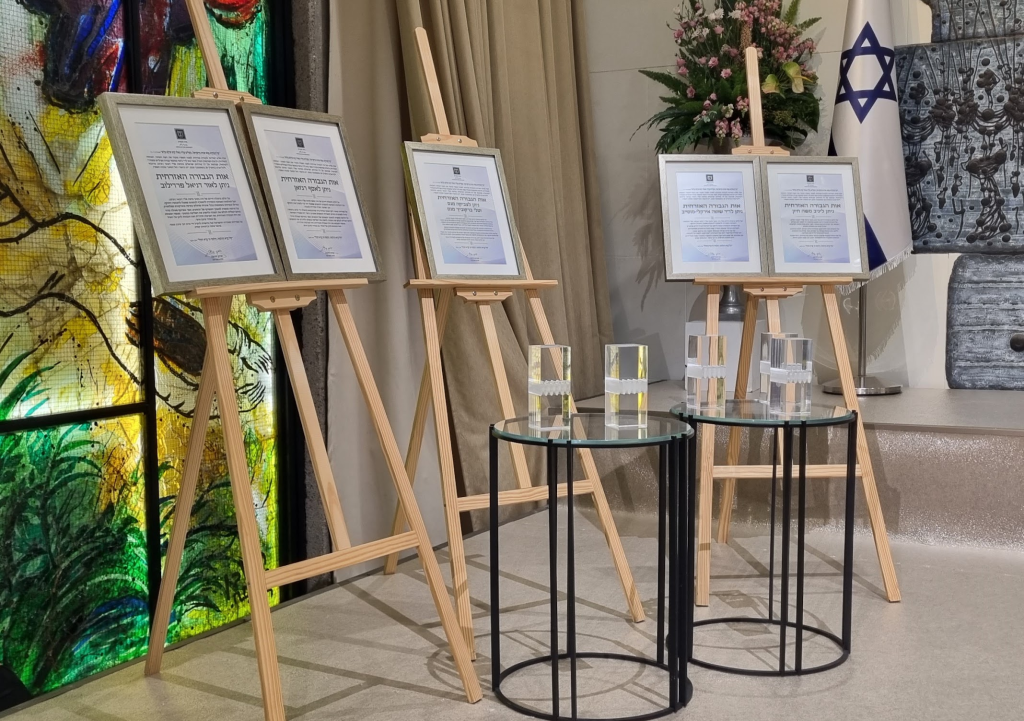
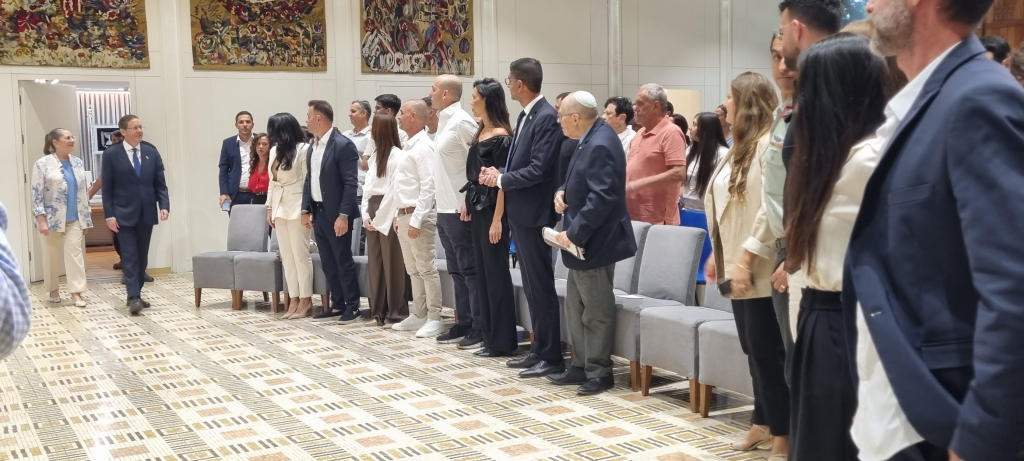
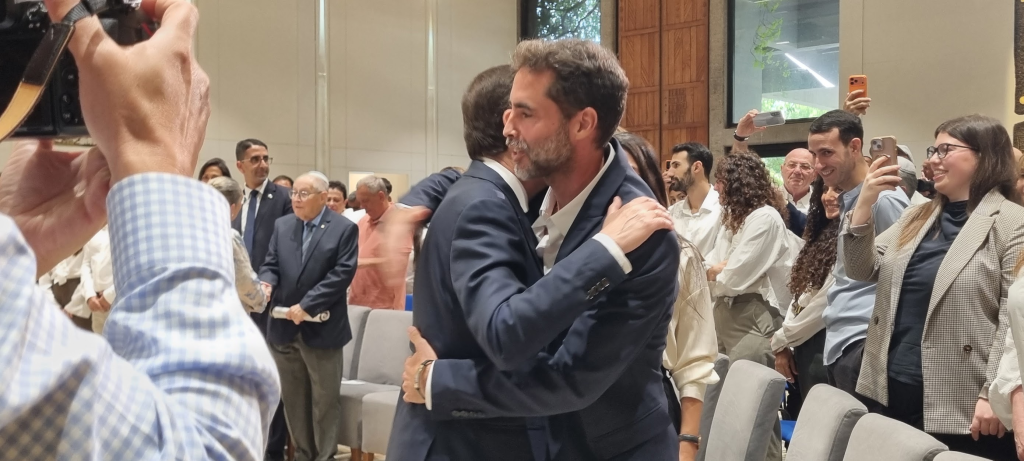
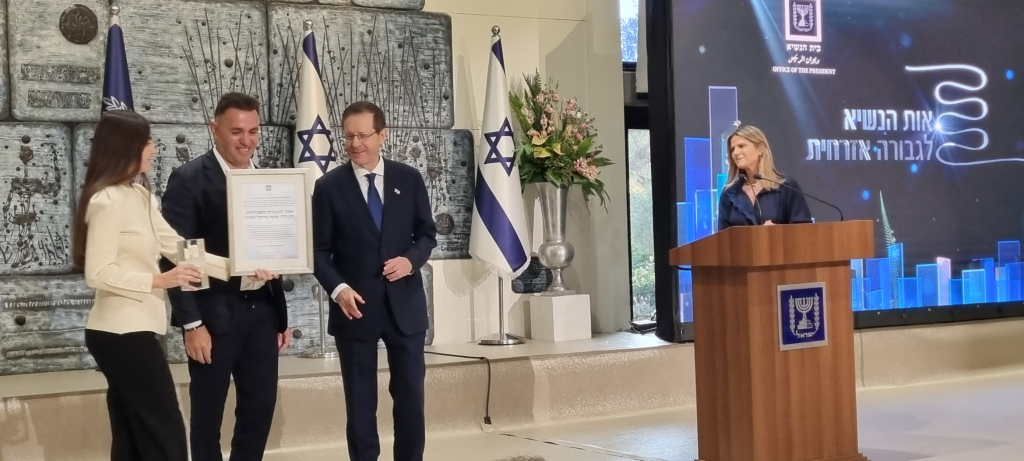
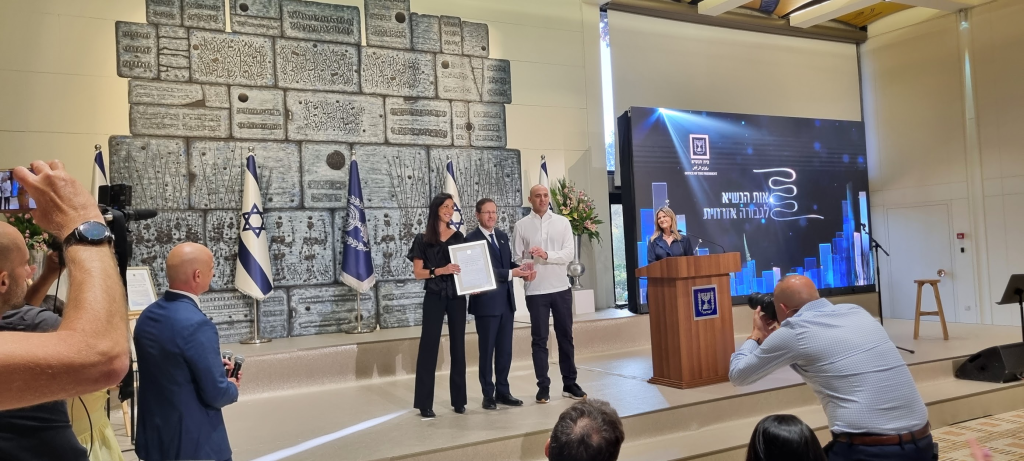
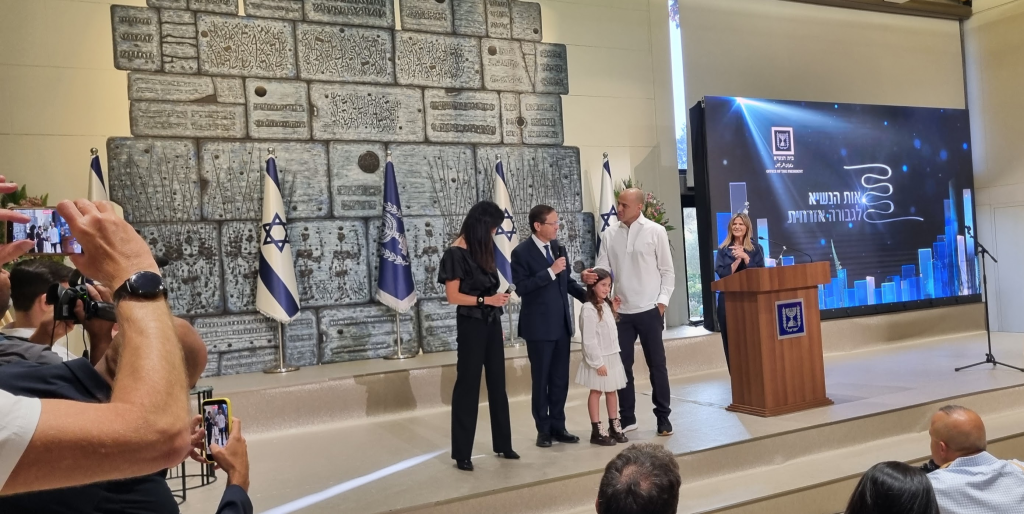
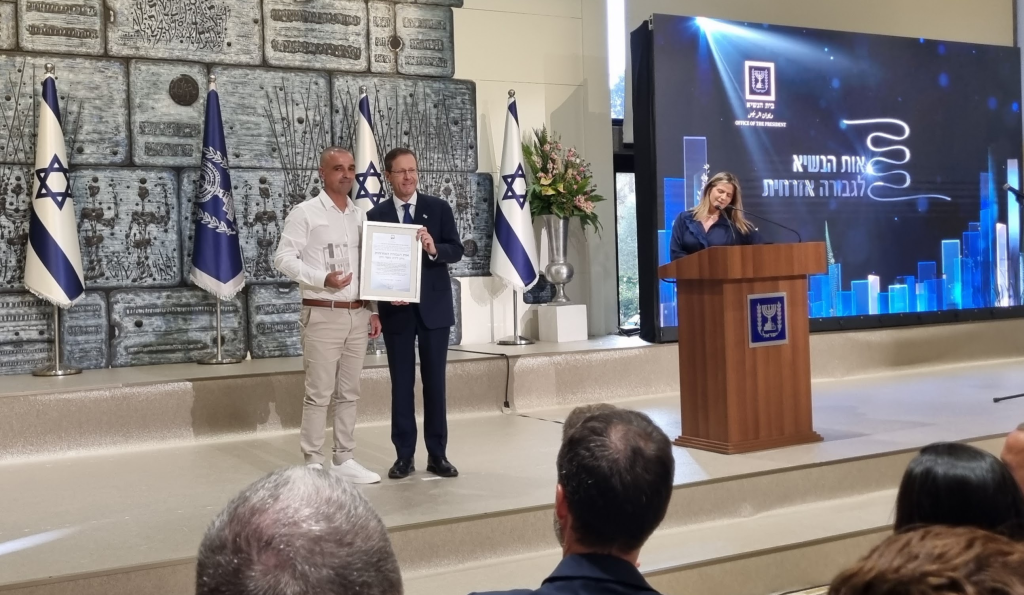
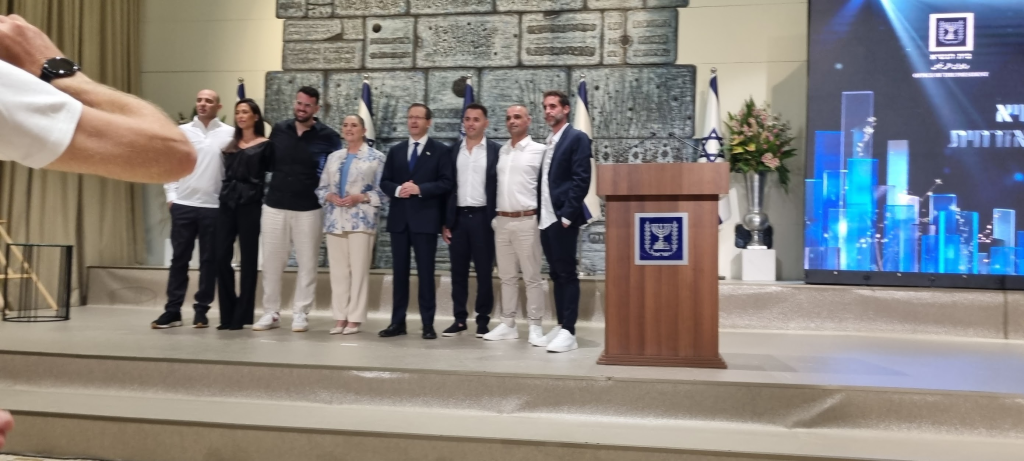
Israel Bonds received a Presidential Medal in honor of its 75th anniversary.
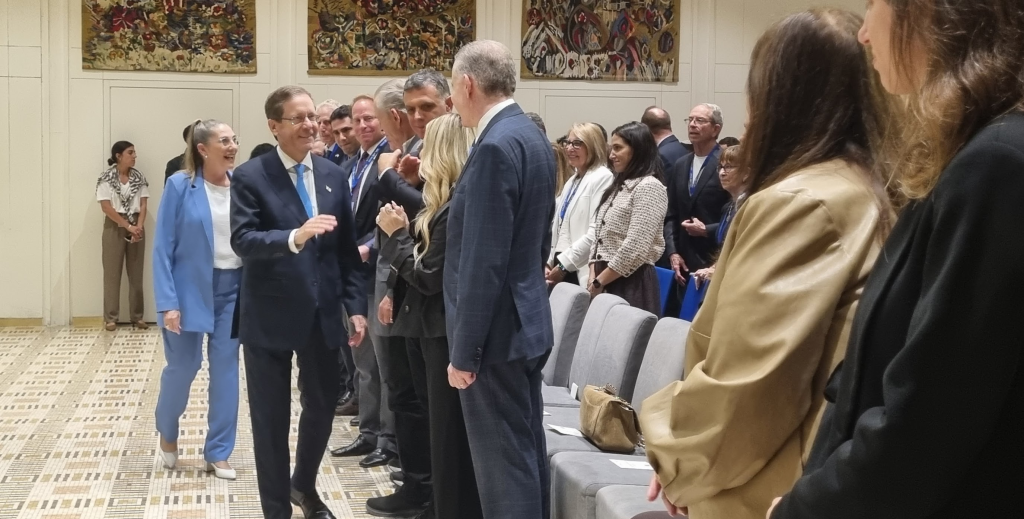
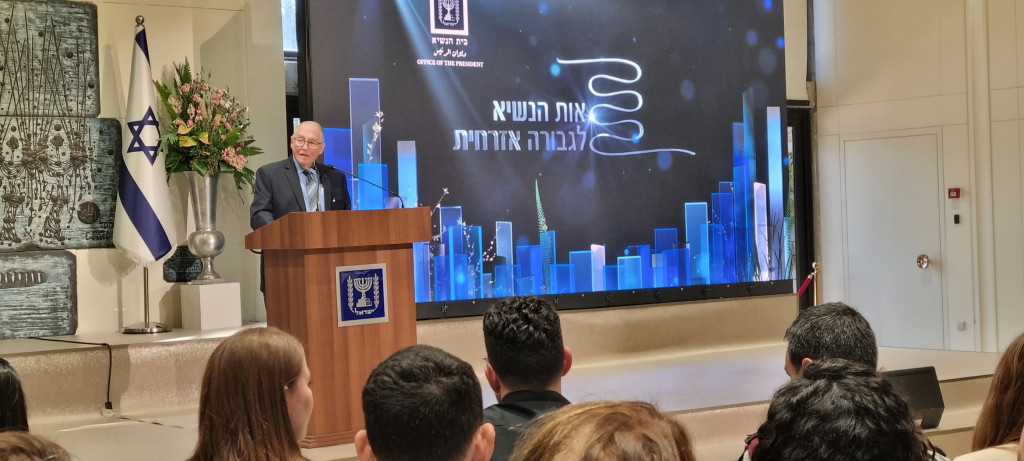
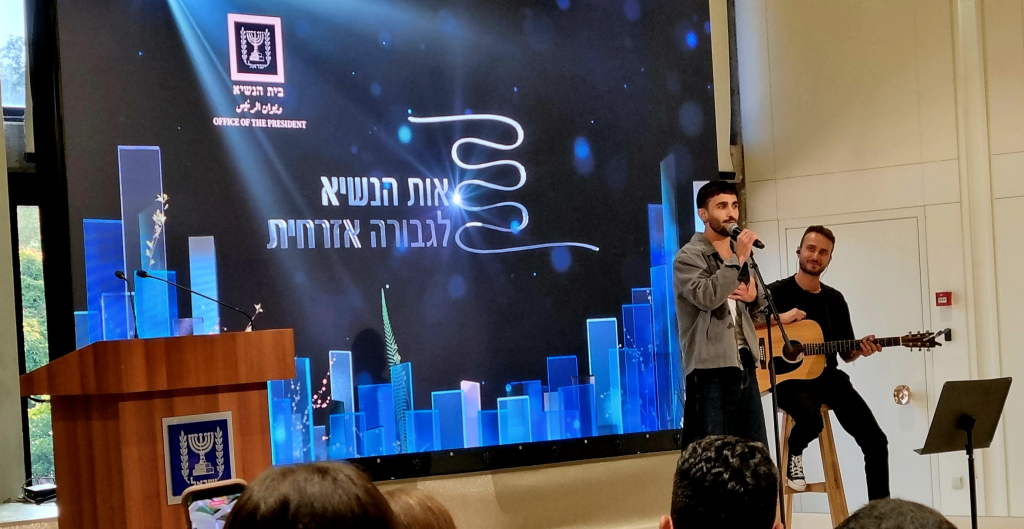
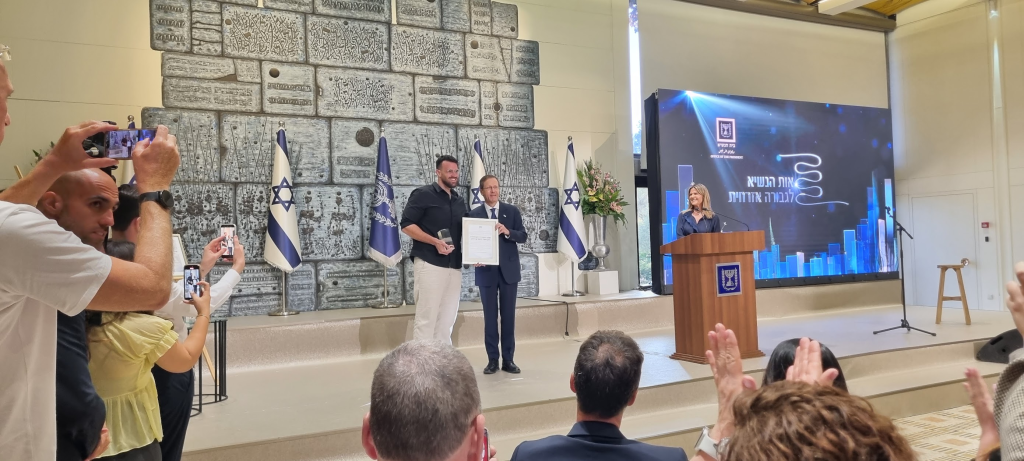
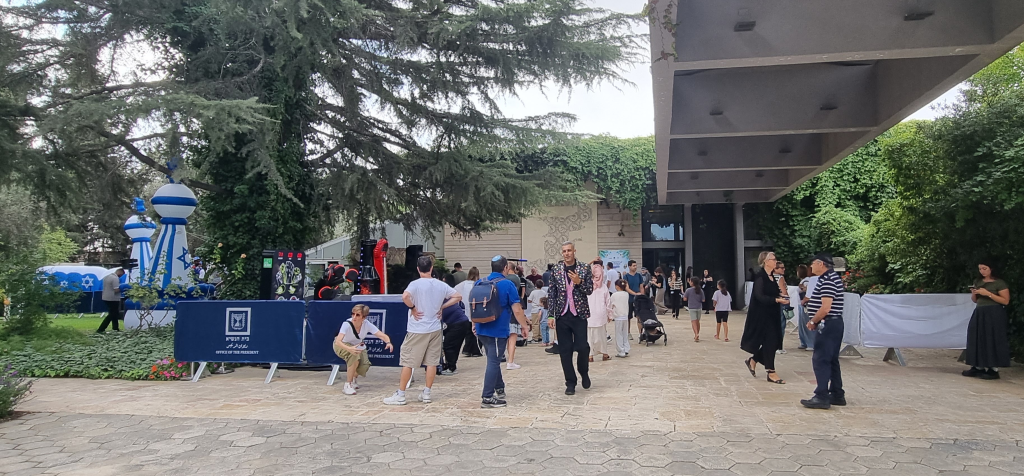
The event was at Beit Hanasi, the Israeli President’s Residence.
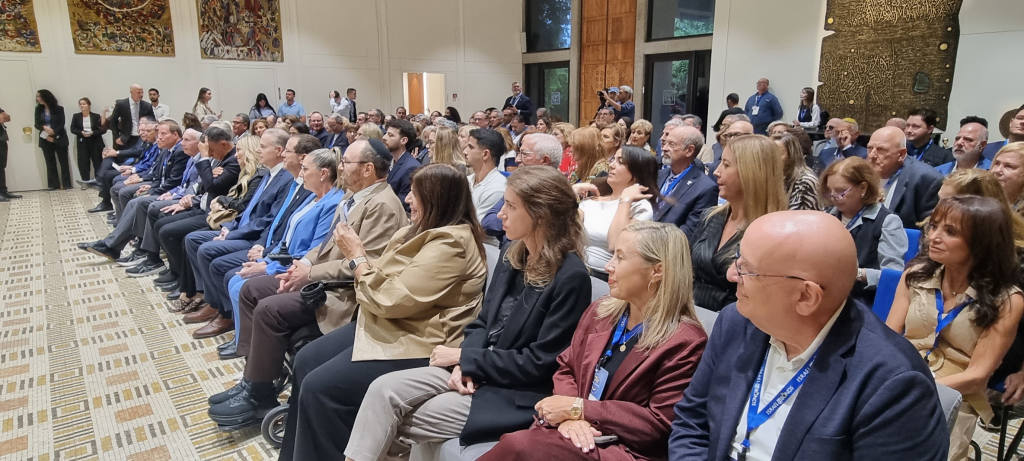
International leaders of Israel Bonds were present.
Did you know that, in 75 years and with so many challenges, Israel Bonds has never defaulted?
They are an investment, not a donation. I remember getting them as a child in the US.
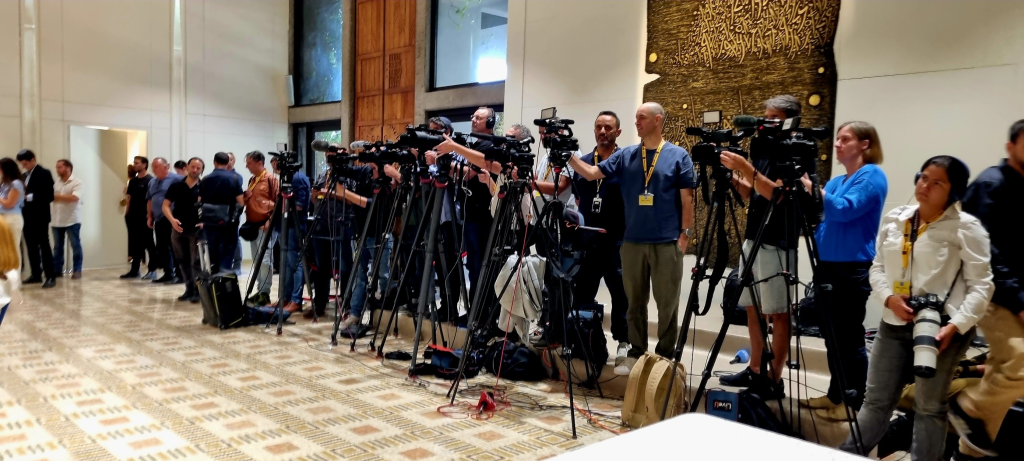
It was a much quieter event than the civilian awards to the six flydubai heroes with so much media.
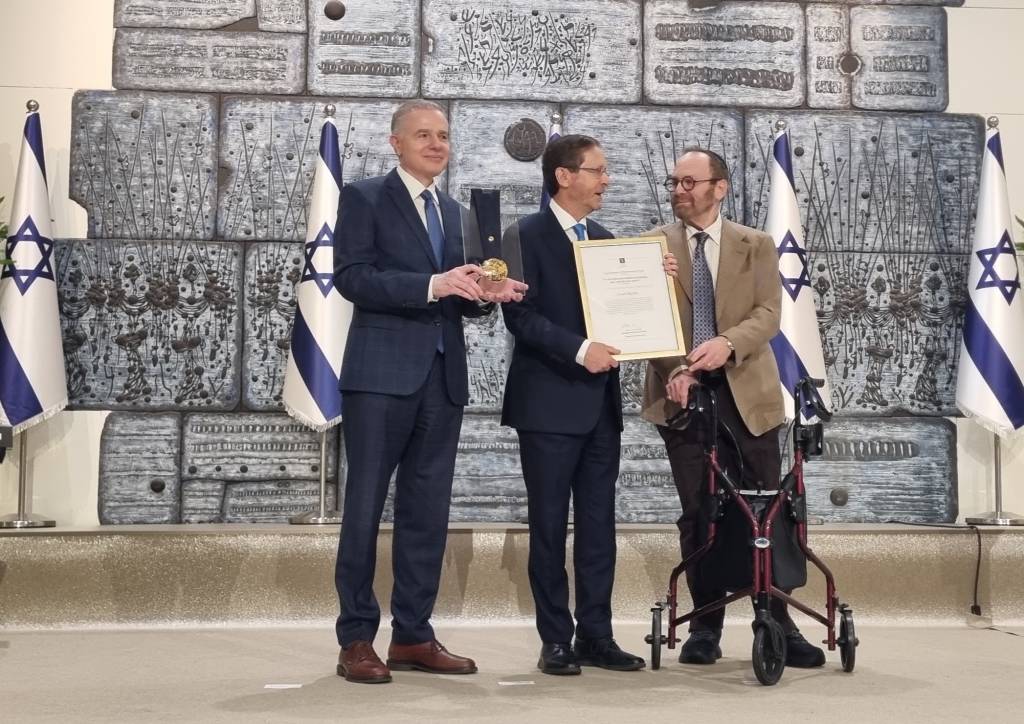
Israel Bonds Global President and CEO Dani Naveh and U.S. and International Chairman Andrew M. Hutter received the award from President Isaac Herzog.
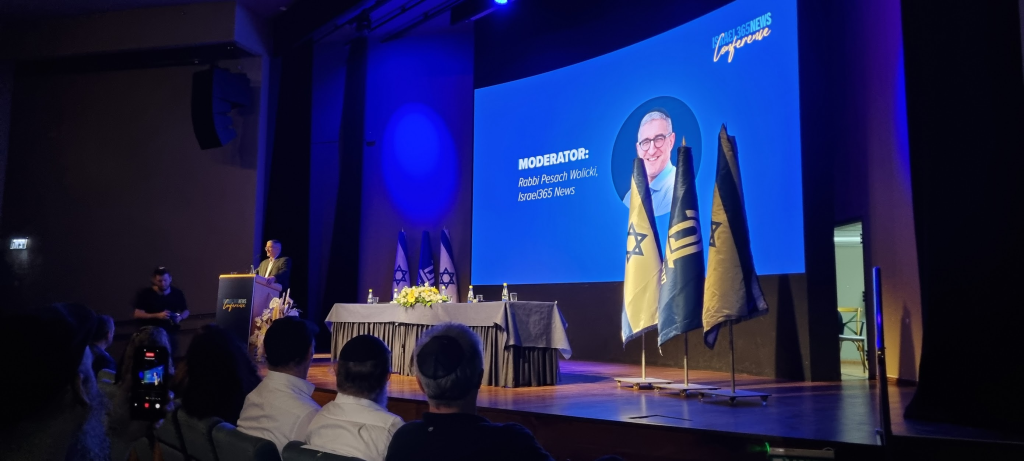
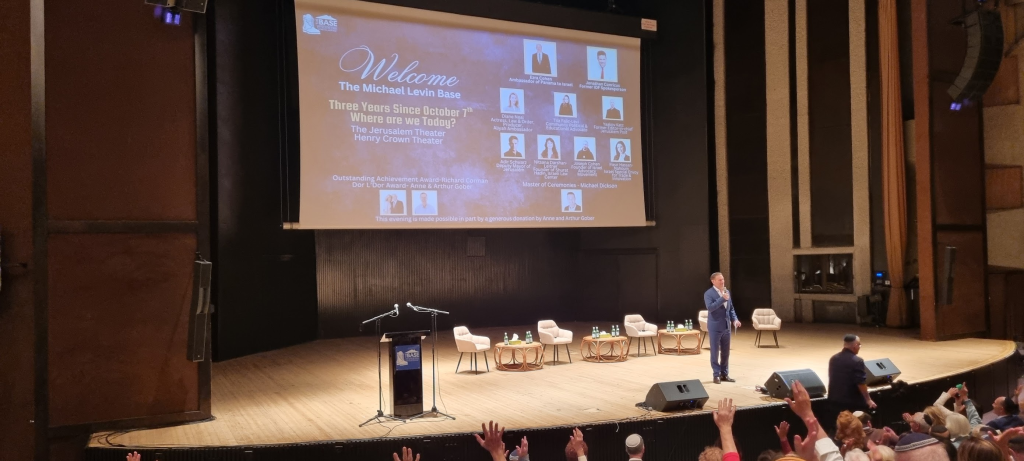
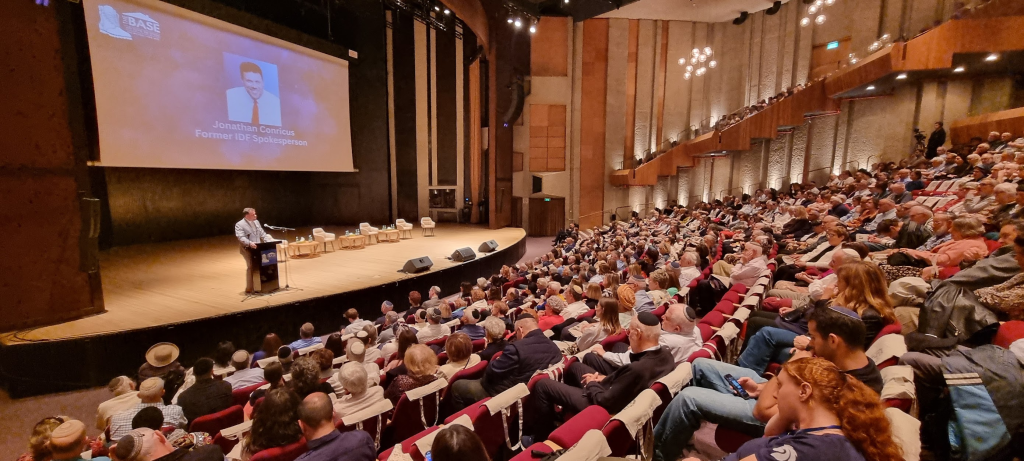
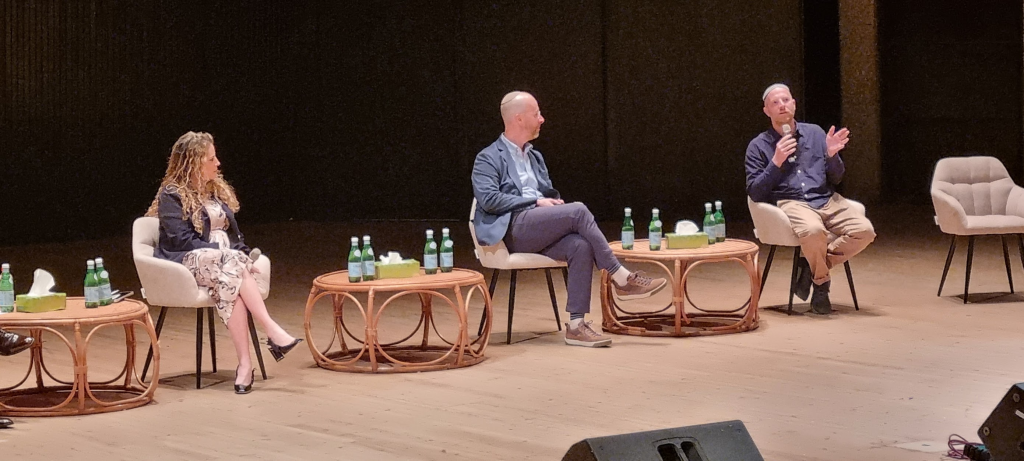
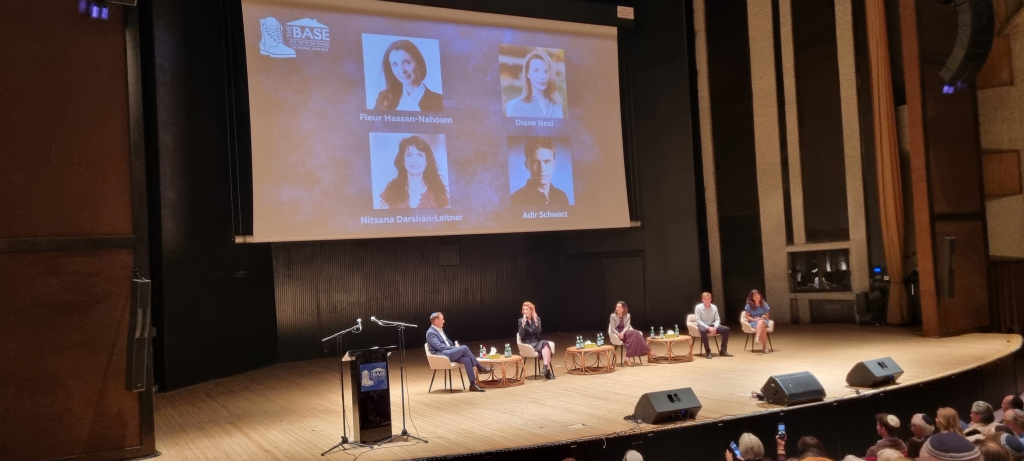
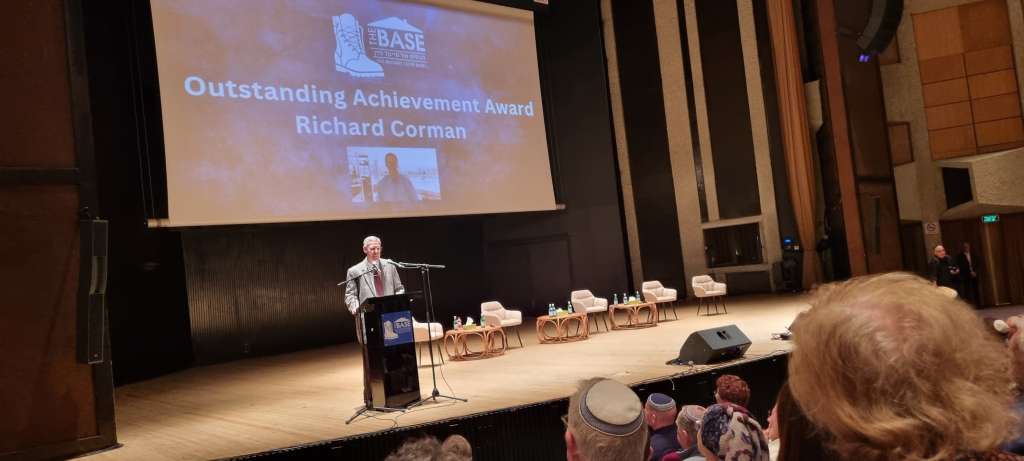
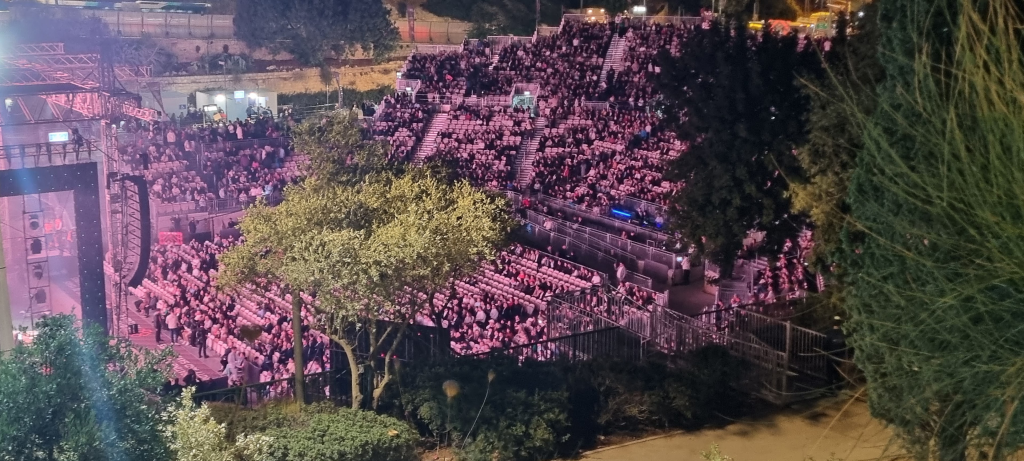
Another award ceremony was held at the Jerusalem Theater for the Global Jewish Educators Summit.
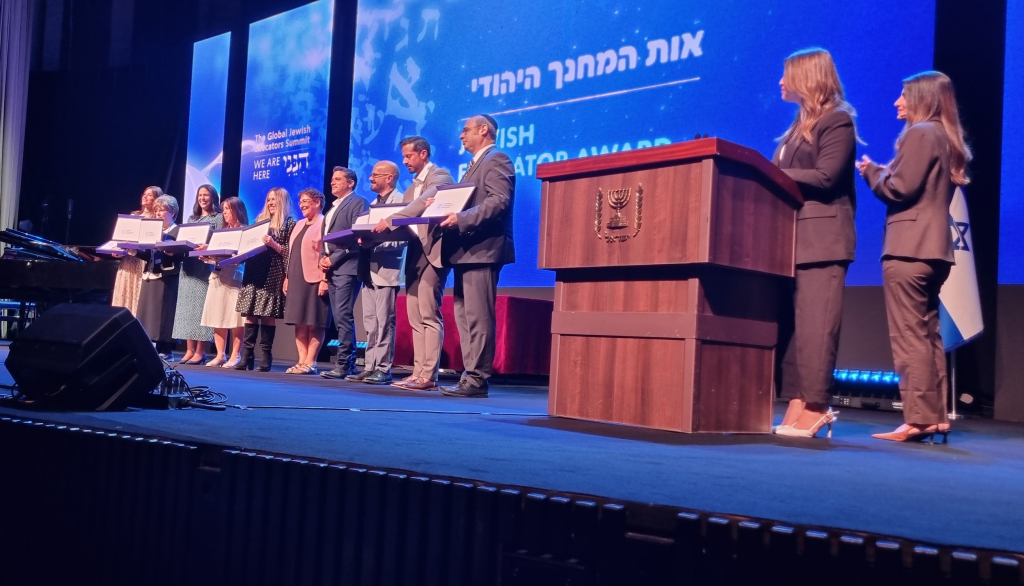
Eight international educators received certificates and monetary prizes.
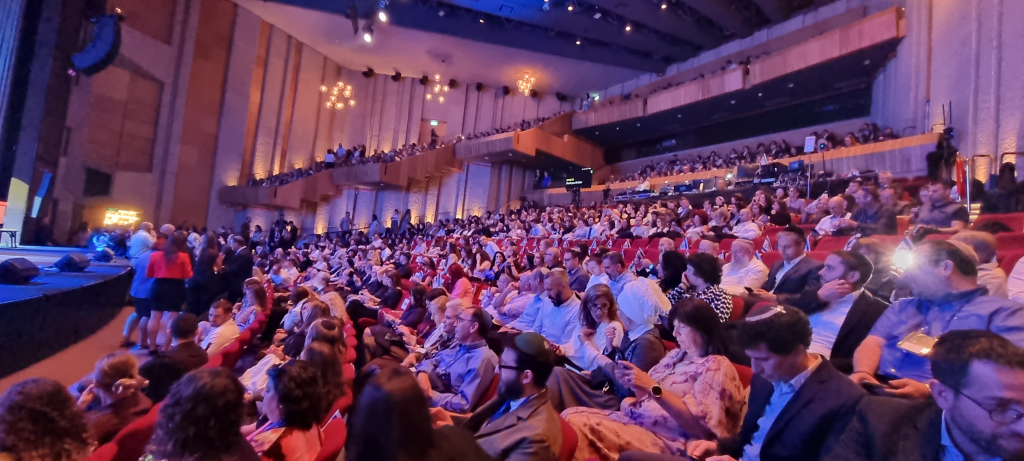
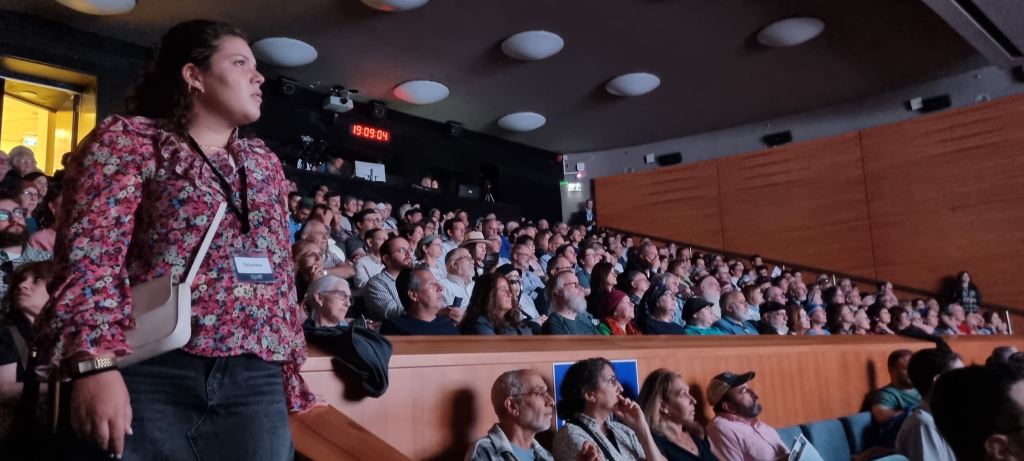
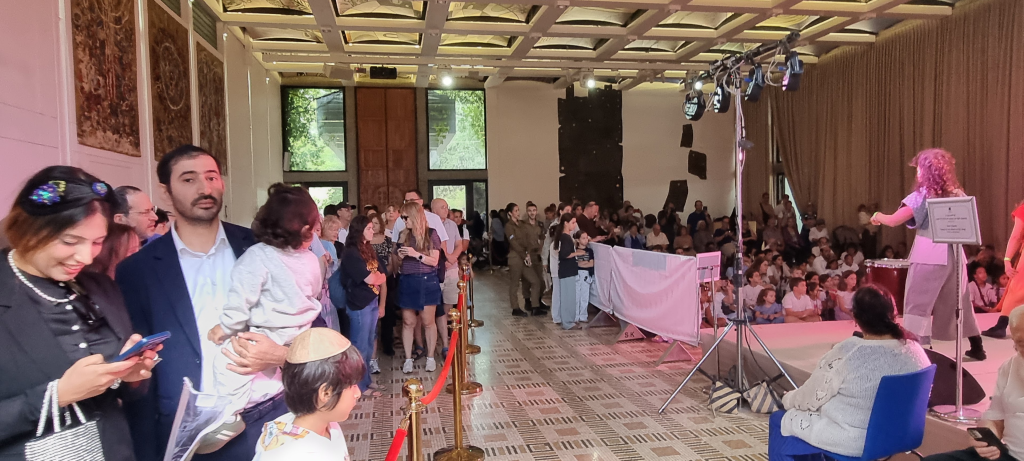
The Jerusalem Theater was filled with international delegates along with friends and families of the winners.
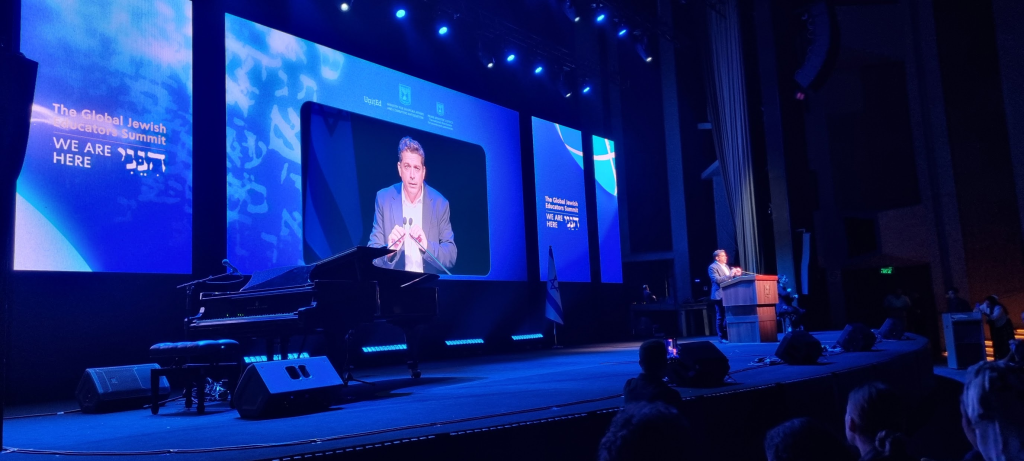
The event was hosted by Minister of Diaspora Affairs Amichi Chickli.
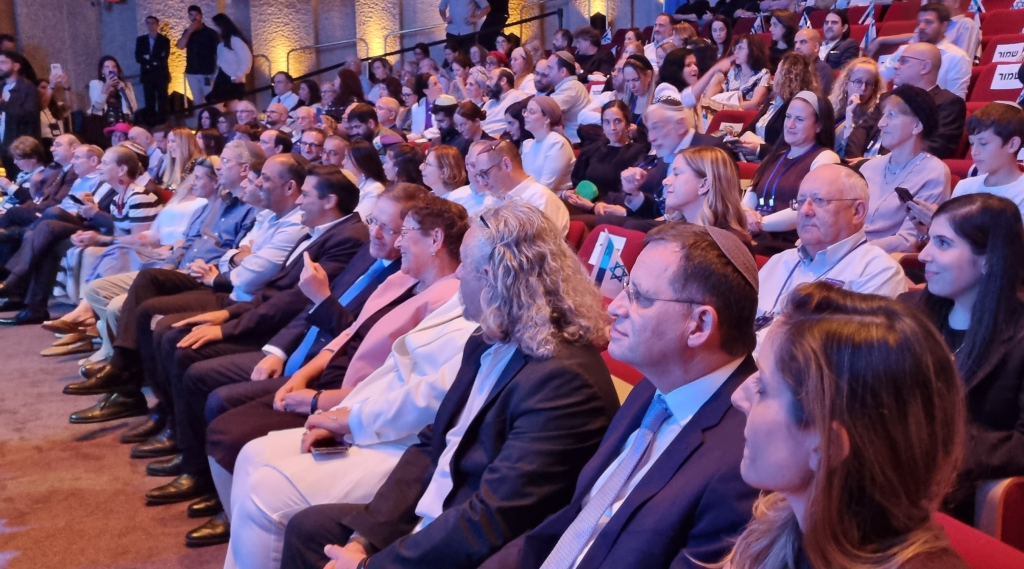
President Isaac Herzog attended and spoke.
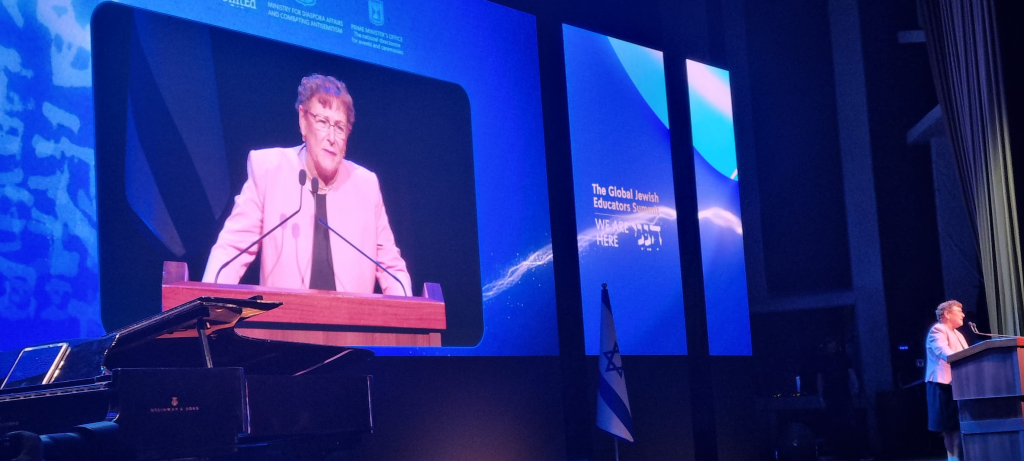
But of all the speakers, Miriam Perez gave the most moving and powerful remarks.
Then Friday morning it was back to Beit Hanasi for another awards ceremony.
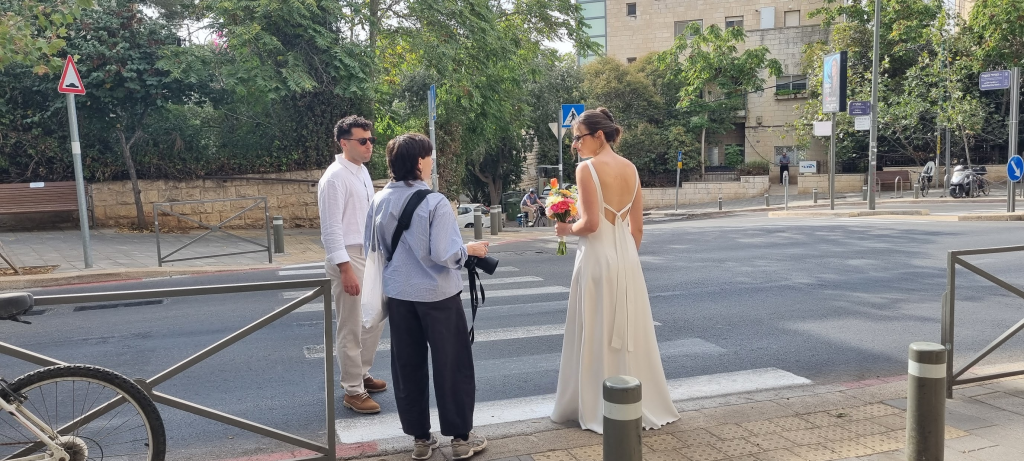
I passed a bride out for wedding photos on a Jerusalem street near the shopping area.
You never know what’s next on the Jerusalem streets.
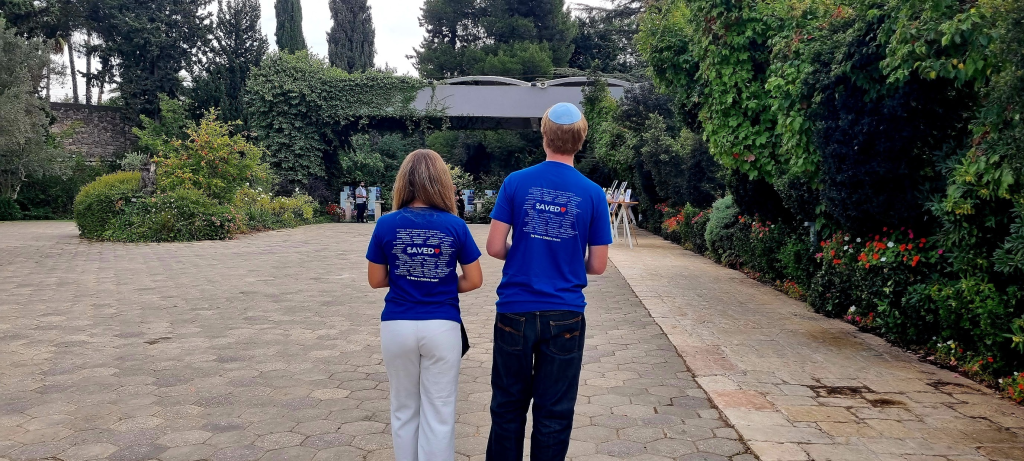
At Beit Hanasi was the Save a Child’s Heart (SACH) award ceremony.
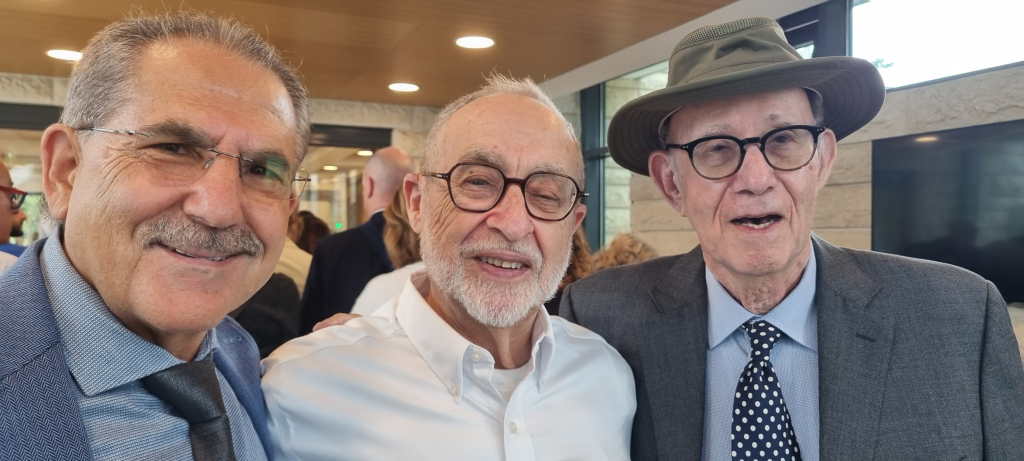
Imagine having to wait in a long security line and finding people you know.
Finding out they were involved 30 years ago when SACH began!
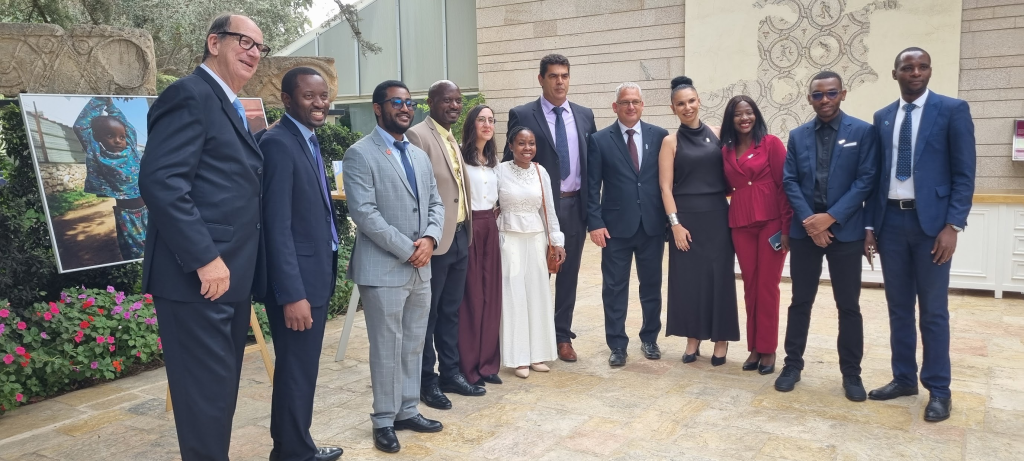
The SACH leaders and doctors posed for photos before the ceremony.
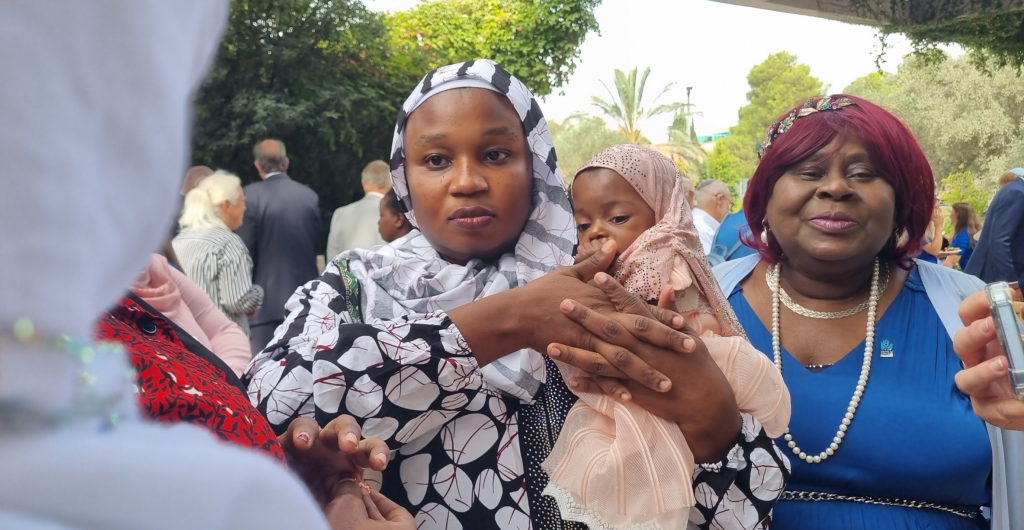
This beautiful 7-month-old baby received treatment in Israel and is ready to return home.
Her mother does not speak English or Hebrew and was accompanied by a translator.
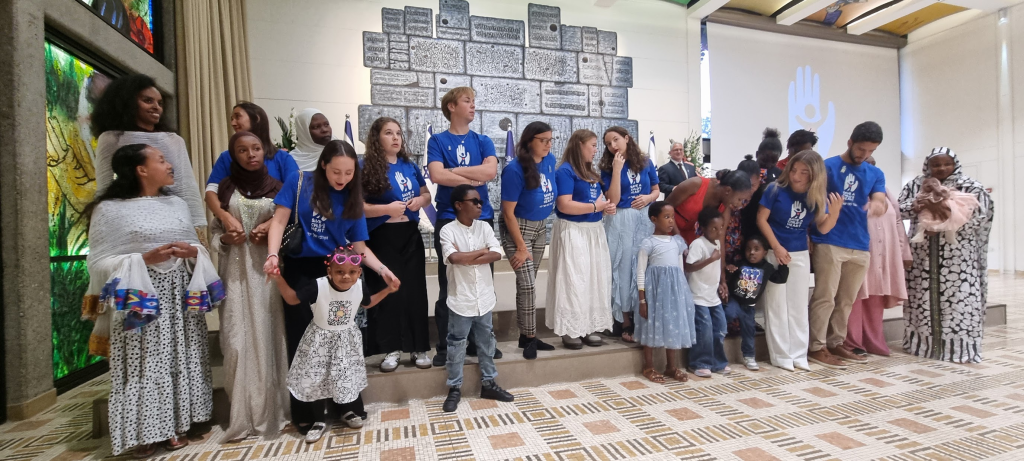
SACH children and volunteers were prepared to pose with the Herzogs.
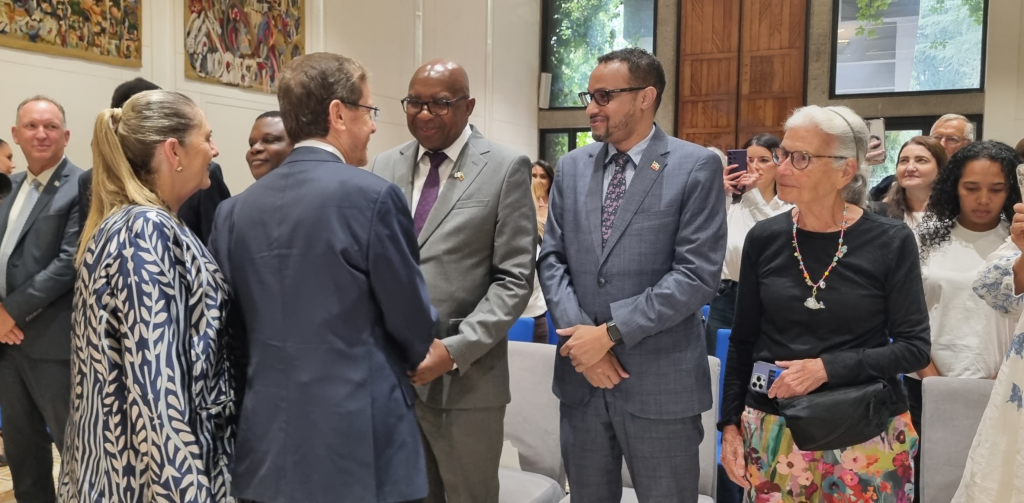
African Ambassadors attended and were welcomed by the President and his wife, Michal.
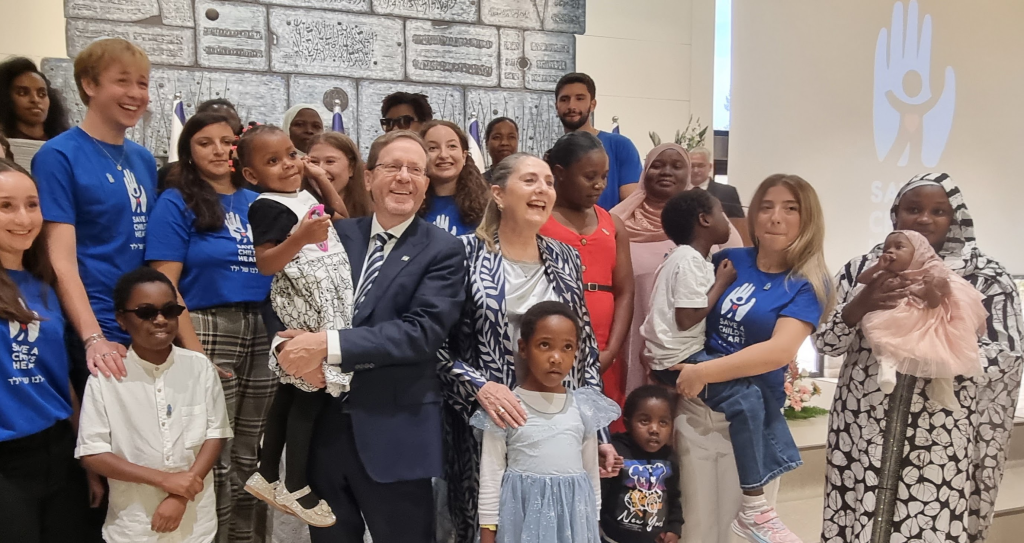
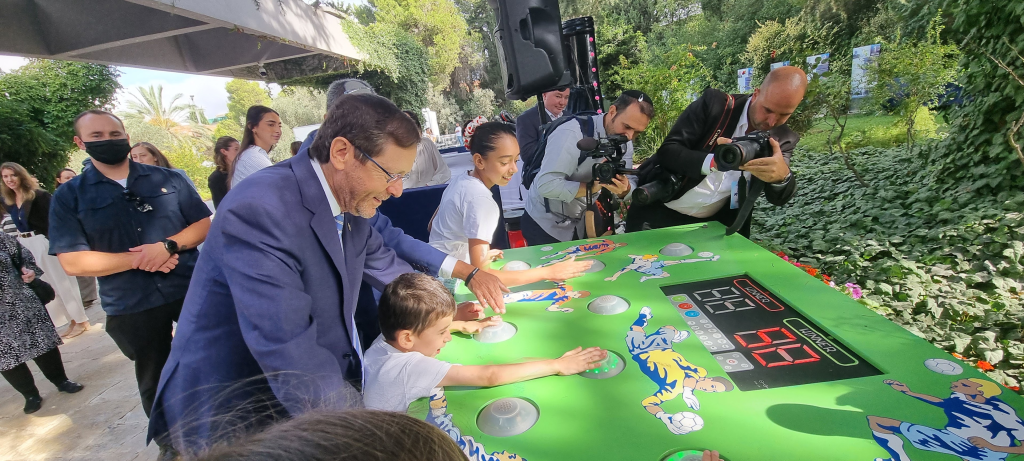
However, my favorite photos were the ones with the children and the Herzogs interacting.
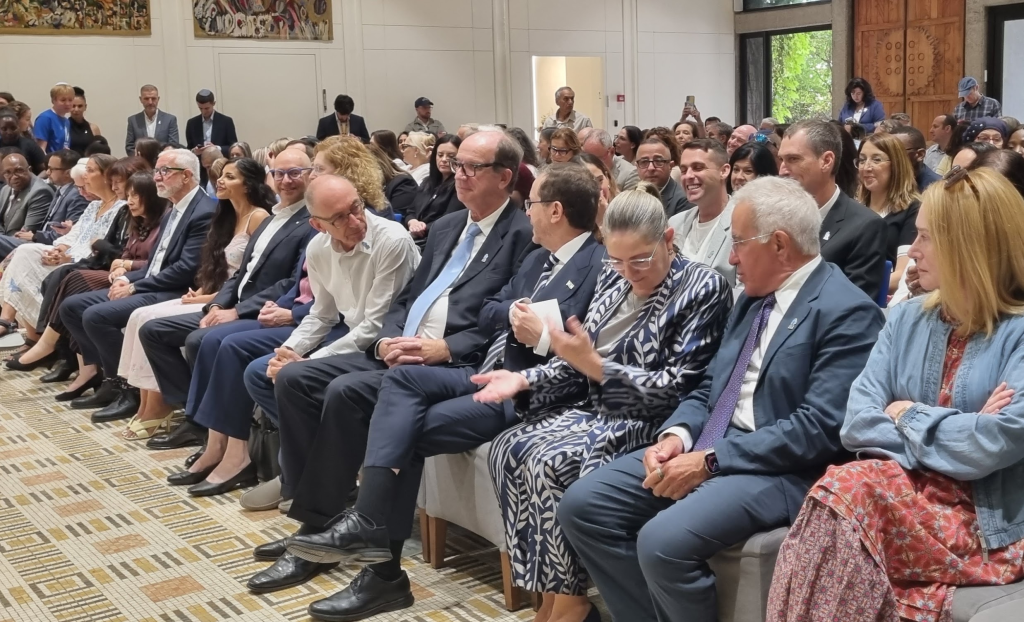
Another special award ceremony with a different guest list of sponsors and friends.
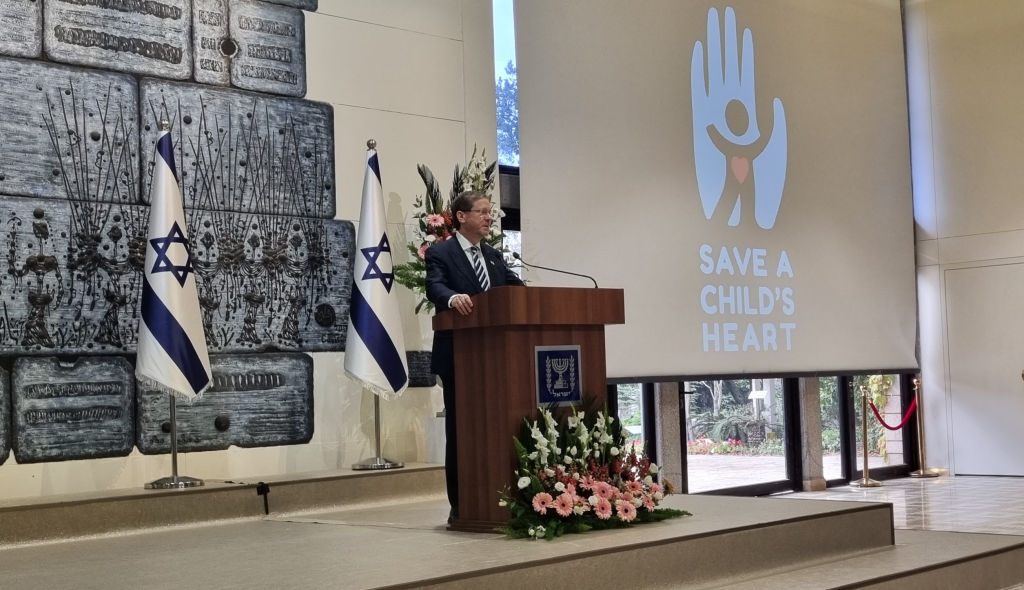
The President spoke, and when the program ended, it was time to get home to prepare for Shabbat.
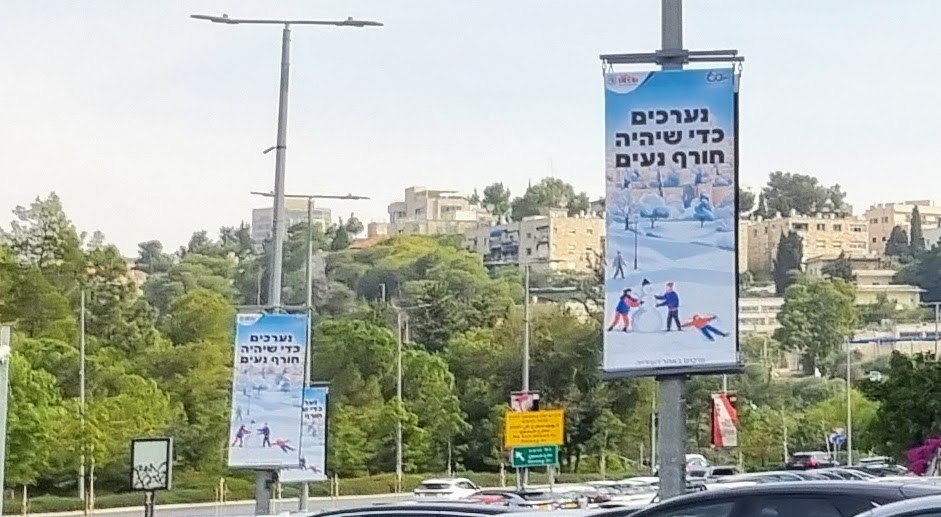
Jerusalem signs are up to prepare for winter.
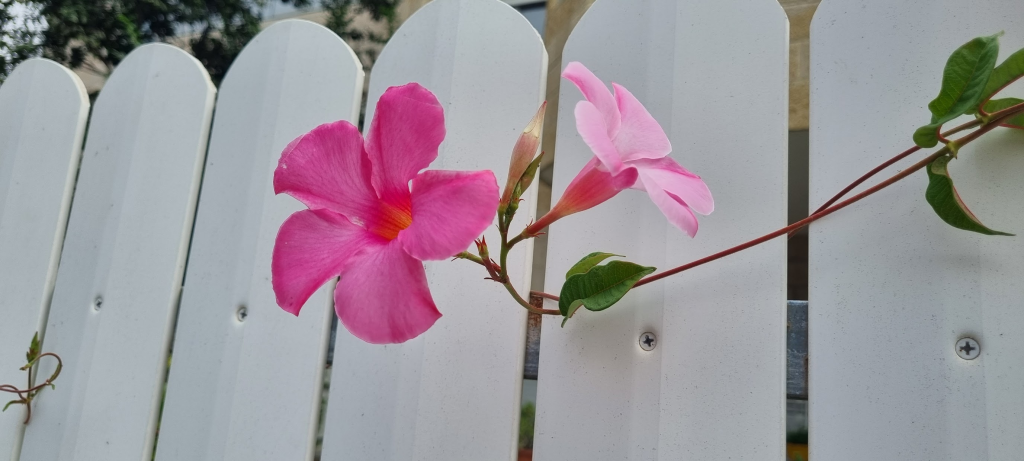
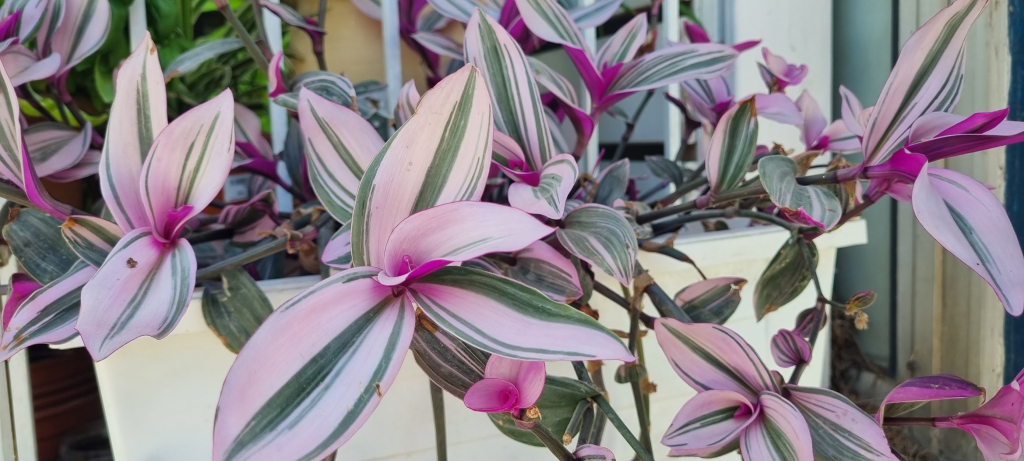
But the temperatures have been warm, and the flowers along Jerusalem streets are colorful.
What a week it was, with so many awards for good people doing good things.
Hope to see you soon on the Jerusalem streets!