Jerusalem under Corona Going Up

For months I stayed close to home, so when I ventured out it was a shock.

In Jerusalem, Israel, walking in the park and nature areas had been a daily relief from COVID-19 limitations. But seeing what had been done to the Jerusalem streets in my absence was amazing.

Israel Park with people

Some locations recently renovated have become popular out door spaces.

With the announcement of the renovation, expansion, and renaming of the Jerusalem International Conference Center for Shimon Peres, it was time to go again see what was happening.

It was exciting to see new stairs leading up to where the old parking lot was located. The past years access has been difficult with so many changes in the infrastructure. Every time you came for an event, there was a new traffic pattern and the old stairs were gone.

Jerusalem of old is going and the new is going down and up and up.

The old Kraft Stadium has gone down, just down as seen from the street.

But the housing across the road has gone up and up.

This new Abba Eban Street was one of the first in the neighborhood.

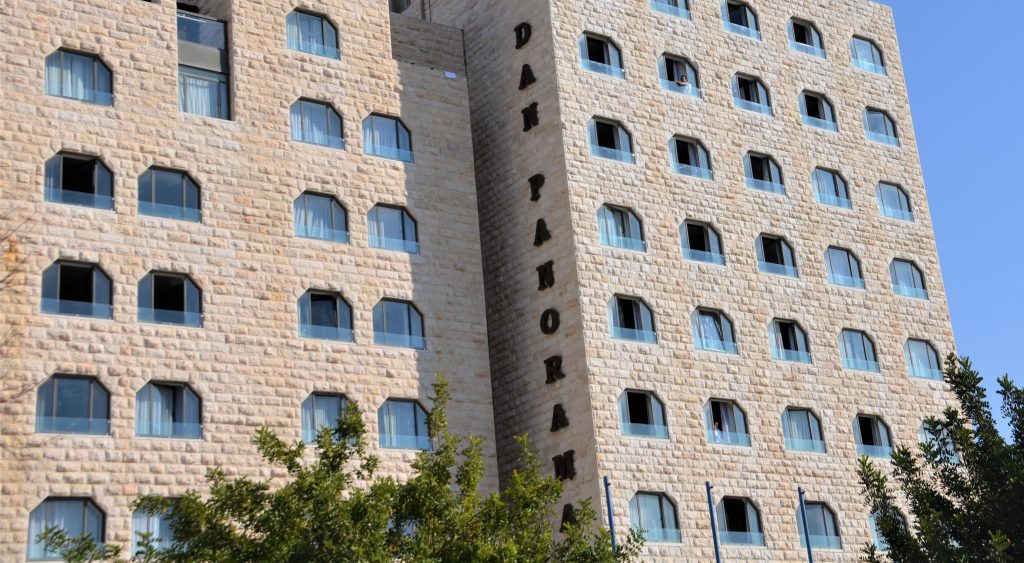
The old Foreign Ministry campus is now a luxury housing project going up.

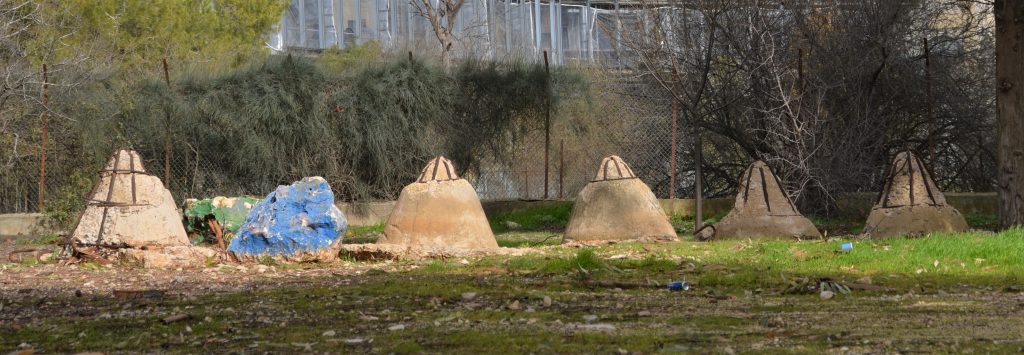
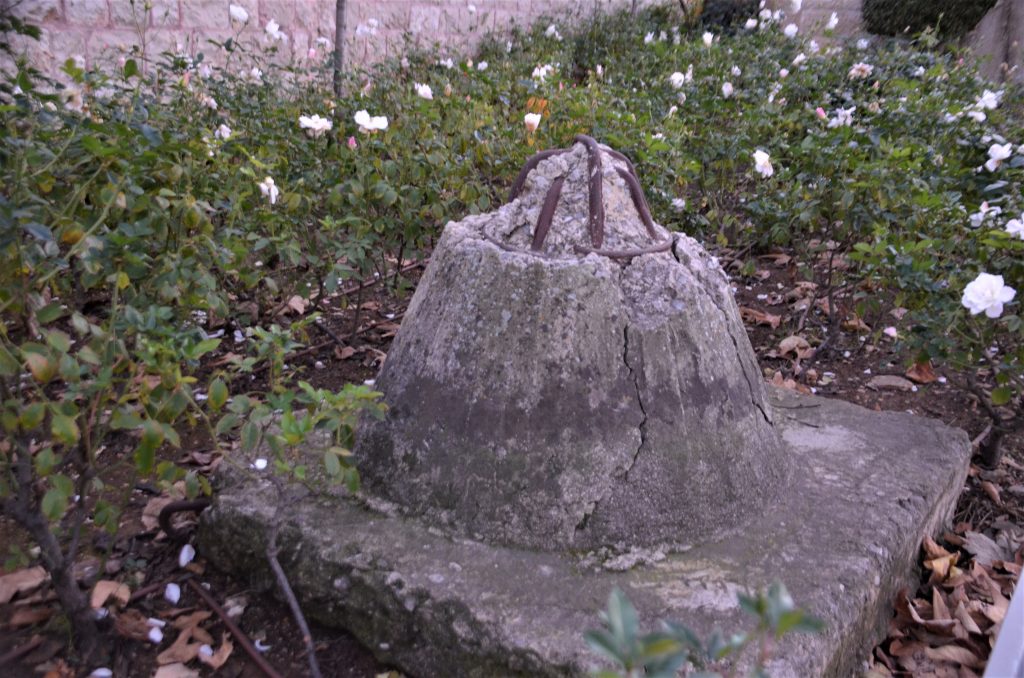
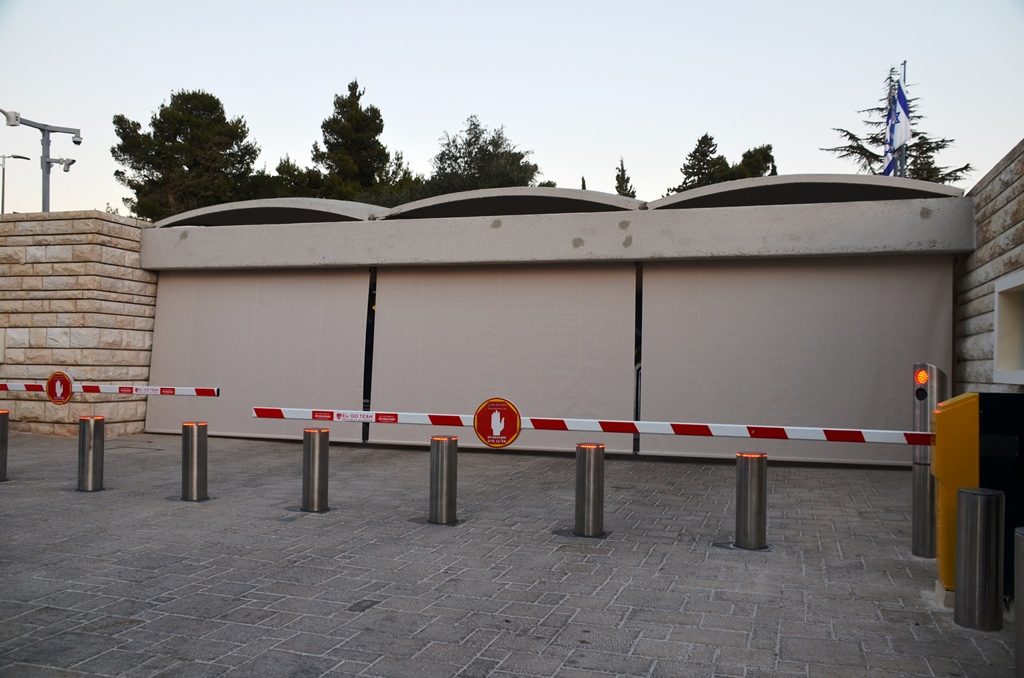
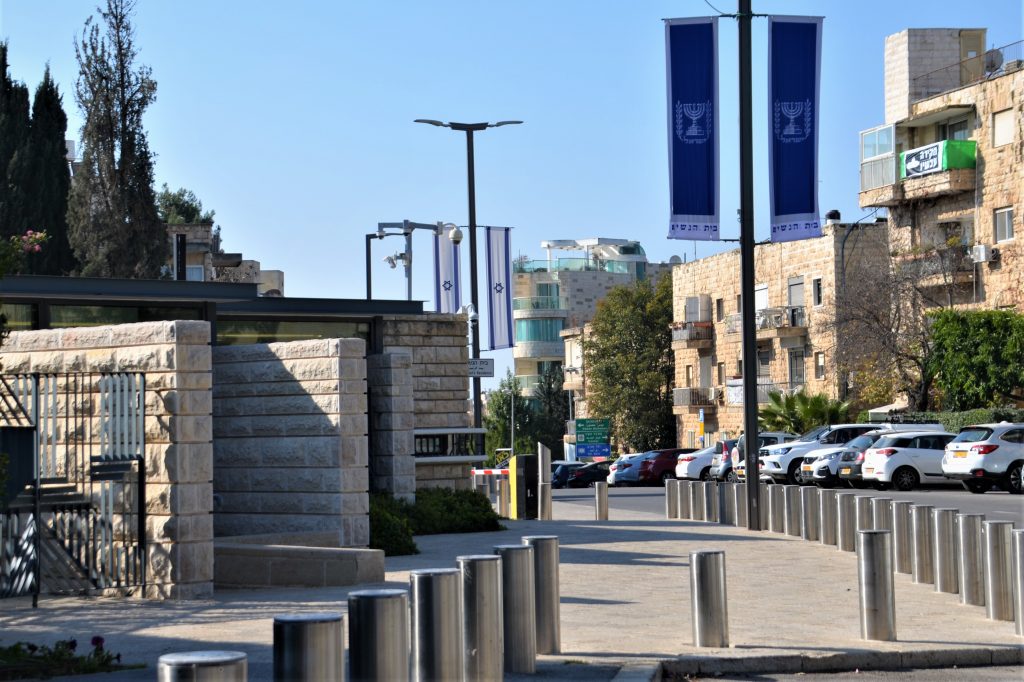
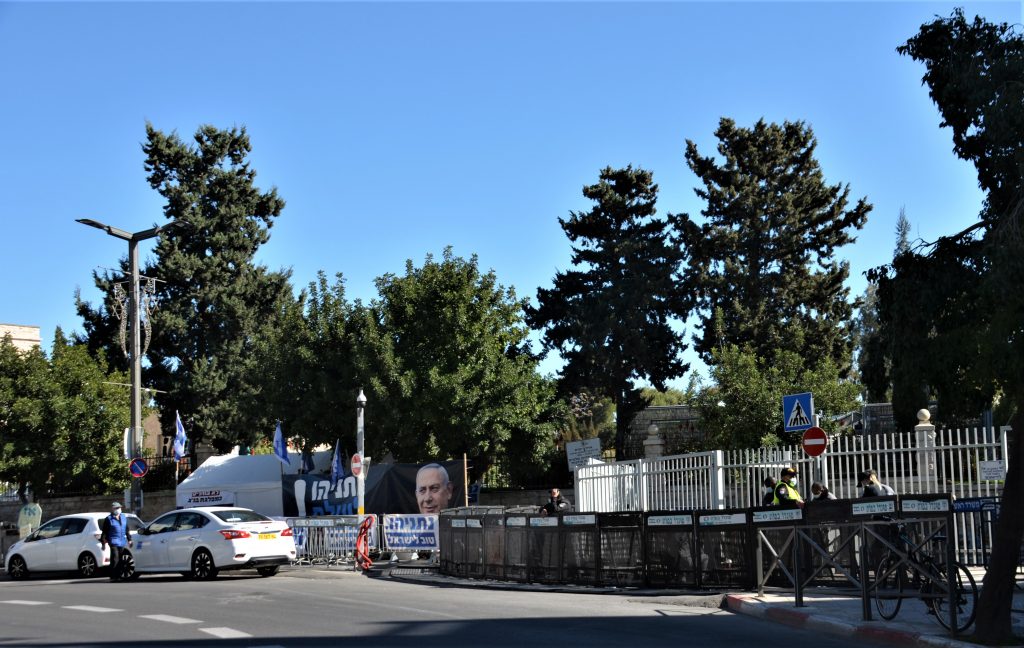
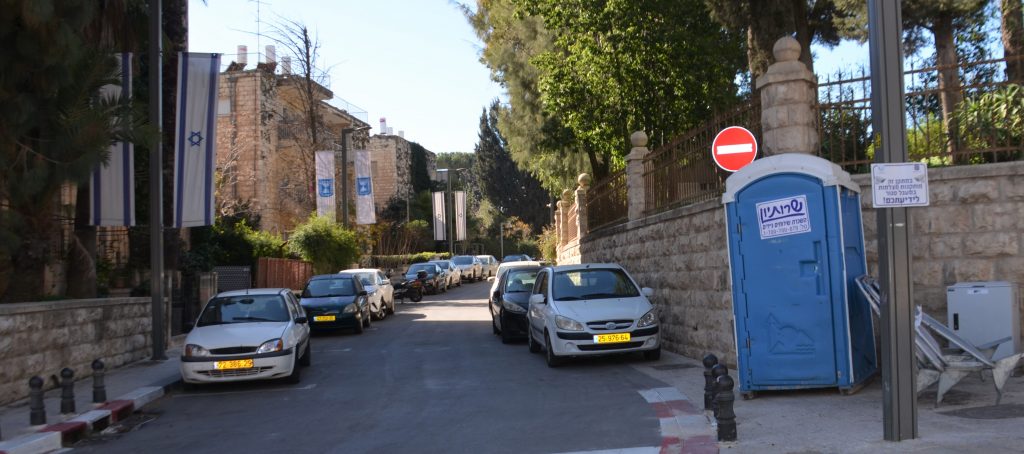
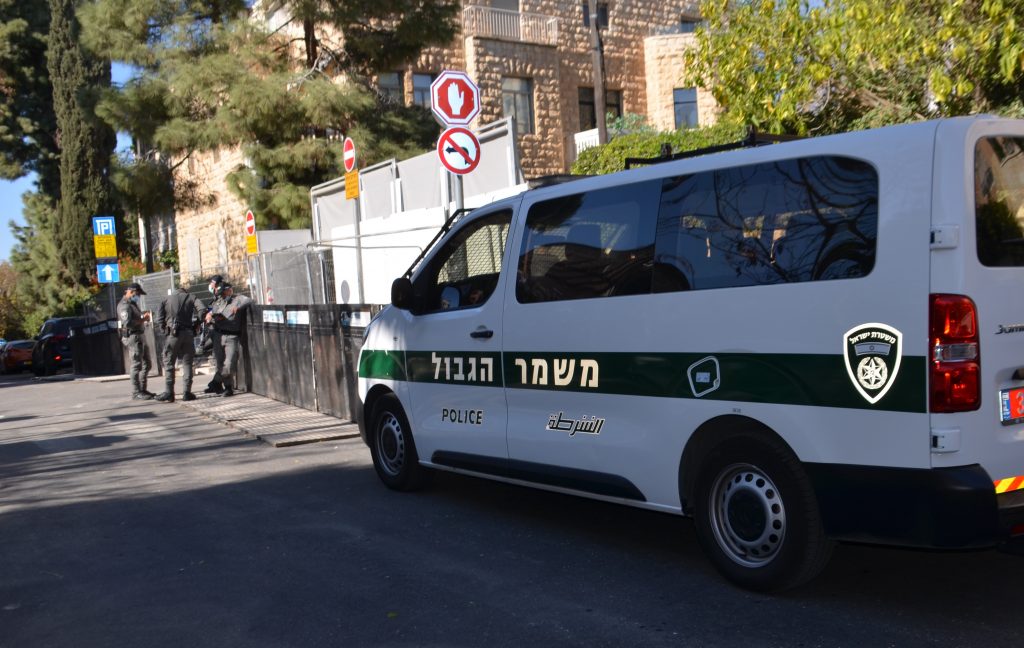
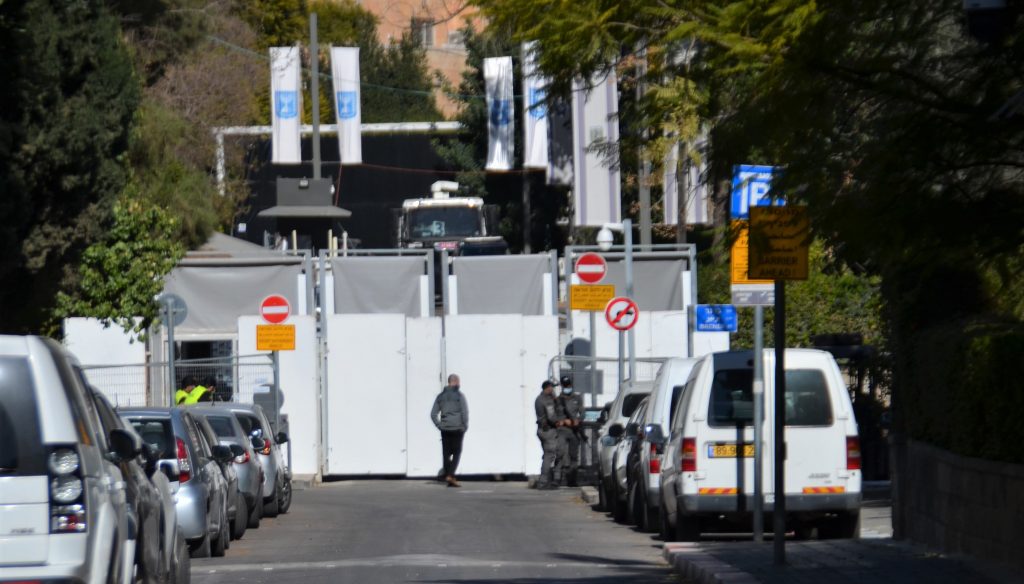
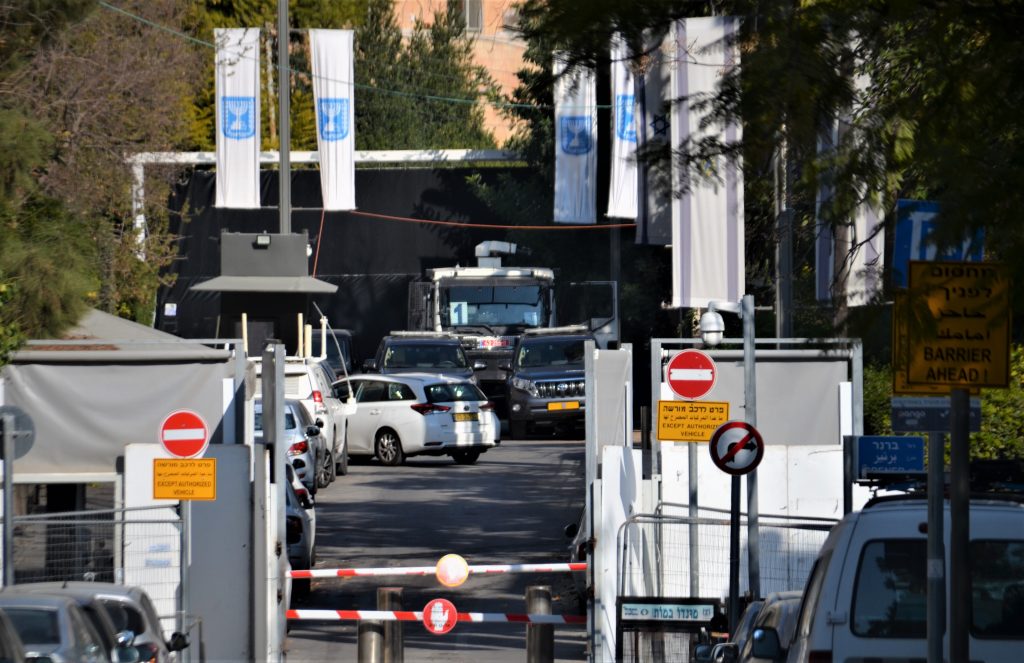
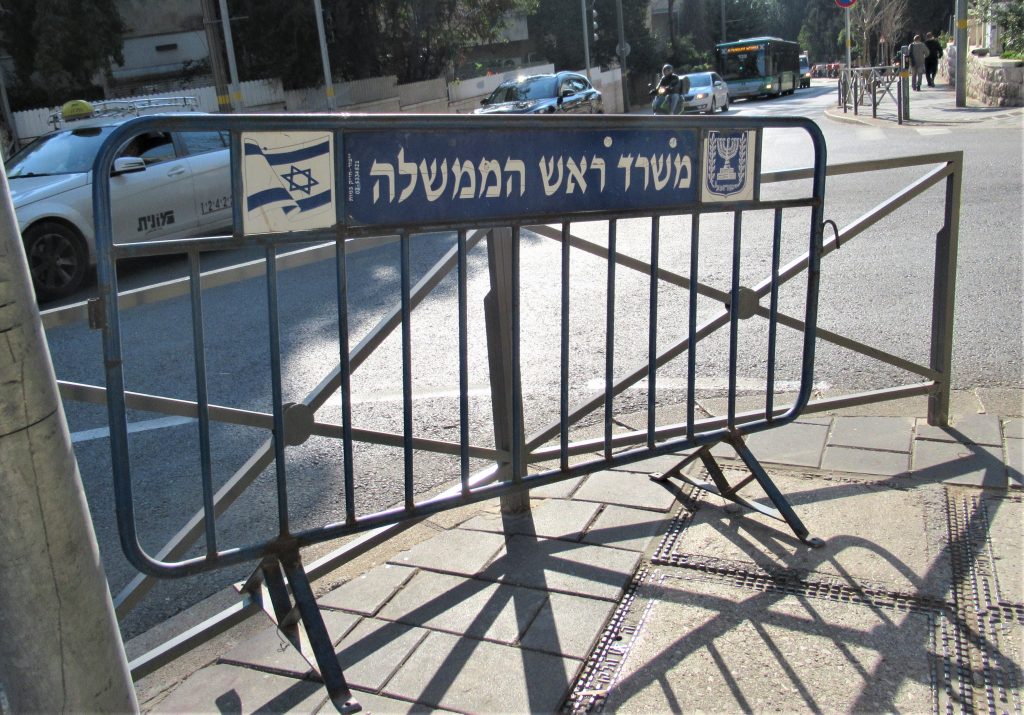
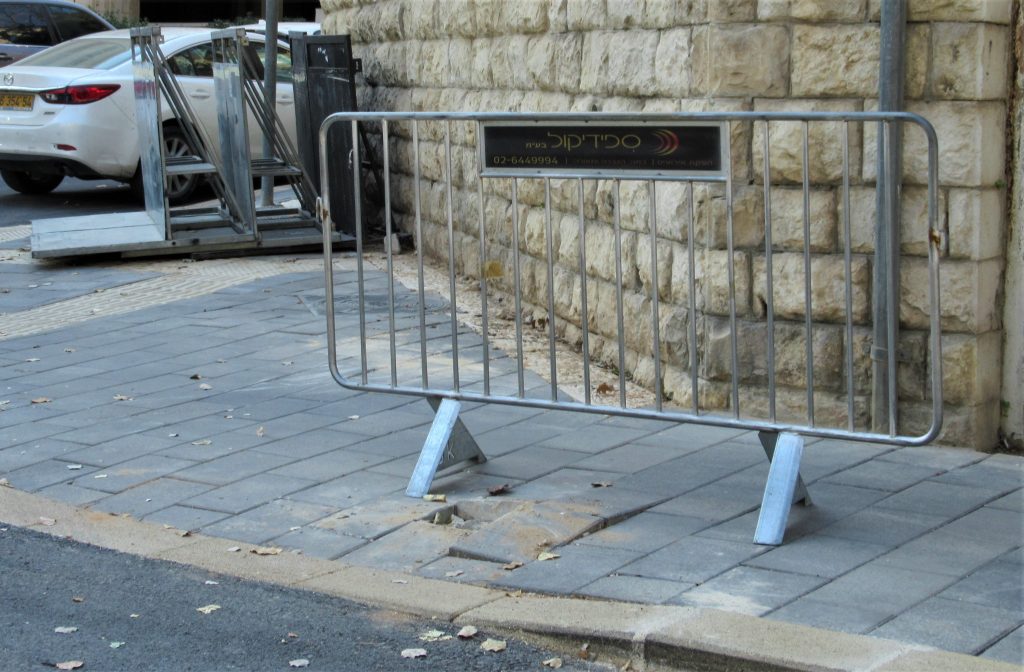
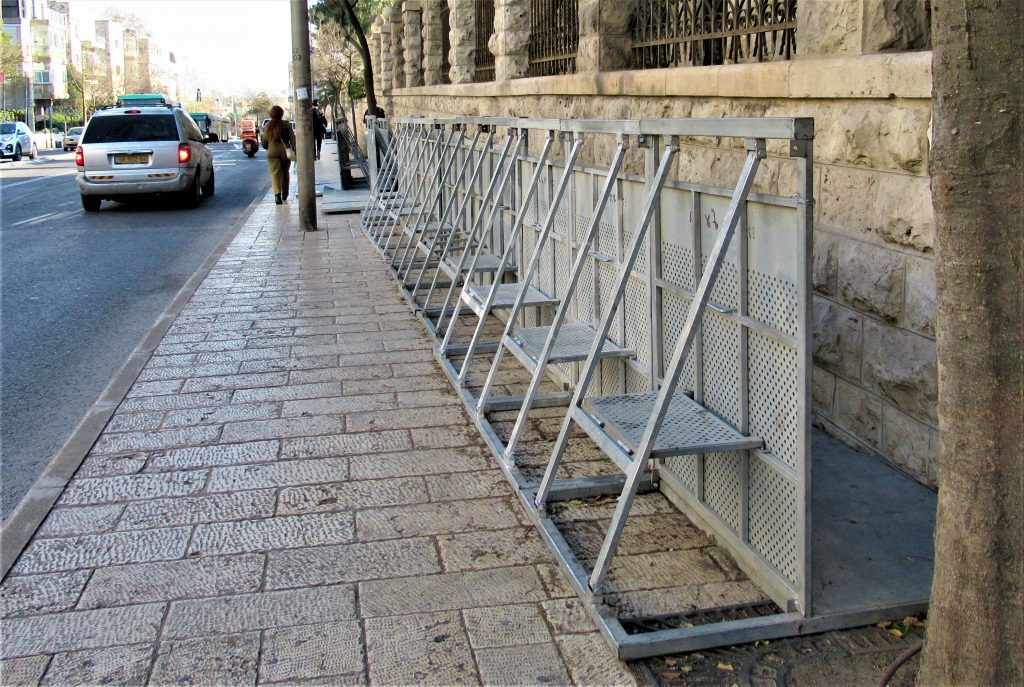
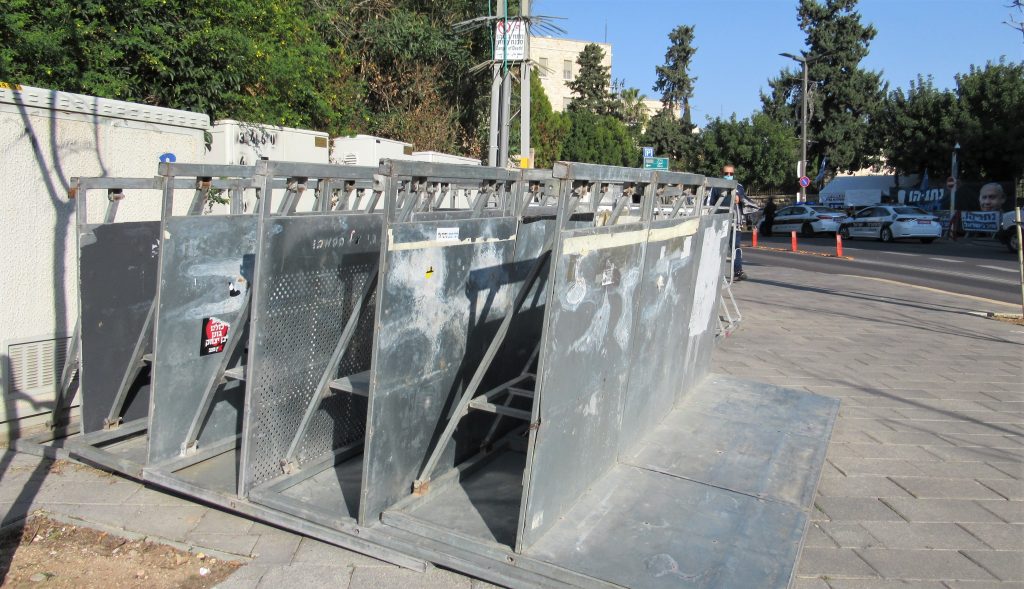
The bollards are up on the new sidewalk in front the Netanyahu house.

But business in the area is down. This red antique van, parked near Balfour Street for a very long time, was in front of a closed restaurant.

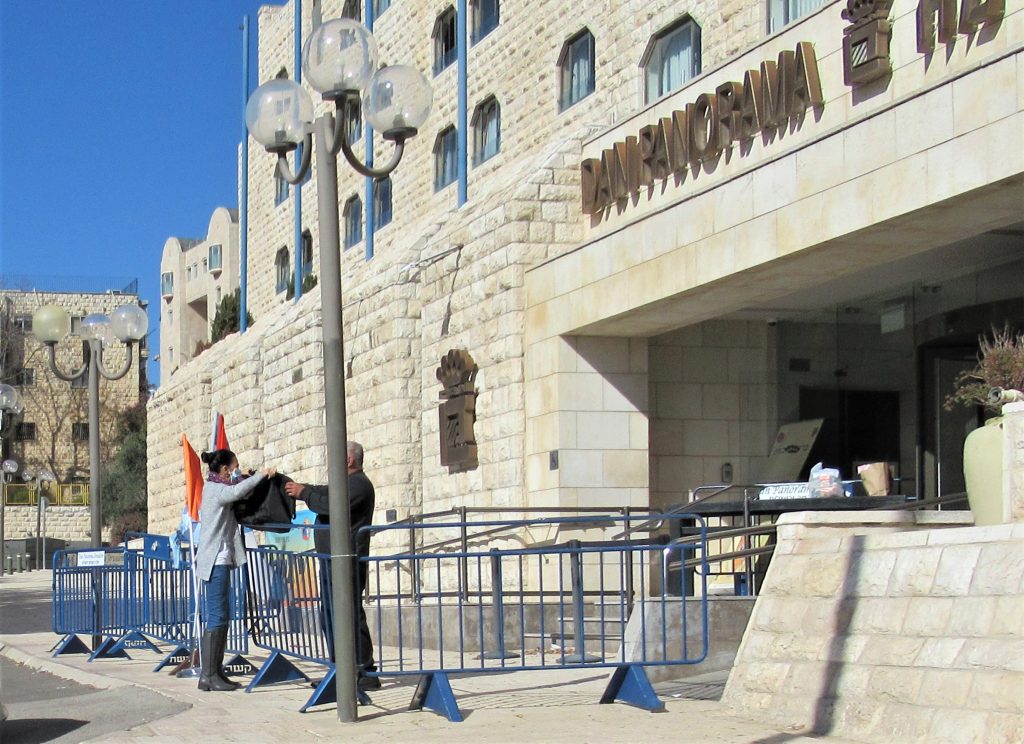
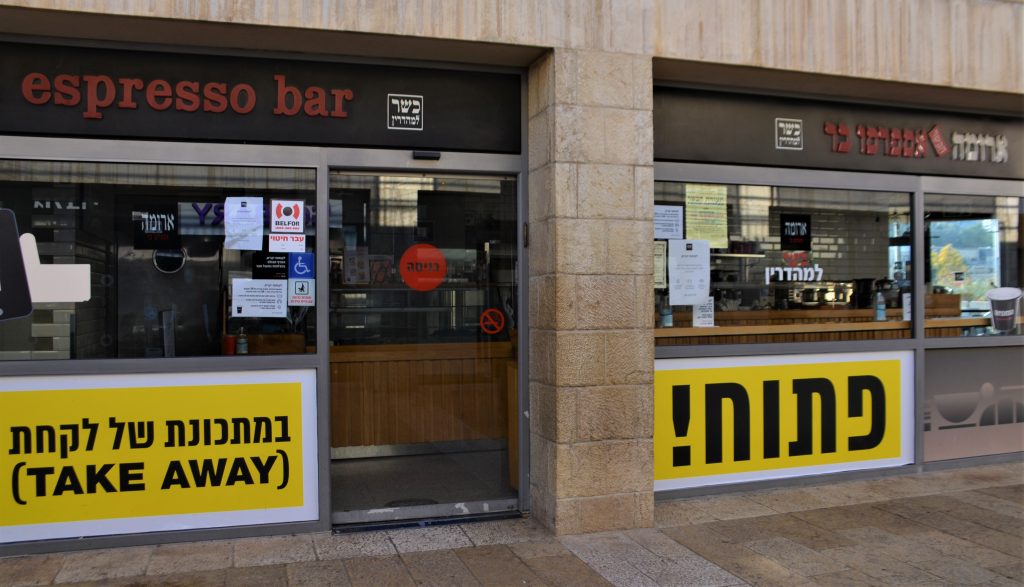
The restaurants and bars are closed, but the bakery is open with patrons waiting outside at a distance, and many food places are selling take out.

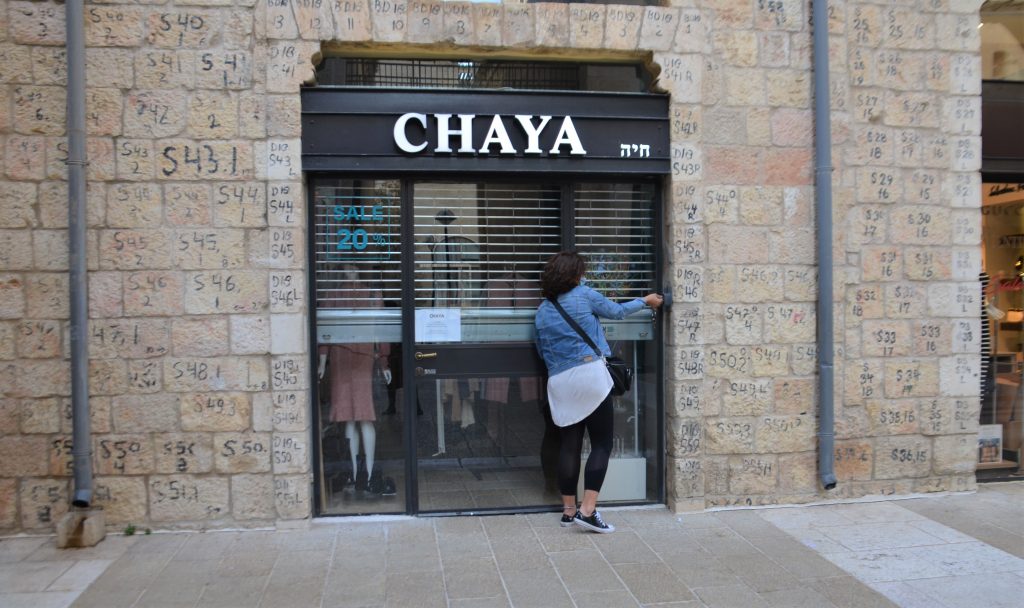
Not so easy for a tailor to social distance and survive financially.

But walk up the street and there are new traffic lights and construction.

First time I saw a worker cutting stones on the spot.

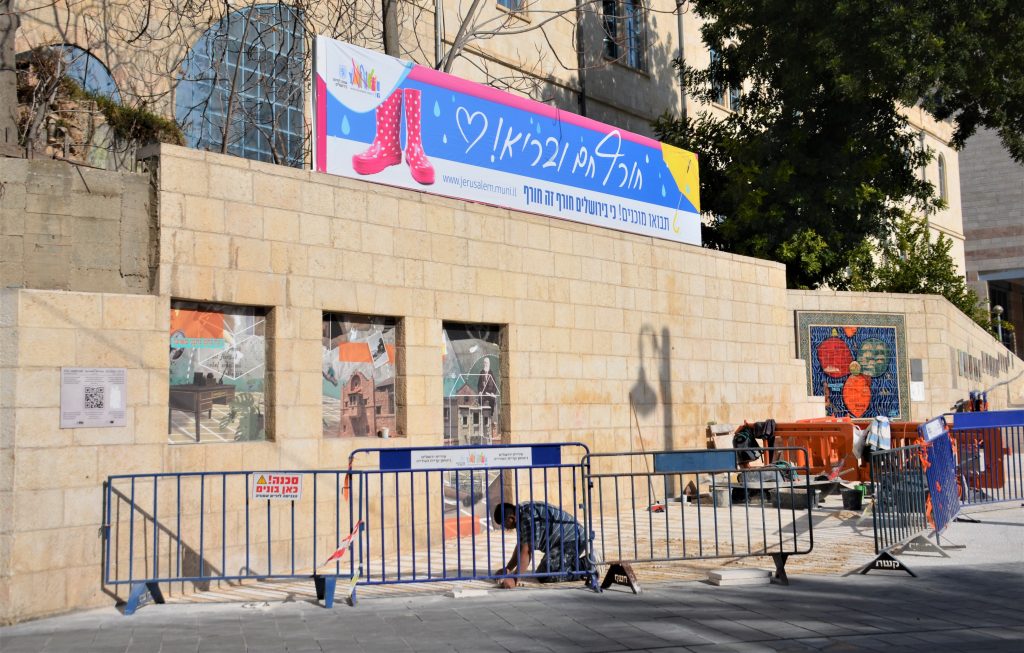
The street by the Ohel Nechama Synagogue on the way to the Jerusalem Theater is being redone.

The Jerusalem Theater looks the same, however, it is closed. I just missed a dance class which took place on the plaza outside in front.

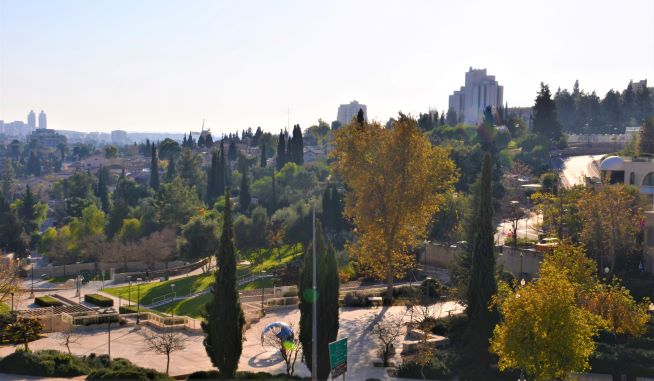
This is the new footpath and view from the Jerusalem Theater plaza.

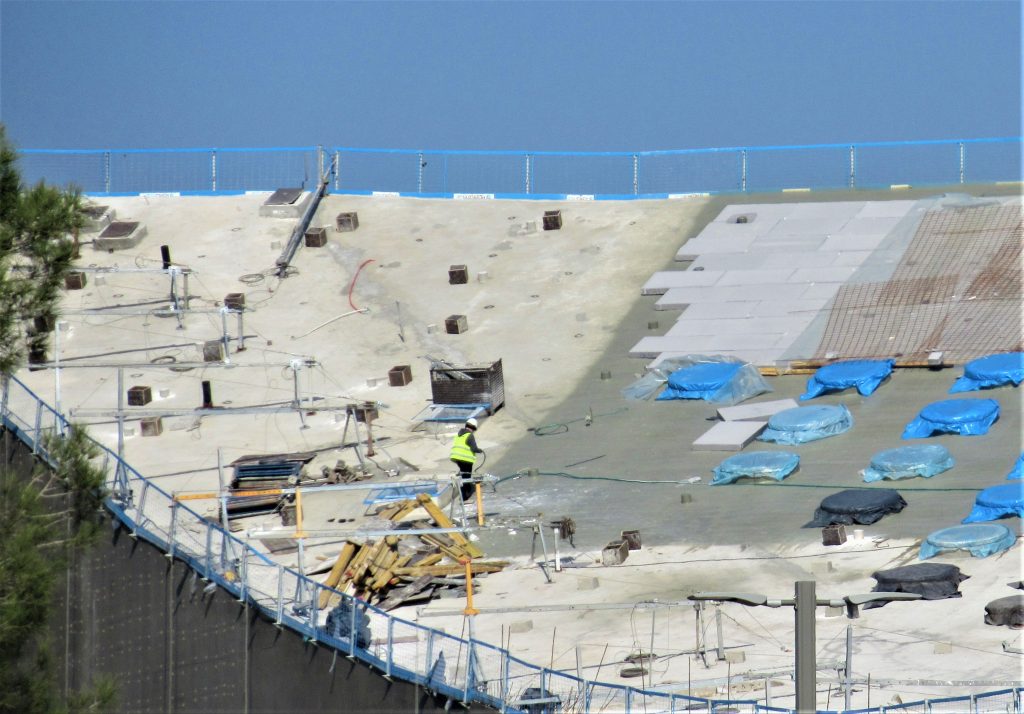
The footpath leads to the new parking lot for the theatre. Seems the builders added a couple of extra floors and now construction has stopped and the action has moved to the court room.

The area around the Jerusalem Theater is very different. Be warned the first time you go to give yourself extra time to figure out which direction is up or down or around.

The Museum of Islamic Art, as are the other museums, is closed and in financial trouble with no visitors. An auction of 200 items from the private museum’s storerooms was halted due to negative publicity.

But there should be more concern for the small business owner who can’t legally open their doors.

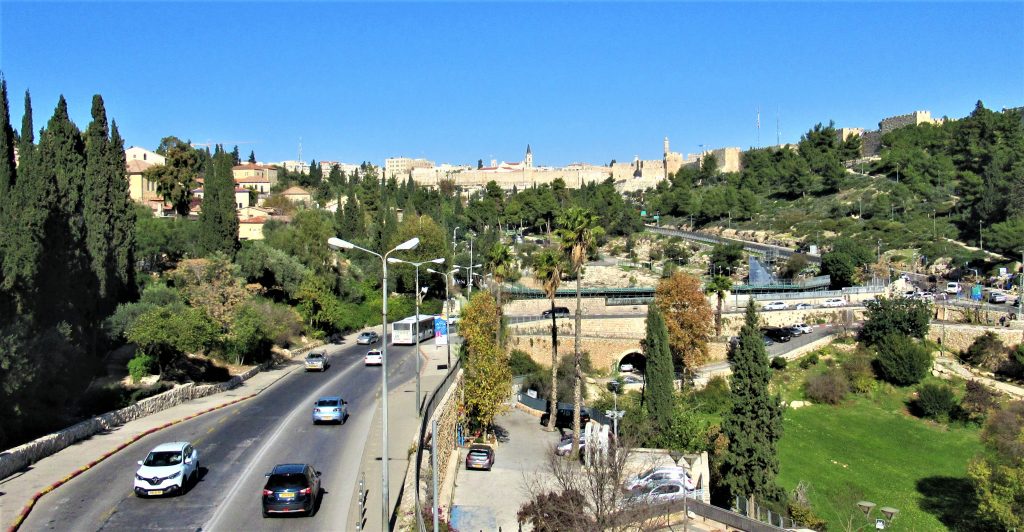
Walking around the Jerusalem streets, building after building is going up.

Bus stops have been moved, streets were redone with commercial parking.

The construction fence is gone, and now there’s a new theater in Liberty Bell Park near the rollerblading skating rink and new parking lot.

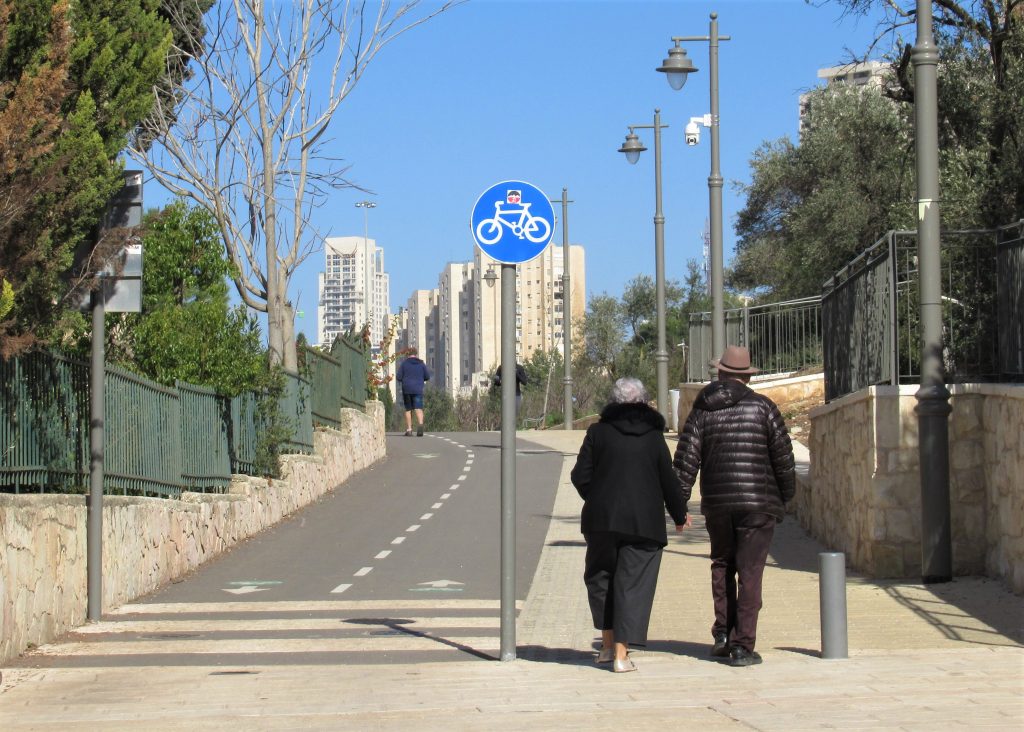
New seating areas with wooden benches and shade grace more Jerusalem streets since the novel coronavirus crippled the tourism industry.

New paths with fancy wood garbage bins have been installed in Gan Sacher, Sacher Park, along with lots of new landscaping.

But walking around Jerusalem, it was good to see some of the familiar sites.

The stairs in Yemin Moshe look the same as before the novel coronavirus.

And the Lion Fountain was back on! No children were splashing and cooling in the water as in past years, but the big lion had the same one drop drip from his chin as before.

So much had changed on the Jerusalem streets over the spring and summer.

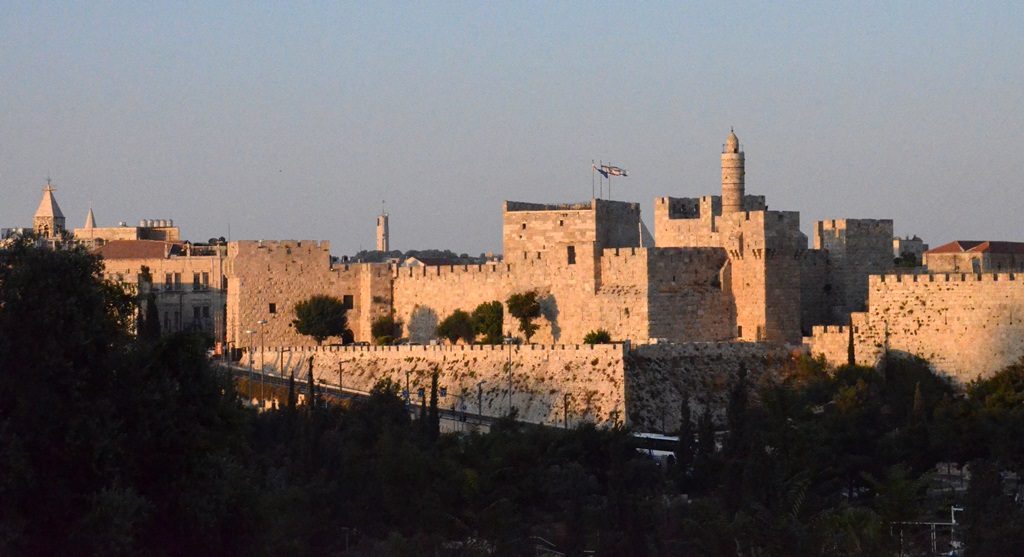
The Tower of David is closed to the public for a major renovation. I will share that big project next time. Meanwhile, I will end with a clip from the King David Night and Light Show. Can’t wait to see what they do next!

Hope to be able to share the real Jerusalem streets with you in person soon.

Jerusalem Time is Flying

October the holidays are over. It’s time for Jerusalem and the Jerusalem streets to get back to “normal.”

Sure.

Two weeks after the end of the holiday season and we changed the clocks, falling backward into standard corona time.

I hate changing the clocks any time.

It’s been a time when it’s hard to keep up with the news bulletins.

First the normalization agreements between Israel and UAE and Bahrain. The United Arab Emirates diplomats arrived in Israel to sign trade agreements. Israeli travel companies are busy working out how to proceed with daily flights as an option, even with COVID19.

Sudan has joined the Gulf states making positive connections with Israel. Did you know Golda Meir and Israel were the first to acknowledge Sudan’s independence? The opening of air space alone is a big deal. Other financial deals we will wait and see.

The old holiday signs were replaced new ones from Mayor Lion for a successful new academic year. However, Hebrew University was open for less than a week and closed today, due to a computer problem.

The nursery schools were allowed to open under the new COVID19 restrictions. But most students are still at home, zooming and waiting to get back to classrooms and their friends.

One group was meeting in an outdoor open area under today’s cloudy sky.

Dog school, however, seems to be going strong in spite of corona.

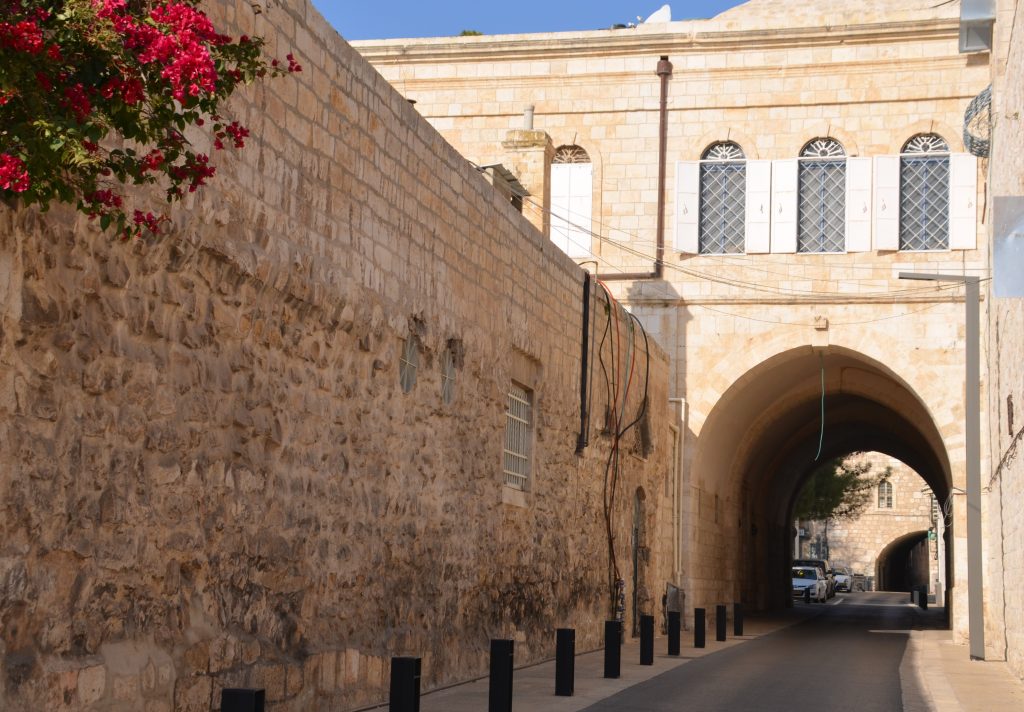
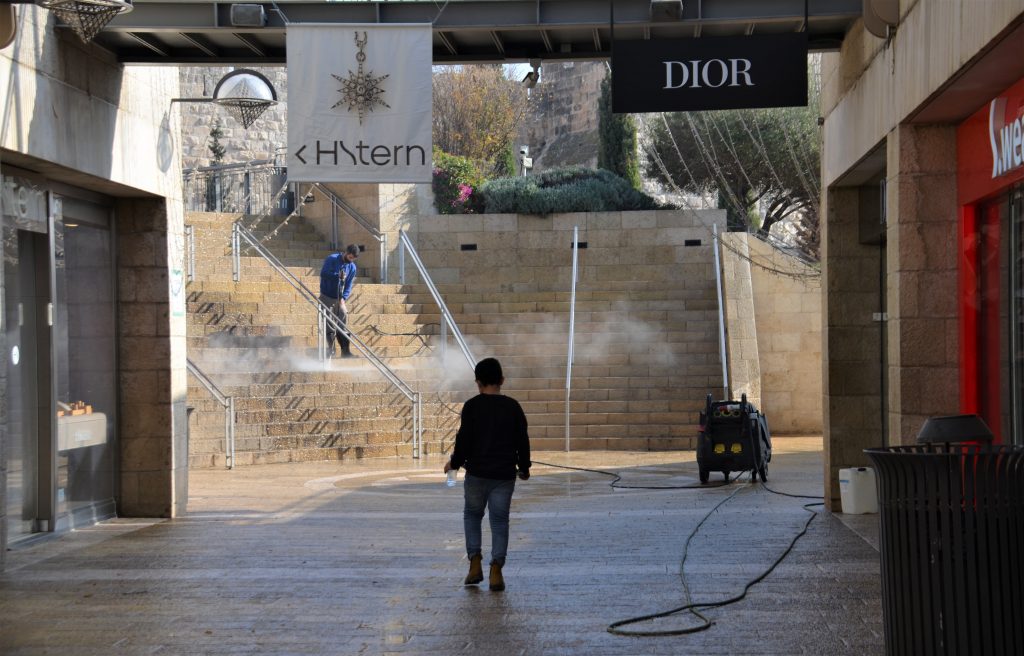
During this time many Jerusalem streets have gotten a new look.

Some streets are unrecognizable with constantly changing barriers and infrastructure improvements.

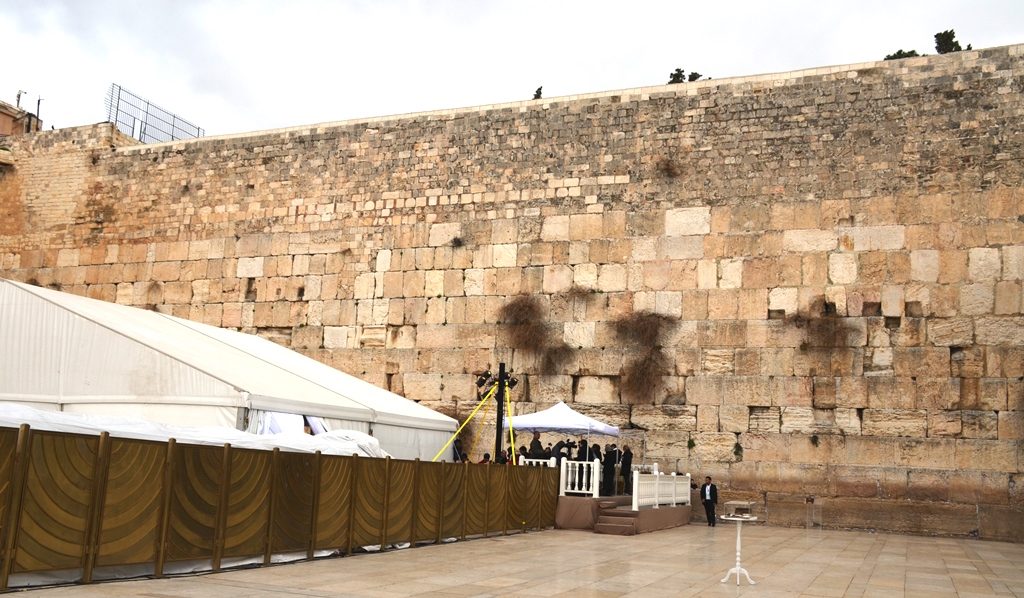
The Great Synagogue is still closed, but a covering provides shade for limited prayer outside in the plaza.

During the lockdown, I was finally able to get a photo of the horse in Gan HaSoos, the Horse Park. Usually there are people around or on it.

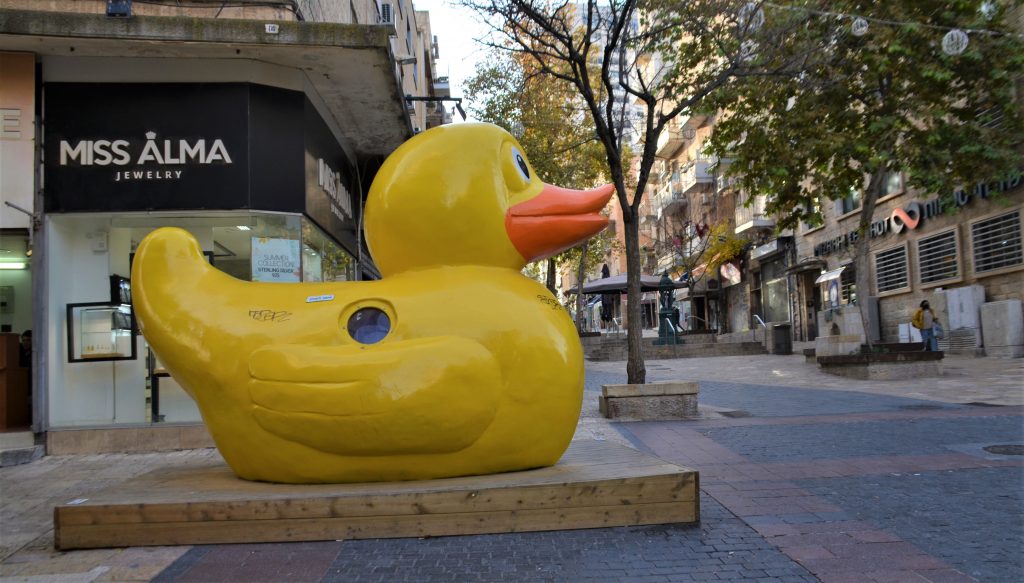
In town was a bloodmobile site and new art pieces, but the clothing stores were closed. The supermarket and WeWork were allowed to be open.

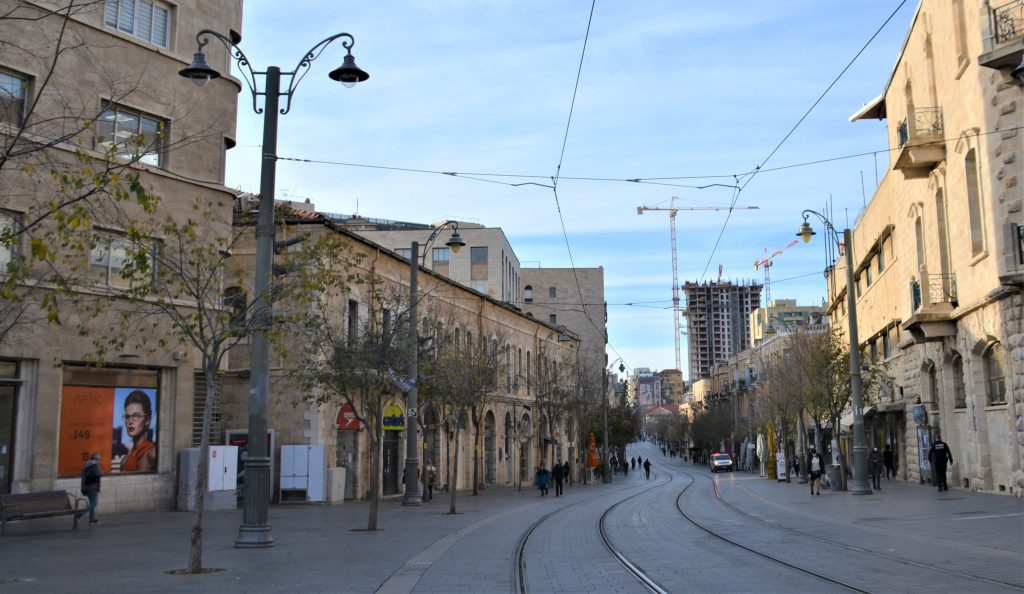
Ben Yehuda Street was basically deserted during the lockdown.

Stores shuttered with people allowed only 1 kilometer from home.

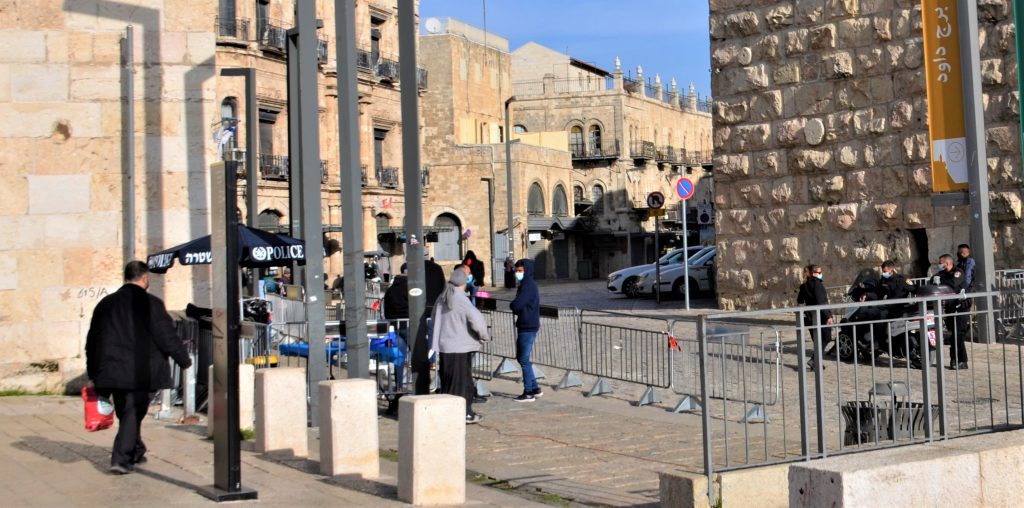
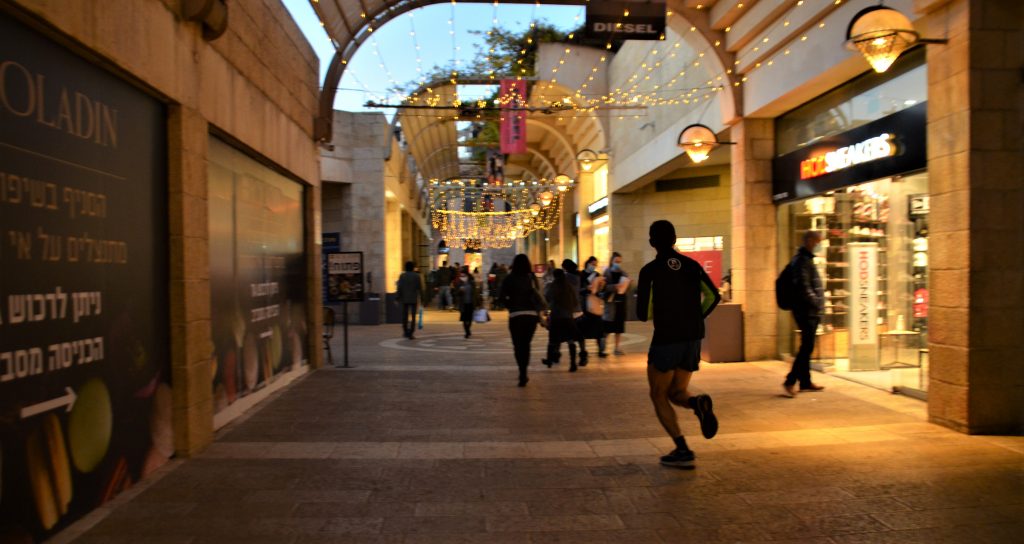
The Light Rail was running, but Jaffa Road appeared midday as quiet as early morning, instead of the busy shopping location it had become.

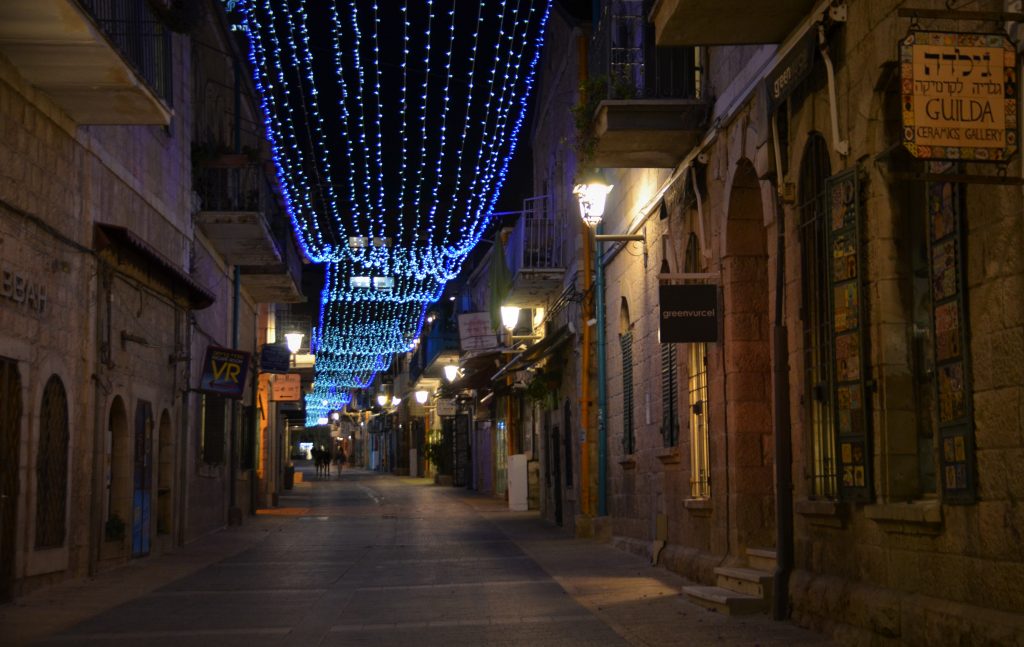
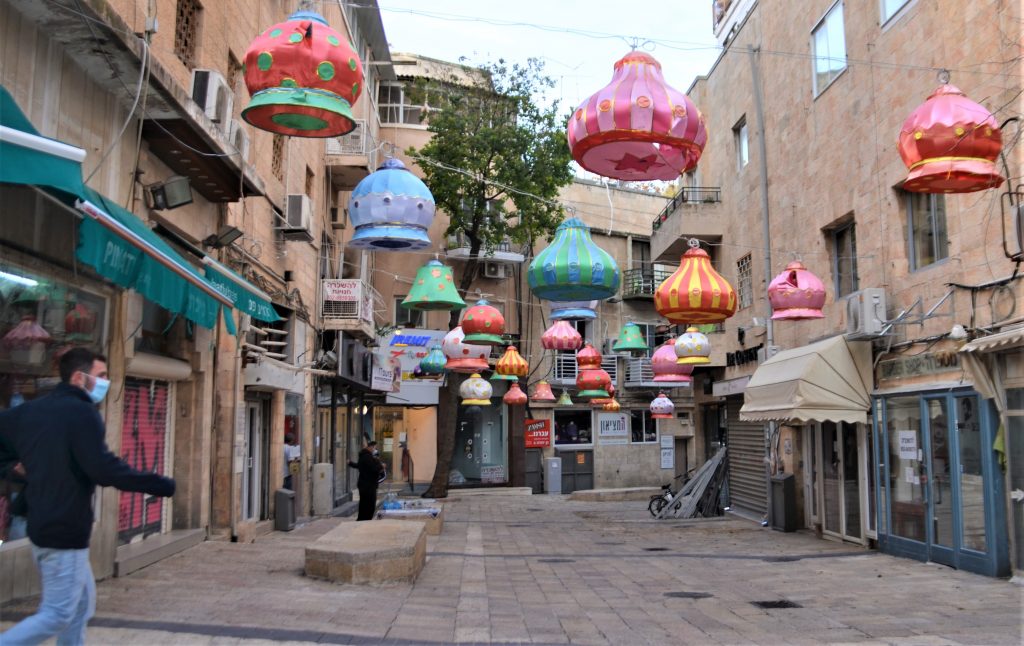
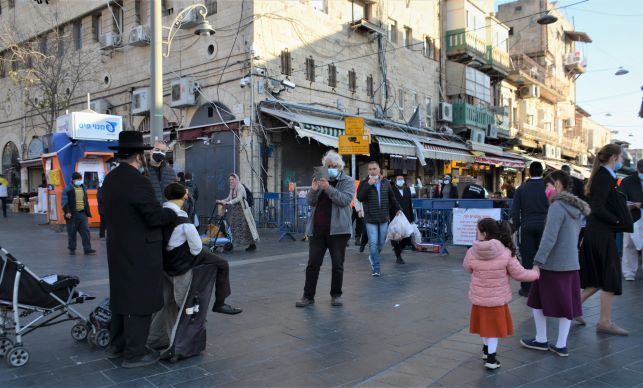
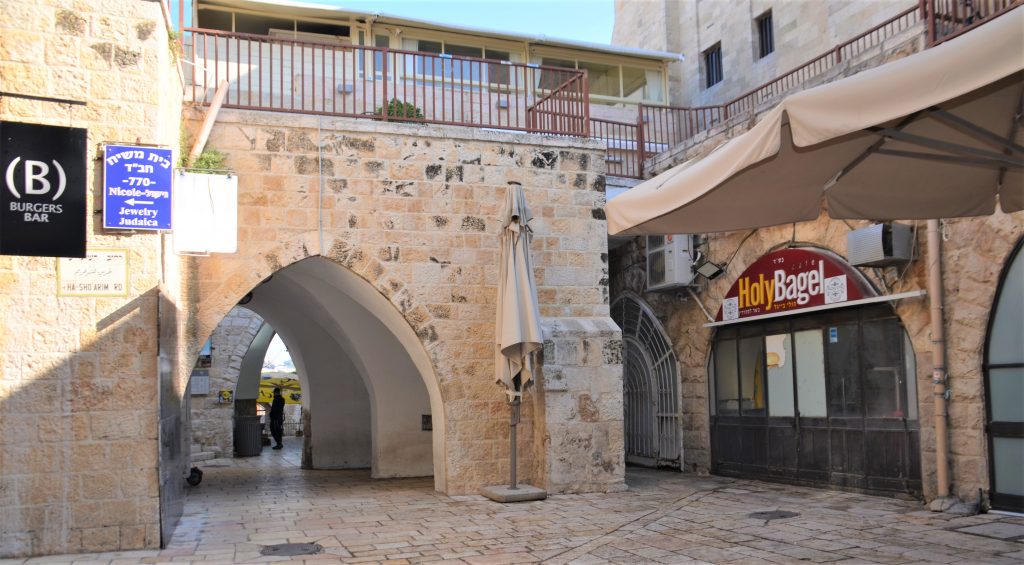
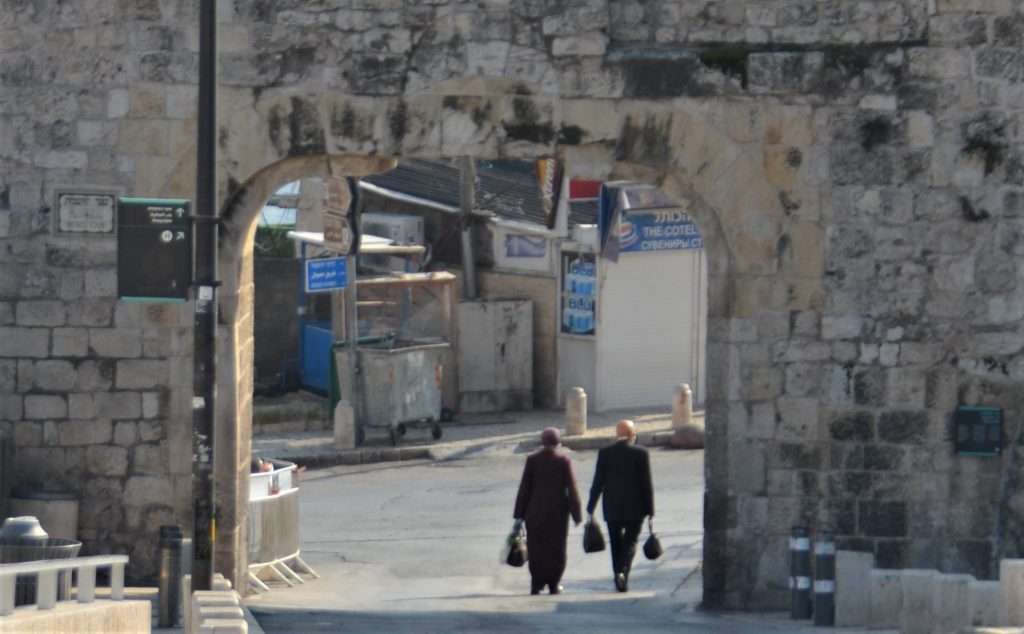
Too many of the Jerusalem streets and alleyways were too quiet.

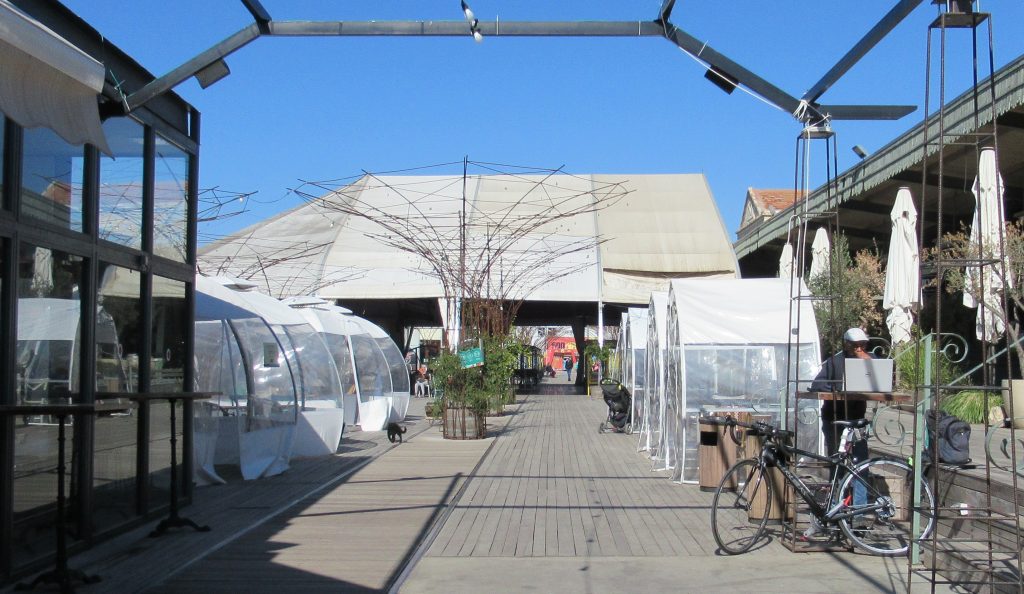
The First Station area has announced a development plan but needs the tourists to come back for businesses to reopen.

This image has an empty alt attribute; its file name is walk-library-UAE-Bah-017-b.jpg

Construction has been ongoing.

But too often it seems to be workers redoing areas where work was just done?

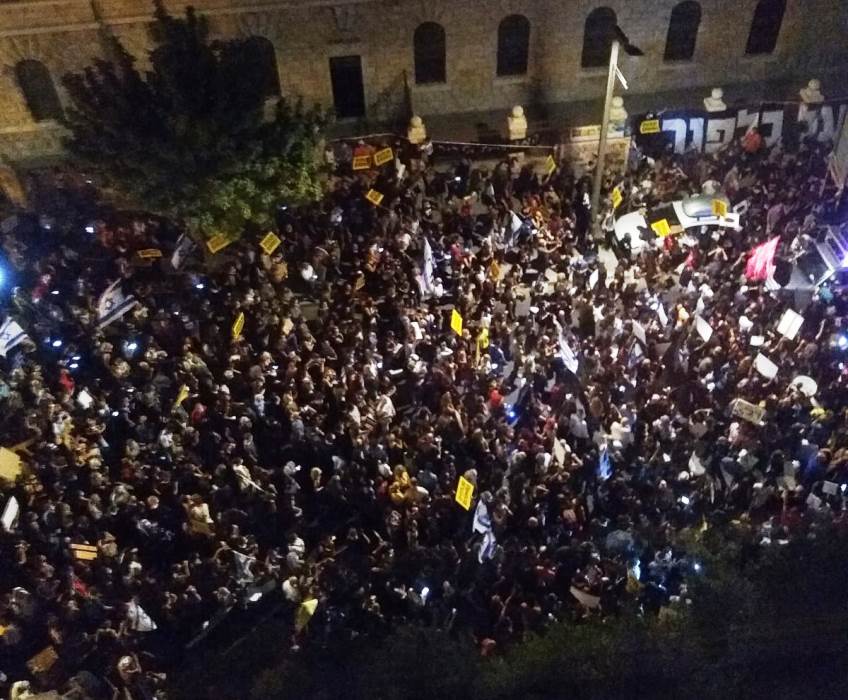
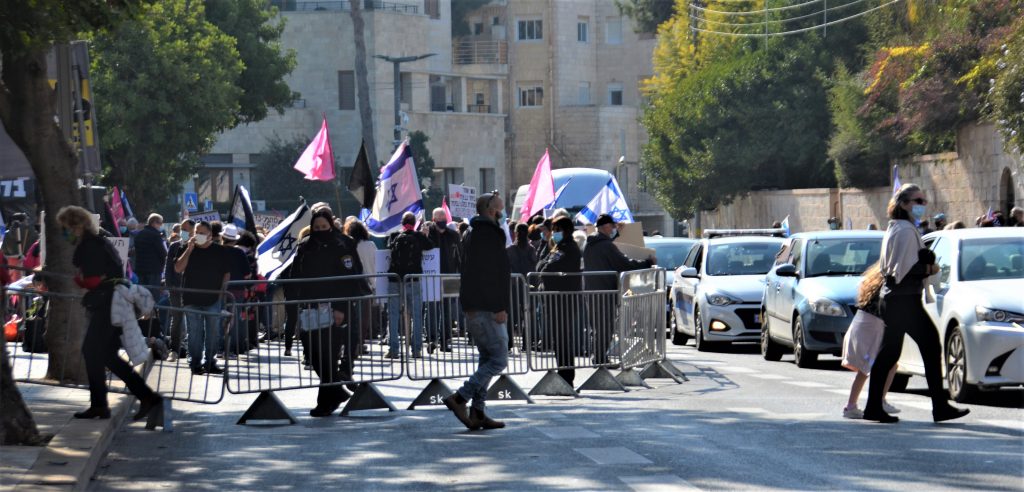
With all the challenges and noisy protests, closings and corona, suffering, and death, I am happy to share, young couples have found new ways to meet with theaters and museums, hotel lobbies, and cafes closed.

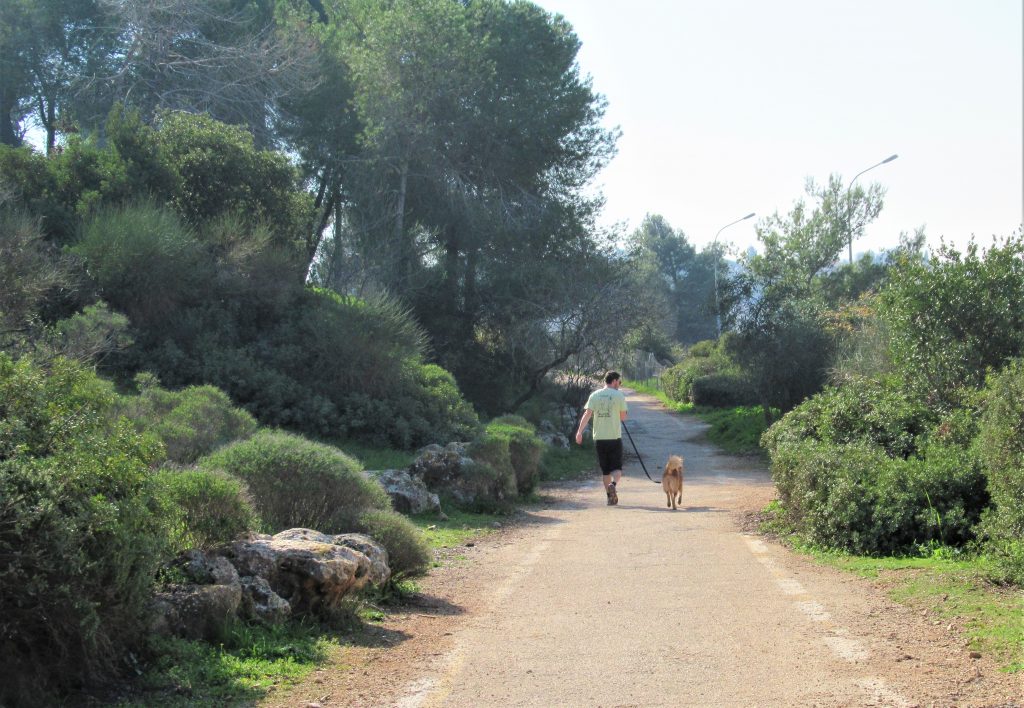
Walking and talking in nature is new norm, with or without a mask.

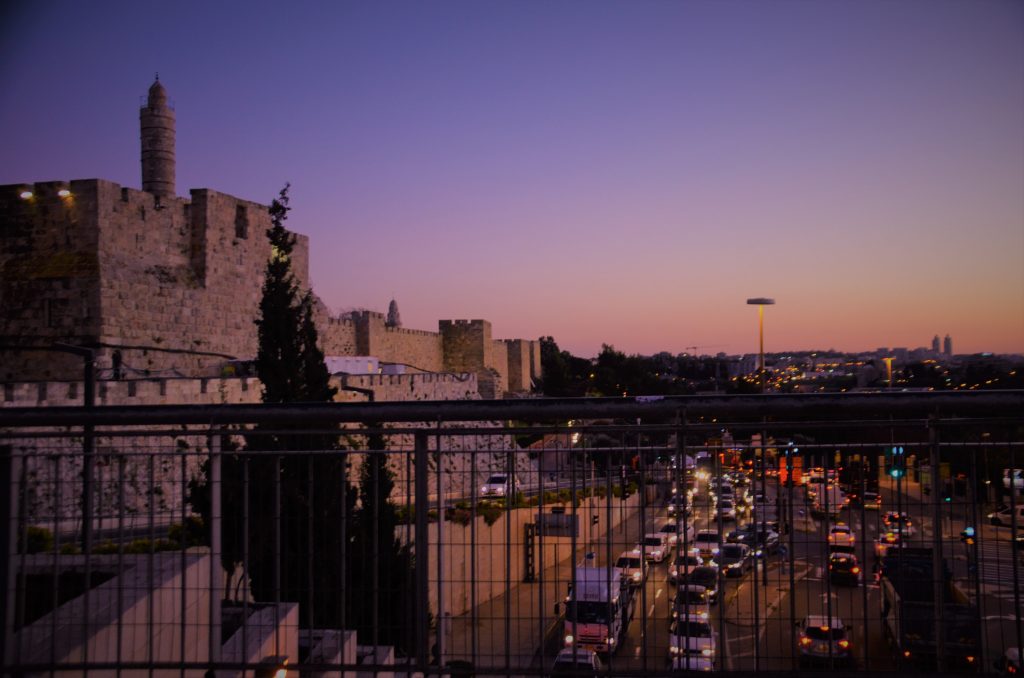
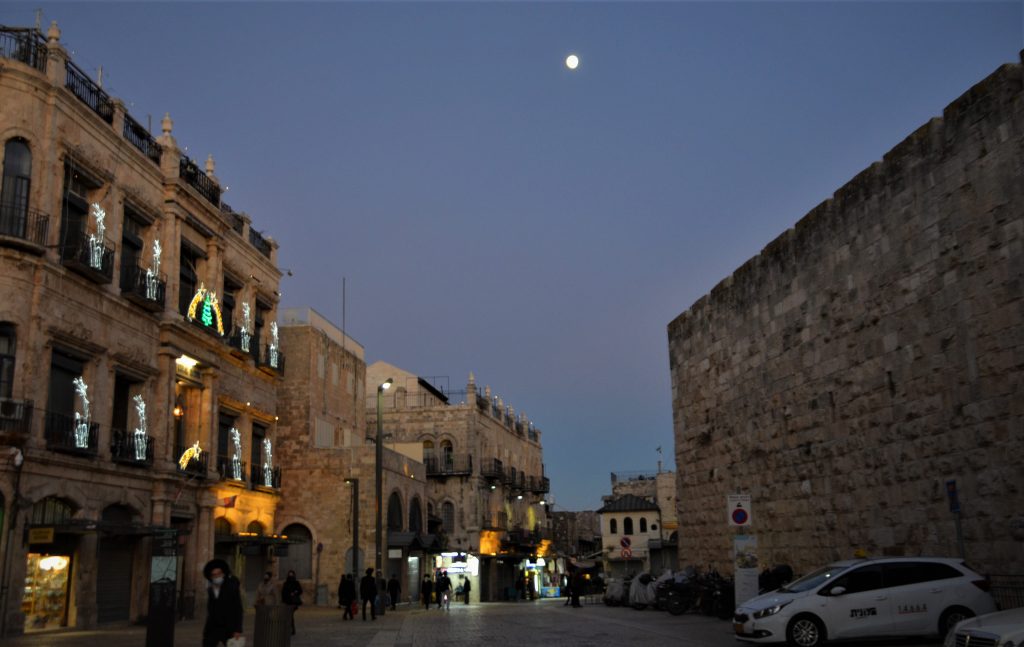
So the clocks have changed, the days are shorter, but the clouds make for colorful sunsets.

Today is Aliyah Day. In spite of a pandemic people have arrived home to Israel on a regular basis, and the number of applications is causing inpatient waiting times.

The real Jerusalem streets – good, bad and not so ugly.

Stay well and hope to see everyone here soon. At least flight times from most parts of the world should be shorter now with flights to Israel allowed over so many new Gulf countries.

Next year in Jerusalem! (or Dubai?)

Sukkot in Jerusalem 2020

Oh, Jerusalem of 2020.

It used to be that “20-20” was an expression for hindsight.

This year of 2020 has taken on a different context with the COVID-19 pandemic. The novel coronavirus has changed the world and certainly life as we knew it in Jerusalem.

Jerusalem, Israel, endured a holiday season so unlike recent years, the excited holiday crowds and tens of thousands of international visitors were missing from the Jerusalem streets.
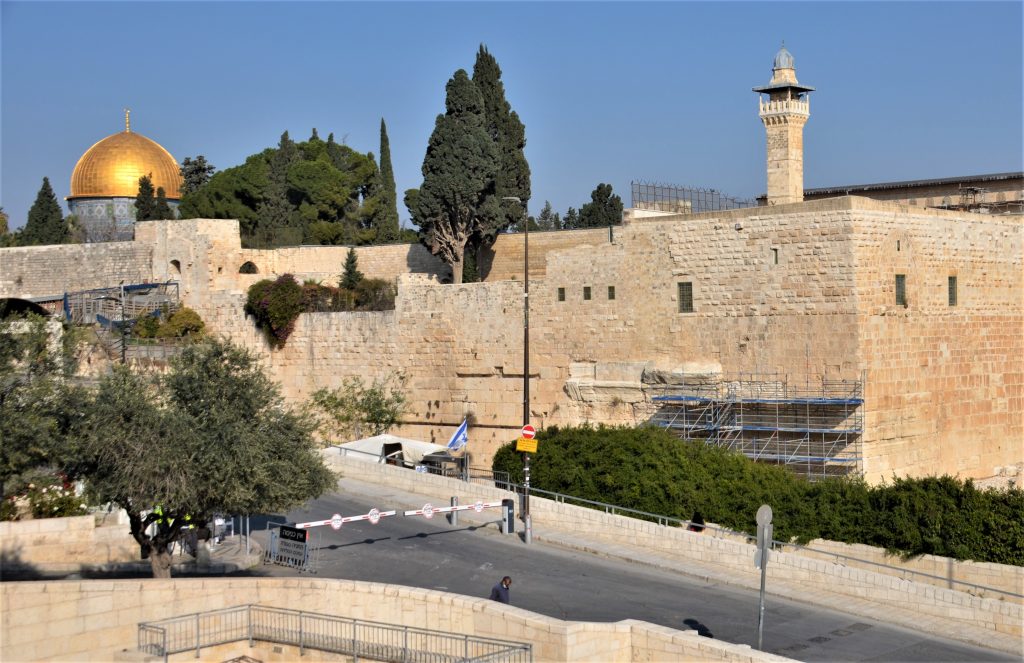
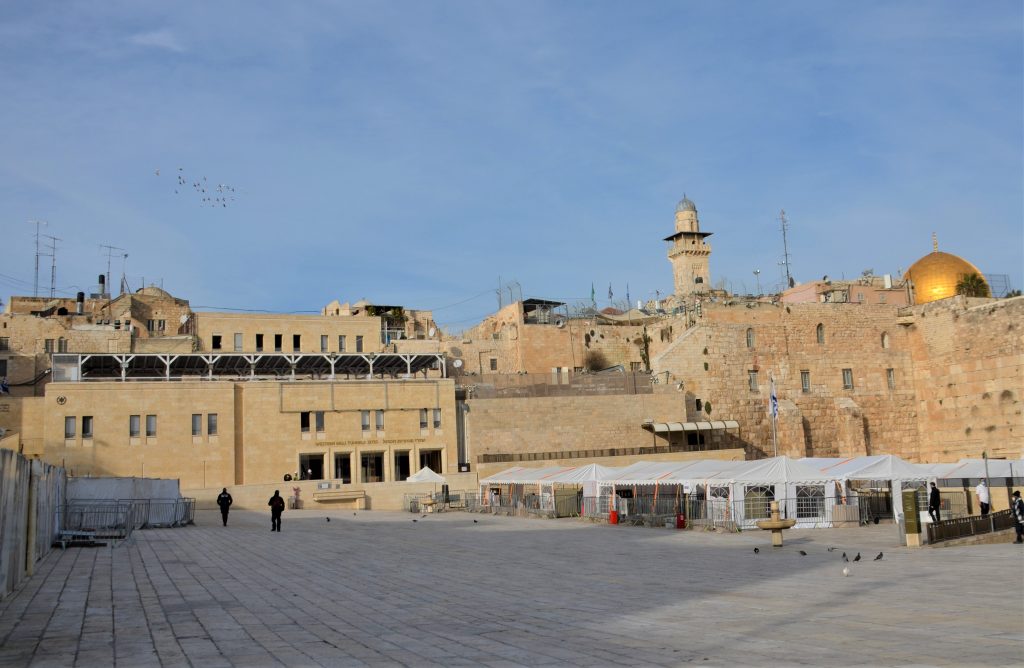
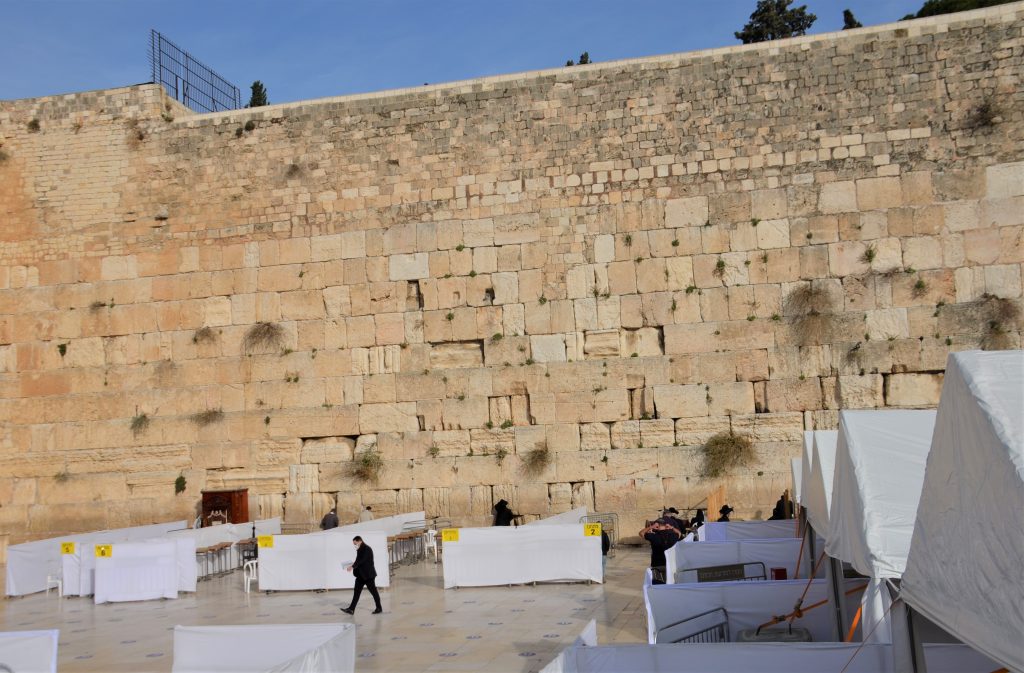
The huge Birkat Kohanim at the Kotel, Western Wall, was extremely limited.

The Israeli Chief Rabbis, Mayor Moshe Lion, US Ambassador David Friedman attended, however, the main plaza was empty. People watched from home on a screen, on Facebook for a live stream of the service.

This image has an empty alt attribute; its file name is Capture-chohen.jpg

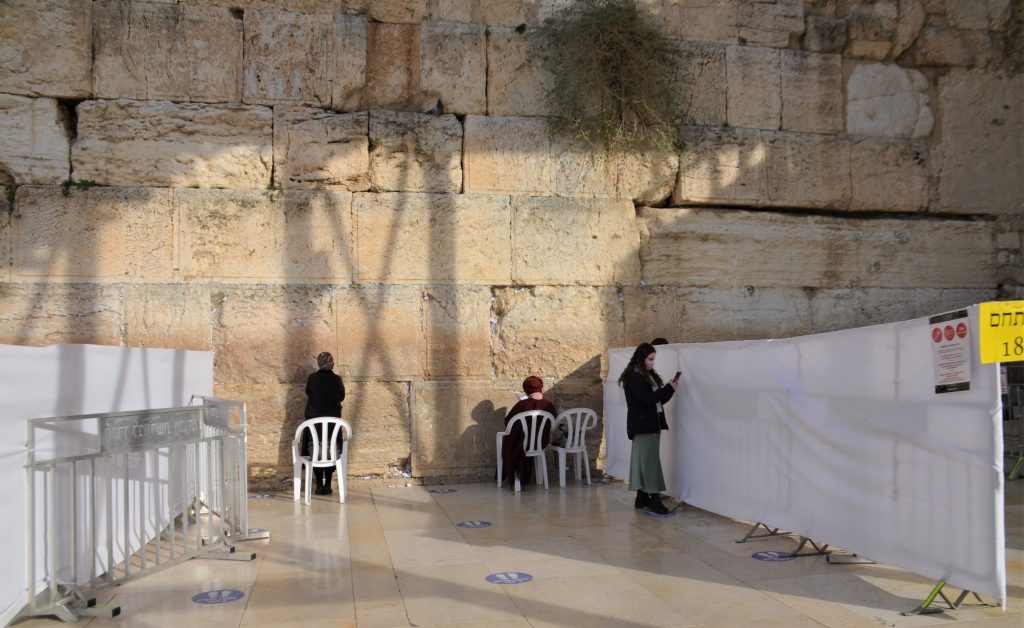
On other days a lone Kohen could be found blessing the small prayer groups. Regulations for the holiday week this year limited outdoor groups to 20 people, and within one kilometer from home.

This was the year for the private home sukkah, tucked away in the garden,

or up on the roof,

in all shapes and styles.

Some sukkot blended into the architecture,

This image has an empty alt attribute; its file name is library-water-home-034-b.jpg

while others were easier to see.

A wooden one on this small porch is an annual sight,

but there seemed to be many more new white walls in driveways this year,

as more people had to stay home and not travel near or far.

They were placed in parking spots next to apartment buildings.

On the last night of Sukkot, I took a walk around the neighborhood and found a friend eating dinner. This “communal” sukkah is shared by many people in the building, but this year families were eating at separate times and not sharing meals.

When I started going each year, President Shimon Peres was at Beit Hanasi, hosting the Israeli President’s sukkah which was open to the public.

But this year, President Rivlin missed out hosting the public, and the “open sukkah” was a two-hour program online, which included

the Israel Space Agency, a program involving young Israelis.

The little Professor G got my vote as the cutest presenter.

Photo credit: Aleksandr Tokar

Even the sukkah at the Kotel Plaza, though brightly lit, was much smaller this year and was used only by those who lived near by.

Instead of running around all night long in Jerusalem to attend classes, now one can sit anywhere in the world and zoom in and out to learn Torah.

This year went online for dozens of lectures for Hashana Raba.

And music – last year Akiva Tourgeman was singing at Beit Hanasi, this year he was on Israeli TV.

This year Tourgeman was on stage for Hashana Raba televised concert.

Yemima Mizrachi spoke and introduced Jerusalem Mayor Moshe Lion and other performers on the outdoor stage for an online Hashana Raba event.

This was the year of the small sukkah and even smaller holiday businesses.

Hoshanot at the Kotel, were seen live on Facebook and now on YouTube.

The Jerusalem March with tens of thousands from around the world coming to show love for Jerusalem did not happen.

The Bible Marathon was run online, not over the Judean landscapes.

Tourism which had been in the millions of visitors, went down to zero.

Small business owners have really been suffering with forced closings.

This was a year to find simple pleasure in nature close to home.

Repurposed unused school lunch bags made into a sukkah decoration.

Of immediate family time together,

seeking quiet time and some sun up on the roof,

or on a rock in the park for solitude.

The Sukkot and Simhat Torah under corona limitations for many were at home, home alone without the usual dancing and large parties.

None of the crowds of past years.

Oh, Jerusalem of 2020!

The sun set on another holiday season so different than last year.

Sukkot 2020 one to remember or one to try and forget?

Next year in Jerusalem.