Passover 2026 under missile fire, remembering years in bomb shelters

How was this Pesach, Passover, different than all other years?

This year in Jerusalem, we organized for the holiday between alerts, sirens, and seeking shelter from Iranian and Hezbollah missiles. The cluster fragments spread far and wide, causing damage; not all of them were reported. Thankfully, most people followed instructions and were not killed. However, many were injured running to shelters.

As of after Shabbat, according to MDA, 1,226 people were injured on their way to shelters, and 3 were killed; 26 of those injured were involved in road accidents after stopping on the side of the road during the siren.
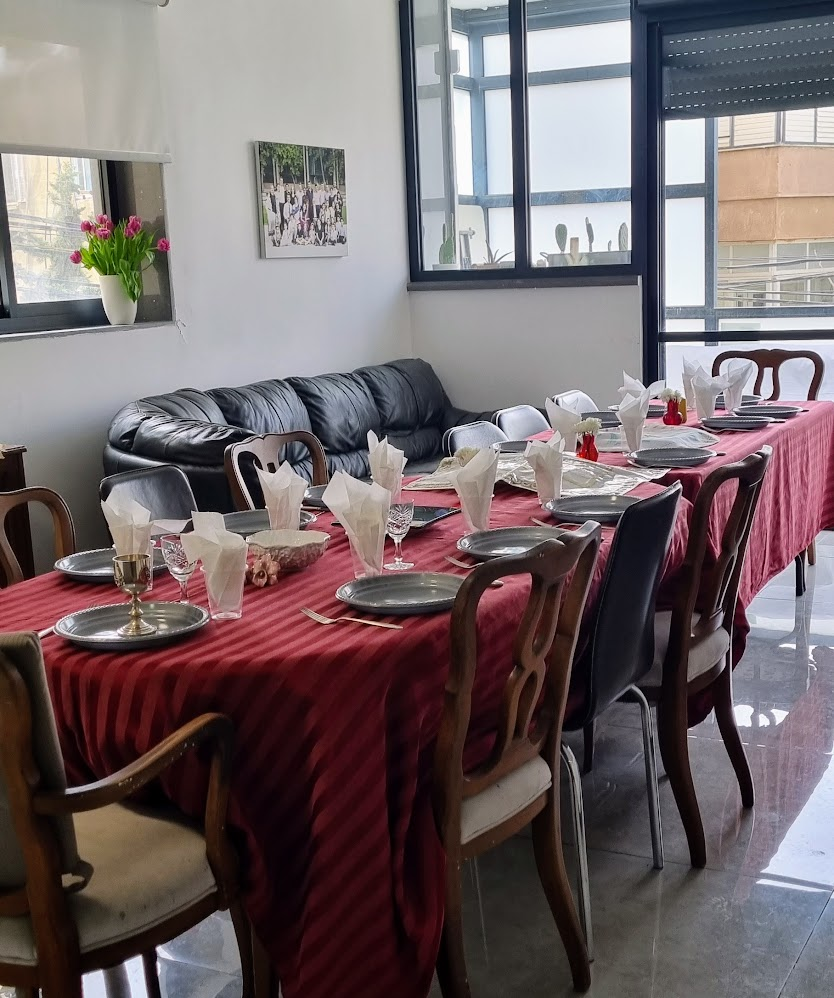
We were able to host some of the family for lunch without having to go to the shelter.

Though later in the day, there was a siren loud enough that we did go, and left only after the booms stopped.

It reminded me of a visit to southern Israel in 2012 to photogragh a solidarity mission.
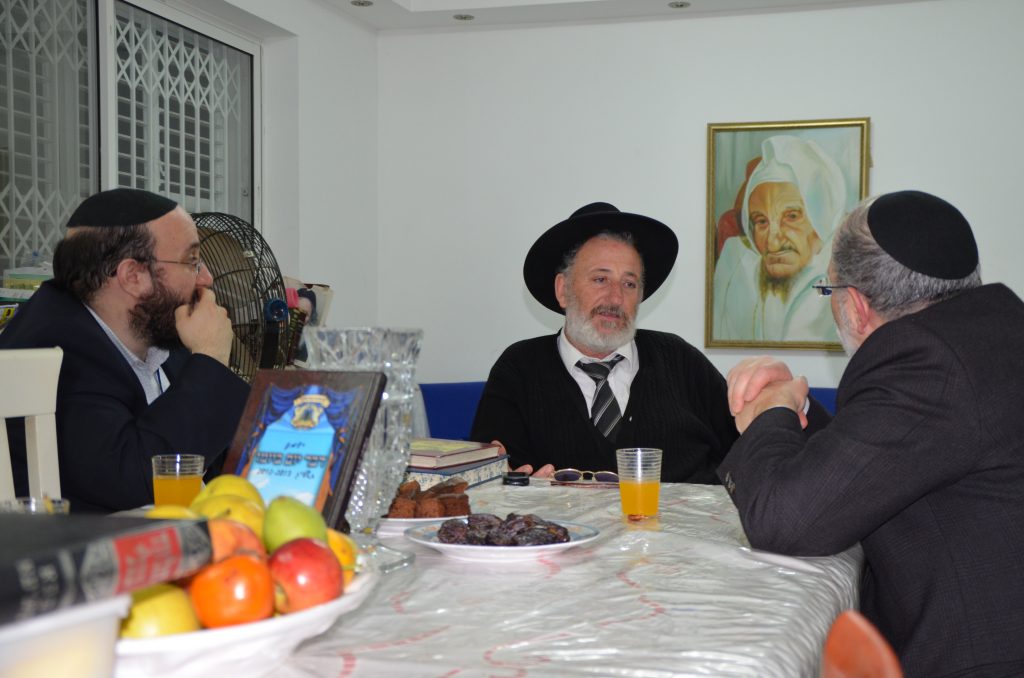
As the US rabbis spoke with the rabbi of a small Israeli moshav under rocket fire from Gaza, a red alert was sounded.
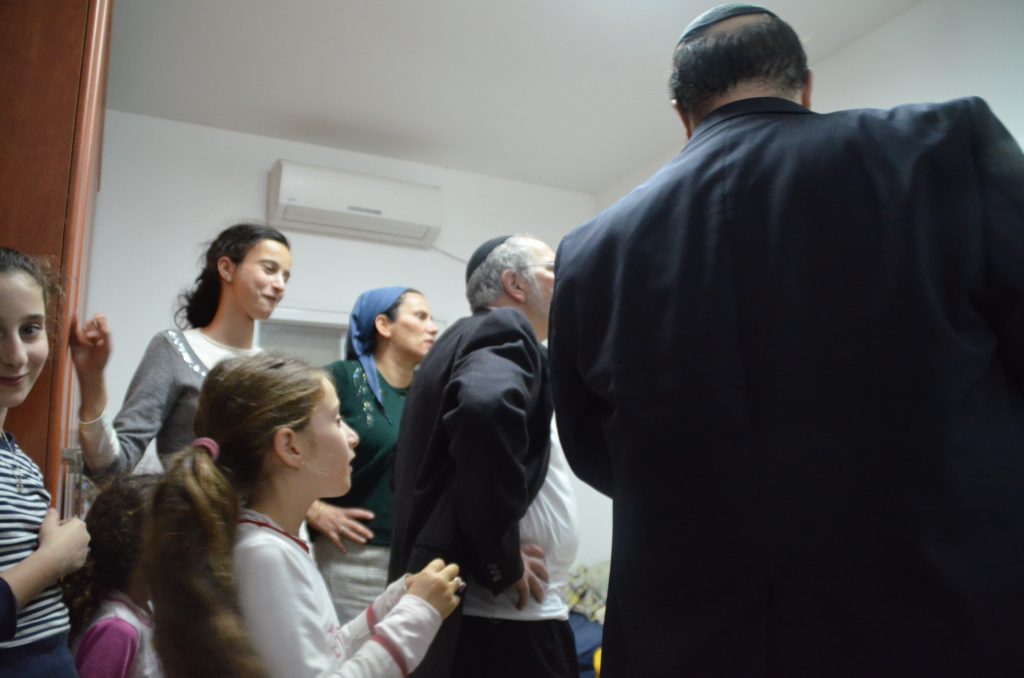
We all crowded into the family safe room. It was the bedroom of the youngest children, so they would not have to be moved when the alerts were sounded in the middle of the night. The twin girls were used to the sounds and sights, but not so many people crowded into their room. The mother announced where the rocket landed after hearing the boom. We exited the safe room and continued with the meeting and tour back to Jerusalem.

As we sit in our shelter, hearing the booms, we are becoming used to the sounds and guessing the proximity. One should question that this has become a new “normal” of life.

Jerusalem has been “lucky”?

The number of missiles launched from Iran and Hezbollah in Lebanon to northern Israel, including Tel Aviv, has not stopped, day and night.

We got through the seder without interruption and walked home safely.

The Passover table was ready for the Pesach seder, with “Vehi Sheamda” (והיא שעמדה), the song from the Passover Haggadah, sung during the Seder to represent Jewish survival and faith. It states that not just one, but many enemies in every generation have tried to destroy the Jewish people, yet God rescues.

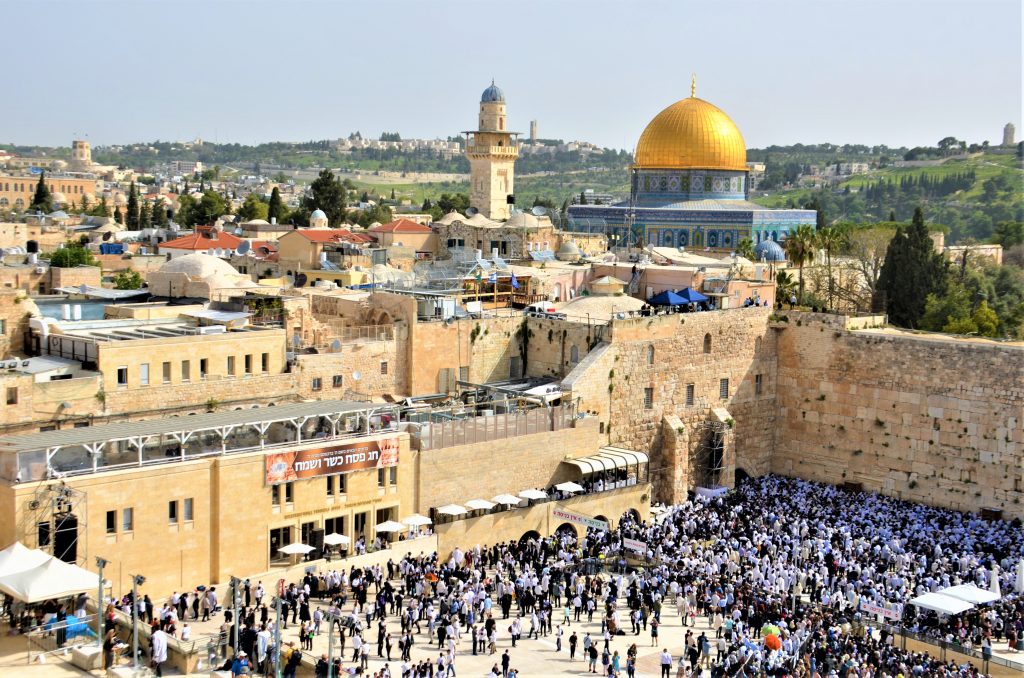
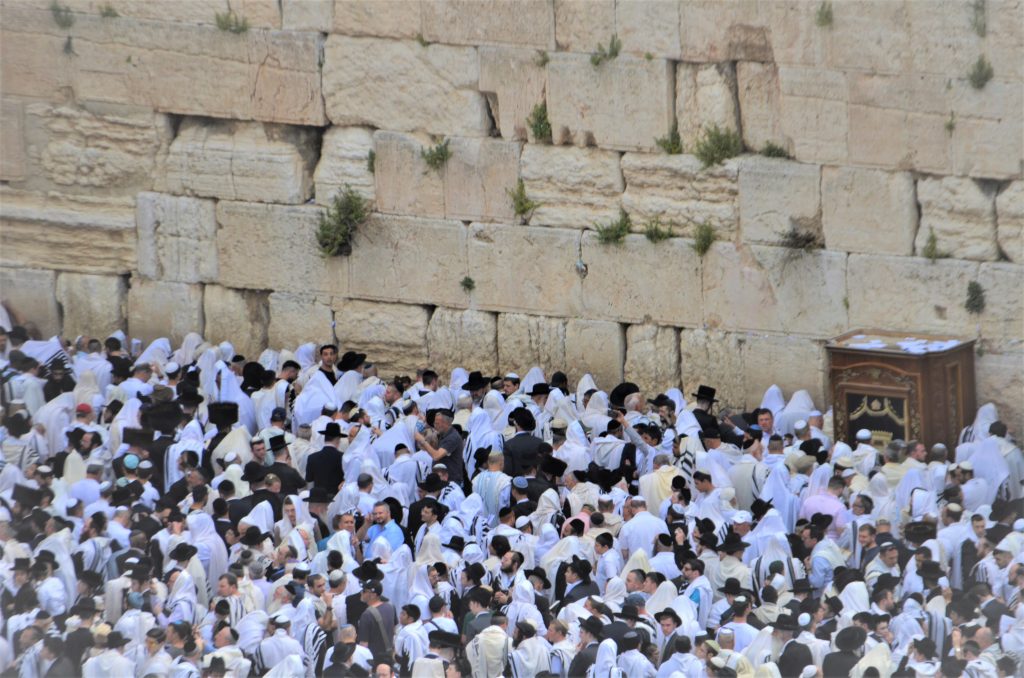
This year, with cluster missiles and ballistic missiles from the regime in Iran, gatherings have been limited to 50 people and must be near a shelter. The annual large Birkat Cohanim, Priestly Blessing, was limited to the covered space of Wilson’s Arch, next to the Kotel, Western Wall plaza, which was empty as it has been for over a month during this current war.
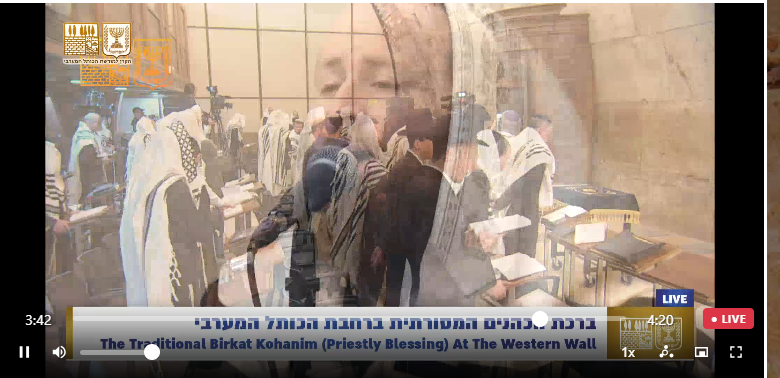
It was broadcast live and is on YouTube.
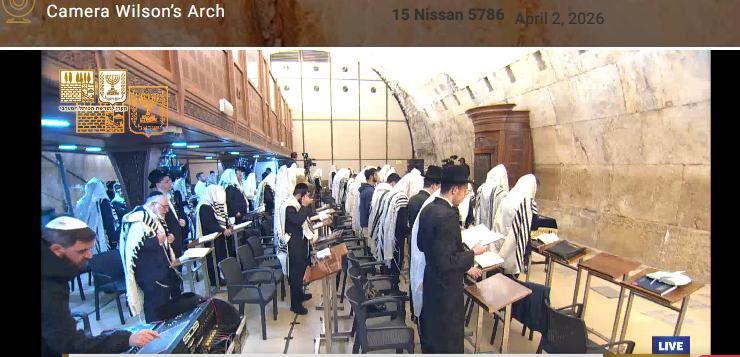
A limited number of men were downstairs; the women’s section is the balcony above.
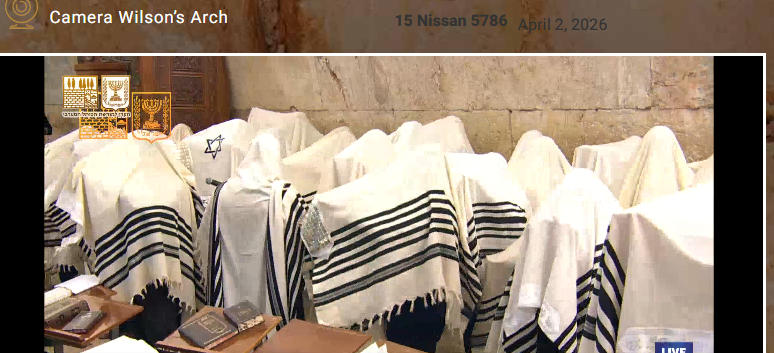
The blessings were recited.
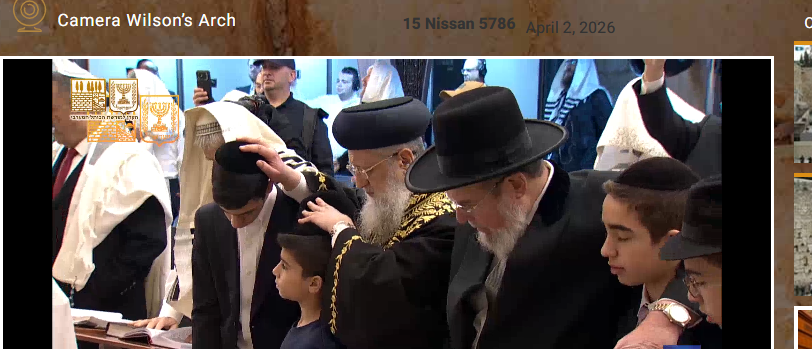
The chief rabbis and their families arrived.
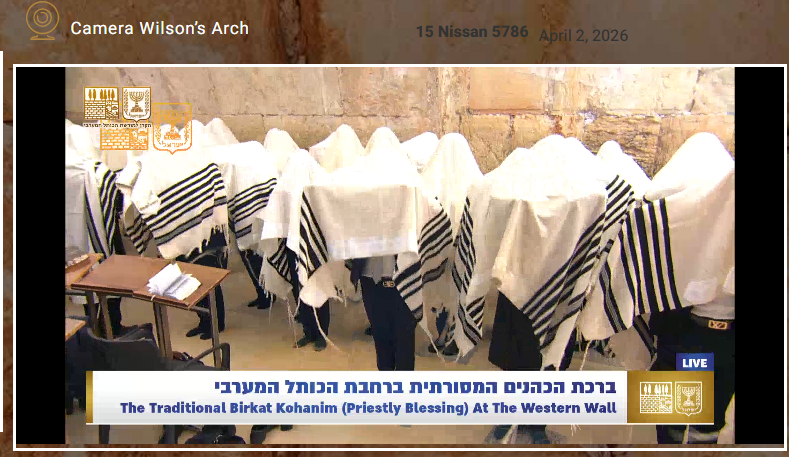
While the blessing from the Western Wall did take place this year,

it did not compare to the Birkat Cohanim of past years.

The seder ends with “Next Year in Jerusalem!”

The message felt more relevant than in past years.

Next year in Jerusalem for all who were not able to be here this year.
How is this Passover Different than all others?

Passover, Pesach how is this Passover holiday 5784/2024 different from all others?

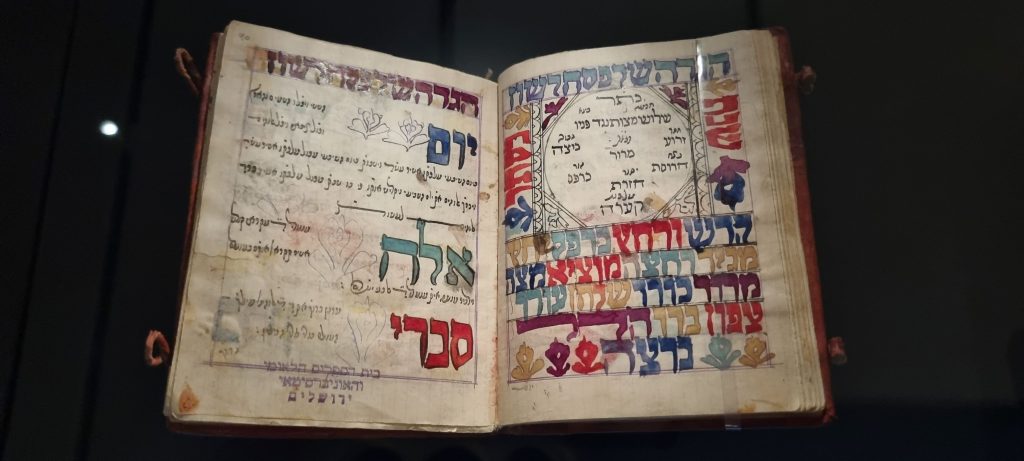
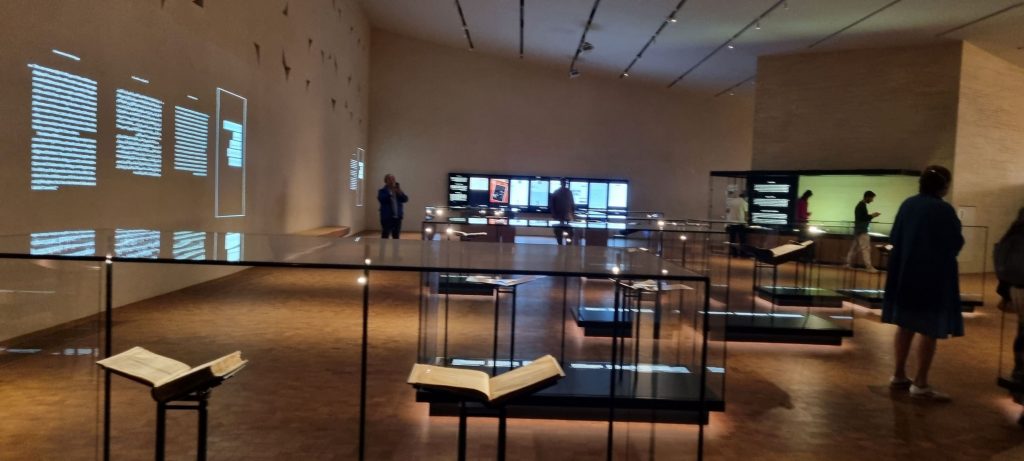
The new National Library of Israel was open and offered organized tours. This room is filled with unique volumes and ancient works in a modern technological setting.

There is an old colorful illuminated Haggadah used for Passover in the past.

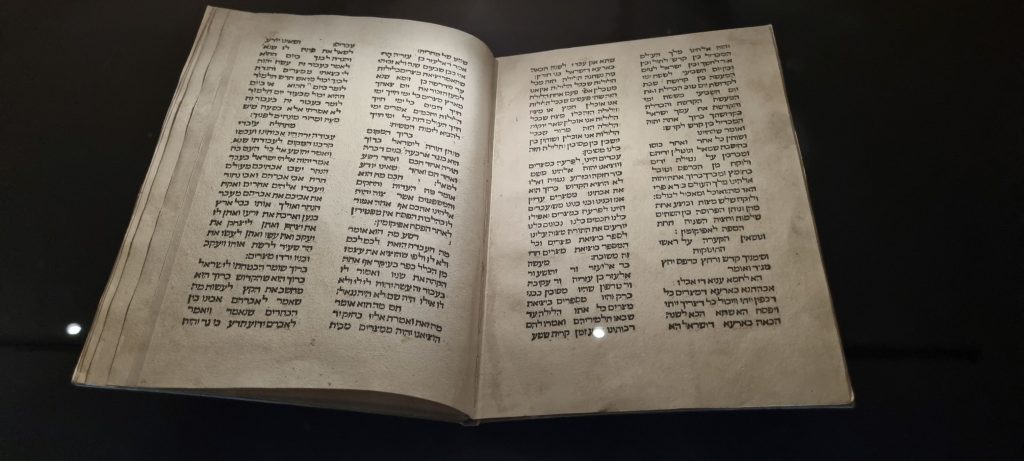
This is the only surviving copy of the first Haggadah printed, in Spain in 1482.

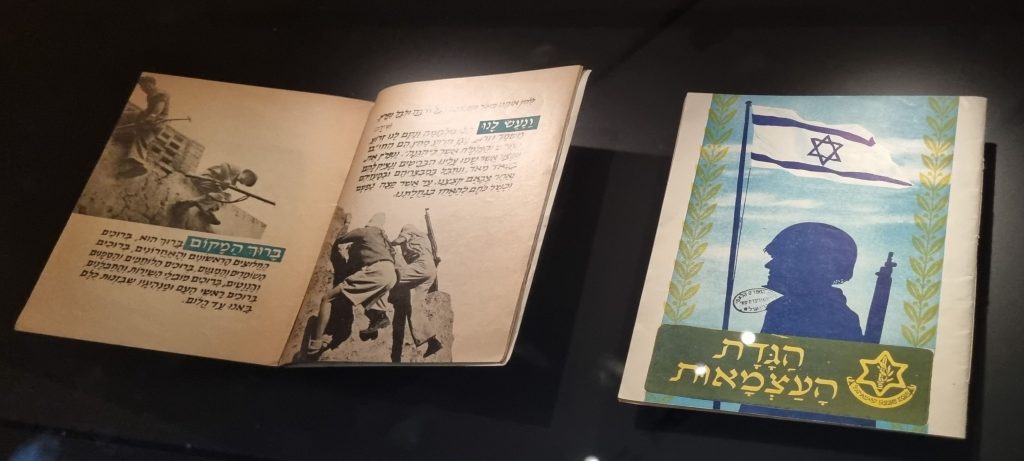
There are also on display two printed in 1952 for the IDF. After 10,000 copies were printed, this secular version which removed Divine deliverance was suppressed at the last minute. Prime Minister Ben Gurion had them collected and destroyed, with only 20 copies surviving.

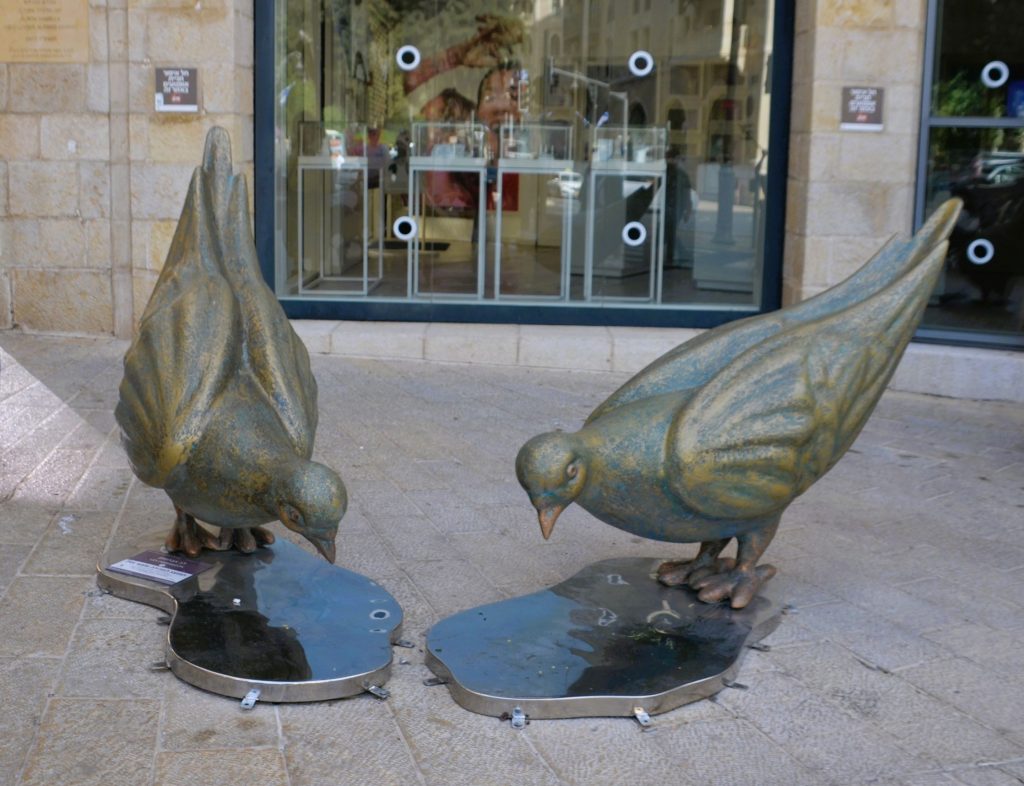
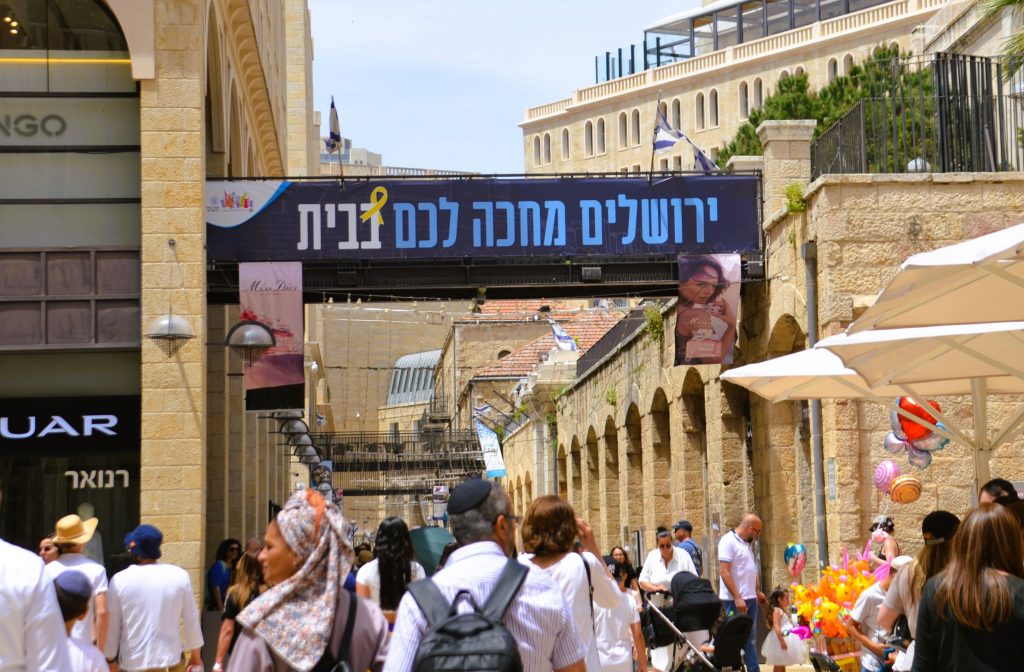
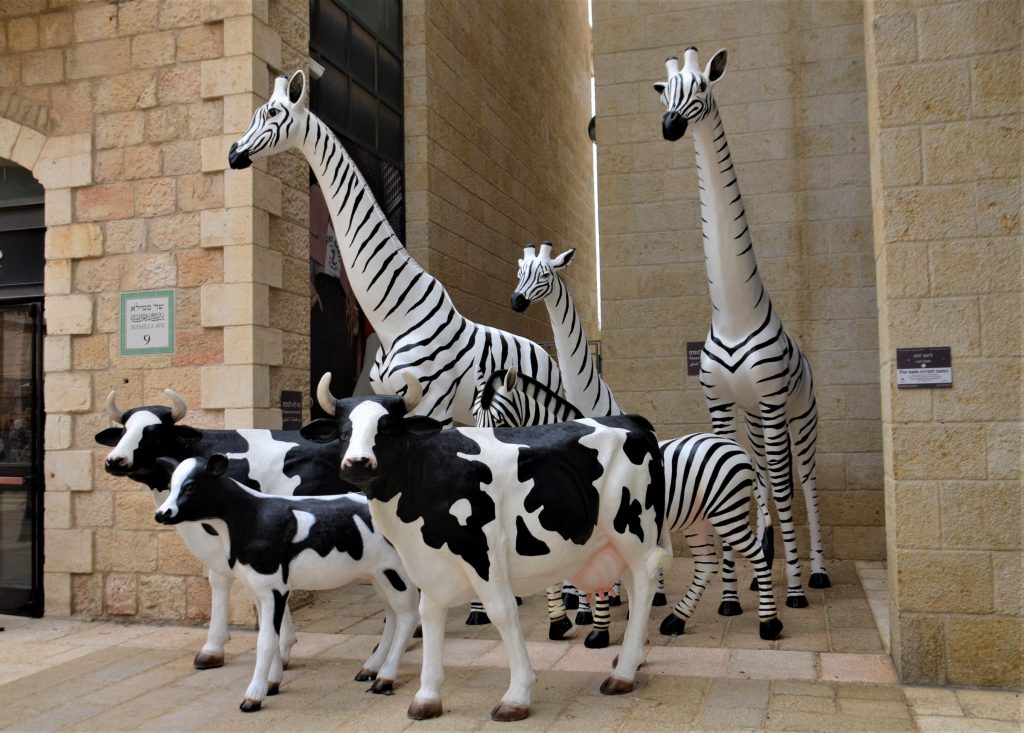
The National Library was not the only busy place over the holiday time, Mamilla Mall had new art pieces.

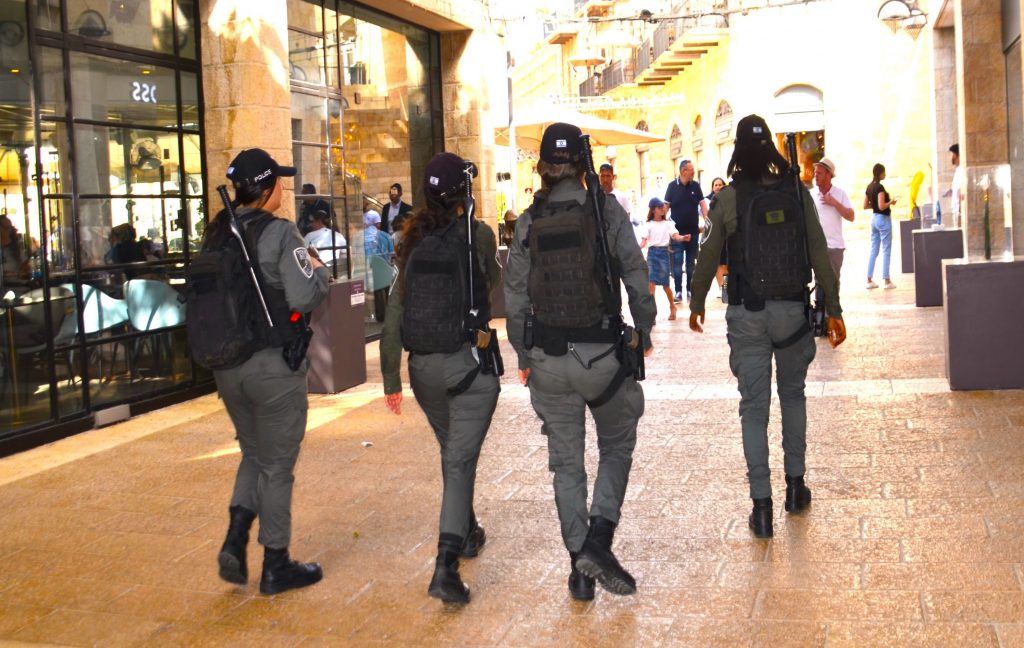
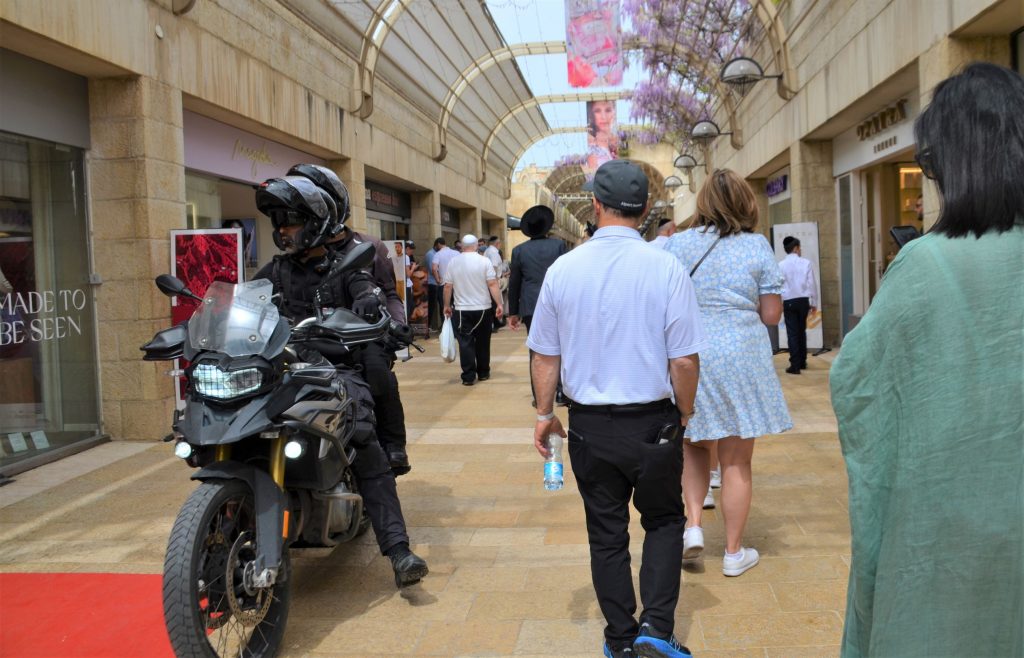
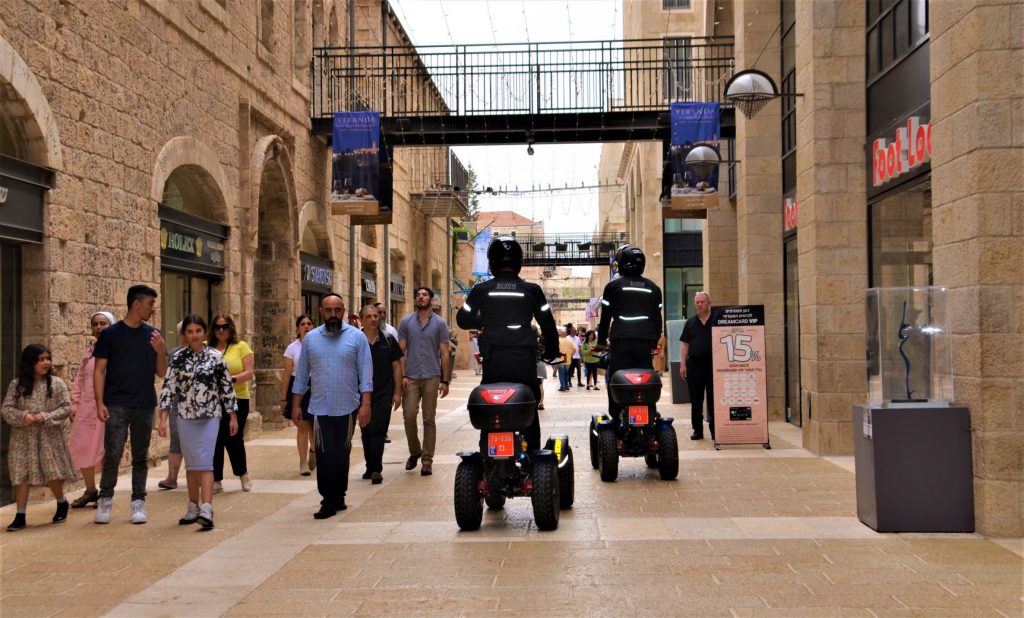
Extra security was visible in Mamilla Mall and at other popular tourist locations.

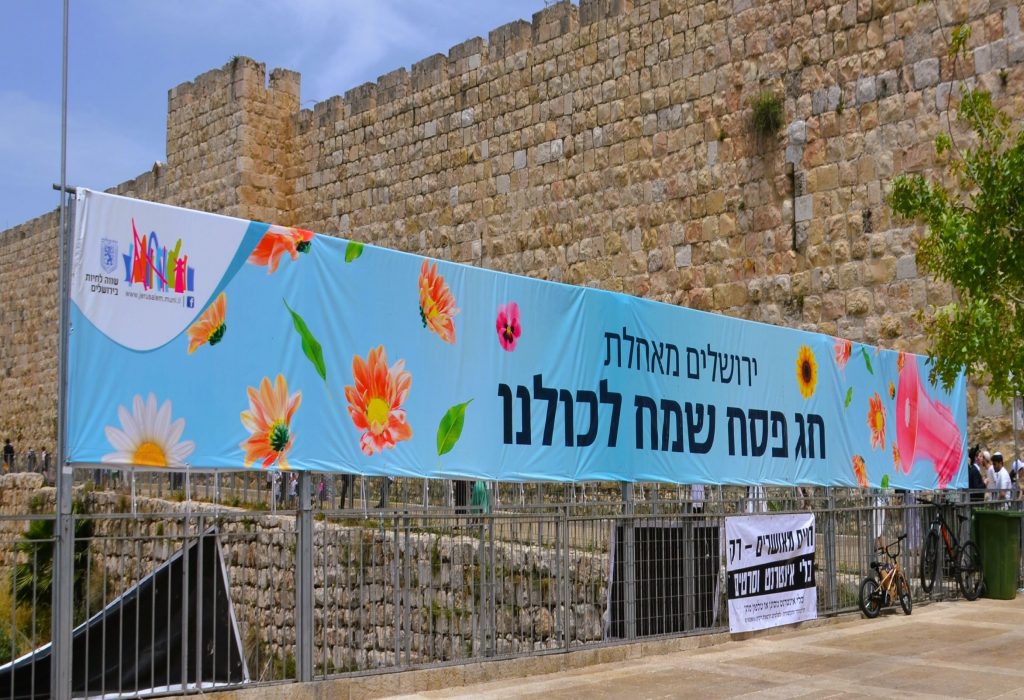
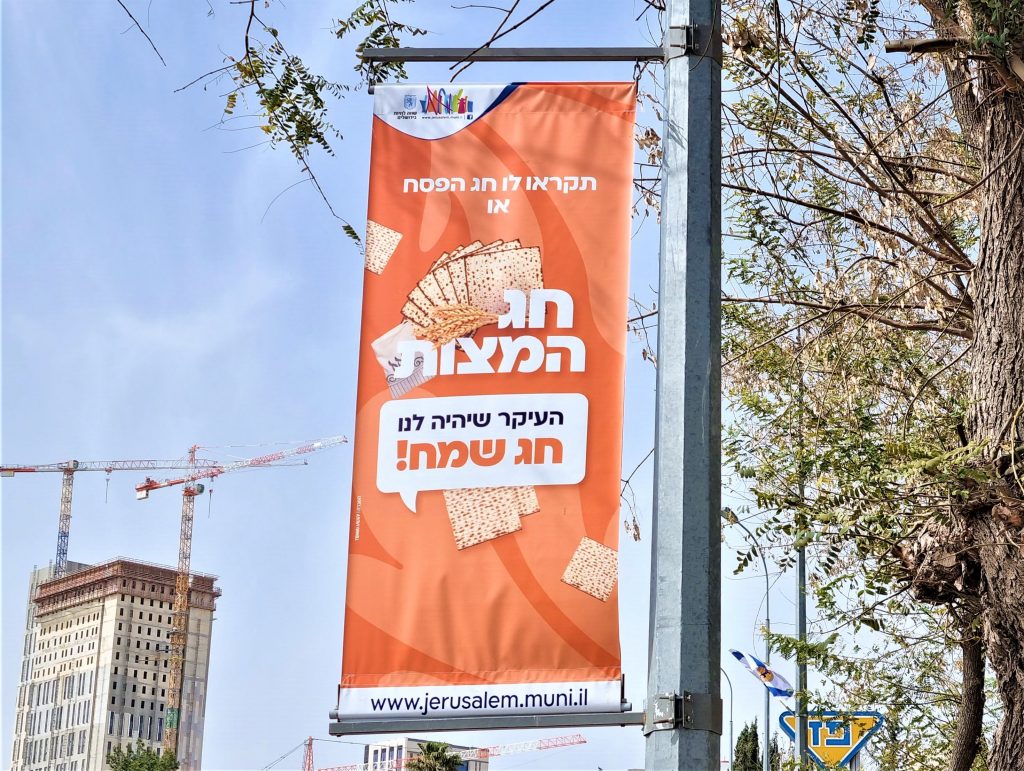
The sign near Jaffa Gate welcomed all with greetings for a Happy Passover.

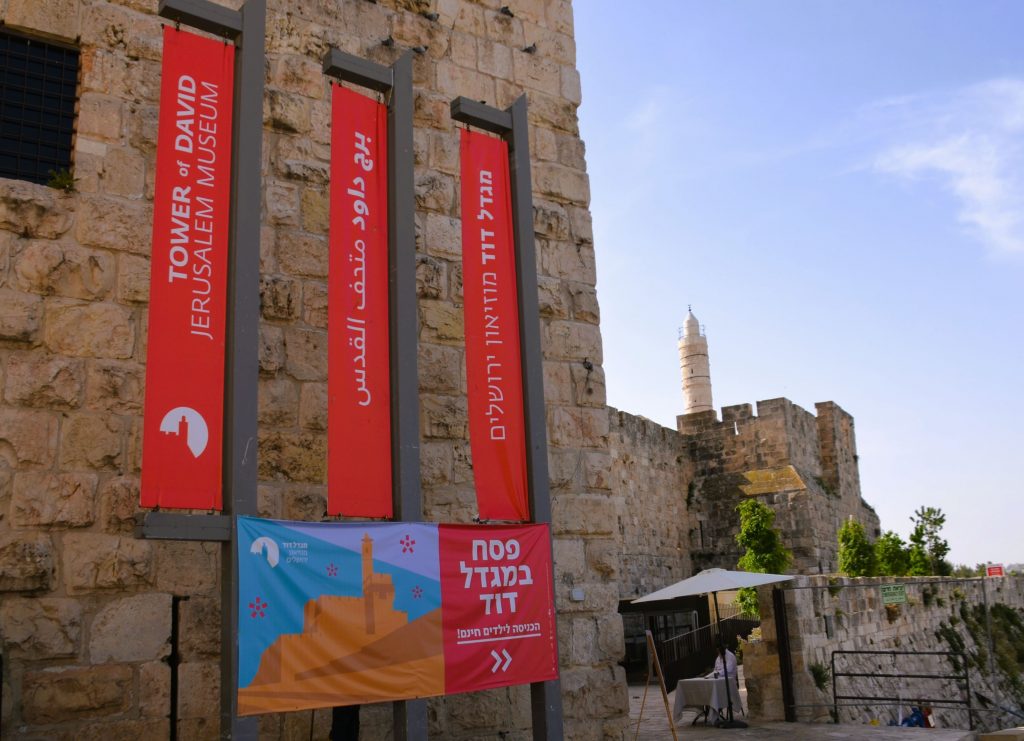
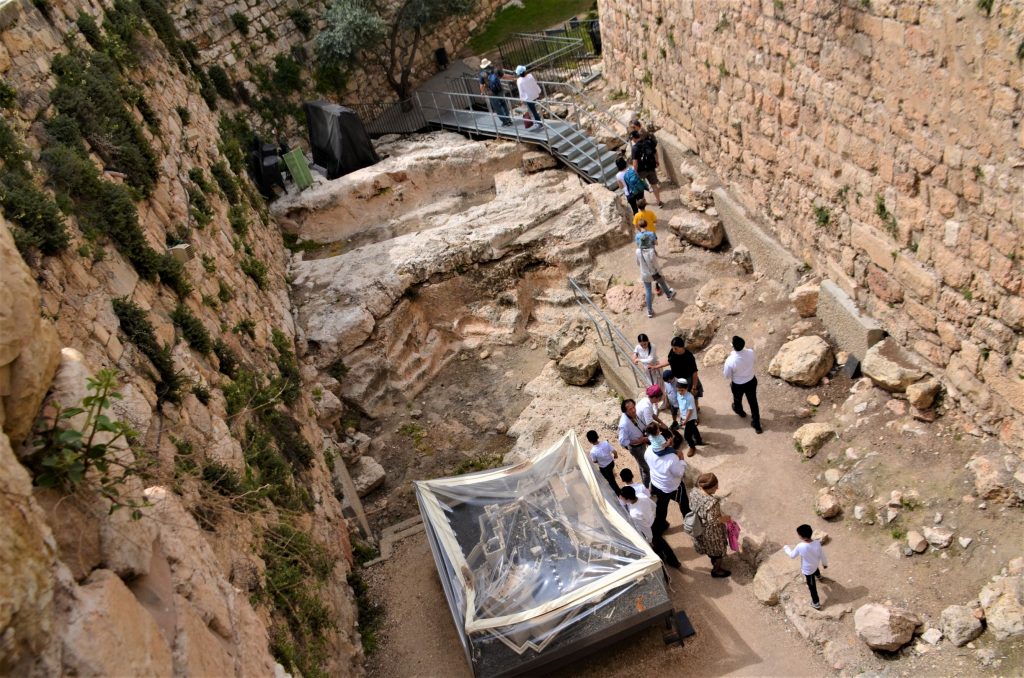
Once again dozens of museums throughout Israel were open, including the Tower of David Jerusalem.

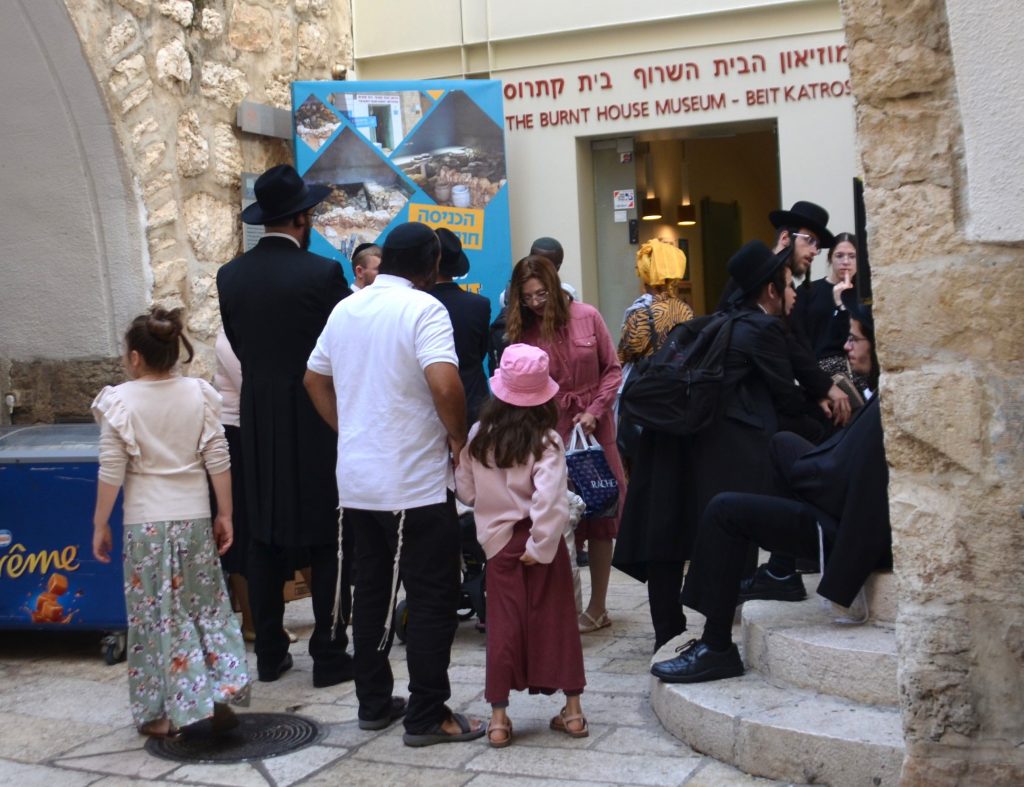
The Burnt House Museum in the Old City was also one open without an entrance fee.

It was good to be inside on the extremely hot intermediate days of Passover this year.
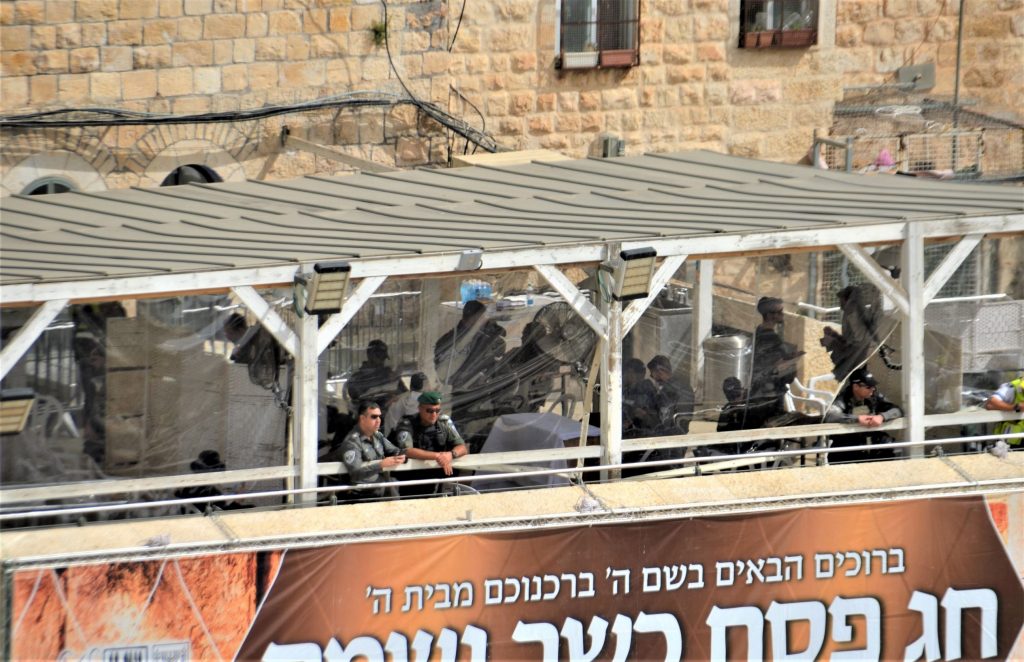
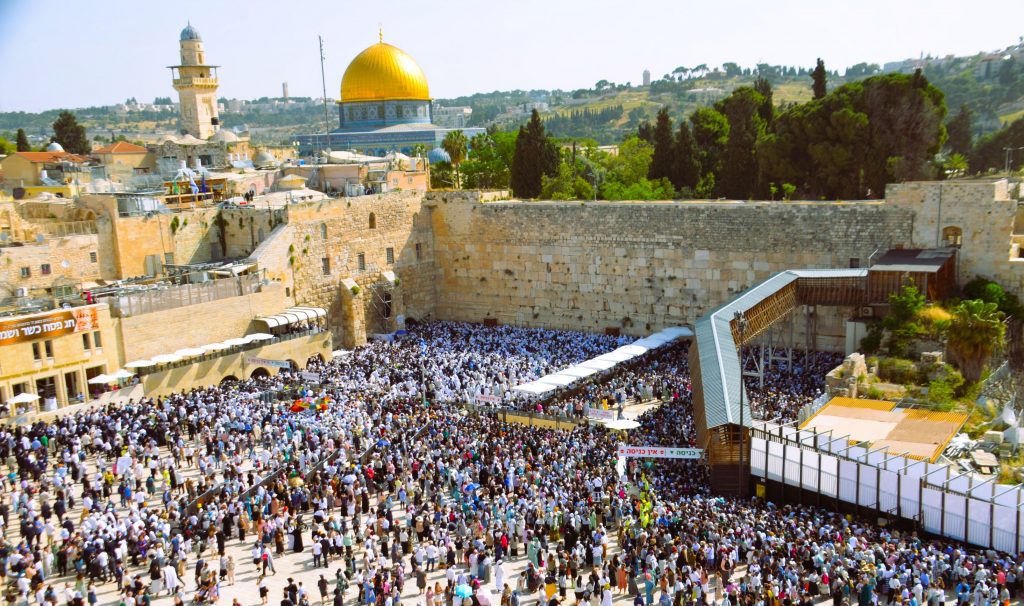
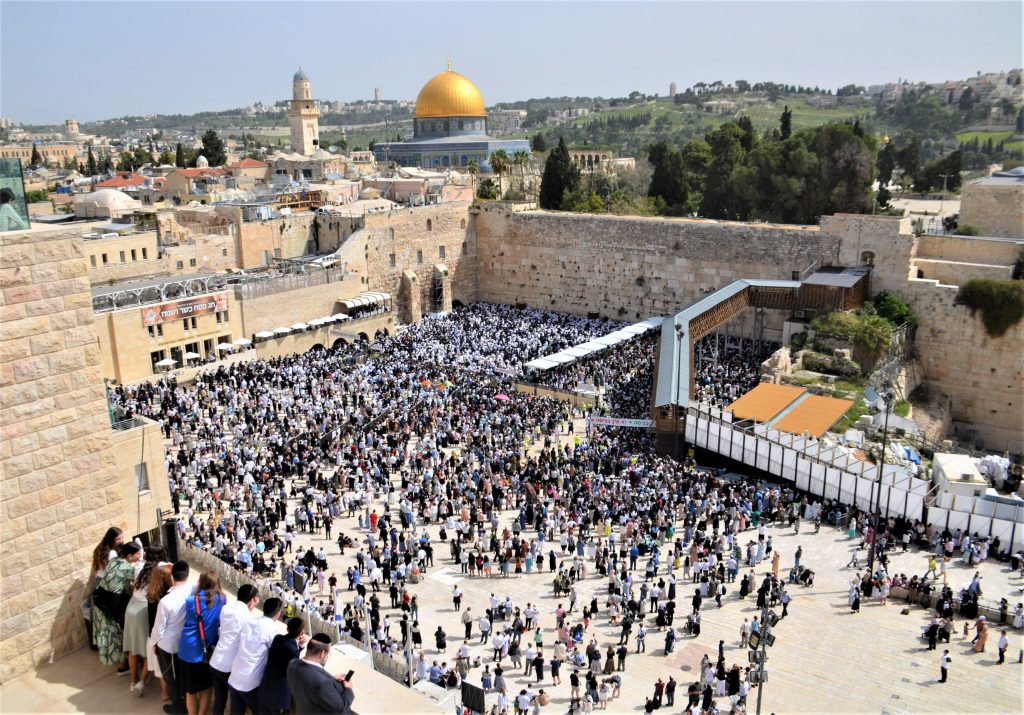
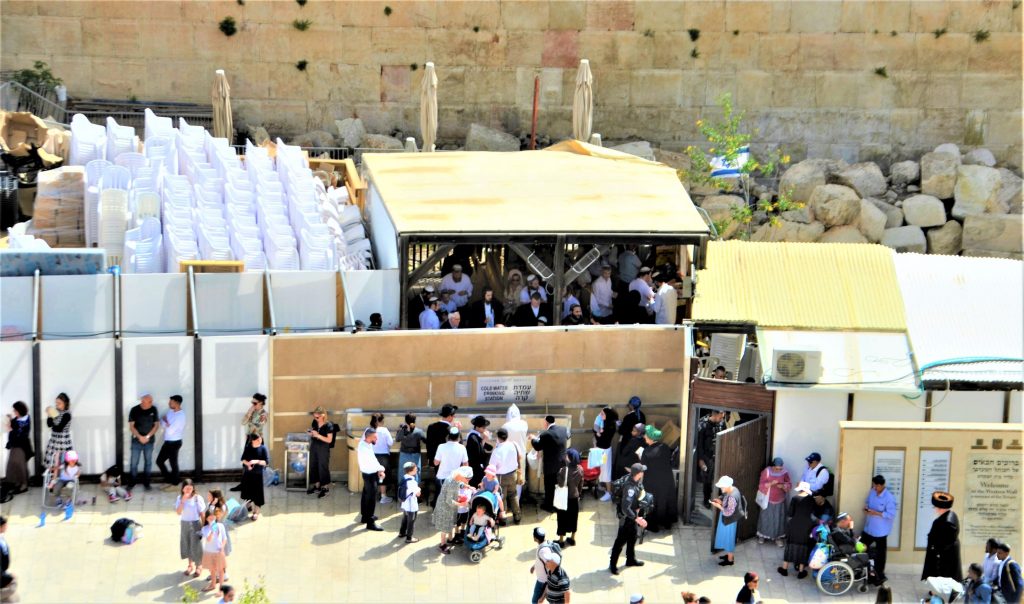
Despite the intense heat and security concerns, tens of thousands of people arrived Thursday morning for the Birkat Cohanim, Priestly Blessing at the Kotel, Western Wall.

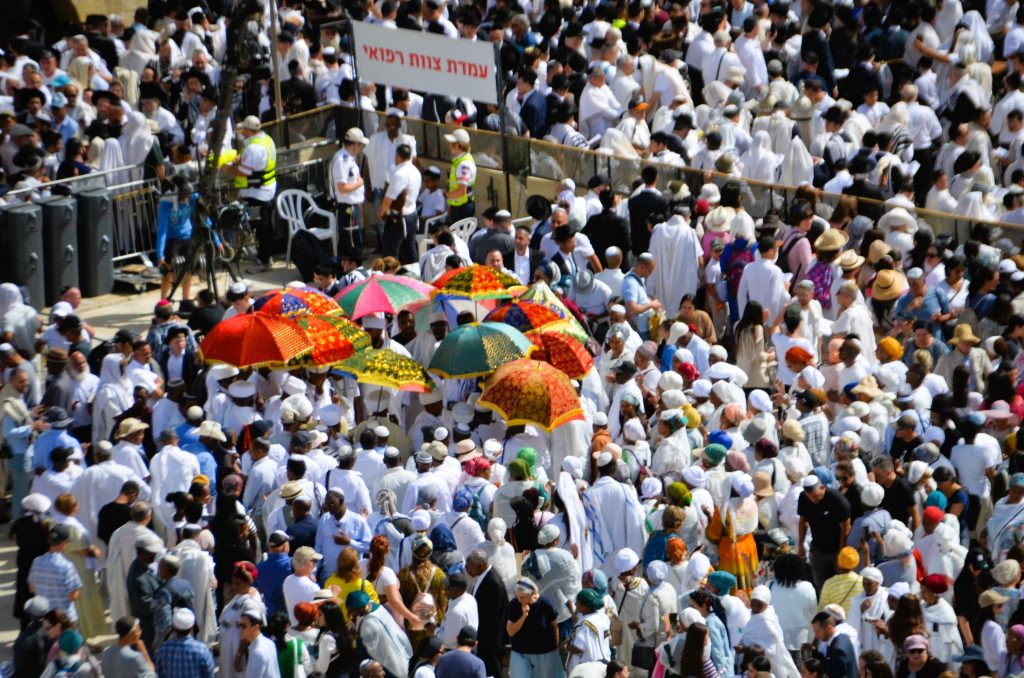
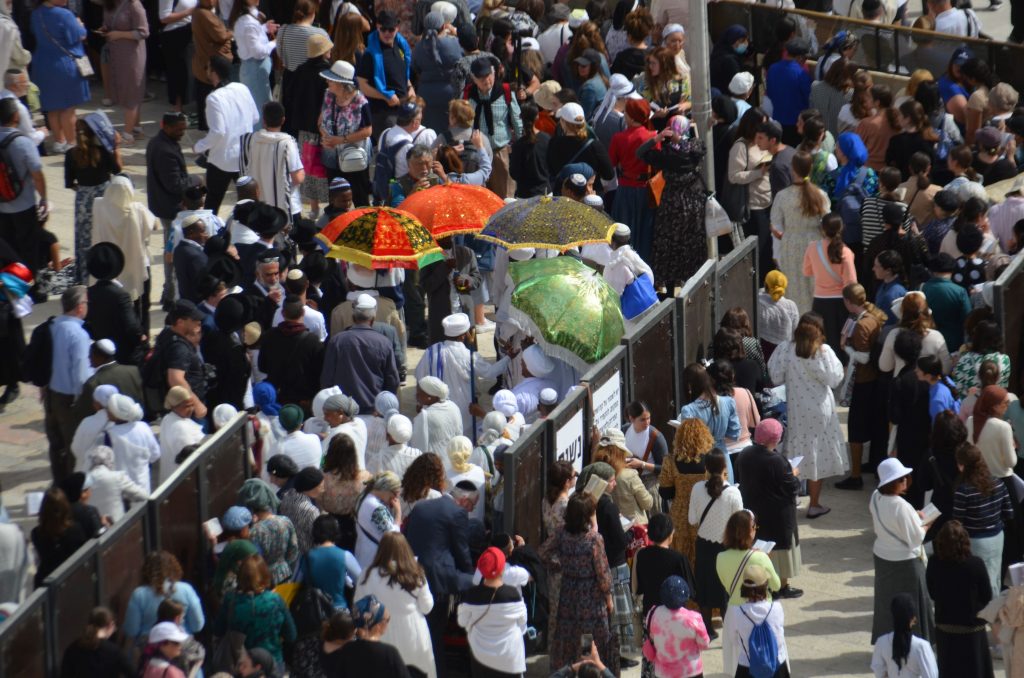
The Kessim, Ethiopian religious leaders were easily spotted standing under their colorful umbrellas with a crowd of followers around them near the live cameramen and the stand for emergency medical care.

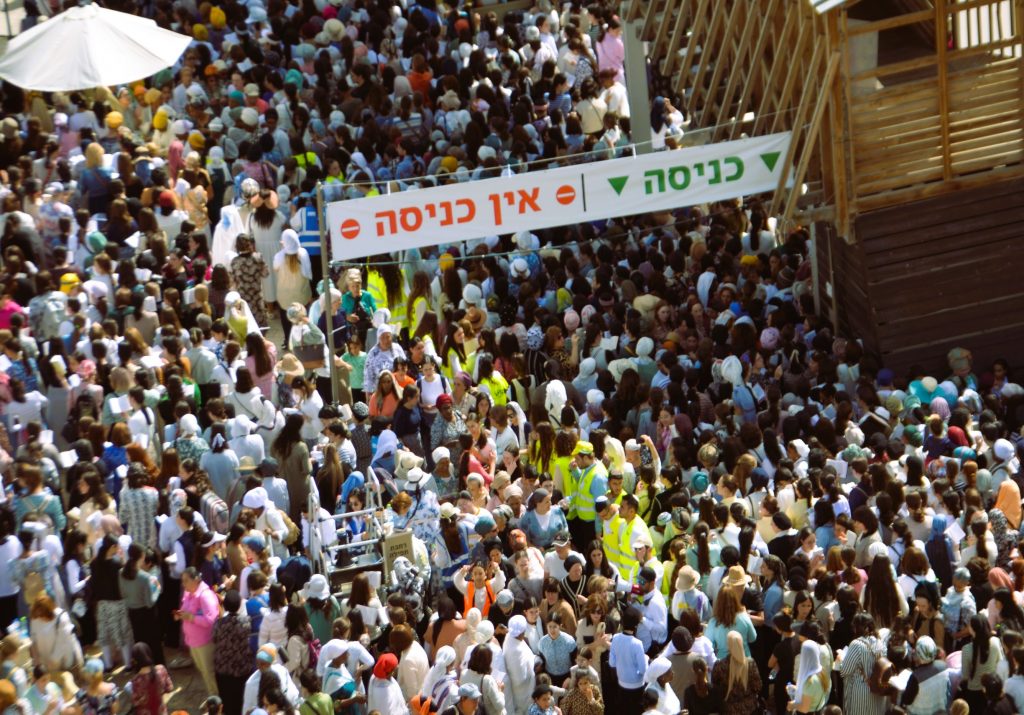
The women’s section was especially crowded in the few shaded areas.

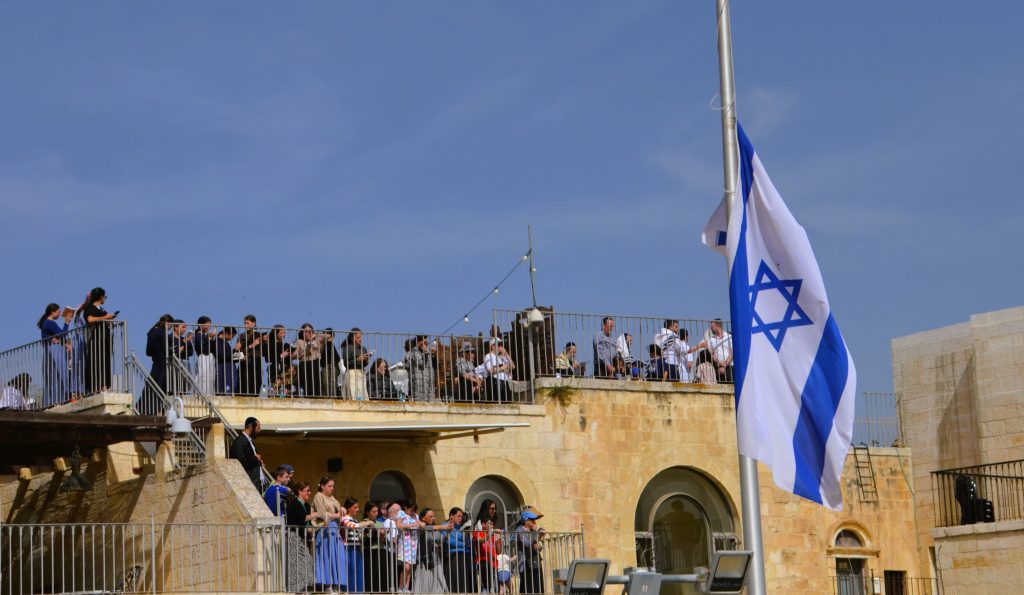
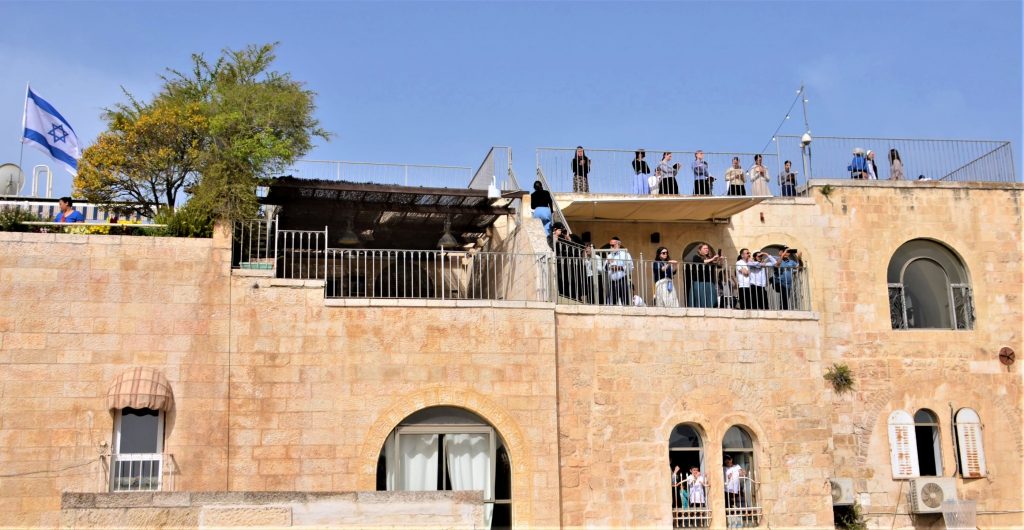
However, people were standing in the sun on the rooftops all around the Western Wall plaza for the view.

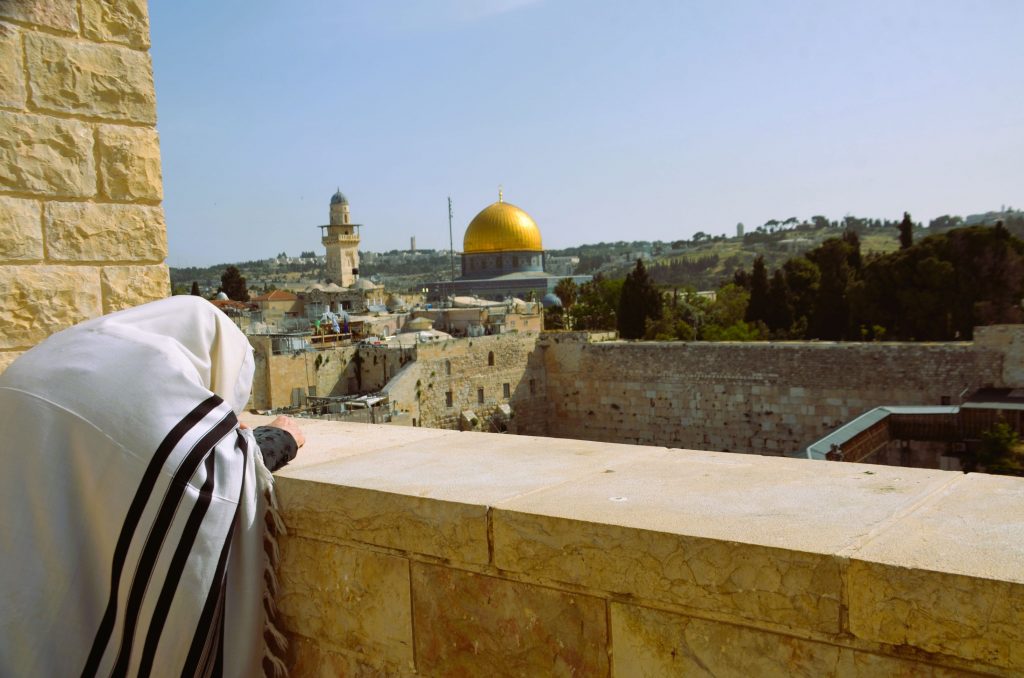
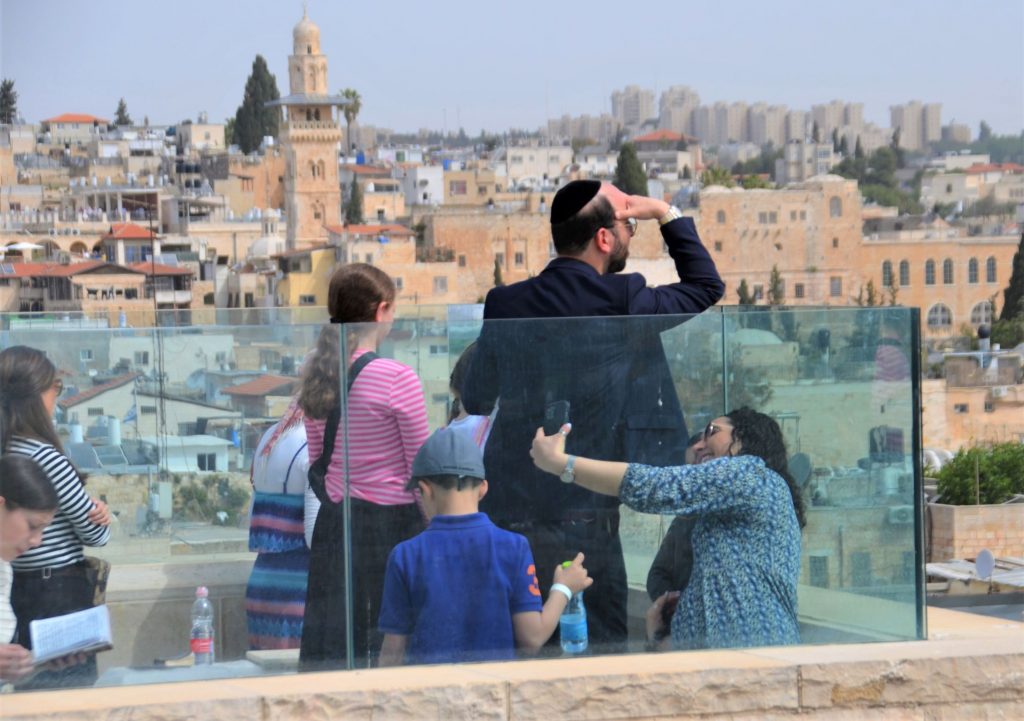
One man found a quiet spot from the Aish building for a few minutes of private introspection and prayer.

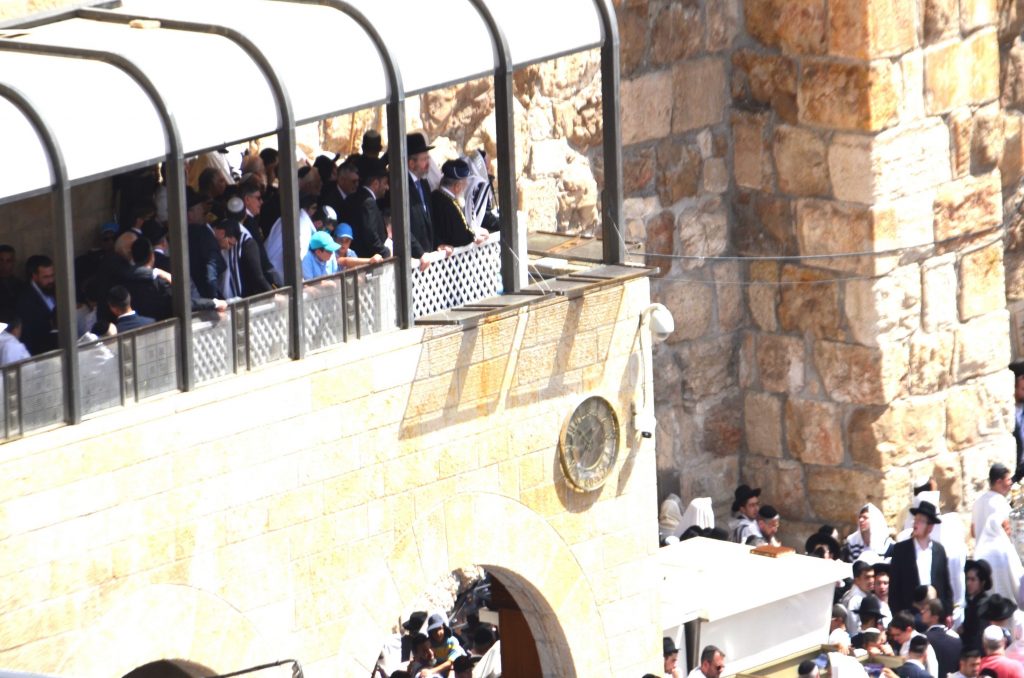
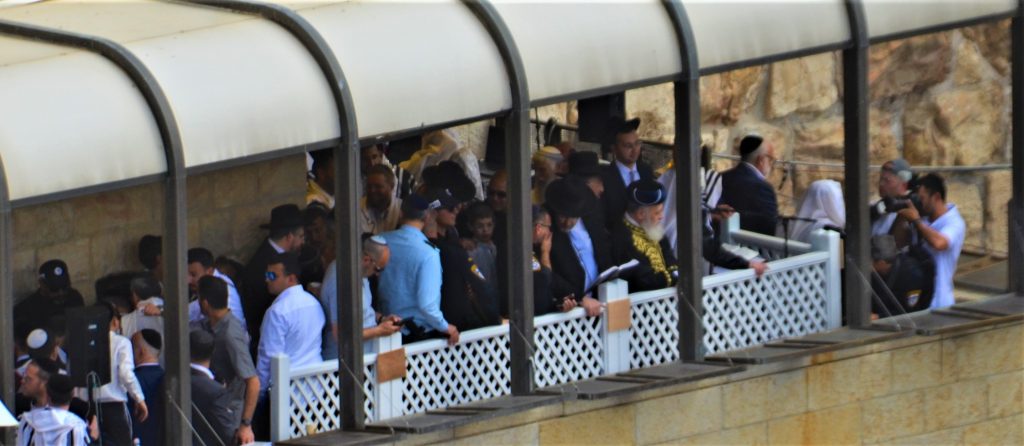
The Chief Rabbis and dignitaries had their vantage point above the crowd.

This year at the end of the morning service with the Birkat Cohanim, special prayers were added for the safe return of the hostages and security in all of Israel.

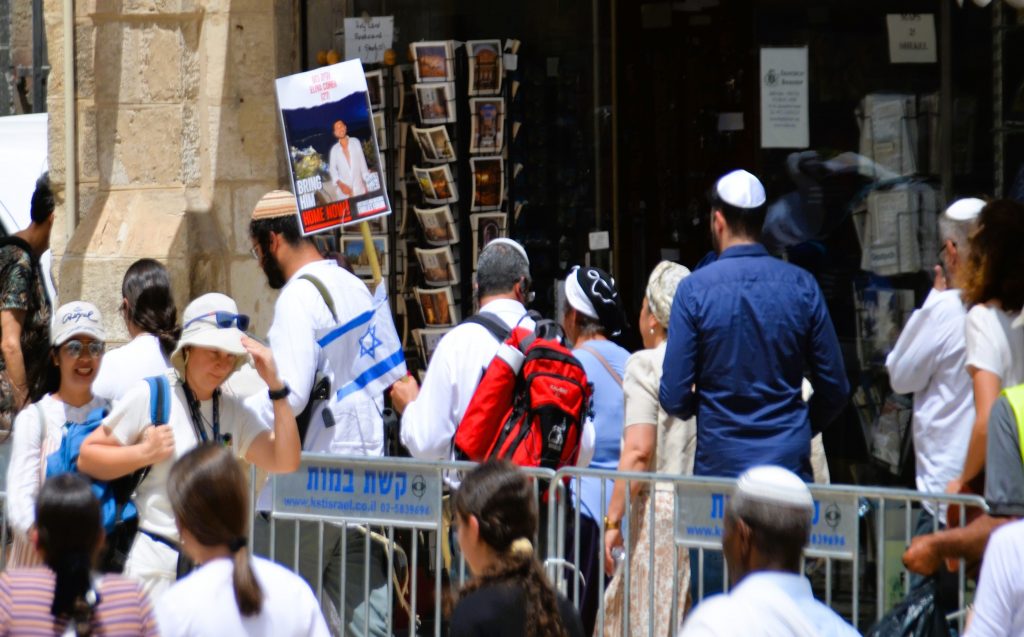
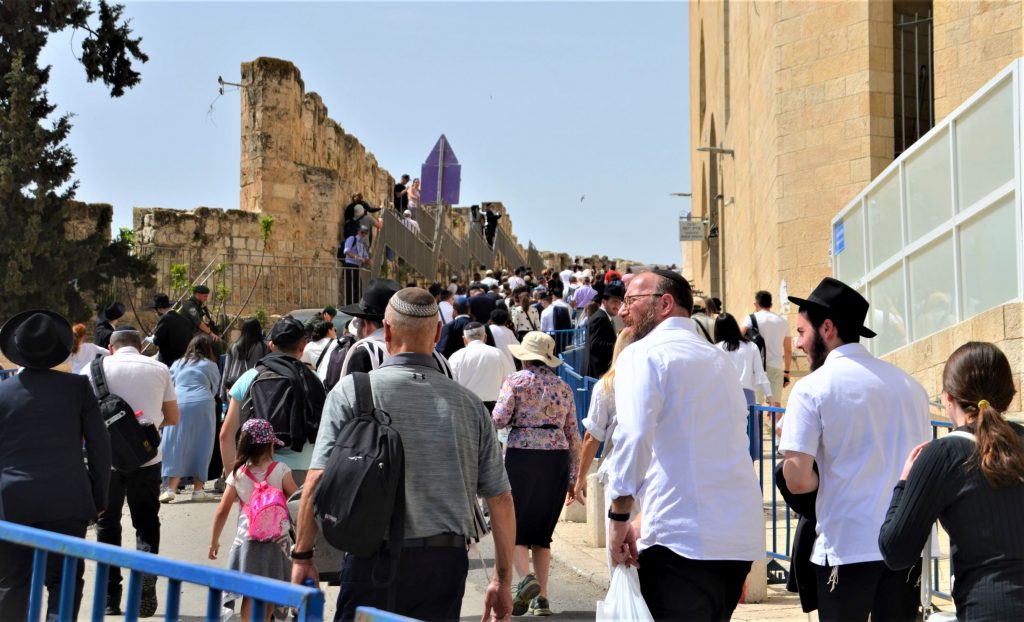
The family of hostage Eliya Cohen had attended the service at the Kotel and were leaving as more people arrived by way of Jaffa Gate.

This image has an empty alt attribute; its file name is Pesach-Aish-Kotel-141-1024x859.jpg

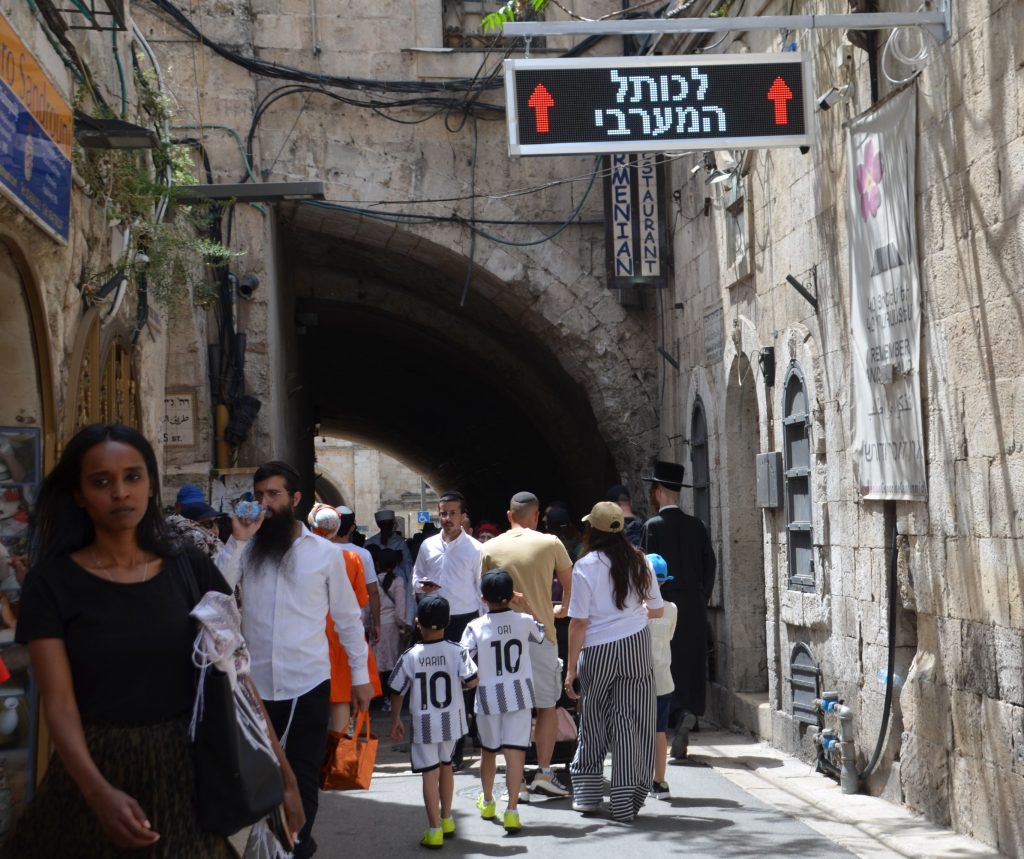
Thousands of people kept coming and going all day and most of the night to the Old City of Jerusalem.

What was different this year was that the crowds were somewhat smaller. Some families who usually come did not. However, other families were in Israel many times, but their first time for Pesach!

This year a cloud hung over the festivities, wanting the hostages to be returned to their families so they too could enjoy the holiday of Pesach, of freedom from bondage.

Everyone is concerned for the safety of soldiers and civilians both north and south and civilians, under constant rocket fire.

More images posted on Facebook HERE

The Haggadah reminds us each year, that enemies arise, but ends with “Next year in Jerusalem!”

Hoping next year to welcome you all to the Jerusalem streets.

Passover in Jerusalem: what you did not see

Where to begin this week!?

The Jerusalem streets experienced holiday highs, as well as extreme lows, and I am not just referring to the weather that has gone from summer to winter and now back to summer.

I decided to share what was different and unexpected this year.
The first surprise is for those who followed the news prior to Sunday, when Passover, Easter, and Ramadan were all to be celebrated in the Old City.

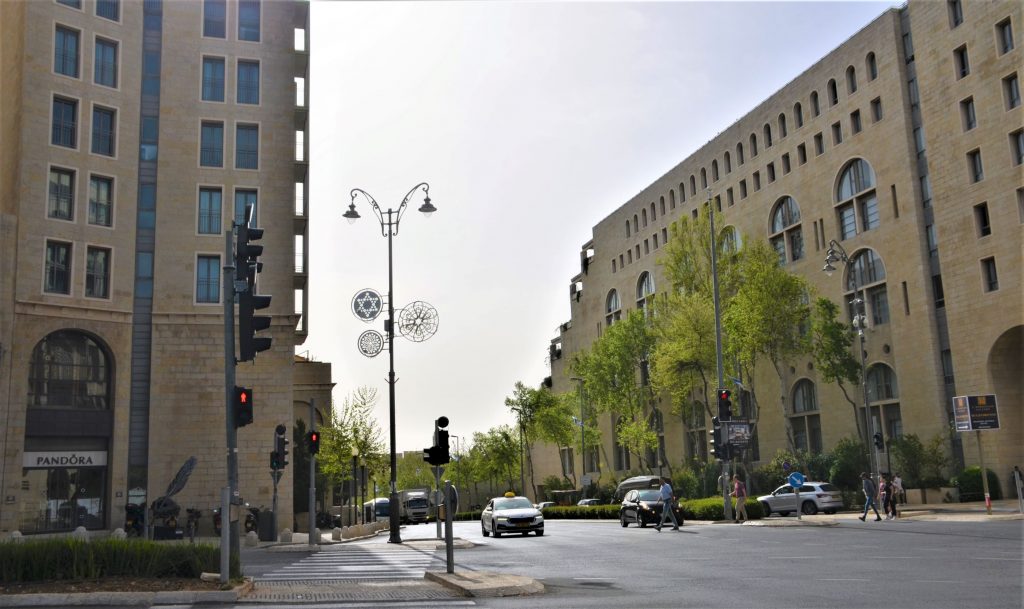
With all the talk of threats and pending trouble in Jerusalem and the Old City, there was no closure of the Jerusalem street between Mamilla Mall and the David Citadel Hotel. Gone was the usual big ugly closure truck.

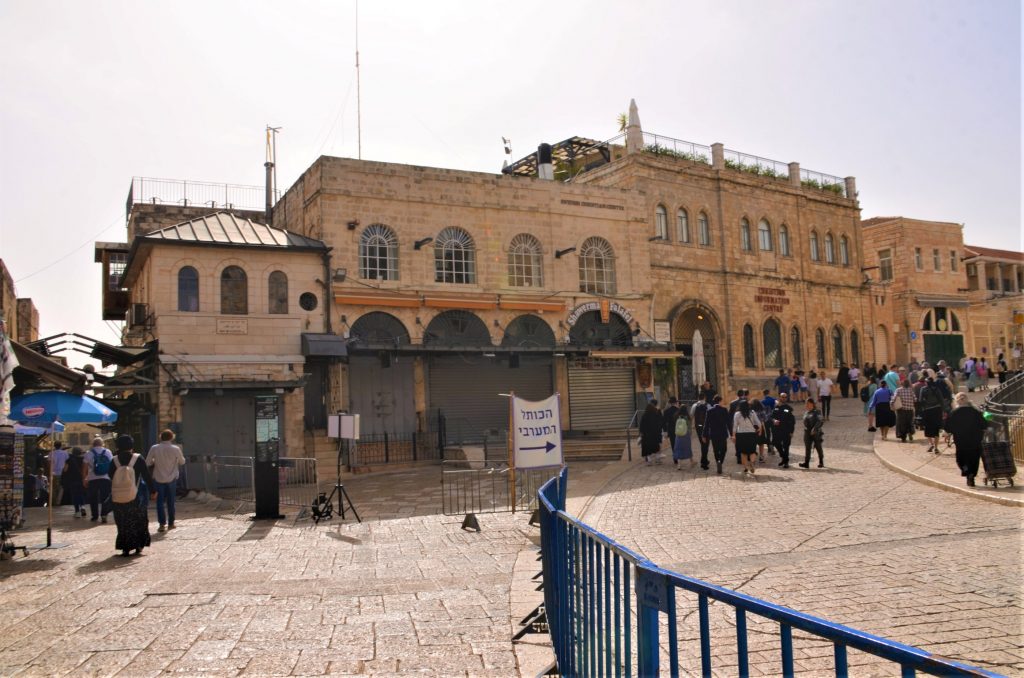
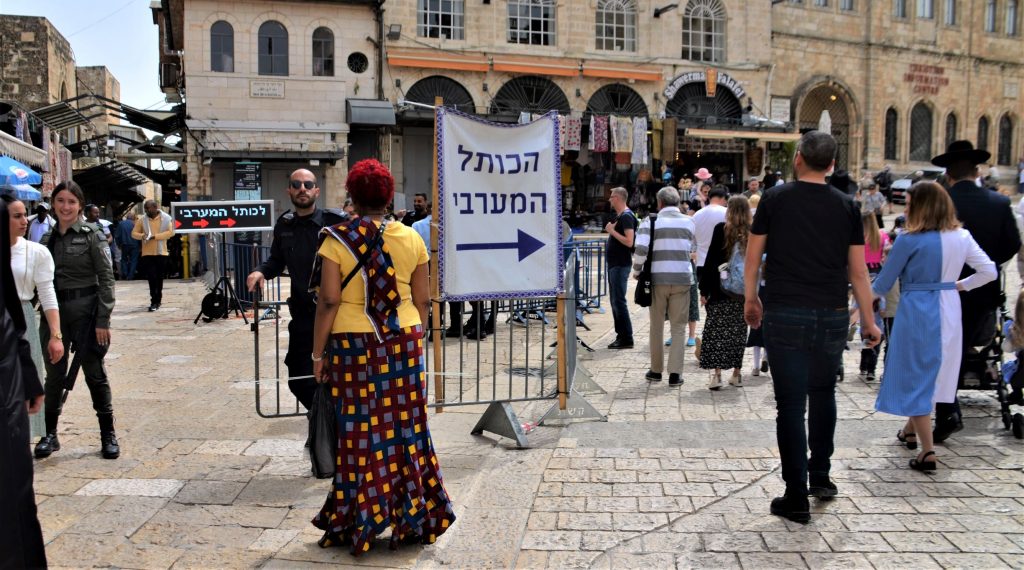
Also, on Sunday morning, heavier security was not apparent inside Jaffa Gate either. A sign pointed to the Kotel, Western Wall.

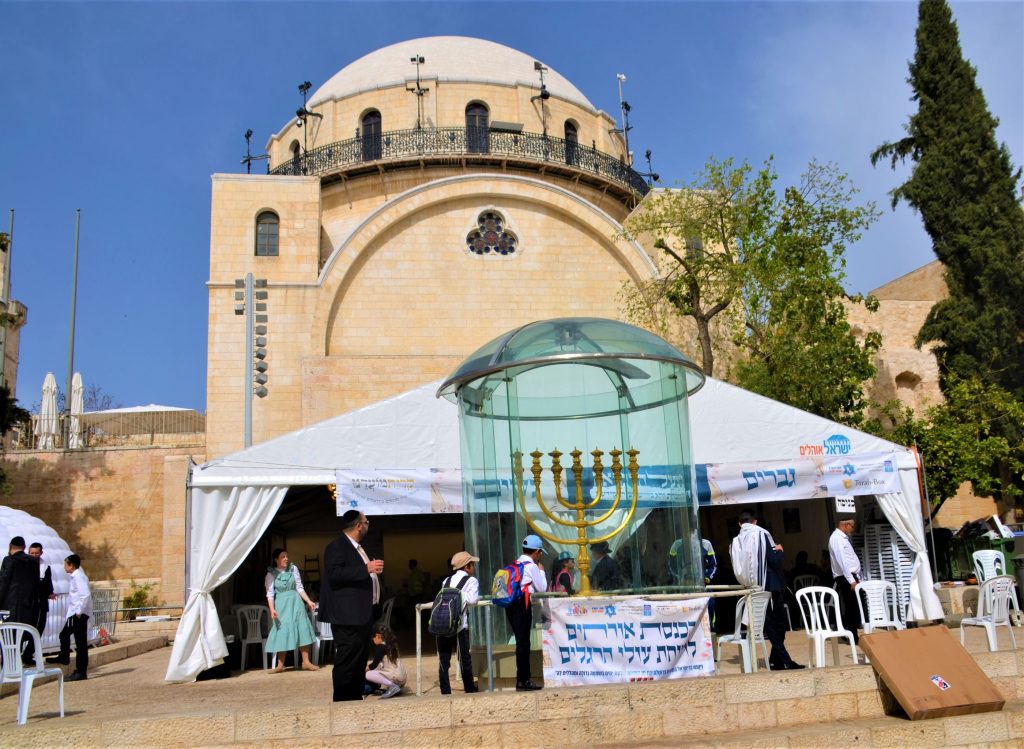
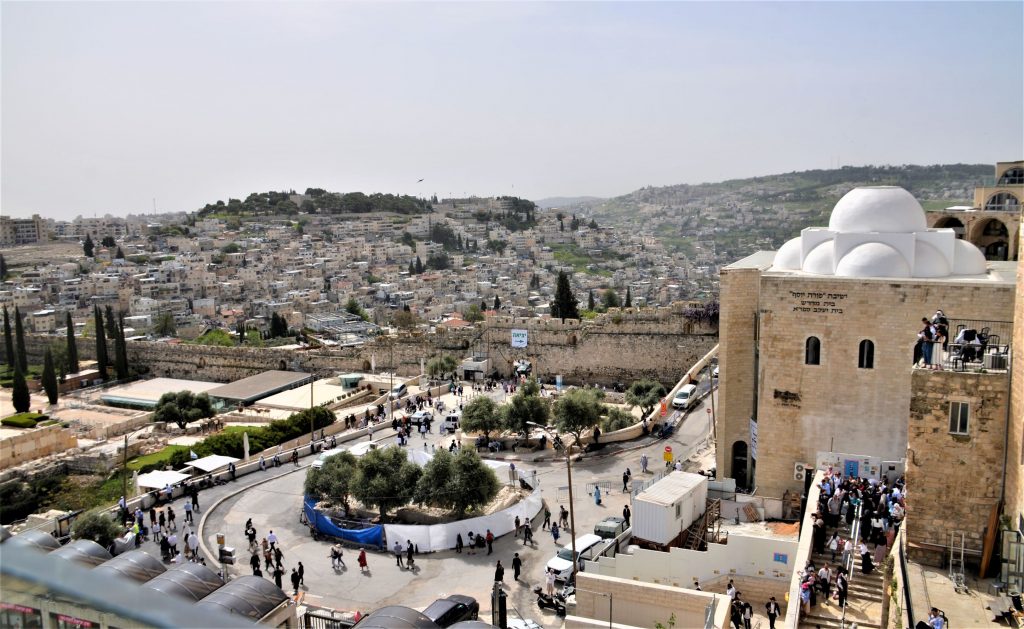
In the Rova, the Jewish Quarter, a large tent was set up by the Hurva Synagogue and provided a shaded place to sit, which was a good idea on the sunny day.

Birkat Kohanim, the Priestly Blessing was said twice on Sunday morning. I missed the first time by a few minutes, and many people left. Here you see that the plaza was not full.

But it’s hard to count how many attend, as people are also watching from rooftops and lookout points around the Jewish Quarter.

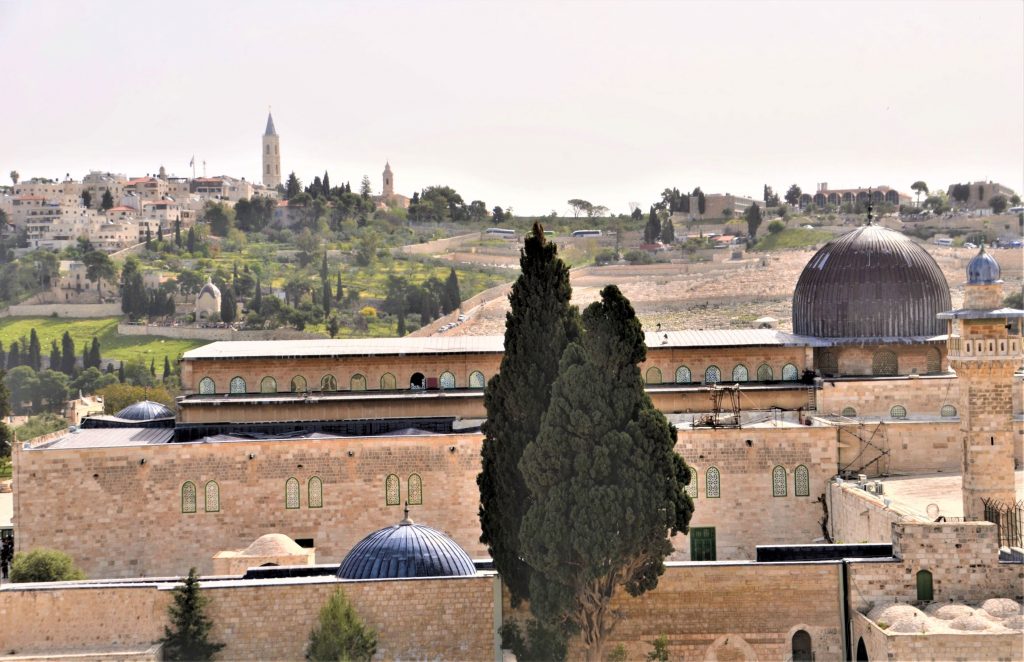
From the top of the Aish Building where I was standing, there is a good view of the Al Aqsa Mosque. After the previous riots there, the windows were finally fixed. However, I noticed at least one was broken again.

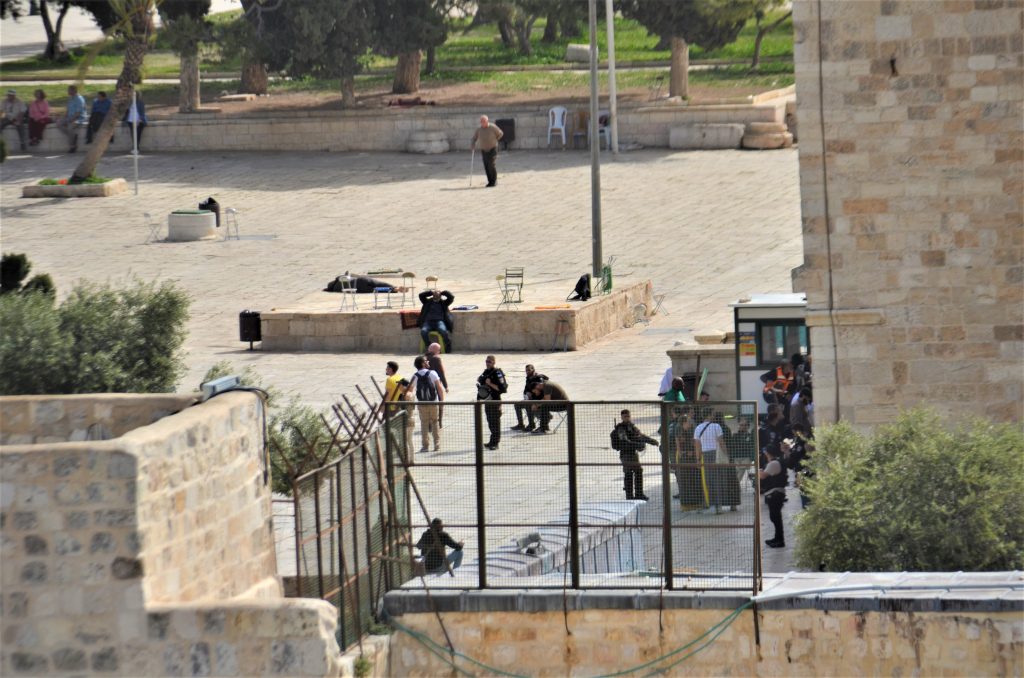
With a zoom lens, here is what the Temple Mount looked like in the morning during the Birkat Kohanim. Not exactly what my social media was sharing over and over about police and violence.

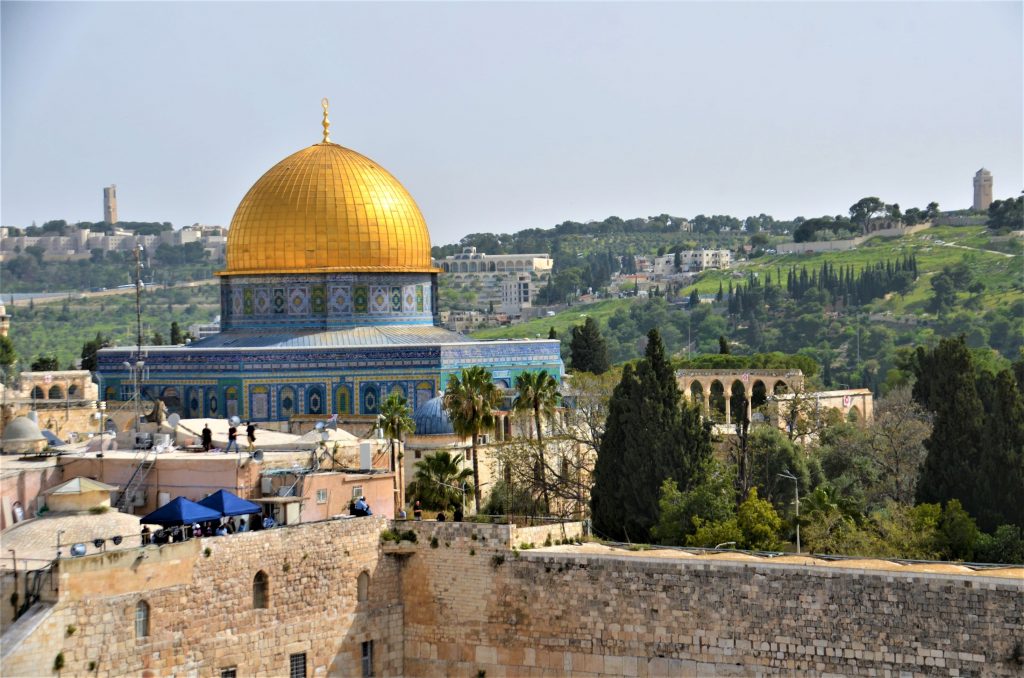
At the other end, over the Kotel, the Dome of the Rock was shining in the blazing sun with police nearby, though not needed that day.

The Kessim have the right idea, those umbrellas the Ethiopian religious leaders carry are smart protection on the sunny Passover day.

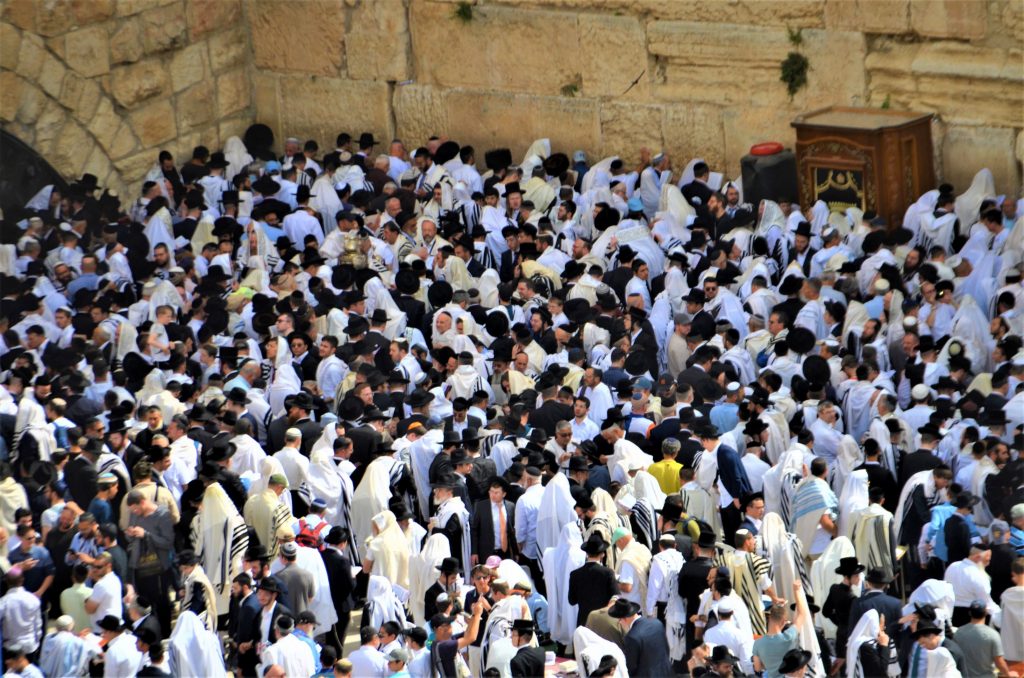
Closer to the Kotel, men were crowded in with the Kohanim in the front.

Security personnel watched, from all directions, but missing were the helicopters, drones, and security balloons seen in years past.

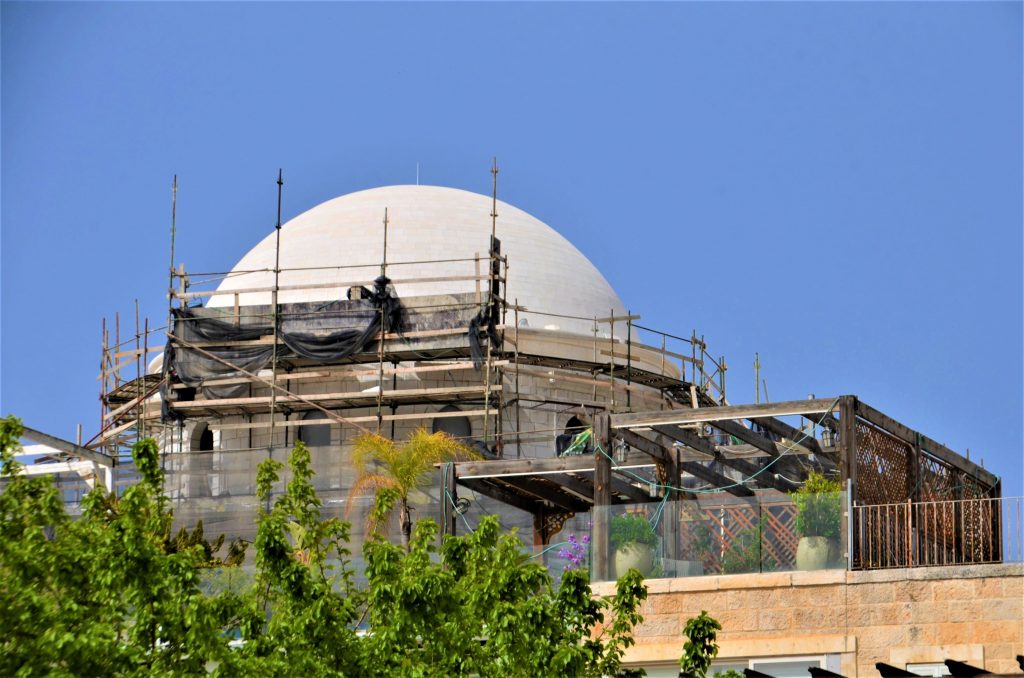
While I waited for the second Birkat Kohanim to be recited, I took time to notice the dome of the Sharei Tefilah Synagogue is slowly progressing.

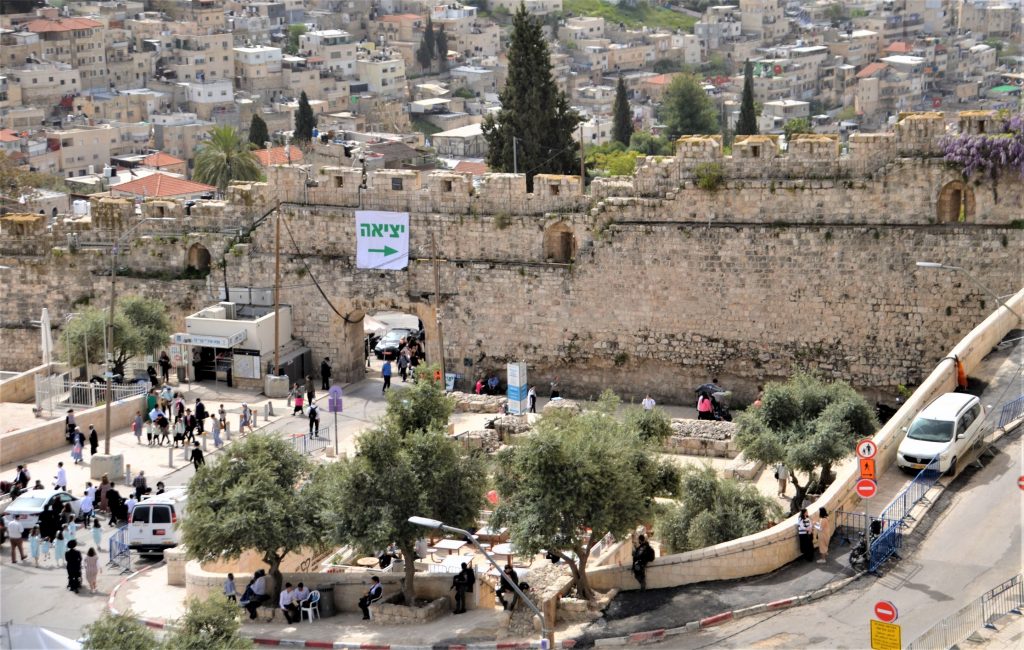
The view toward the Dung Gate where buses usually enter was off-limits to vehicular traffic.

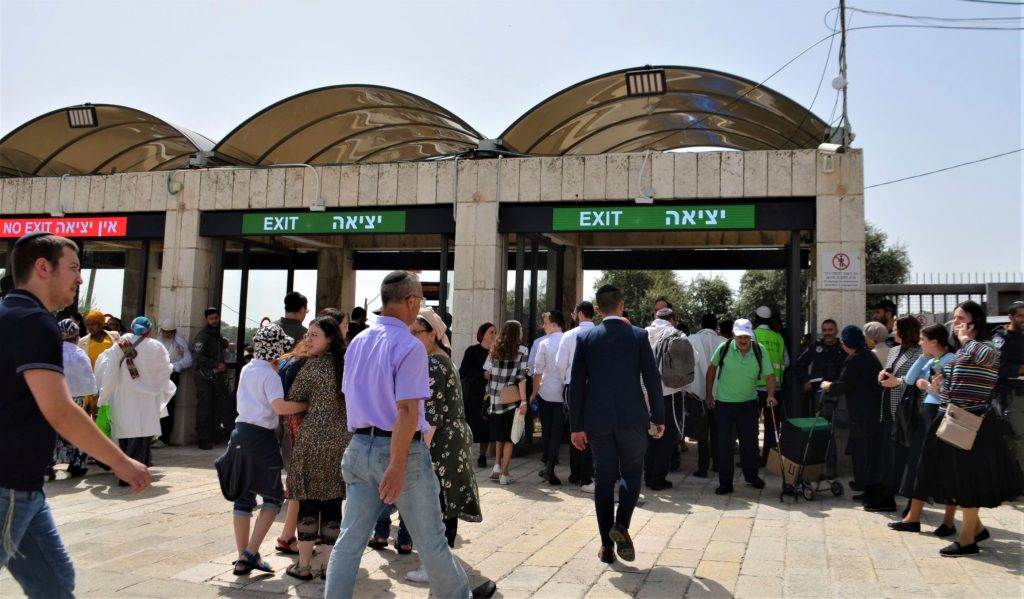
A sign marking the exit hung over the gate, but few people were leaving.

Birkat Kohanim, men covered their heads with white tallis during prayer.

While the dignitaries watch the crowd from above,

and others watch from afar.

Selfies.

I wonder how many thousands of selfies were taken that morning?

During the prayer, you can see the crowd was fuller. In past years, the whole area might have been full. But the tens of thousands who came all week even after the media warned of pending trouble was remarkable.

Near the entrance to the Kotel Plaza, you could see people arriving, getting drinking water, and in the little shed-like area the Jewish people waiting to go on the Temple Mount.

On Sunday small groups were allowed until 11:00 am. During the last 10 days of Ramadan, those trips are forbidden. Eid al Fitr, the celebration at the end of the Ramadan month of fasting is at the end of this week.

The exits were clearly marked.

Pedestrians walked away from the Kotel, thousands at a time.

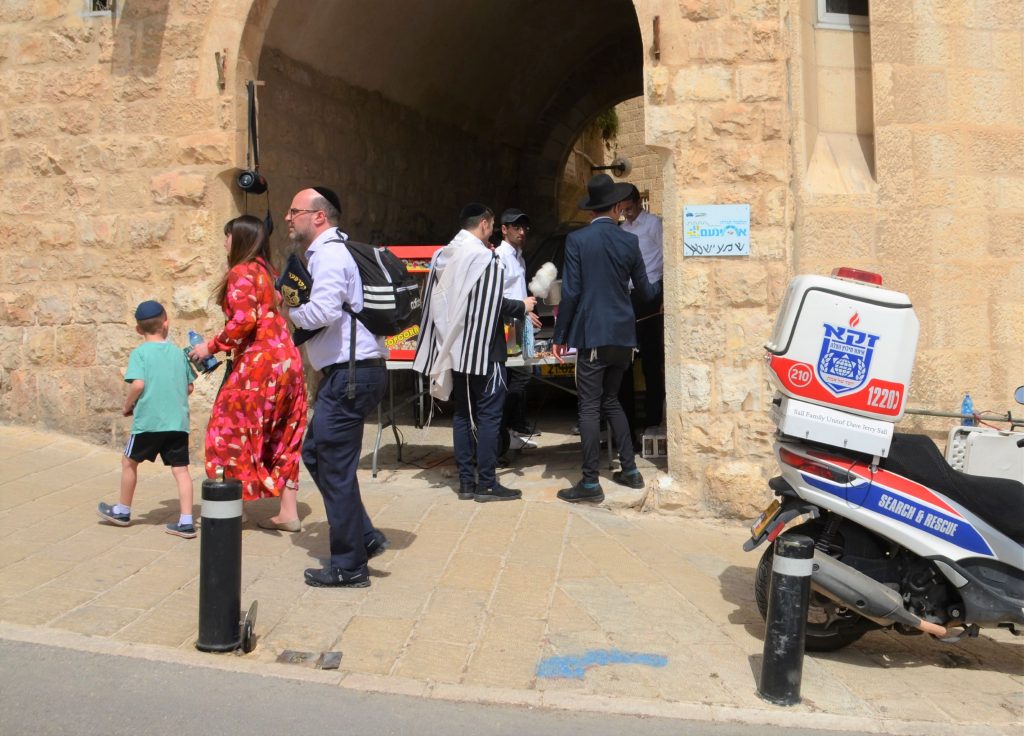
The popcorn and cotton candy vendors were in positions again as was a parked ZAKA motorcycle. With tens of thousands of people, there were no reported serious problems in spite of the heat, making it a good day.

And people were still arriving, all day and all week. The tourists are back!

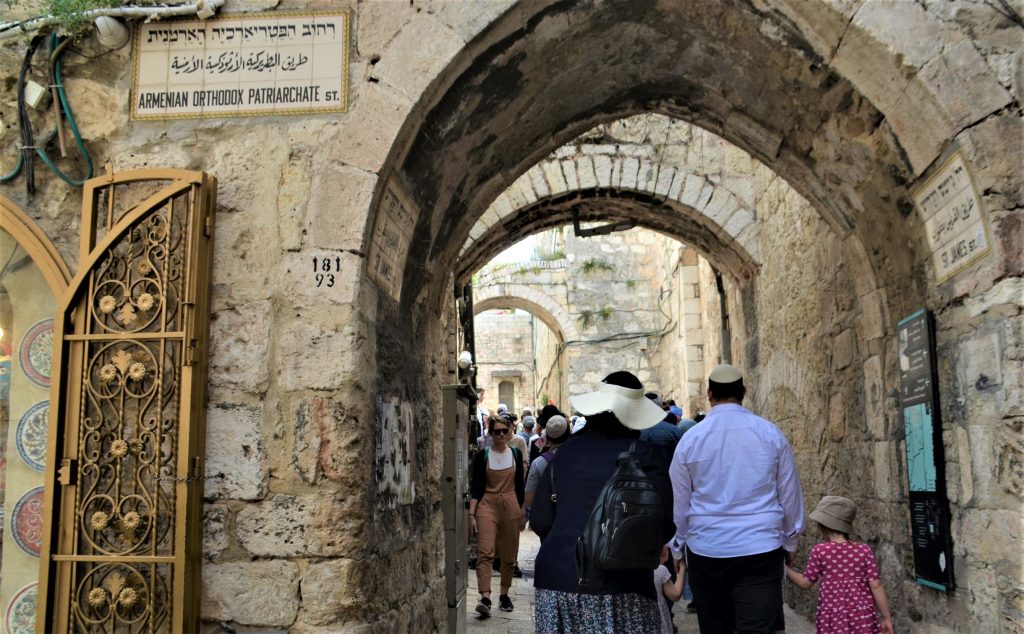
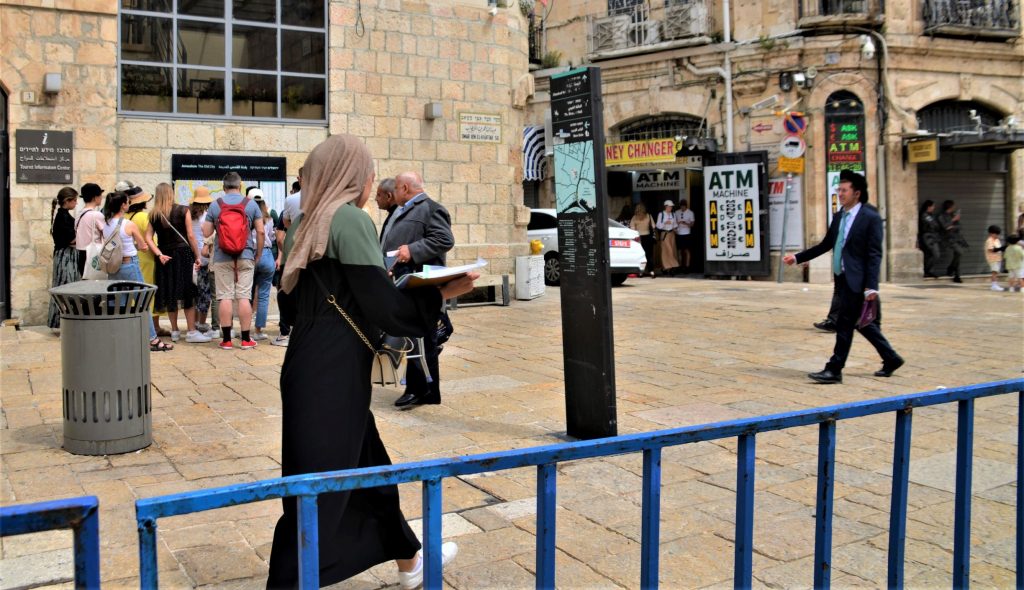
Having been in a crushing crowd once in the Old City on the way to Birkat Kohanim, I appreciate that there is better enforcement of pedestrian traffic flow. This woman was not happy to follow the plan, however, it is much safer.

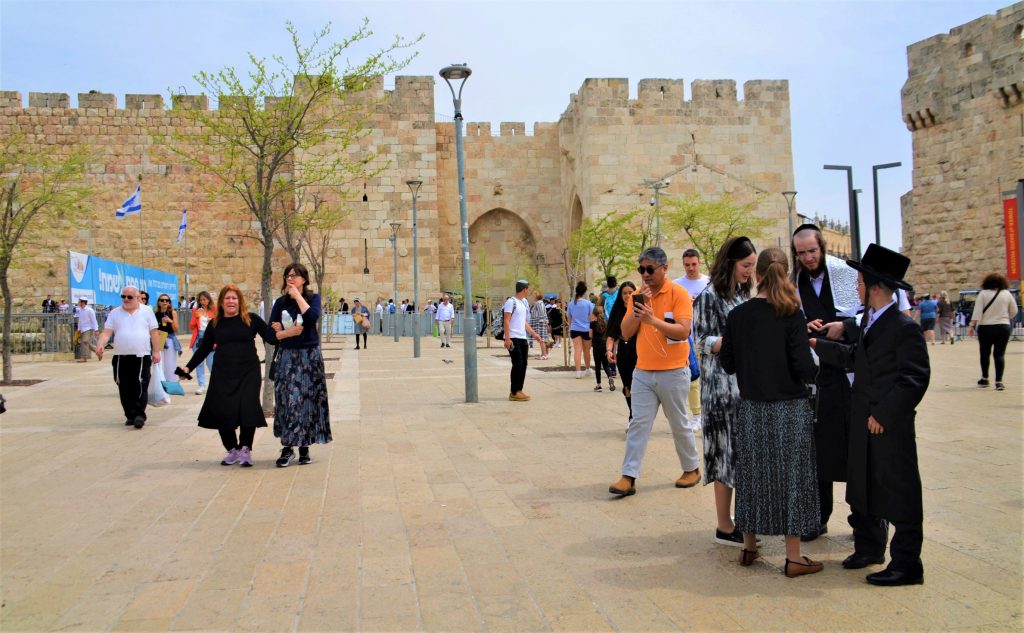
As you see, when I was leaving, people were coming to go inside

This image has an empty alt attribute; its file name is Pesach-Old-City-150-3-jaffa-gate-1024x633.jpg

and outside Jaffa Gate, and the same during the rest of the week.

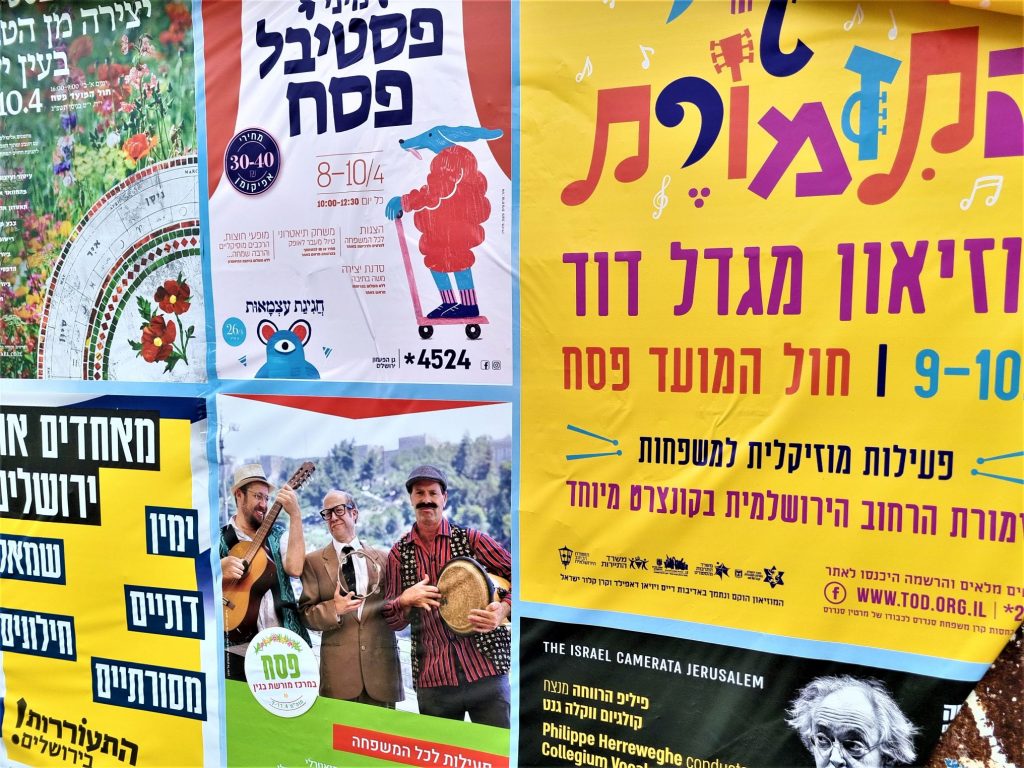
While Birkat Kohanim is an annual highlight, there were activities galore for families, as school was out and tourists were around all week.

This image has an empty alt attribute; its file name is Pesach-Old-City-133-2-tower-of-david-1024x678.jpg

One event was a special children’s program at the Tower of David.

Mamilla Mall was busy and watched closely by security.

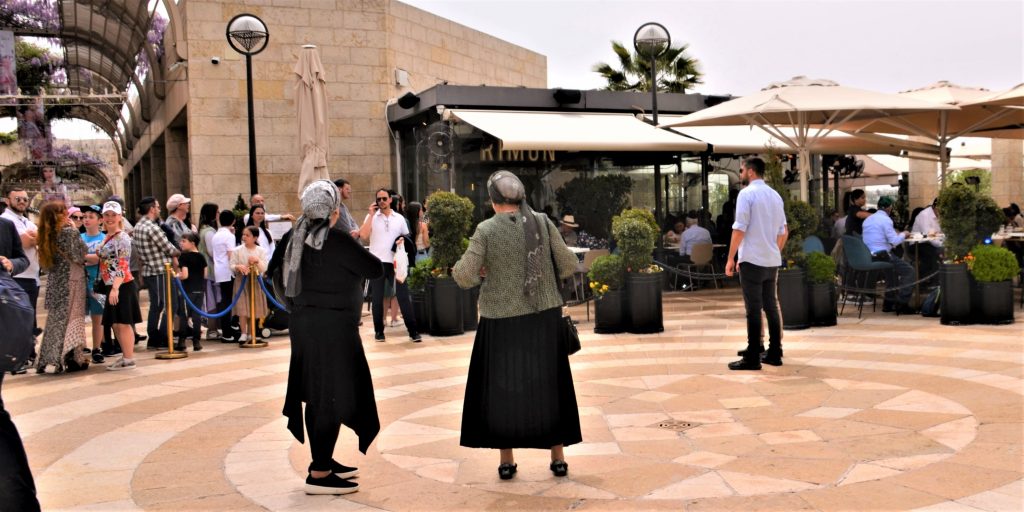
Amazing after the big holiday meals, there were still long lines waiting for food. Plus, there were lines for car rentals on Sunday.

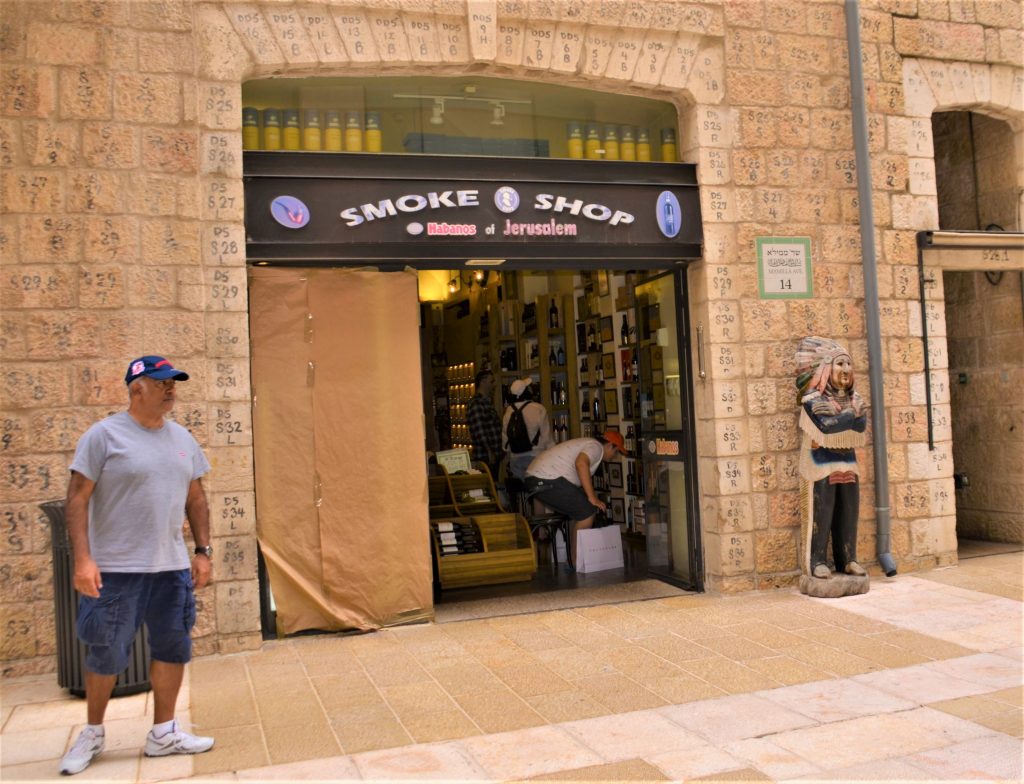
I thought it amusing that this shop was open during the pandemic more than the others in Mamilla Mall, but for Passover, the window was covered.

There was a new way to patrol Mamilla Avenue.

This image has an empty alt attribute; its file name is Pesach-Old-City-160-2-giraffe-mamilla--1024x733.jpg

Jerusalem is colorful, but one new art exhibit was black and white.

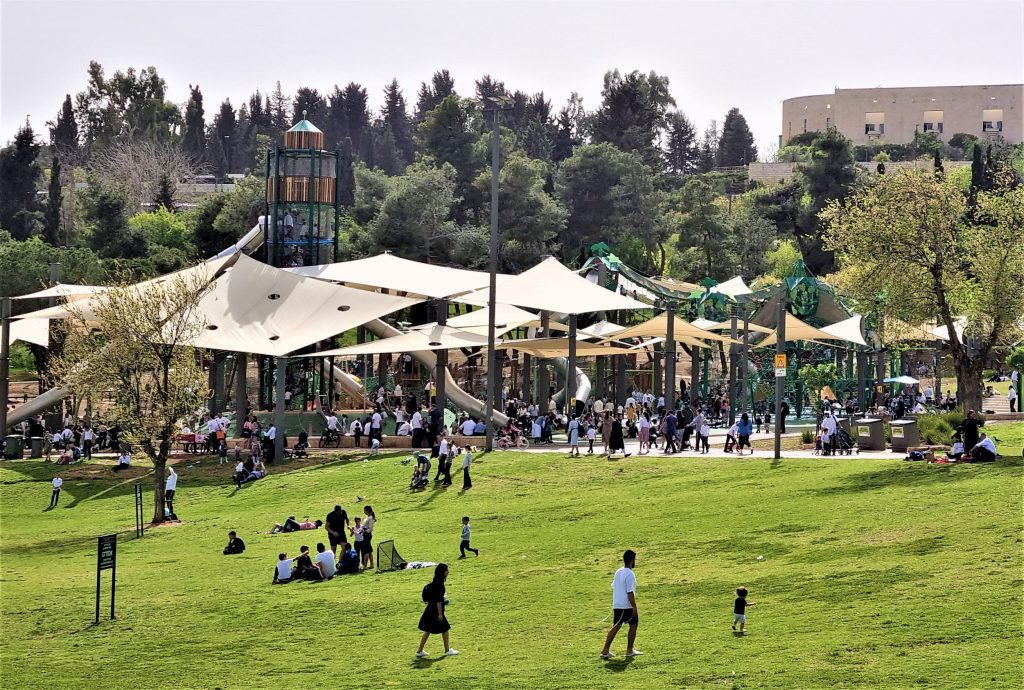
People were in Gan Sacher, Sacher Park when the sun came out. On cold rainy days, I assume it was not so popular, but I did not go to check it out.

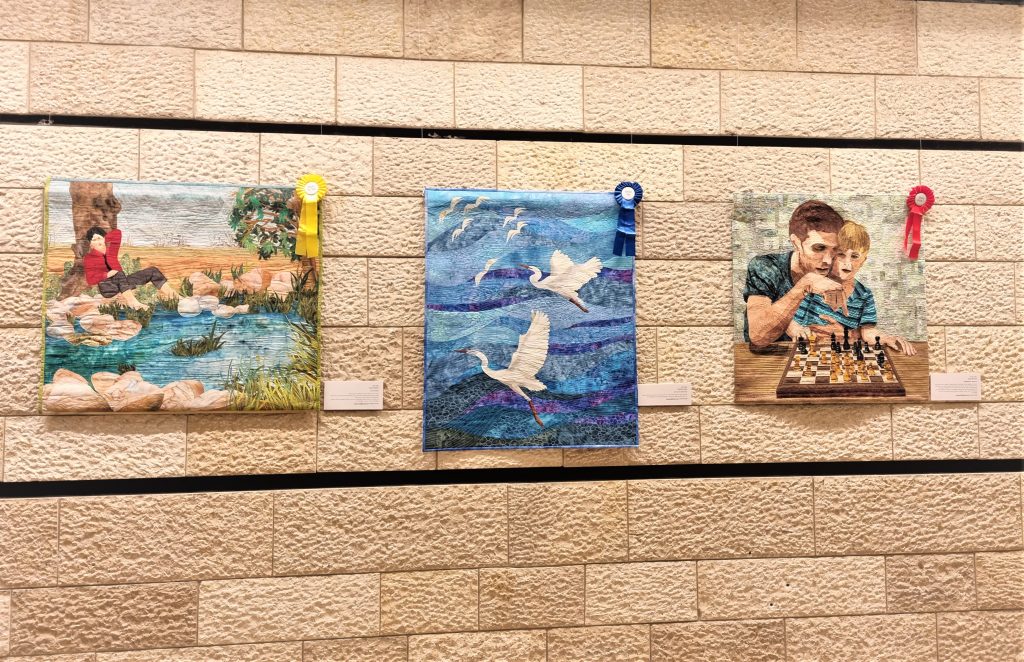
The Jerusalem Theater was warm and dry and the impressive quilts of the Israel Quilt Association lined the lobby walls again – more HERE

There you have a taste of the Holiday of Matzah in Jerusalem.

Now the weather hopefully will not have the extremes of hot and cold that we suffered last week. The annual ‘Yoms‘ with their highs and lows, begin with Yom HaShoah, Holocaust Remembrance Day Monday night, April 17, this year.
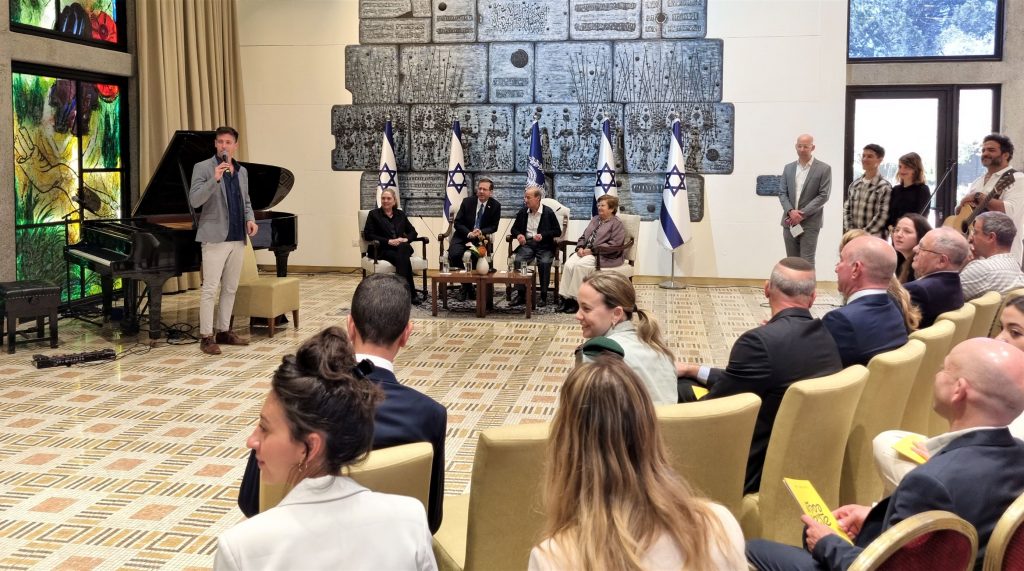
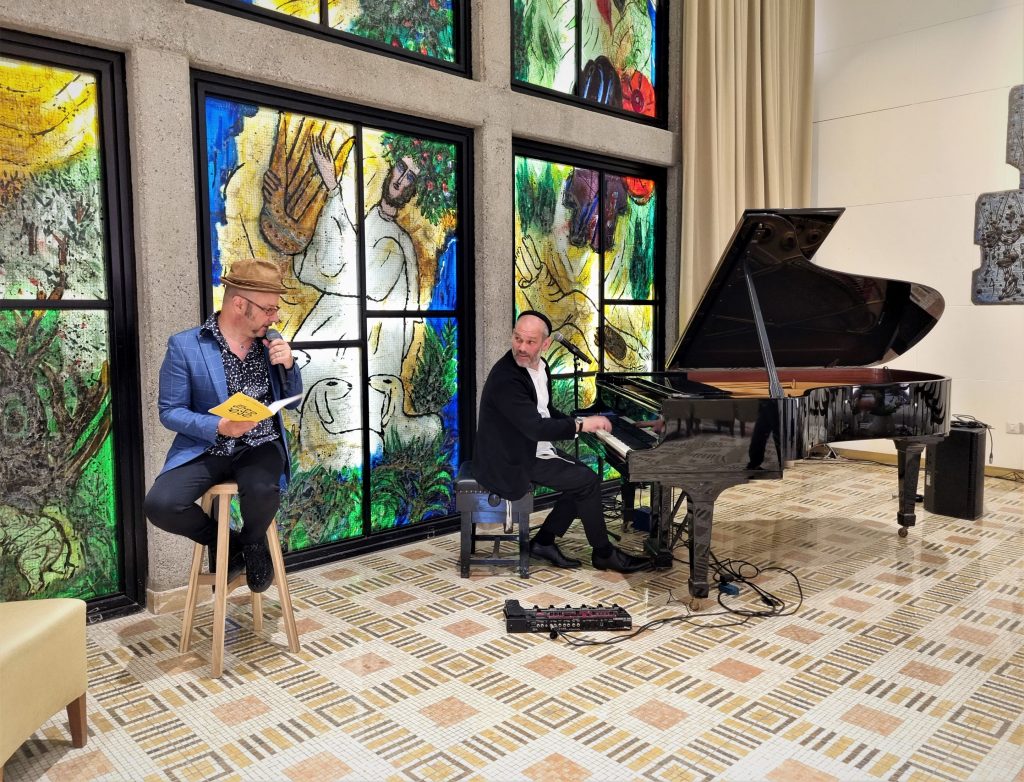
One of the first events for Yom HaShoah was the Zikaron BaSalon meeting hosted at Beit Hanasi, the Israeli President’s Official Residence.
The special musical numbers included Kobi Oz and Yonatan Raisel, but more on that for next time.

So much more is happening on the Jerusalem streets if you missed it –

see you Next Year in Jerusalem!