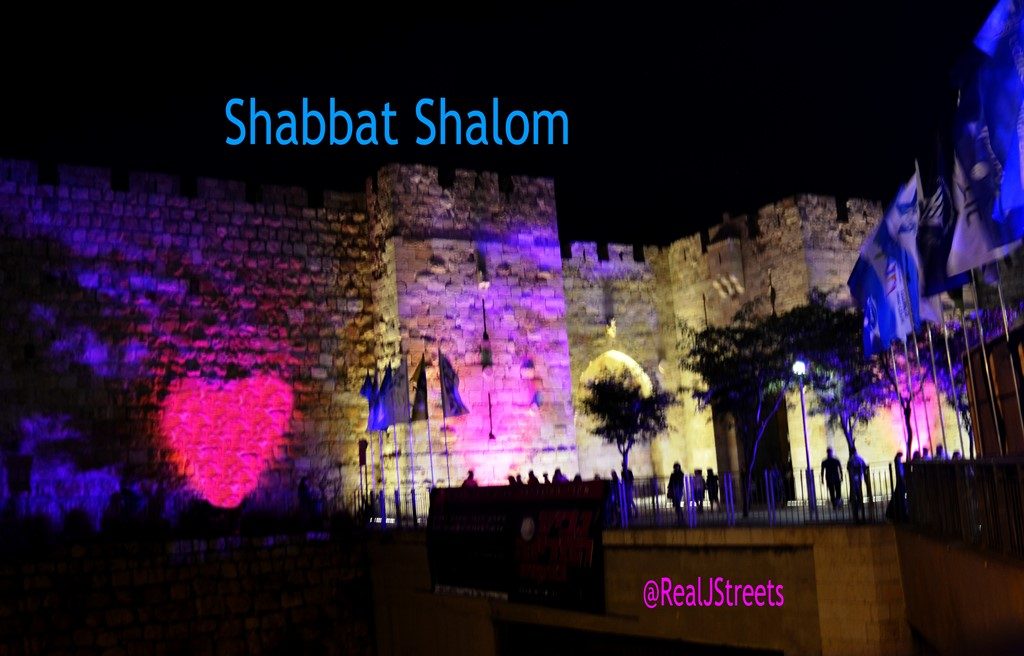
Shabbat Shalom
Keeping greeting simple, colorful, and full of love from Jerusalem, Israel.
Jerusalem, Israel – what is really happening
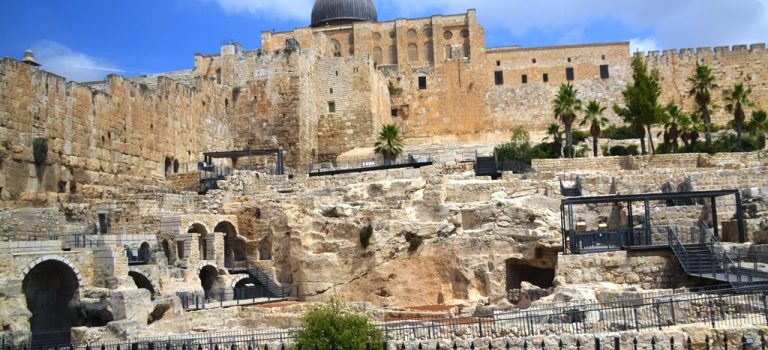
It is obvious the future skyline of Jerusalem, Israel, is changing daily, as buildings go up and up.
But centuries of history of Jerusalem are underground going back thousands of years.
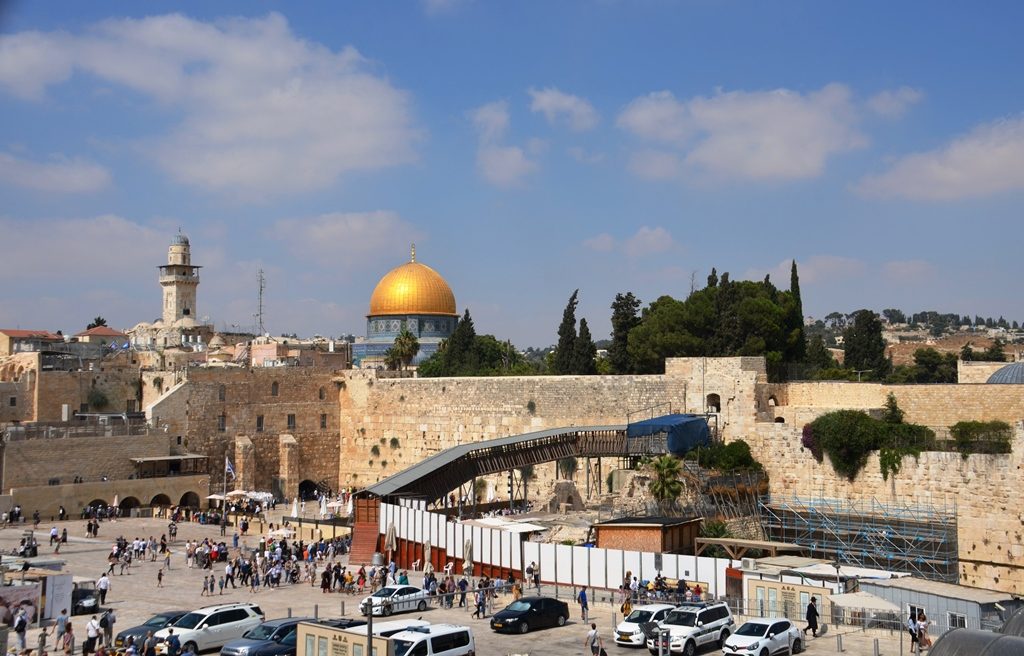
This is the image most think of when mentioning Jerusalem of old.
But under the Jerusalem, Israel streets layers of history are being revealed daily.
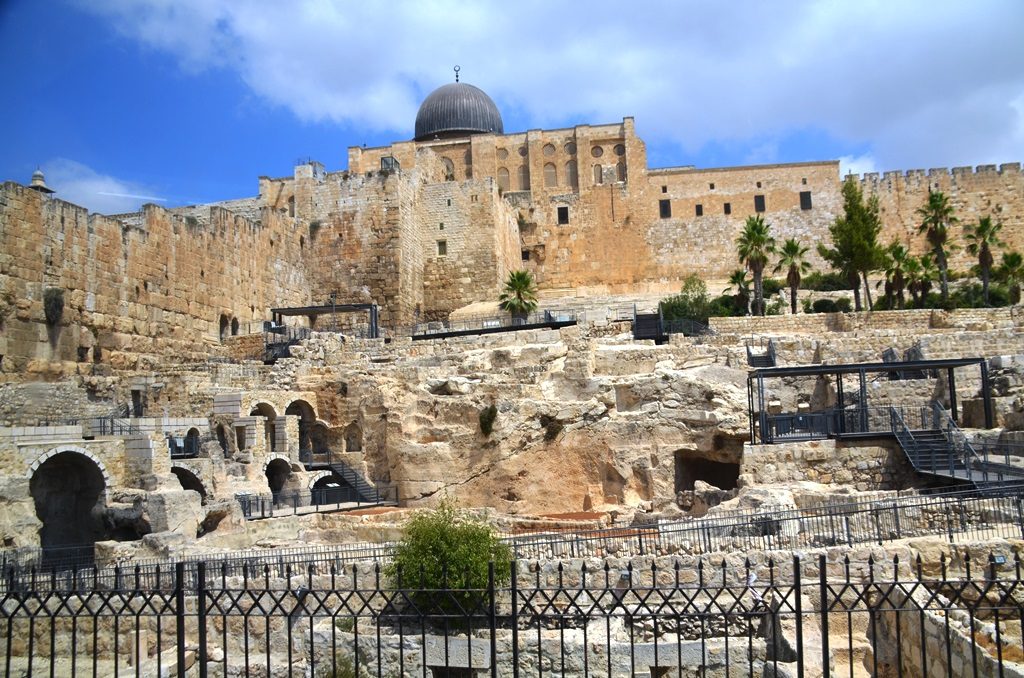
Along the southern side of the Old City Walls, the new excavations can be seen by everyone.
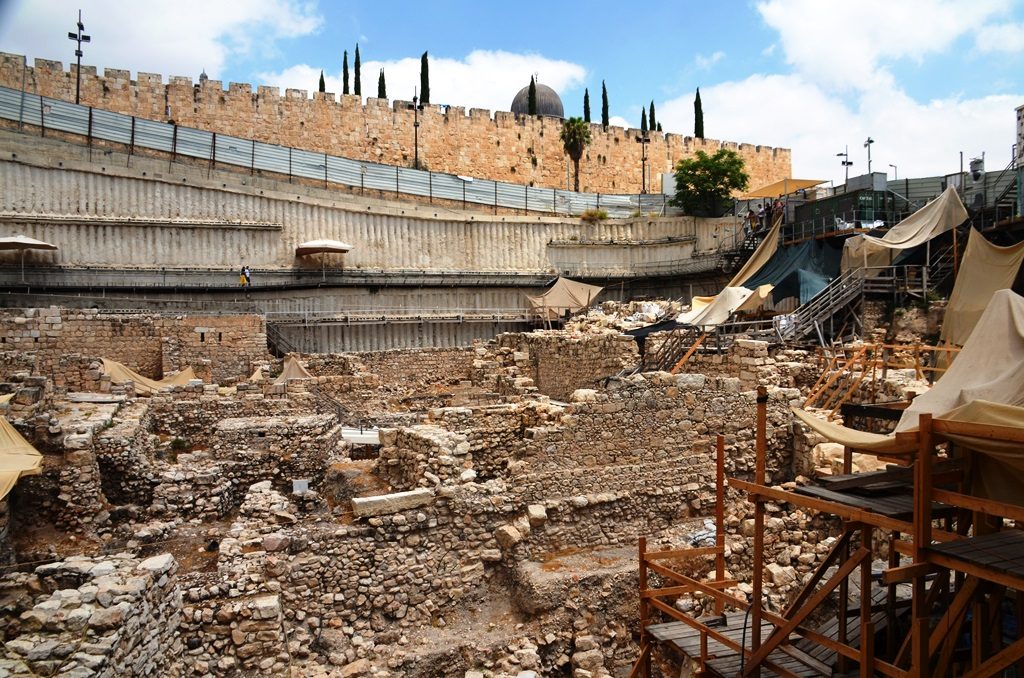
The intricate archaeological work under the Givati Parking lot is another site open to the public.
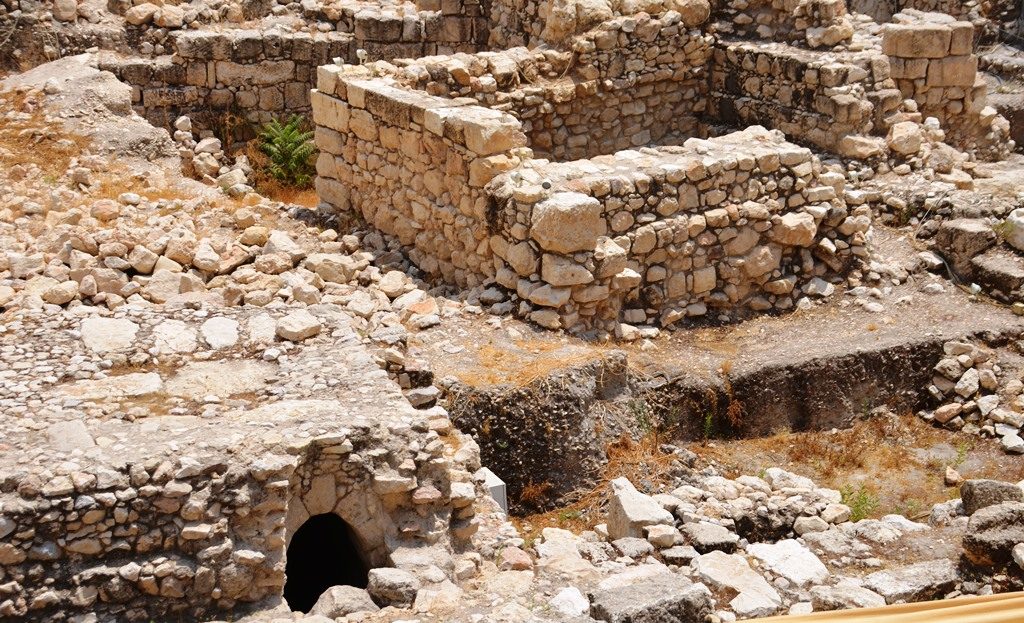
Across from the Old City Walls, not far from Dung Gate, centuries-old houses are being restored.
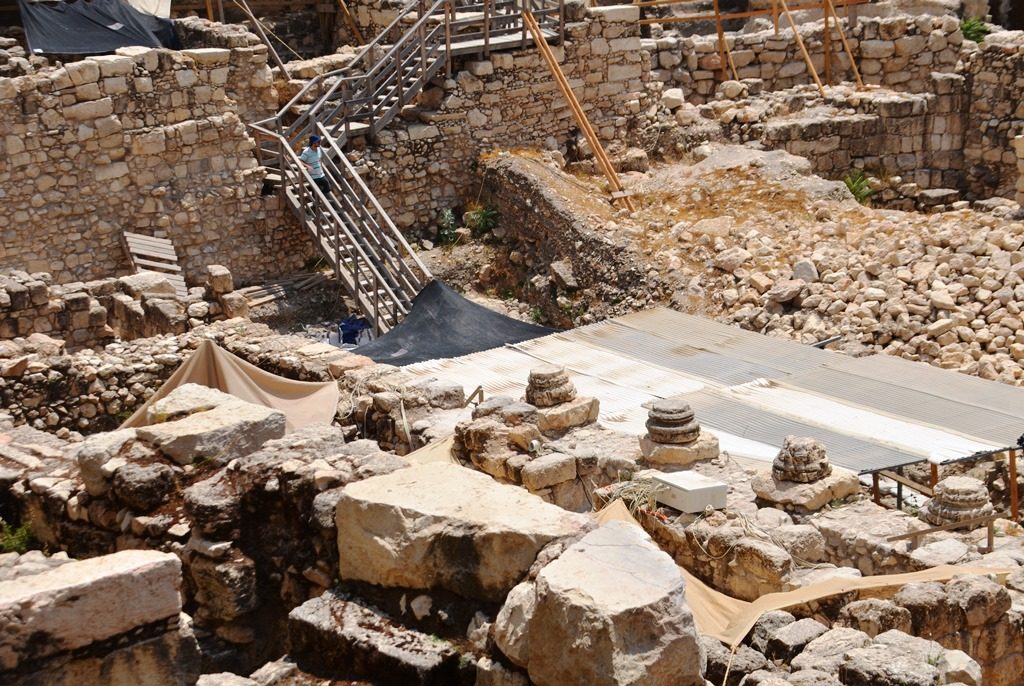
The remains of Roman domination in Jerusalem are on display.
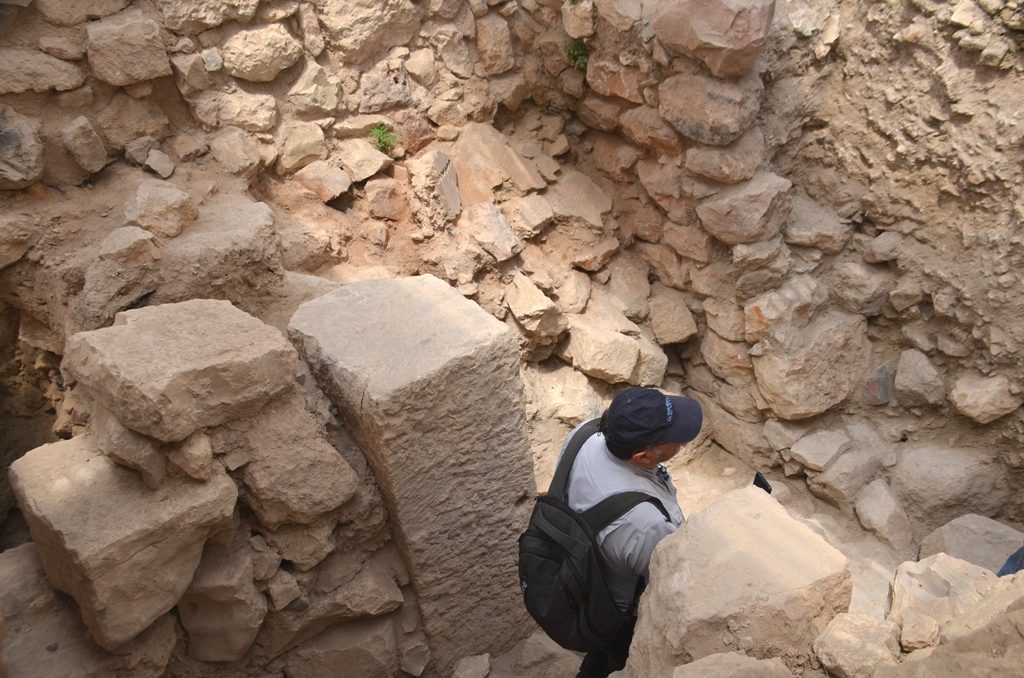
One new discovery was a two-story house. The destruction by Rome of Jerusalem was so powerful that the upper level of this house fell on top of the lower one and a two-meter high piece of the structure was unearthed.
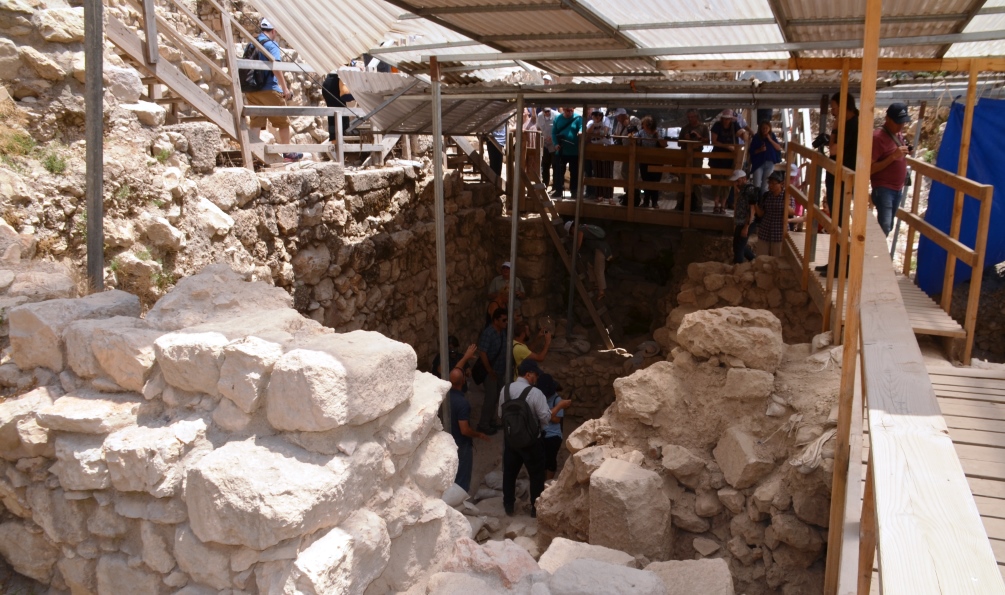
As in other Ir David finds of the historic time period, blackened remnants from the destructive fires were discovered in this house.
I opted to take photos from above and not enter the bedroom below.
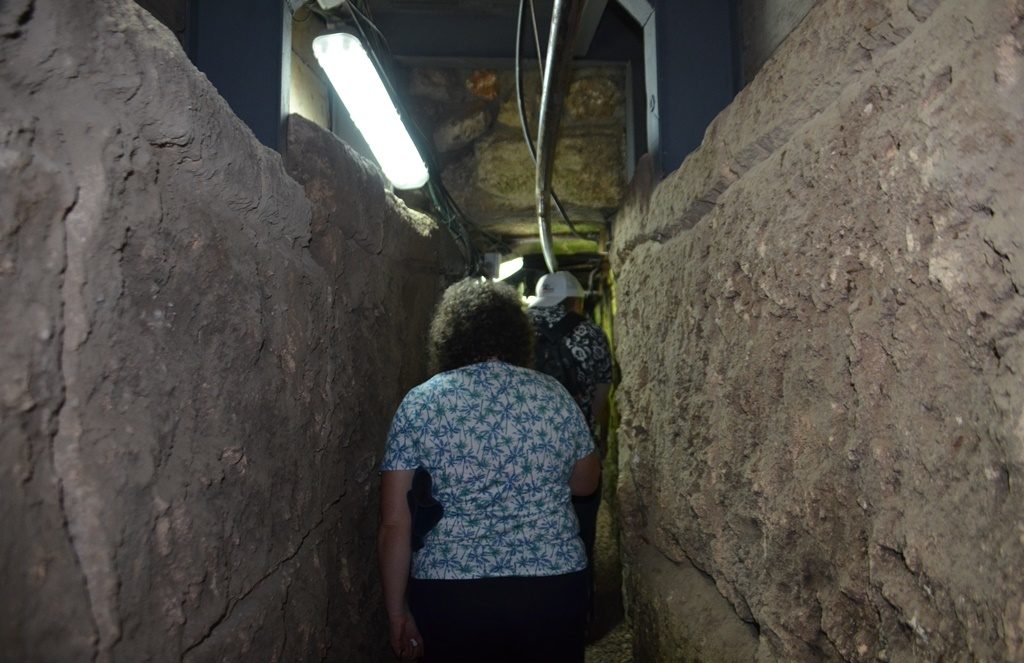
But below we did go.
We followed the path of the drainage system of Jerusalem to the Shiloah pool in the Kidron Valley, which was under the Jerusalem streets in the time of the Romans.
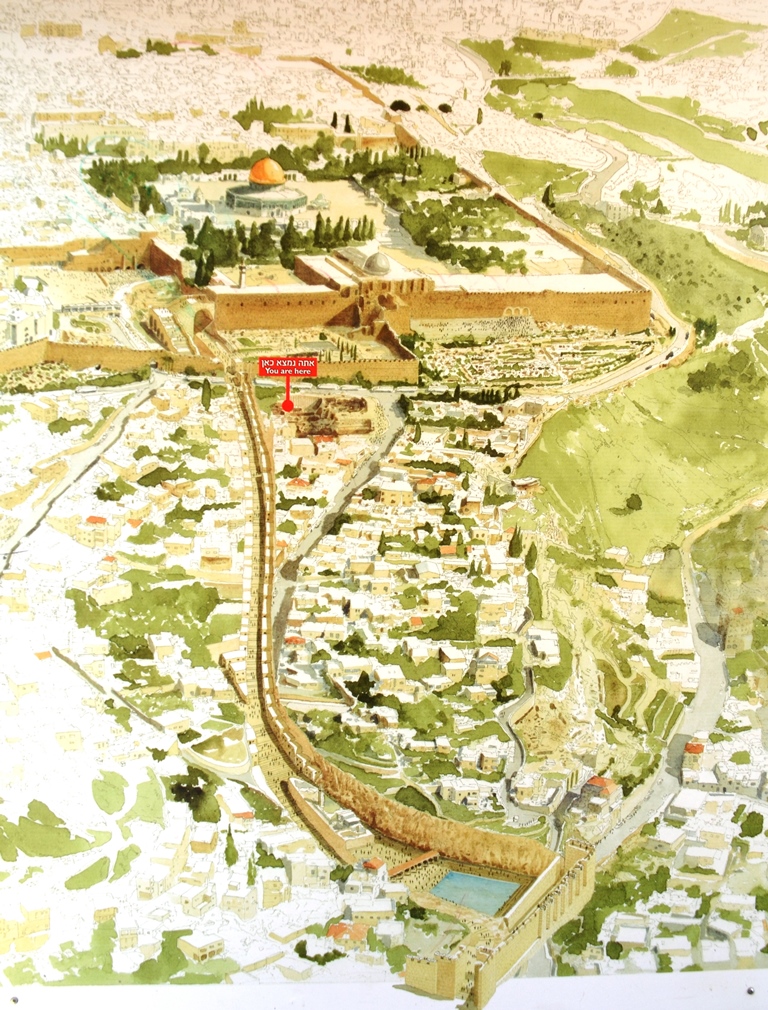
This map shows the route of the planned Pilgrims Path which is being excavated and made safe for tourists.
Another layer under the old street has been found, the drainage channel from which the last Jews of Second Temple times tried to hide and escape from the Romans.
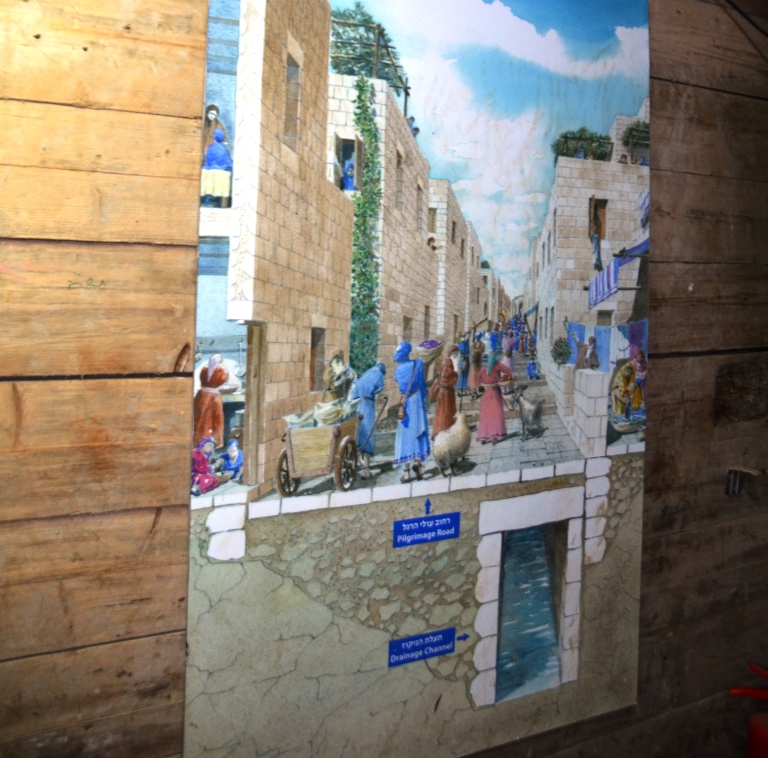
This poster illustrates the street scene in more pleasant ancient times and the drainage channel which ran below it.
However, the last Jews of Jerusalem did not escape to Masada.
They were discovered hiding in the drainage channel by the Romans and all murdered.
The artifacts they left behind are being revealed daily at the Sifting Project in the Zurim Valley.
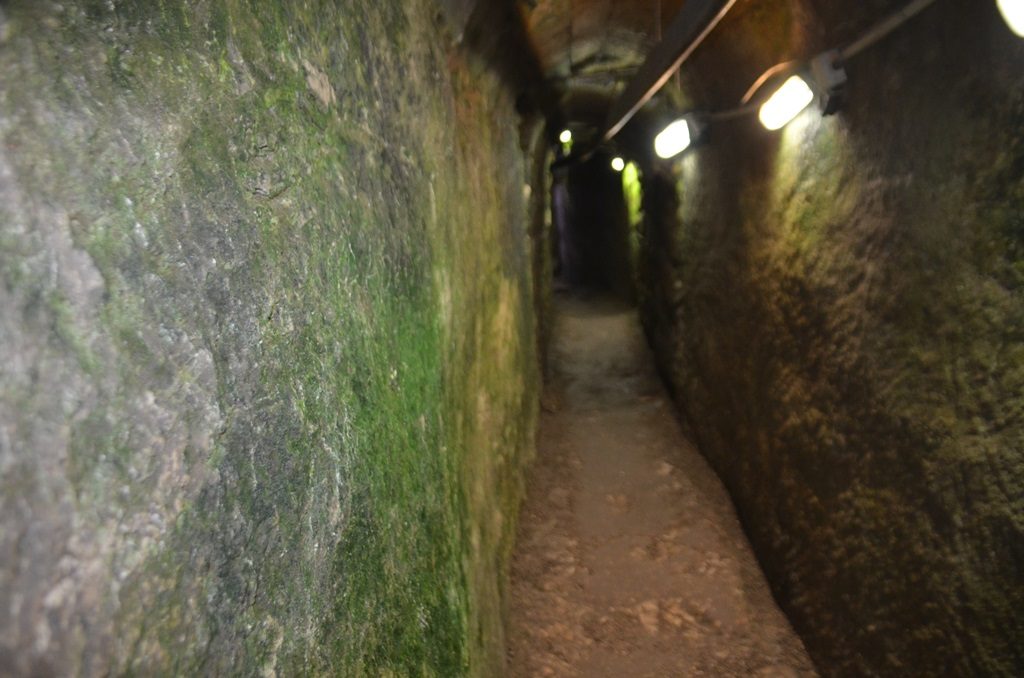
Today large portions of the drainage channel have been careful revealed by archeologists.
From the Givati Parking lot, we surfaced at the base of the Western Wall.
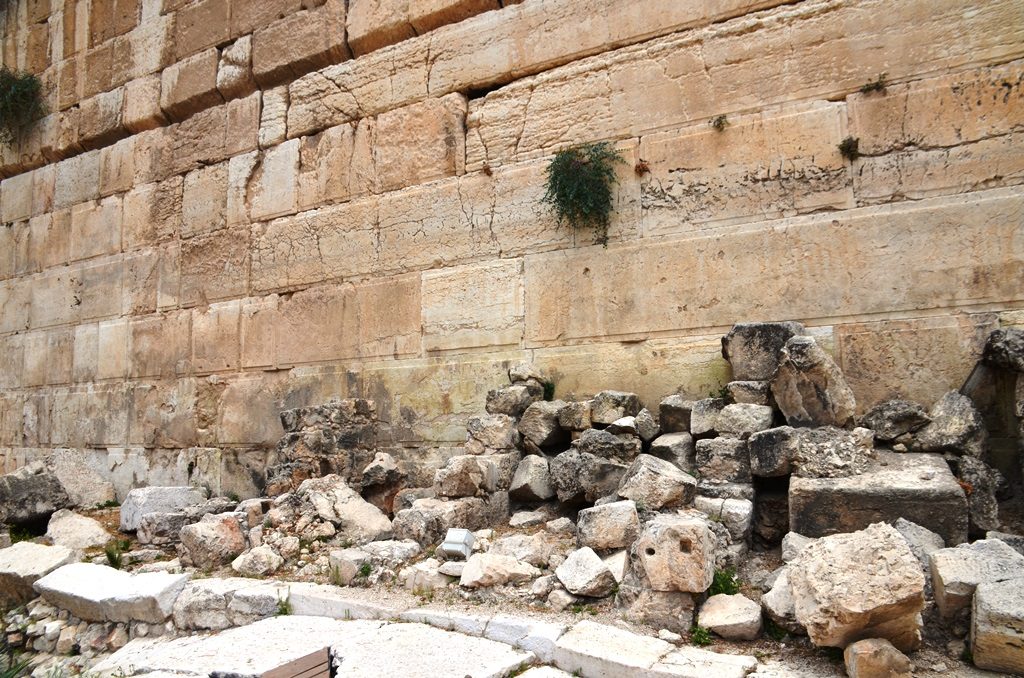
Here are stones from the Roman destruction of the Second Temple, tossed away and remaining today.
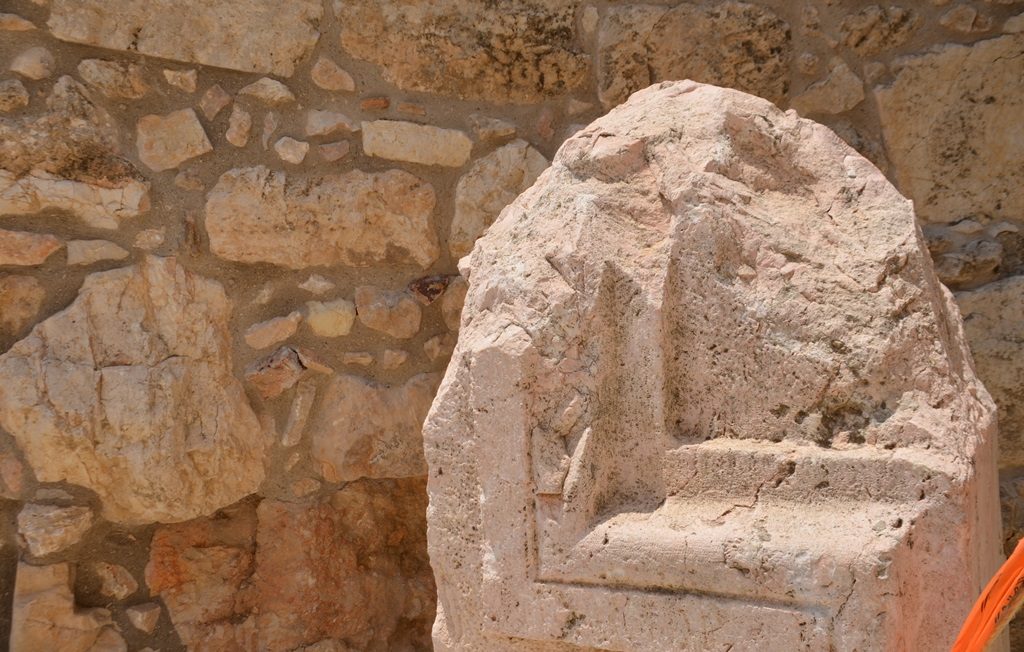
Pieces of stone with Temple carvings are in this area by the Davidson Southern Excavations.
Under your feet, almost anywhere in Jerusalem’s Old City are layers of history.
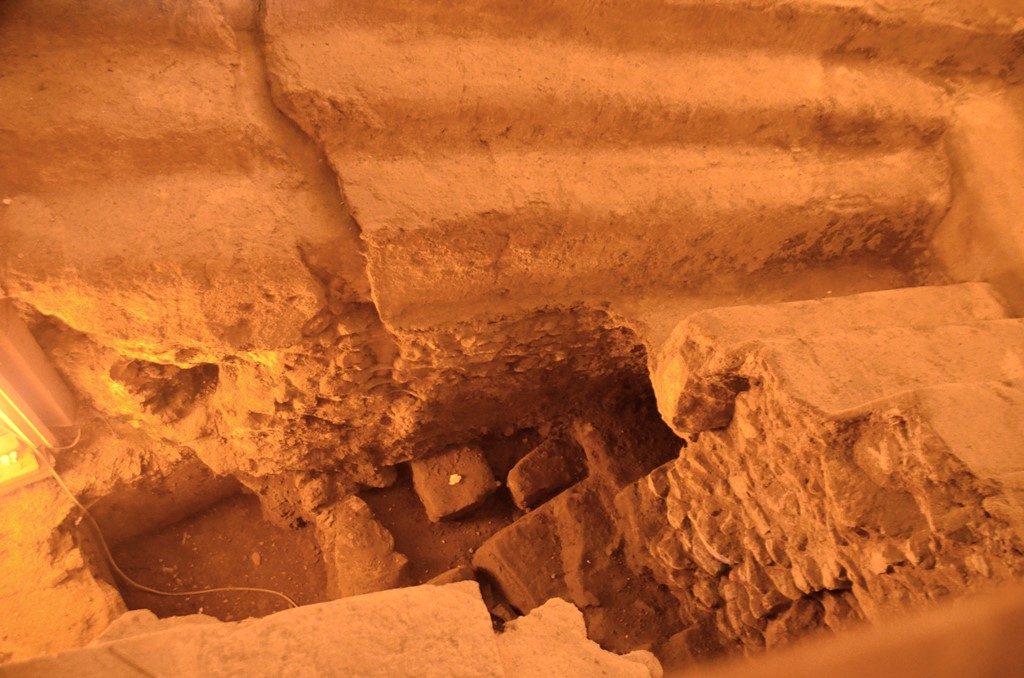
A new excavation under the Western Wall exposed a very old mikvah, a ritual bath.
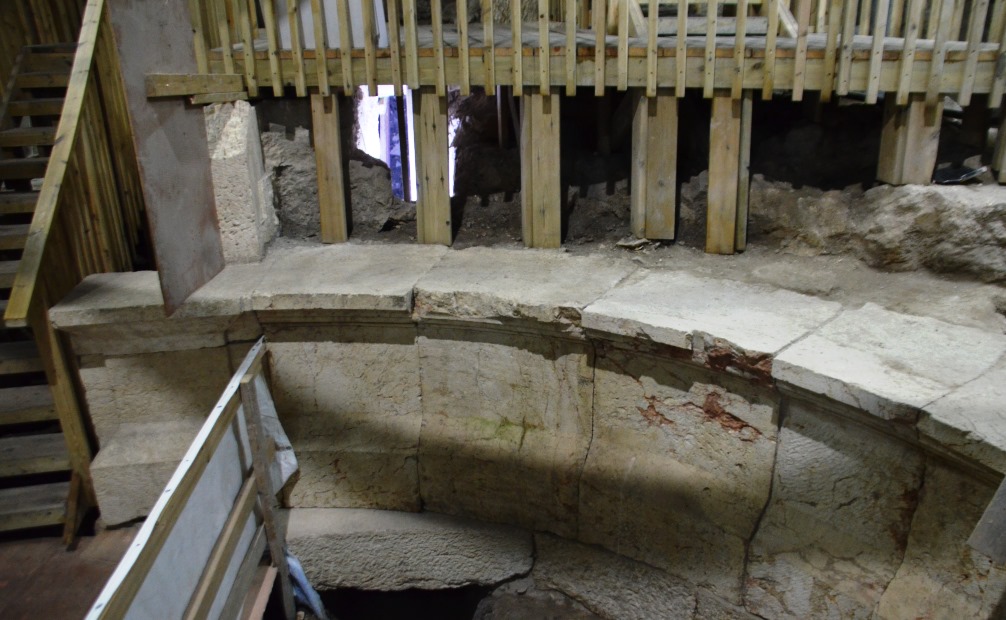
Work in this area leads archeologists to believe the Greeks were building a theater that was never completed.
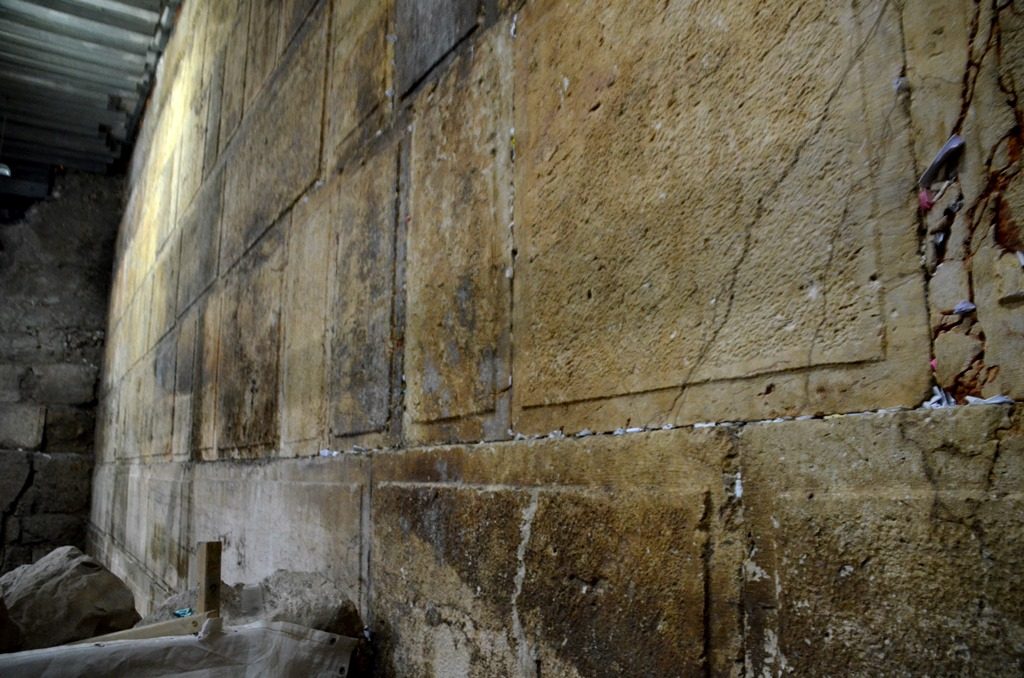
More sections of the Western Wall stones have been revealed under the present street level.
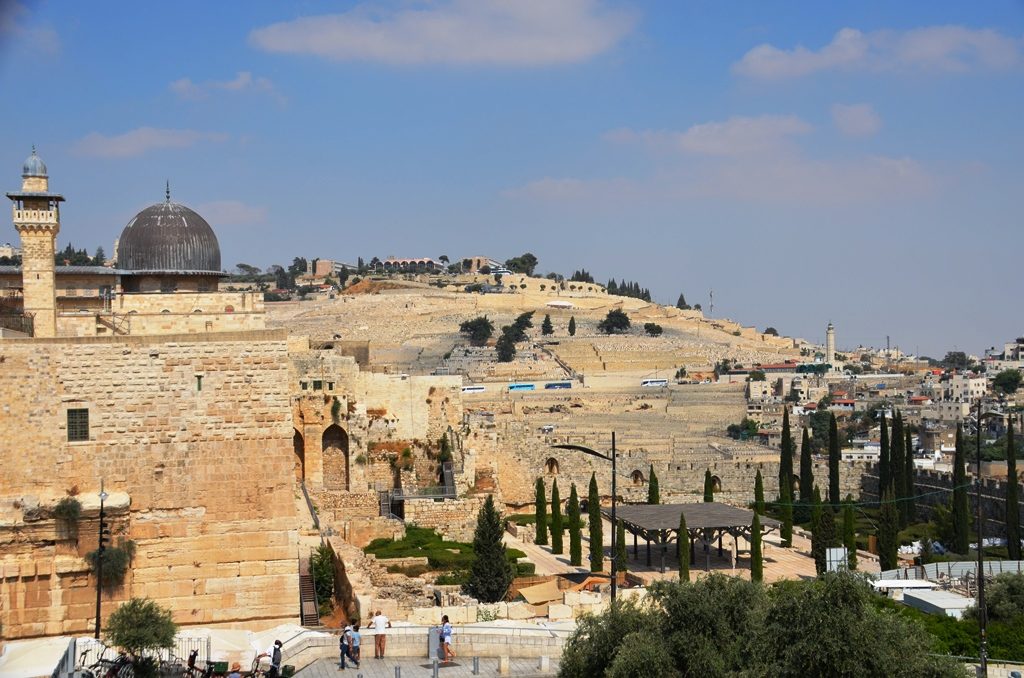
The Davidson Southern Excavation is continuing with new discoveries, with the view of the Mount of Olives in the background and Al-Aqsa Mosque on the left.
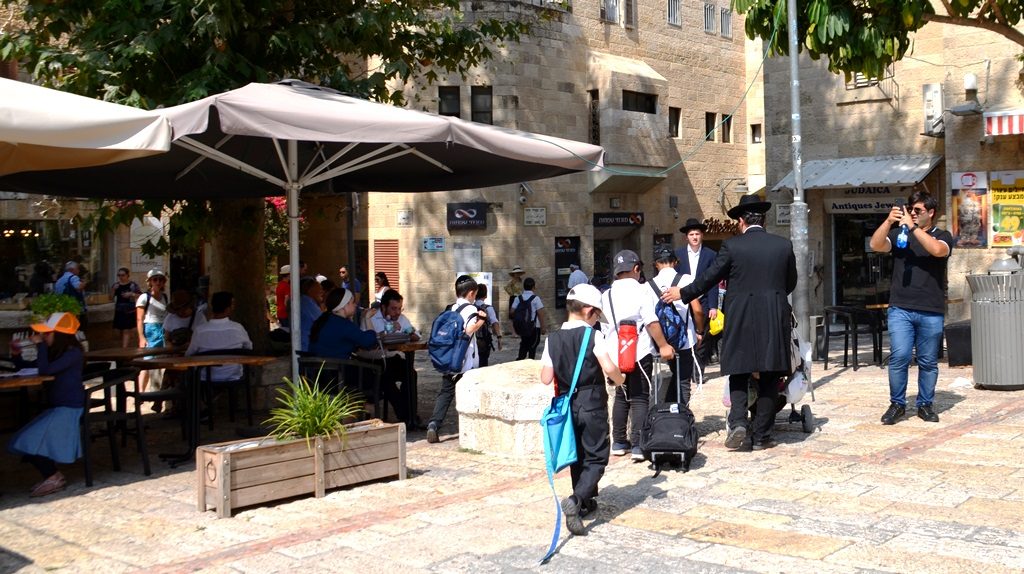
Children, tour groups, thousands of all ages filled the Jerusalem Old City streets during the Nine Days leading up to Tisha B’Av.
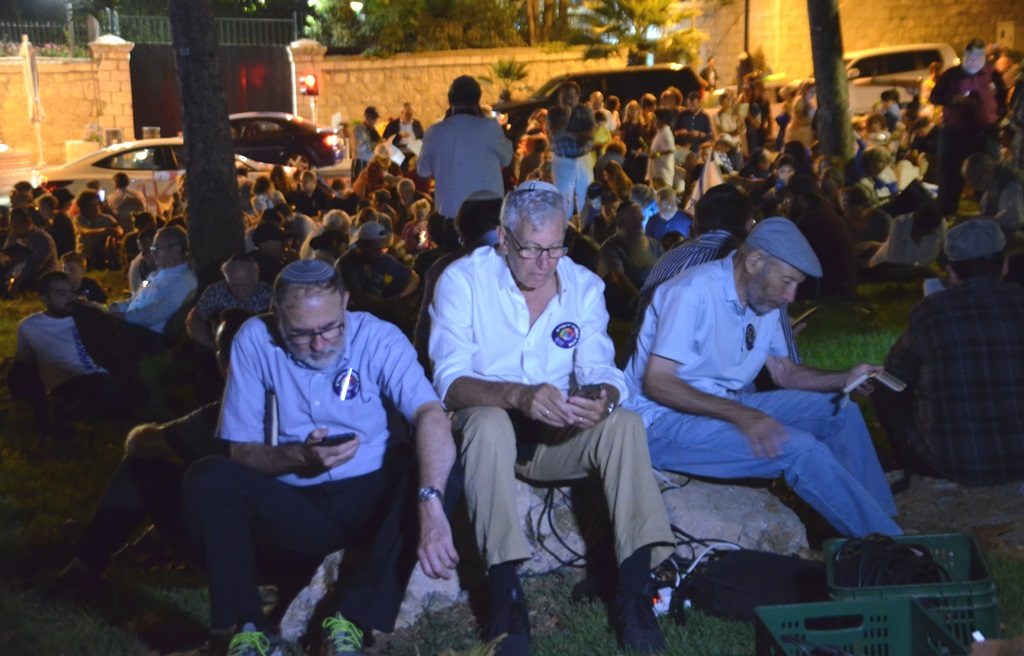
People sat on the ground, on Jerusalem stones to hear Eicha, the book of Lamentations, at night.
Tens of thousands arrived all night long for Tisha B’Av at the Kotel, the Western Wall.
There was so much more I could share, but I will conclude with two favorites on Tisha B’Av.
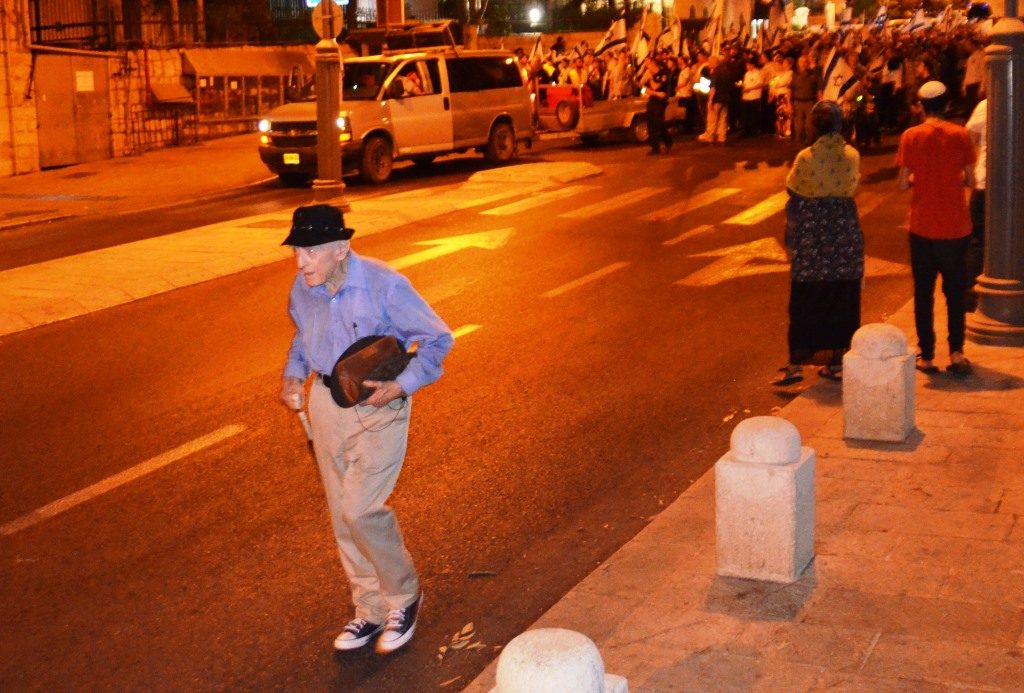
This gentleman with a lovely English accent, born in 1931, took a head start before the group walking around the walls of the Old City. He said that he comes most every year for the last 25-years. Later during the walk, he refused any help, and his only complaint was timing to get to Jerusalem from Tel Aviv after Shabbat.
Kessim, Ethiopian religious leaders, have been coming to the Kotel each year before Tisha B’Av to pray.
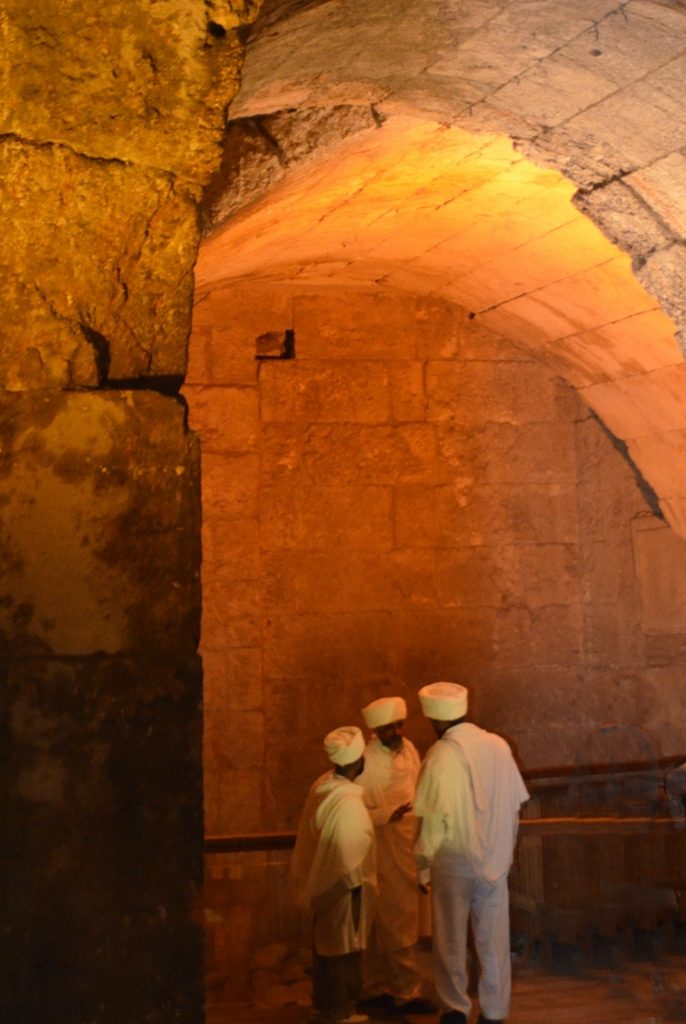
Near the Kotel, under this old archway, three of the men, from the larger group of Kessin all dressed in white who were on a tour, stopped to talk.
Think about it–their traditions went back to the times of the First Temple.
They arrived in Jerusalem to find Zion, Jerusalem, the First Temple had been destroyed.
Another ancient war, another layer of history yet to be revealed.
On and below the Jerusalem streets, old and new, constantly evolving.
Though 15 Real Photos of Arab Girls was the most popular RJS post.
I hope you enjoyed these bits of archeological finds, there are more to share next time.
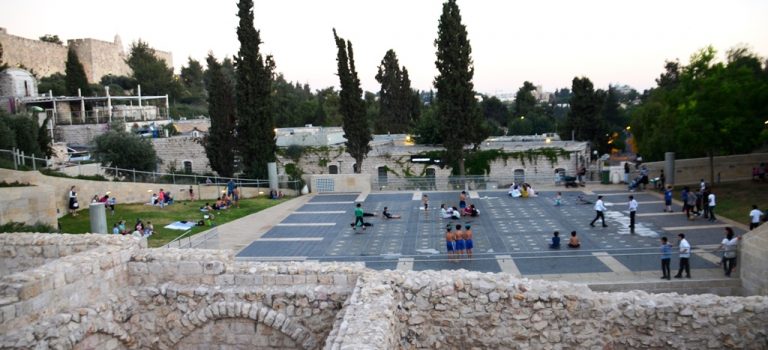
Oft repeated here,
you never know what you will find on the Jerusalem, Israel streets.
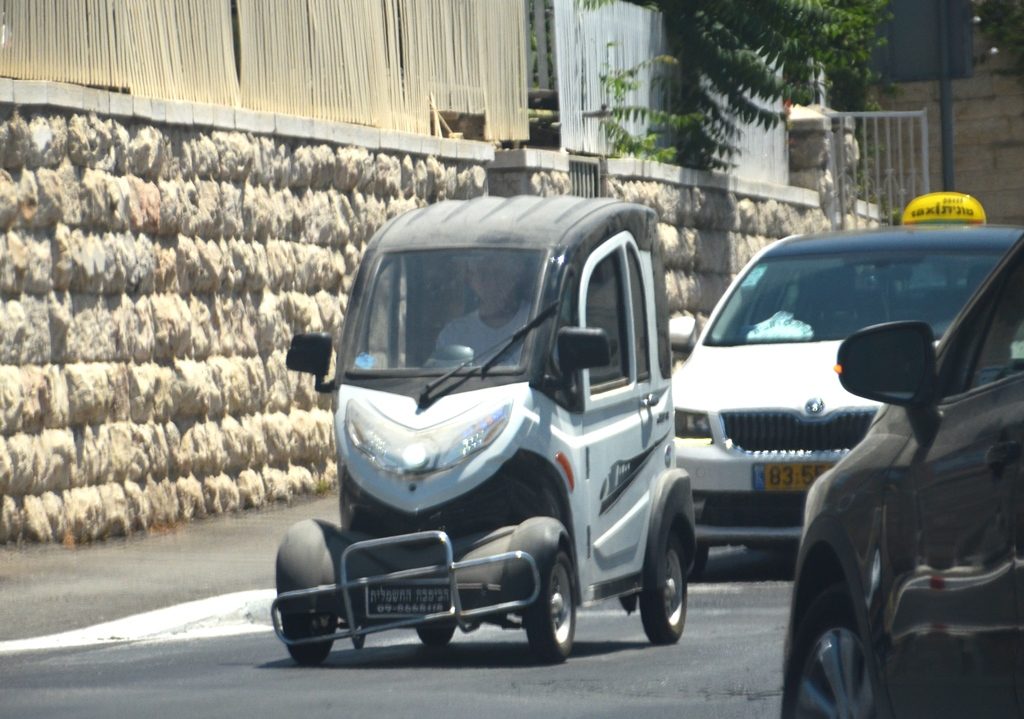
This cute little “Electric Bimba” on the street certainly fits the theme.
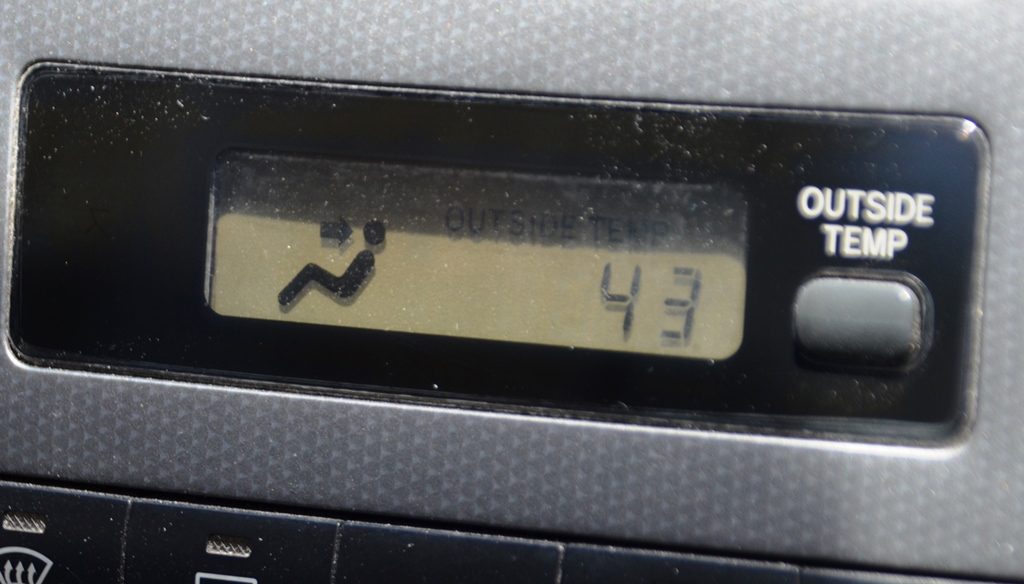
As the Jerusalem temperature was rising outside, our car parked in the sun went to 43 degrees C, over 100 degrees F. I have no idea what the temperature was in the old revved up personal transporter.
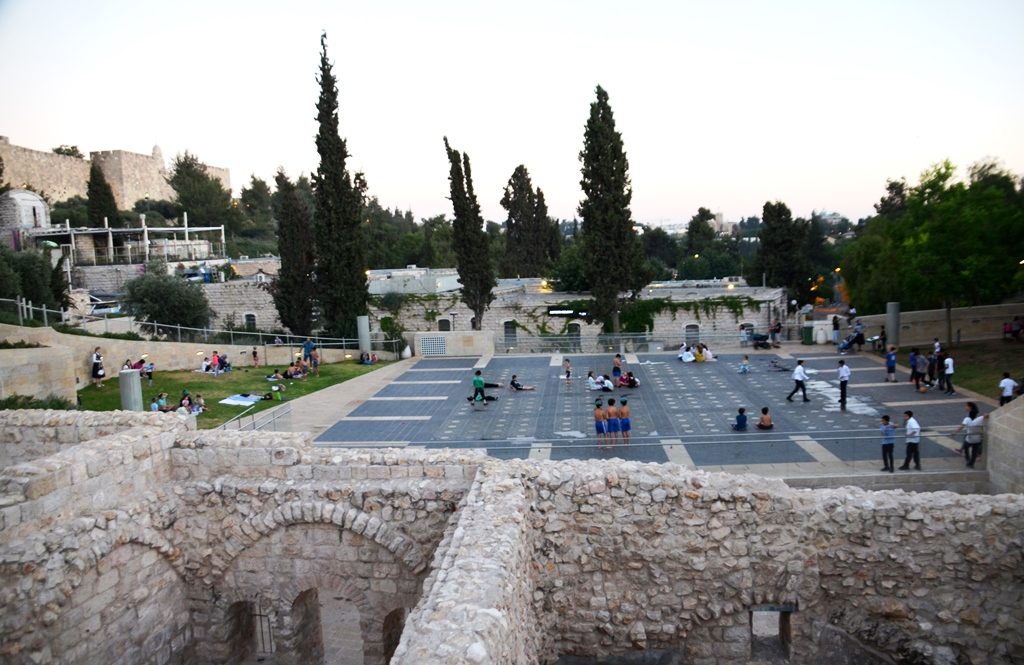
People gather at Teddy Park in the evening, for the water fountain to go on and cool off.
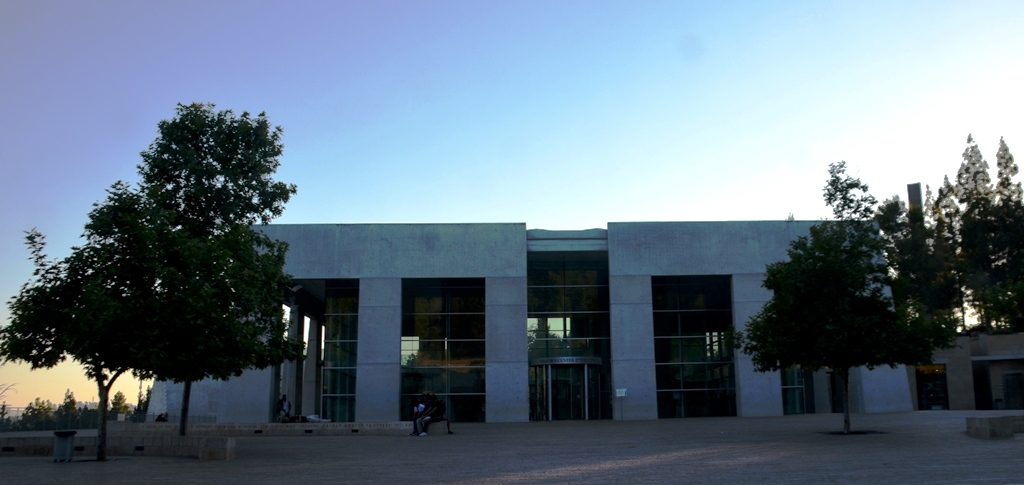
One place with thousands of visitors daily, no matter what the weather, is Yad Vashem.
A very special event was held on July 25 in the evening.
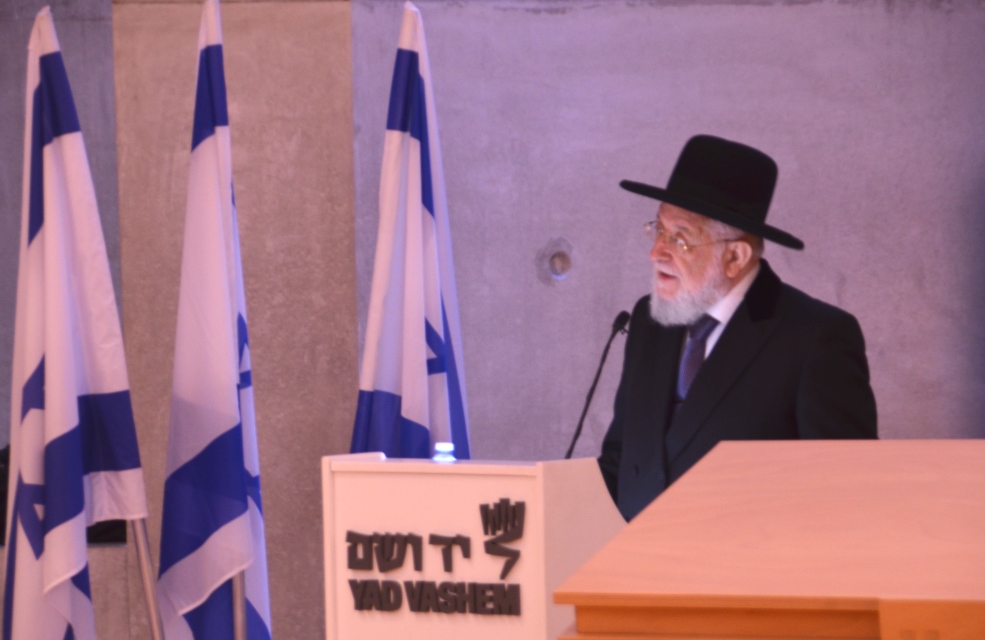
As Rav Yisrael Meir Lau Israel’s former Chief Rabbi told his story, he looked at an image projected on the wall of the synagogue.
The occasion was a conference on Holocaust education for North American Jewish educators.
The image was that of him as an 8-year old child.
A Holocaust and concentration camp survivor, the image shows him sitting on a bench between Jewish US Army soldiers who liberated Buchenwald.
Sixty percent of the concentration camp survivors died during the first few days after liberation. His older brother Naftali z”l was ill, so weak he was unconscious, and was not aware of liberation until much later.
Rabbi Hershel Schacter z”l, was the US Army chaplain who entered with the liberating US Army, who extended his hand to the frightened little boy.
Next to speak was his son, Rabbi Jacob J. Schacter, who told the story of his father’s desire to serve in the US Army during wartime.
From the Yad Vashem synagogue, after listening to the emotional remarks from both rabbis, the assembled group walked solemnly into the main building.
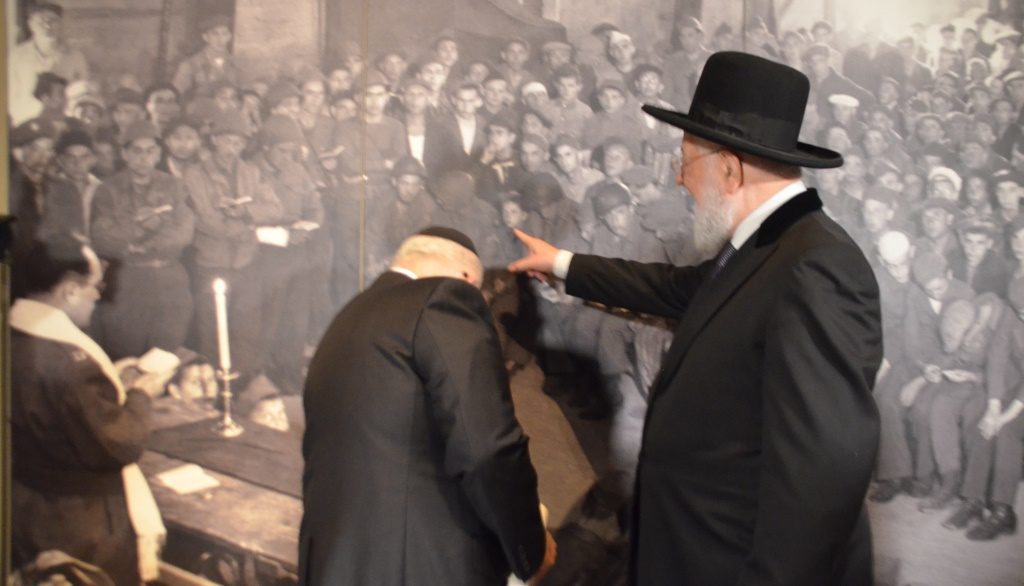
There Rabbi Lau pointed to where he sat amid the US Jewish soldiers and Holocaust survivors in the famous image.
On the far left side of this US Army photograph, is Rabbi Schacter z”l, 25 years old, leading the Shavuot holiday service.
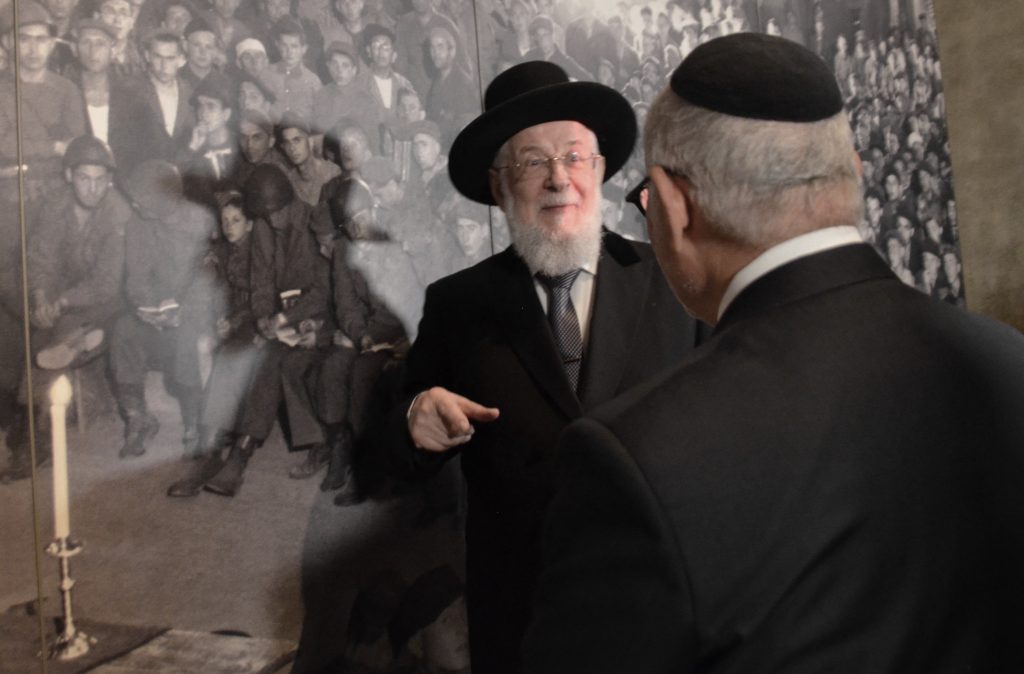
In Jerusalem, in Yad Vashem, in the hall of memories, Rabbi Lau spoke with the son of Rabbi Schacter z”l of his first Jewish memories as a survivor.
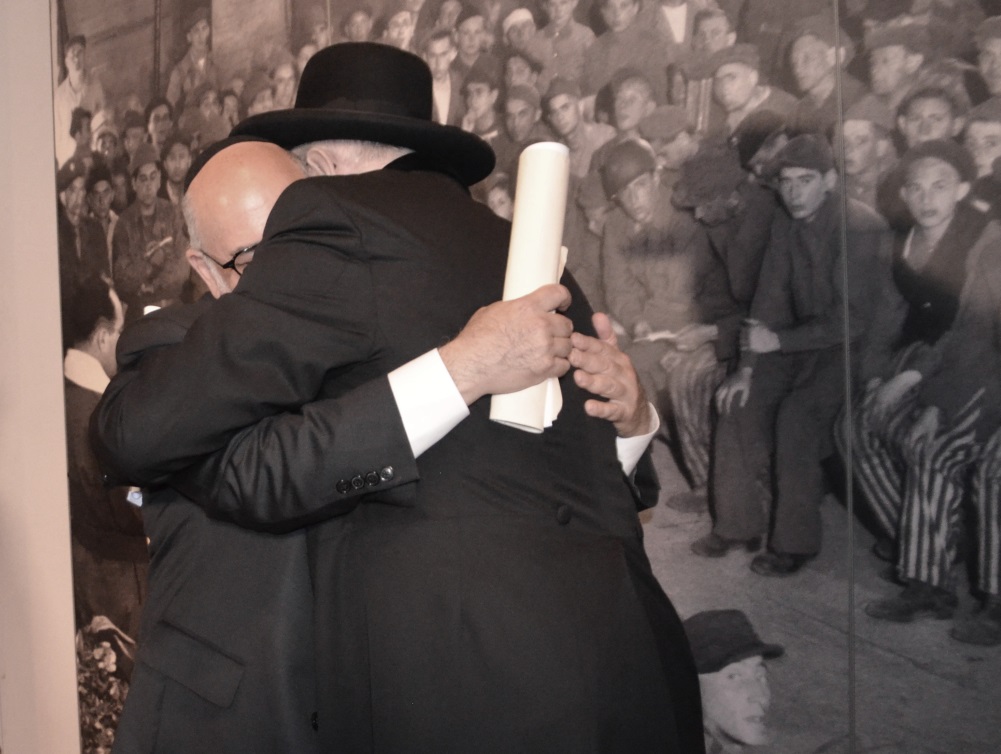
The two men hugged in front of the iconic image, in the presence of Rabbi Schacter’s z”l extended family, which included a great-grandson.
A unique and meaningful hug, spanning decades of history, uniting liberators and survivors.
Jerusalem is a city, of contrasts, old and new, and diverse realities.
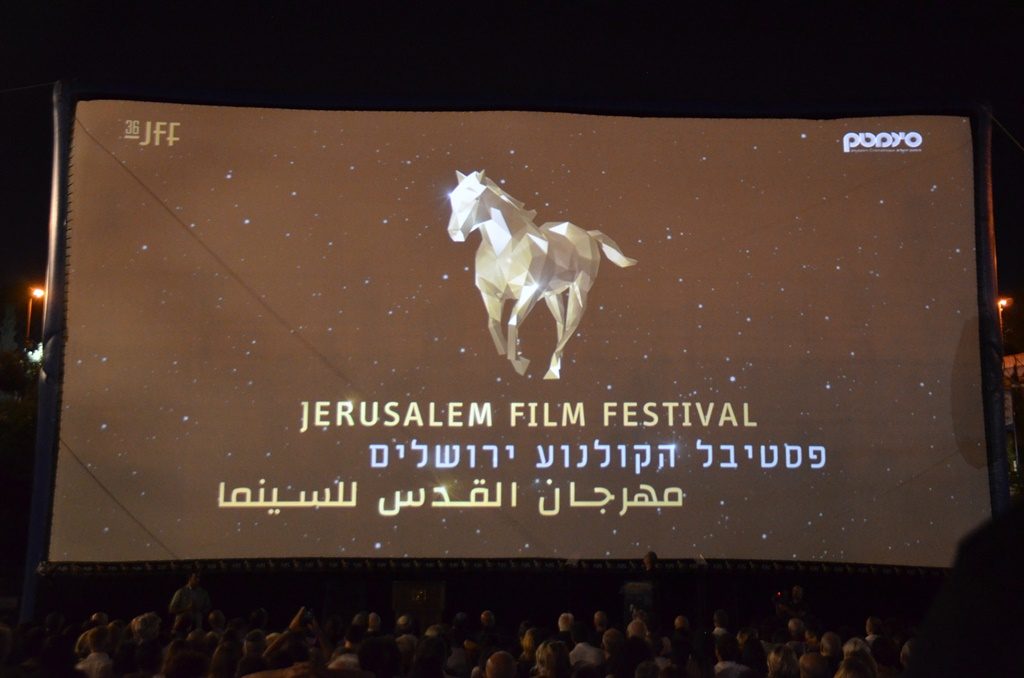
From Yad Vashem, as the sun was setting, I rushed to the Jerusalem Film Festival opening in the Sultan’s Pool.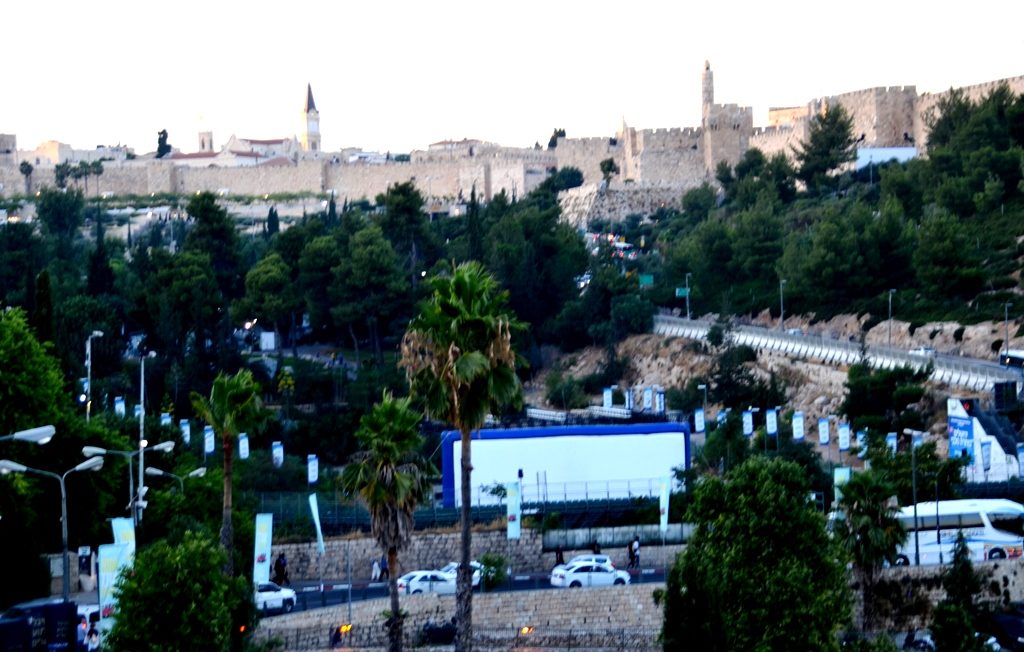
The screen could be seen from the Cinematheque, with the walls of the Old City in the background.
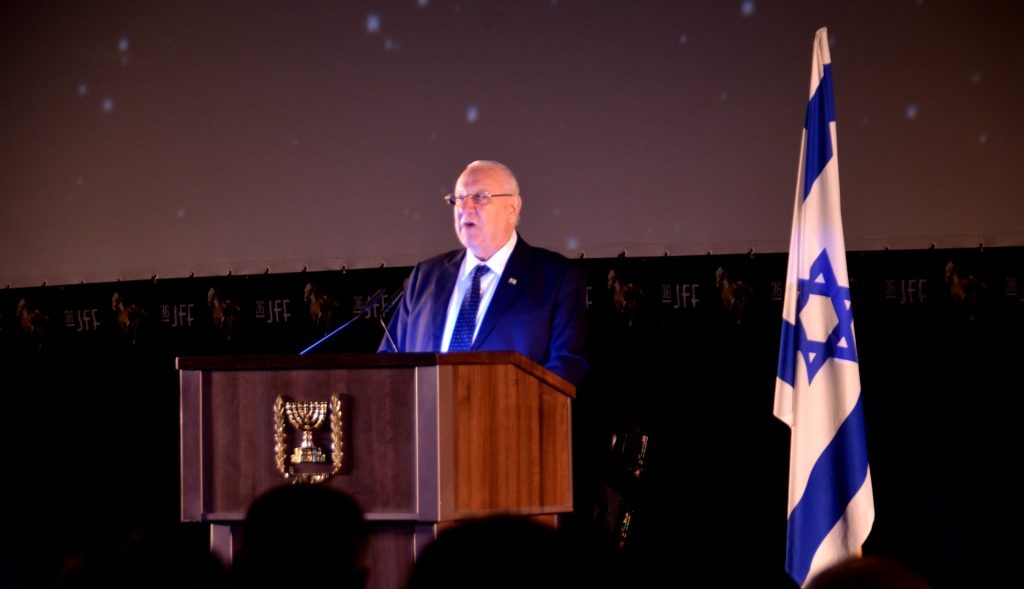
President Reuven Rivlin was the honored guest, as a new film award was initiated in memory of his wife Nechama z”l.
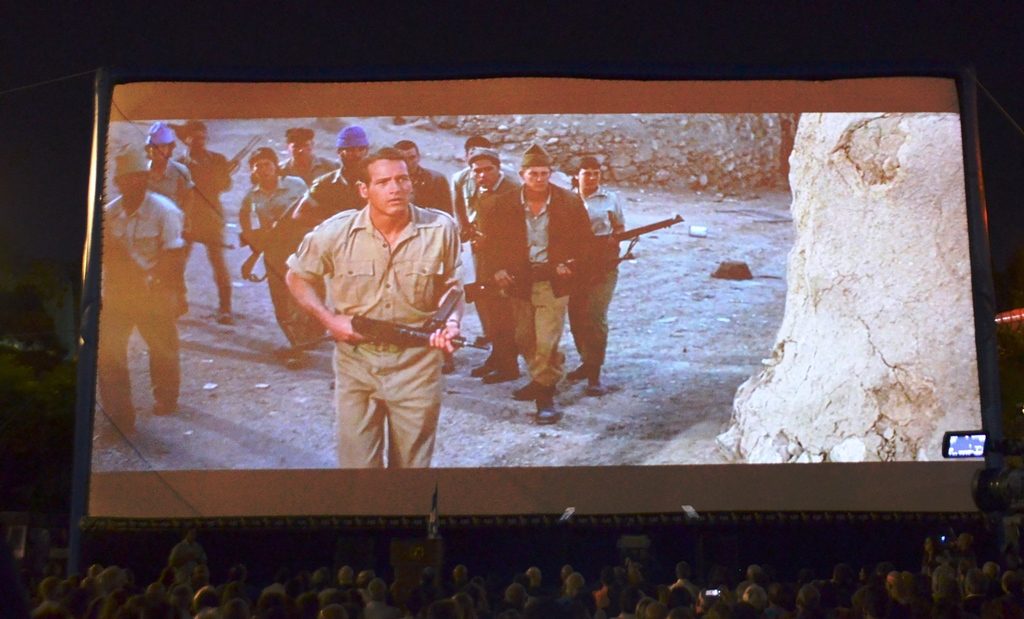
In the opening video presentation along with greetings from Jerusalem Mayor Moshe Lion and Sports and Cultural Minister Miri Regev, were clips from the movie Exodus.
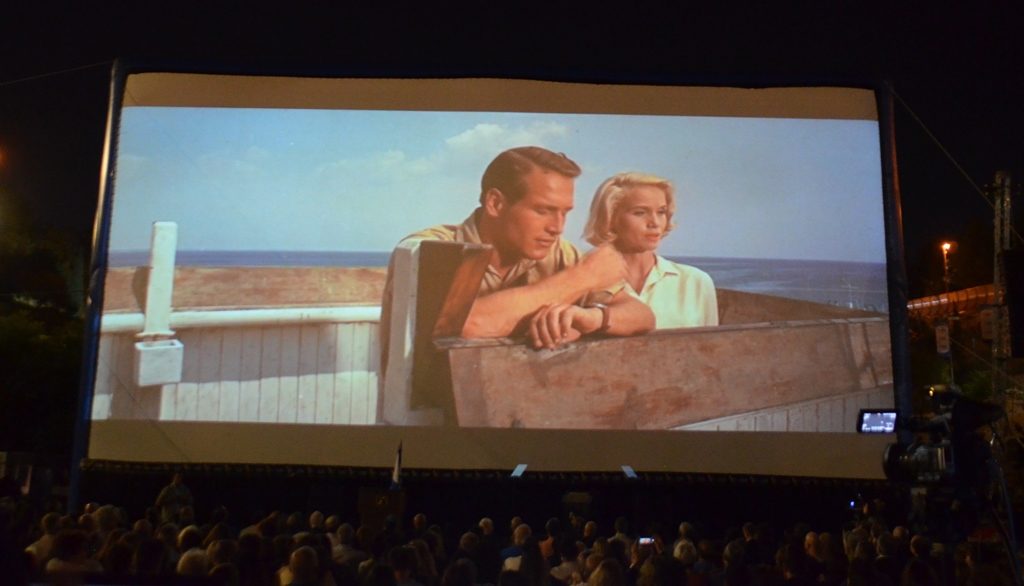
I wonder how many people learned of the establishment of modern Israel and were influenced by Paul Newman in this 1960 movie.
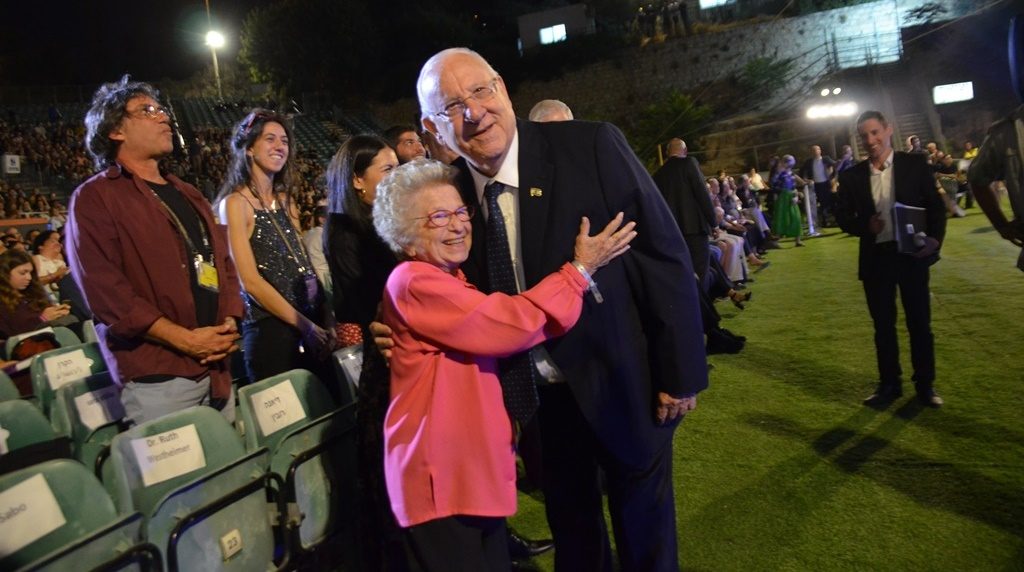
As for the second hug of the evening, Dr. Ruth Westheimer is back in Jerusalem. The documentary movie of her fascinating life was a feature of this annual film festival.
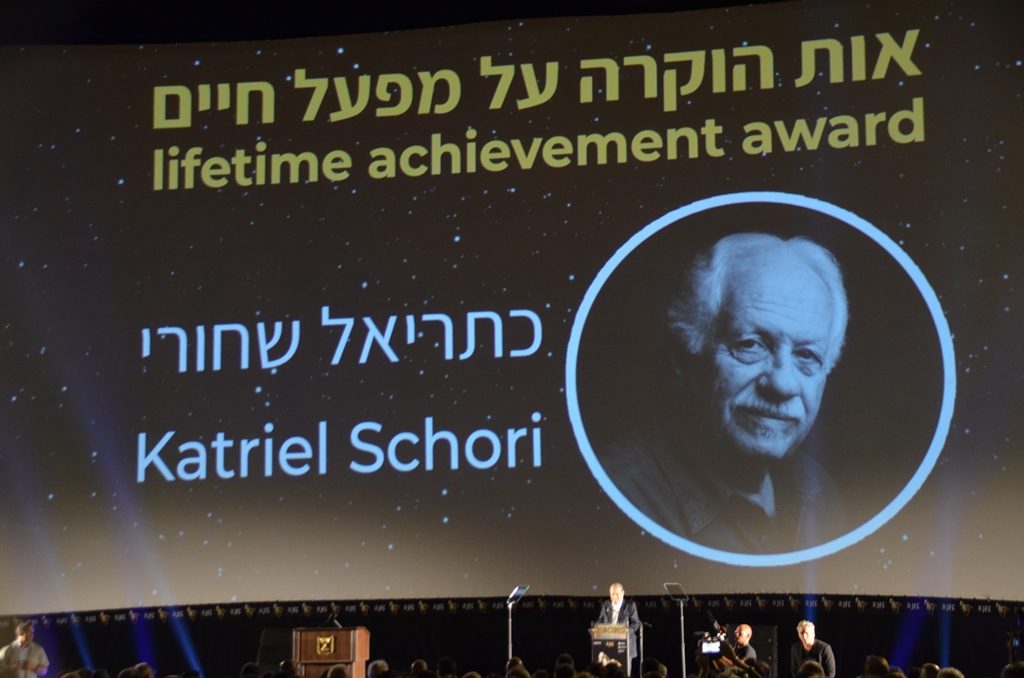
Katriel Schori received an award for lifetime achievement in Israeli film.
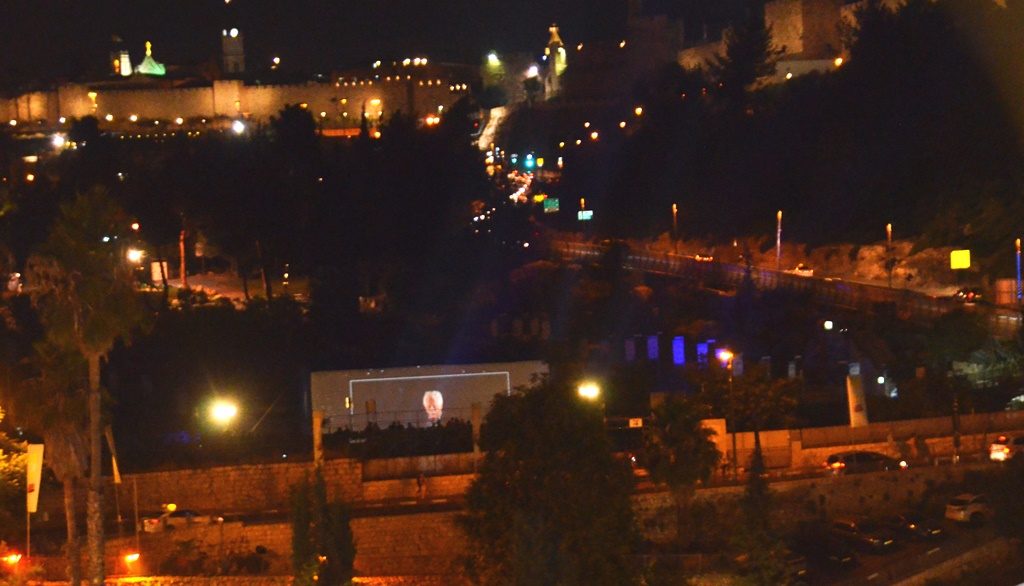
I left before the main film was shown, but I could see Schori accepting his award on the screen.
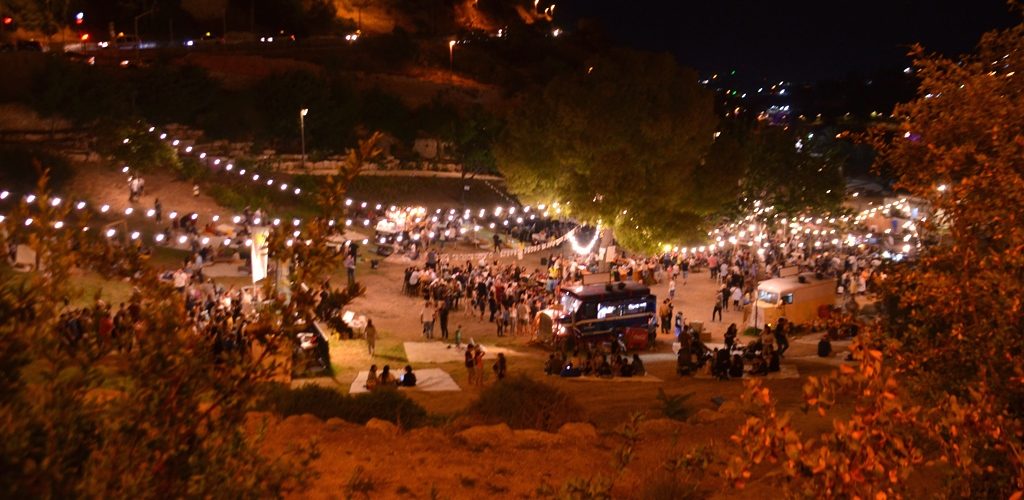
Down below in the valley the Food Truck Festival was going strong.
Thousands of people were out enjoying the cooler evening temperatures on very crowded Jerusalem streets.
Back to the Future with the Philharmonic orchestra performing live near the Old City walls was sold out days before. It was a Jerusalem Film Festival success.
However, the film festival has open and free film showings in various neighborhood parks.
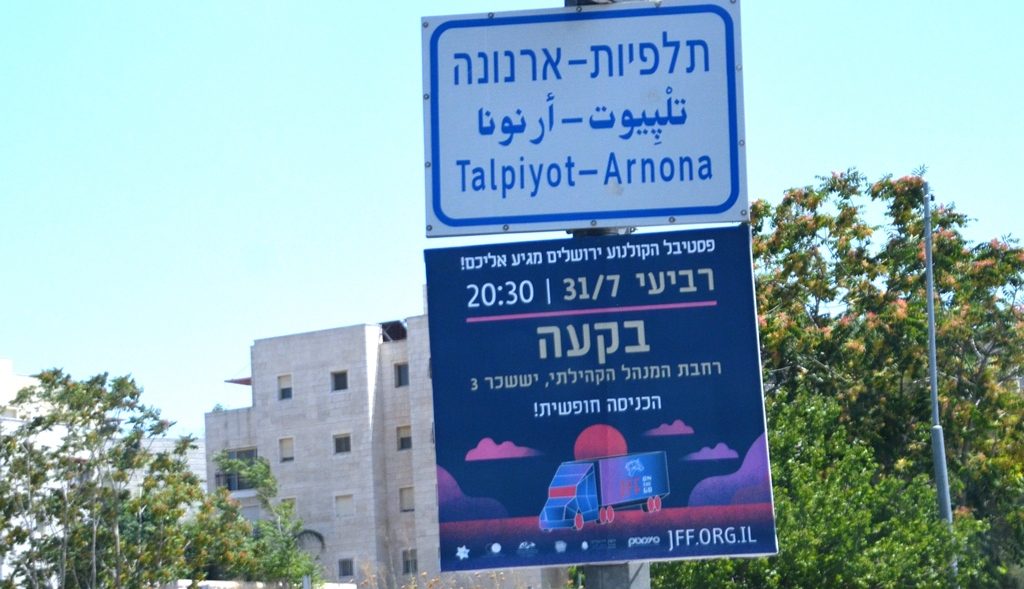
This sign in Arnona is for a film on Wednesday night in Baka. It will be shown free of charge outside in a park.
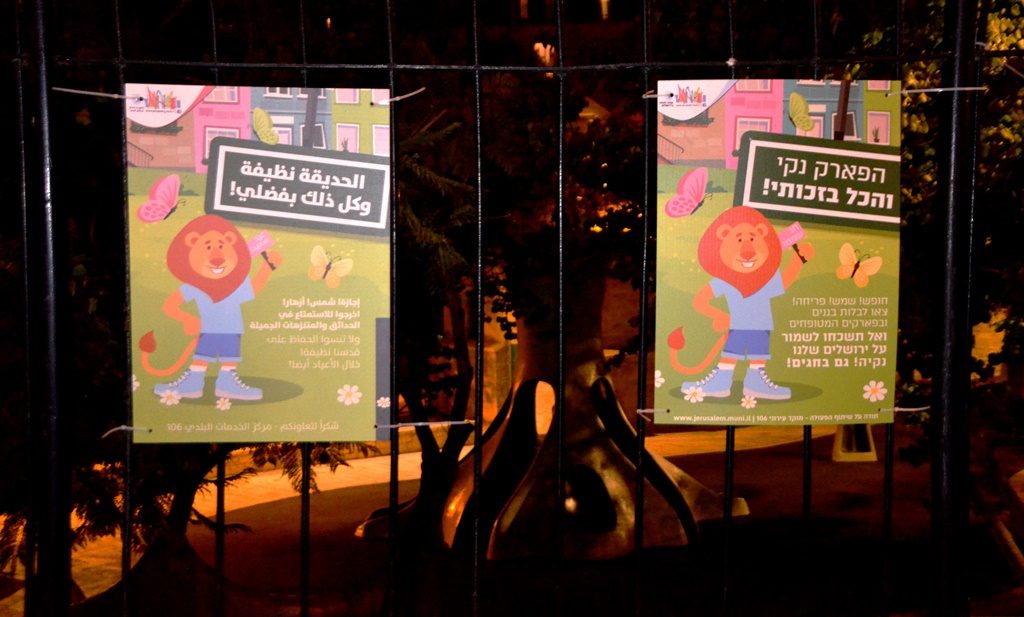
Signs in Arabic and Hebrew request that the parks be left clean.
Day or night, another week with many and diverse happenings on the Jerusalem streets.