Summer nights in Jerusalem when the streets come alive

Israel is in the midst of a heat wave.

During the Middle Eastern summers, Jerusalem is usually cooler at night.

Staying in during the day and venturing out at night is how I see the Jerusalem streets.

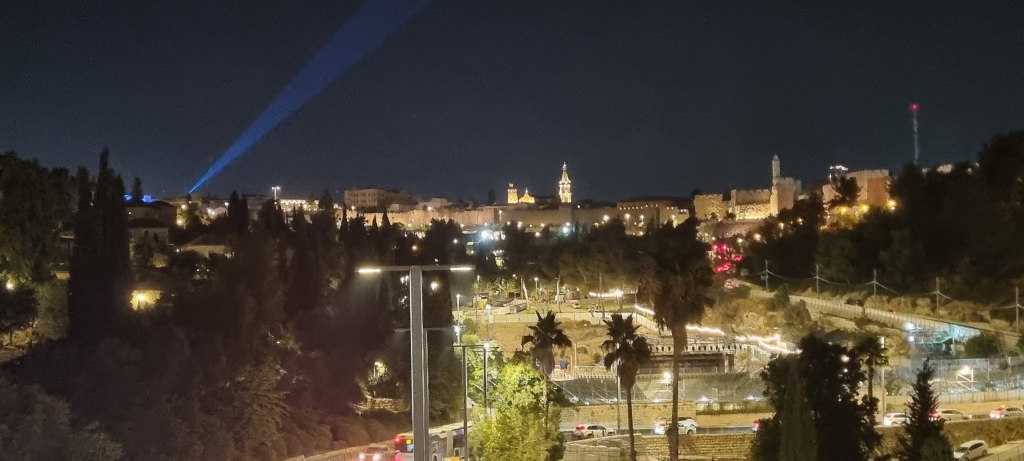
The lights of the Old City illuminated in the distance over the Sultan’s Pool are a favorite.

Turn around on the footbridge over Hevron Road and see

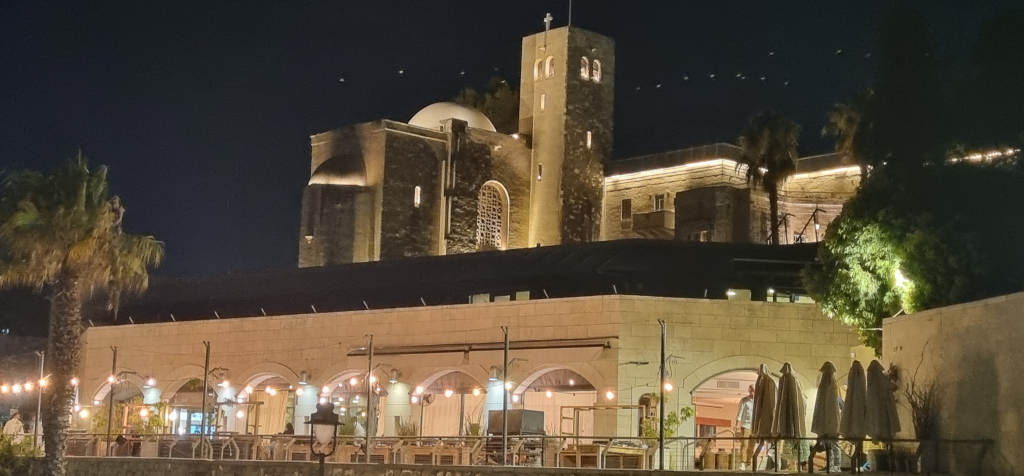
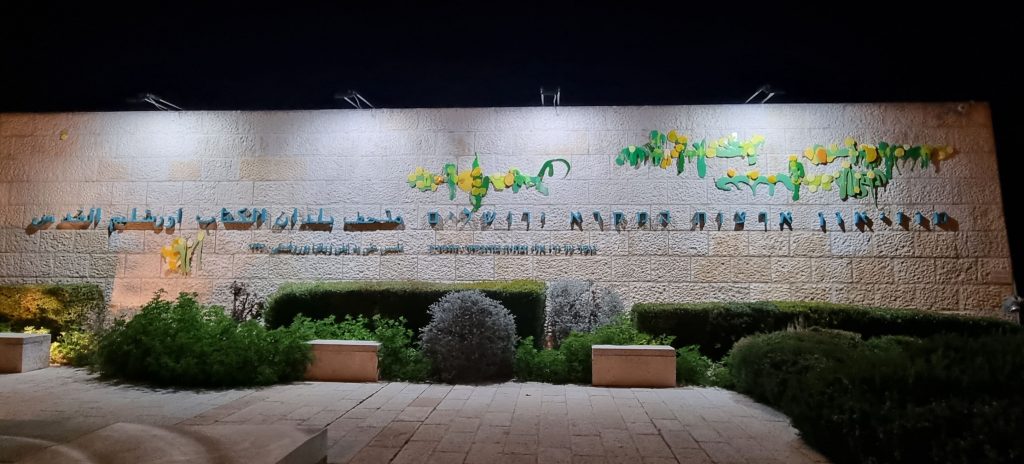
the lights of the Scottish St. Andrew’s Church towering over the Menachem Begin Heritage Center.

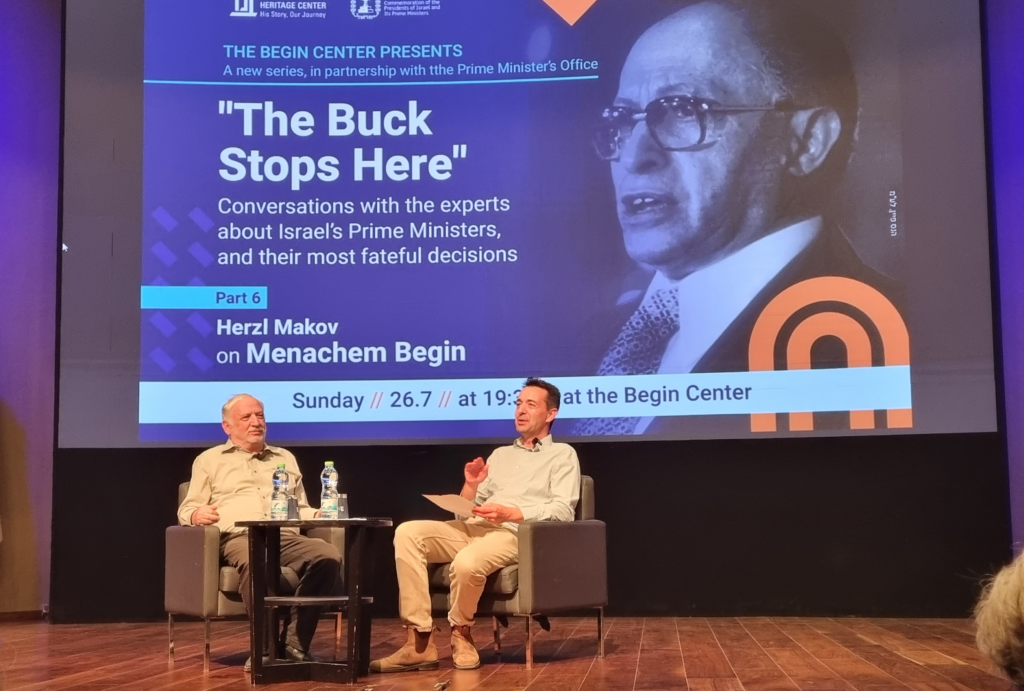
Another interesting interview in the Begin Center Prime Ministers series was held Sunday night.

Herzl Makov not only worked with Begin but also served as the Center’s founder and CEO.

Look for the recorded informative series online.

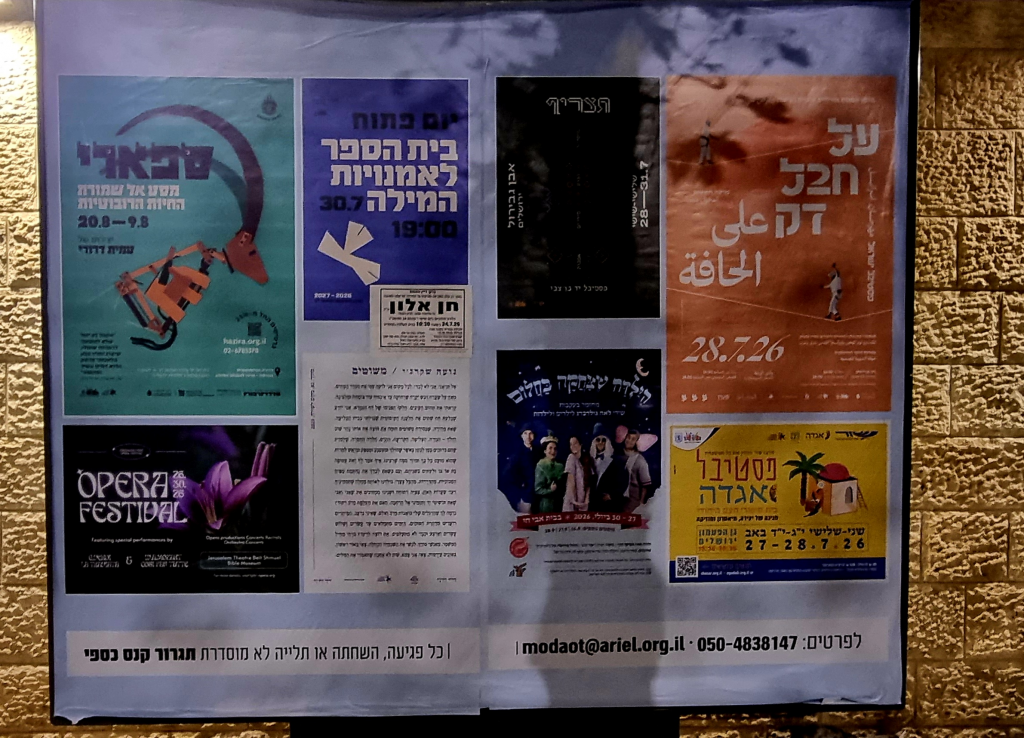
Summer in Jerusalem and it’s festival season again. Too many events to attend them all!
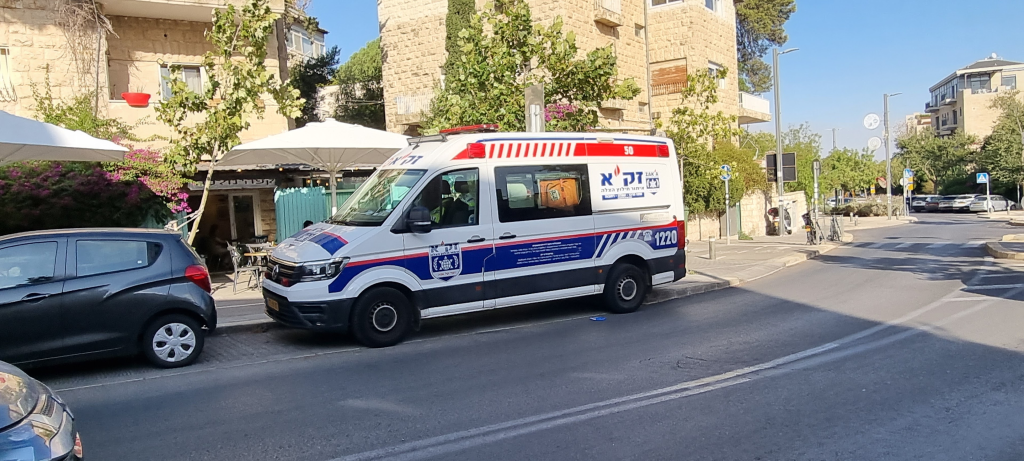
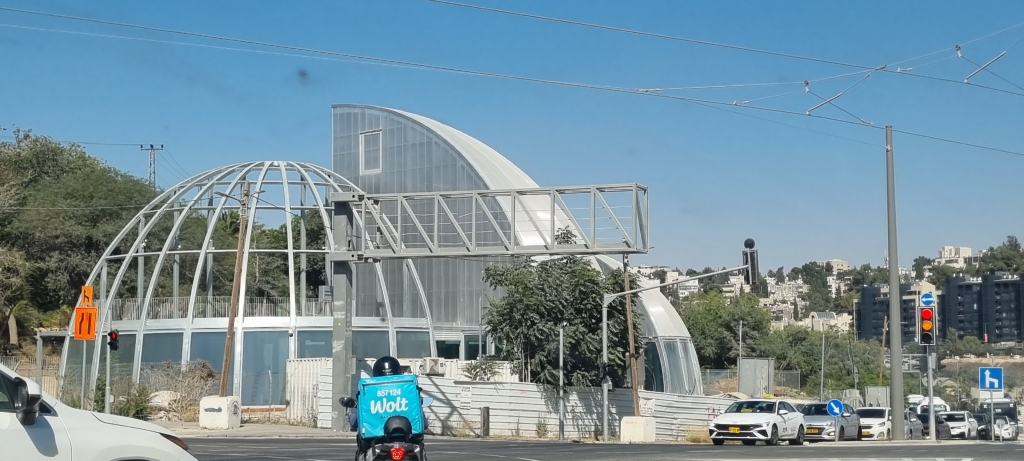
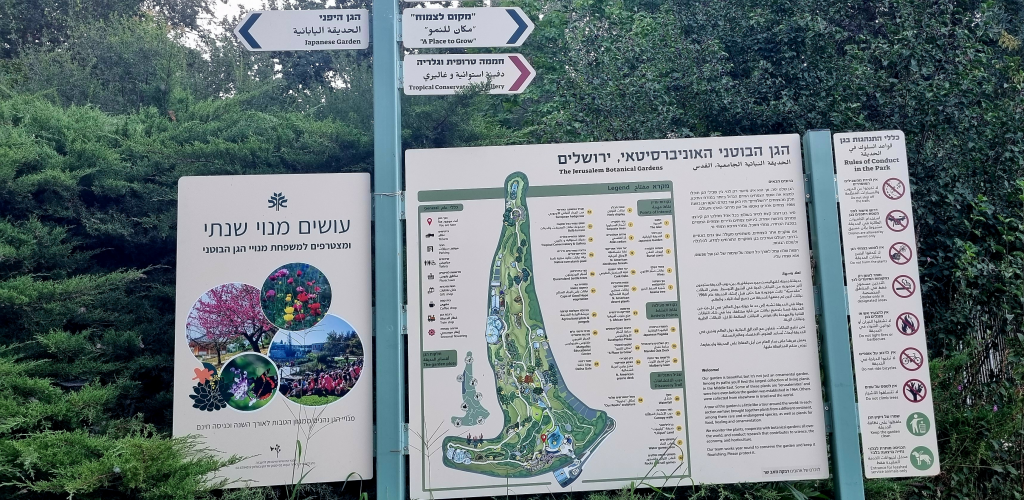
Leaving the Wolt delivery motorcycle in the photo of the construction on the new entrance to the Jerusalem Botanical Gardens.

As slow as the construction seems, that is how fast and frequent those food deliveries are.

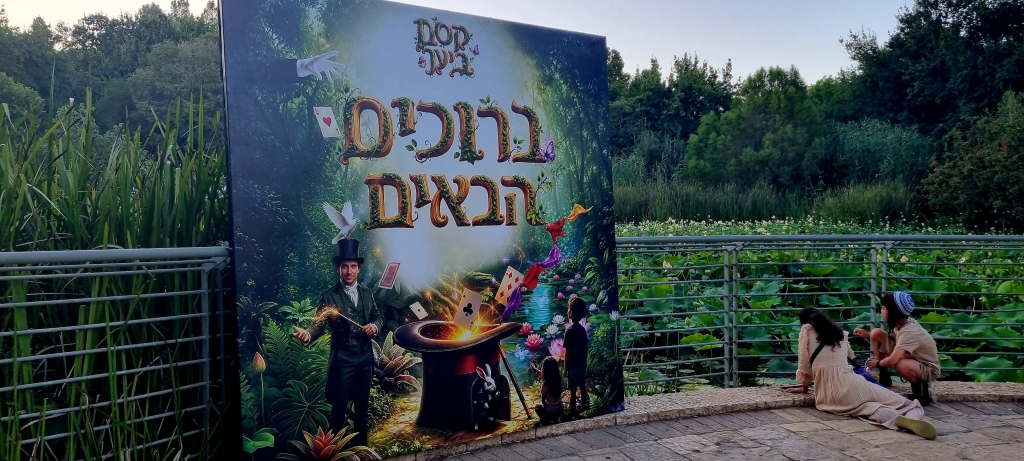
The Botanical Gardens is hosting another summer-themed event for families – Magic in the Forest.

The pond is filled with lilies,

and as temperatures rise, even the birds are slowing down.

The Jerusalem Botanical Garden has expanded greatly over the years.

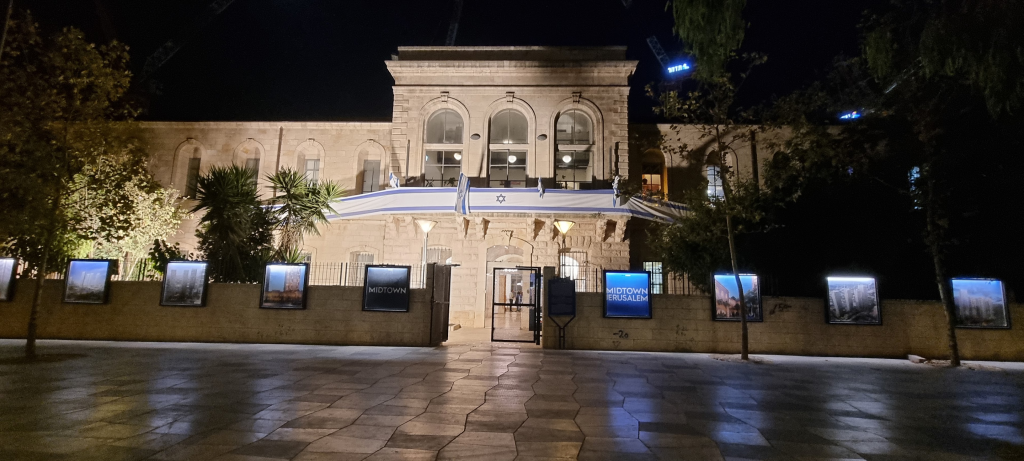
Another location that has changed over the years is the old Shaare Zedek Hospital on Jaffa Road.

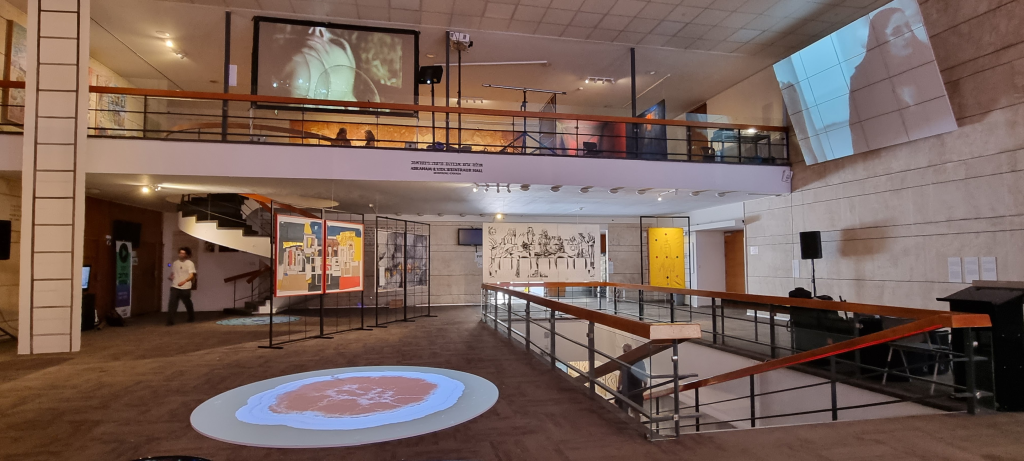
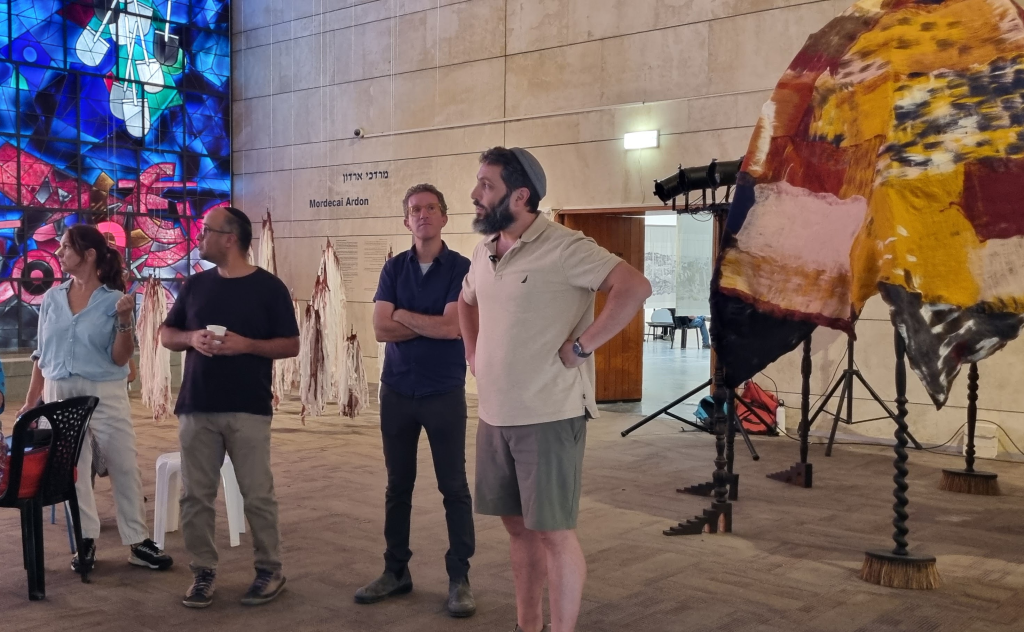
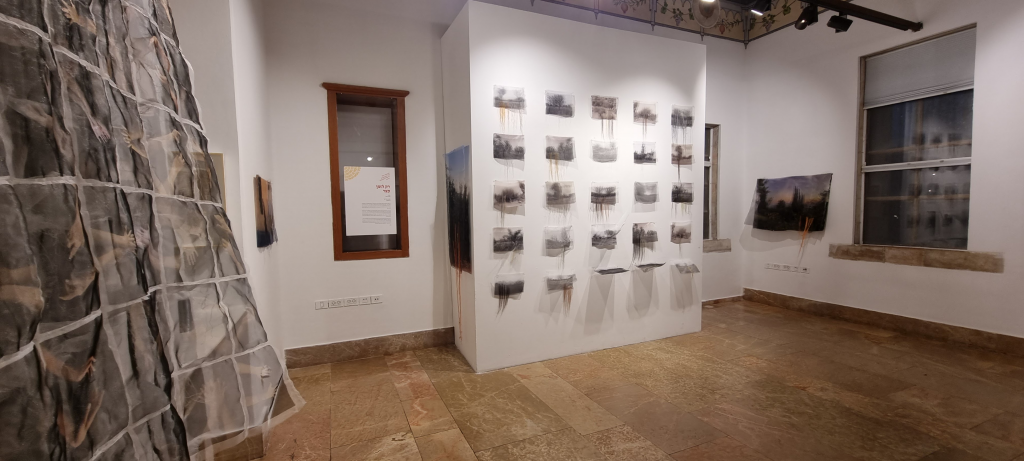
Not in use as a hospital for decades, it has now temporarily become a home for the Jerusalem Biennale art exhibits.

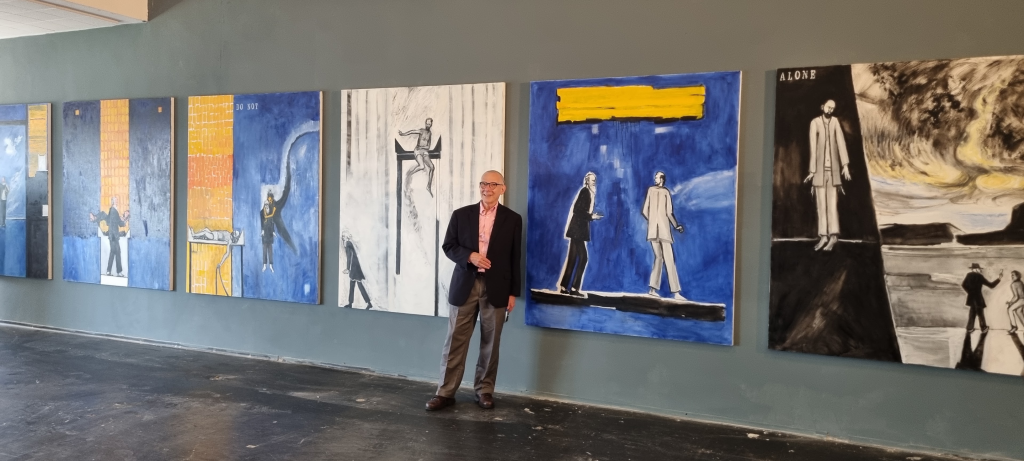
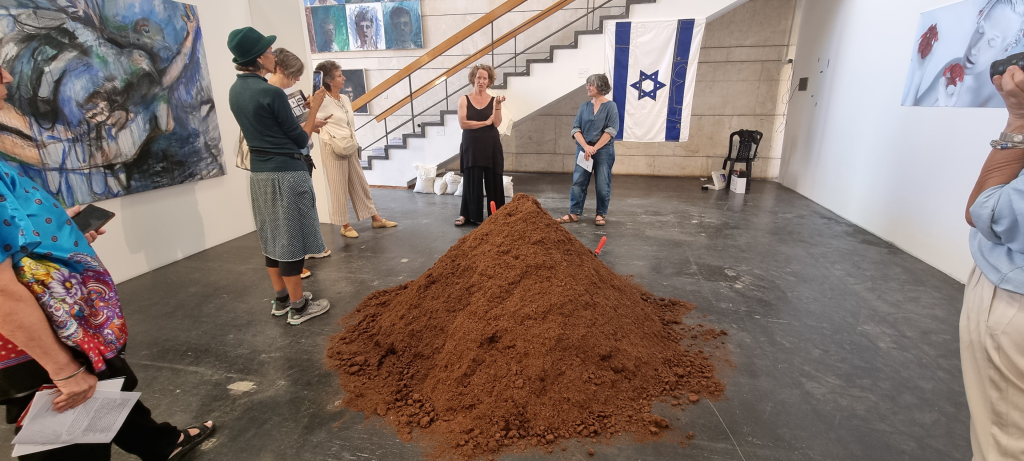
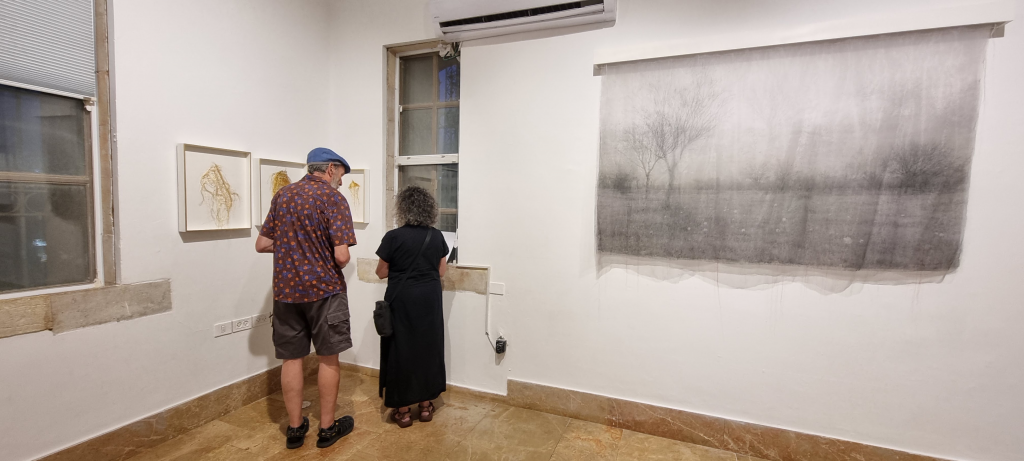
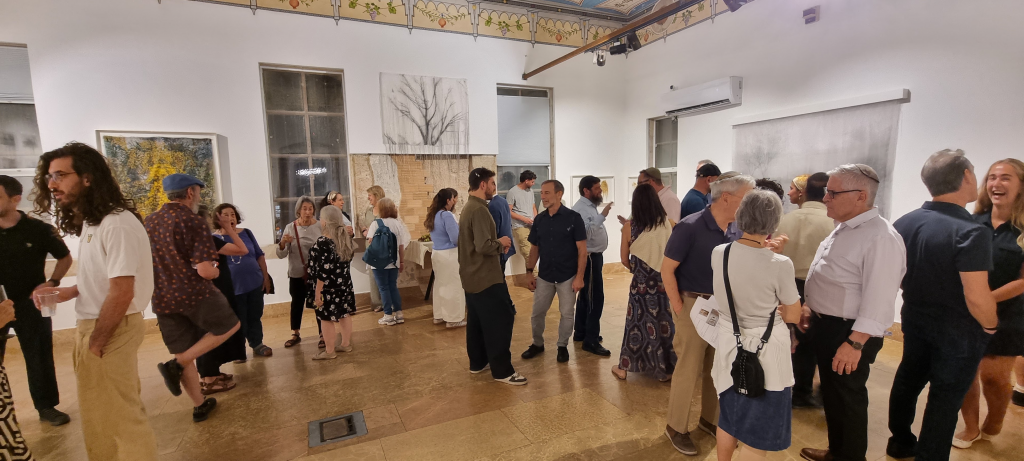
Wednesday was opening night for “Only Briefly.” Mindy Weisel is curator of the solo exhibition by Amy Gelb.

This piece with three layers of soft fabric hangs close to the wall, so it was difficult to photograph.

People gathered to support the American artist with her show in Jerusalem.

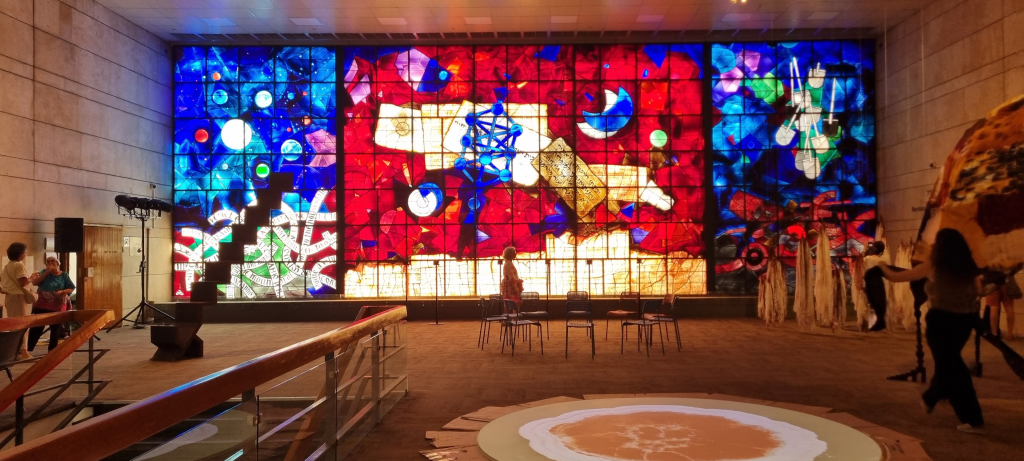
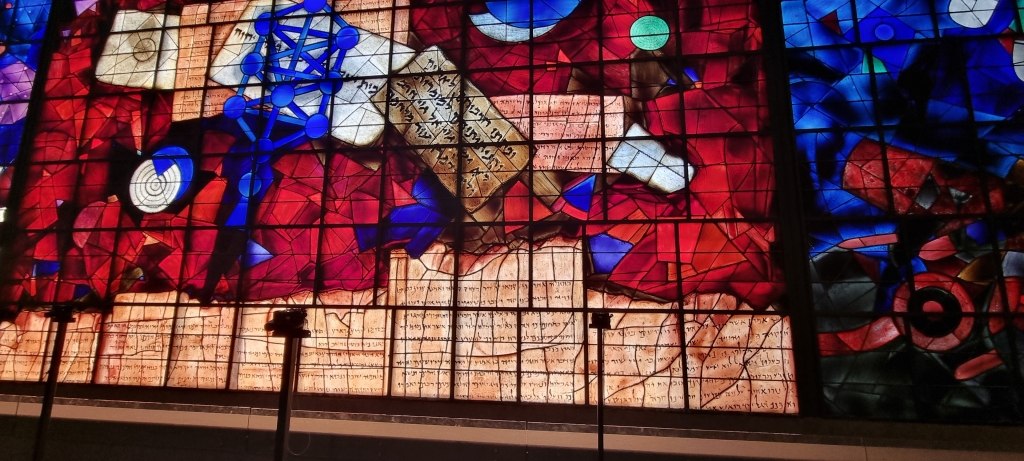
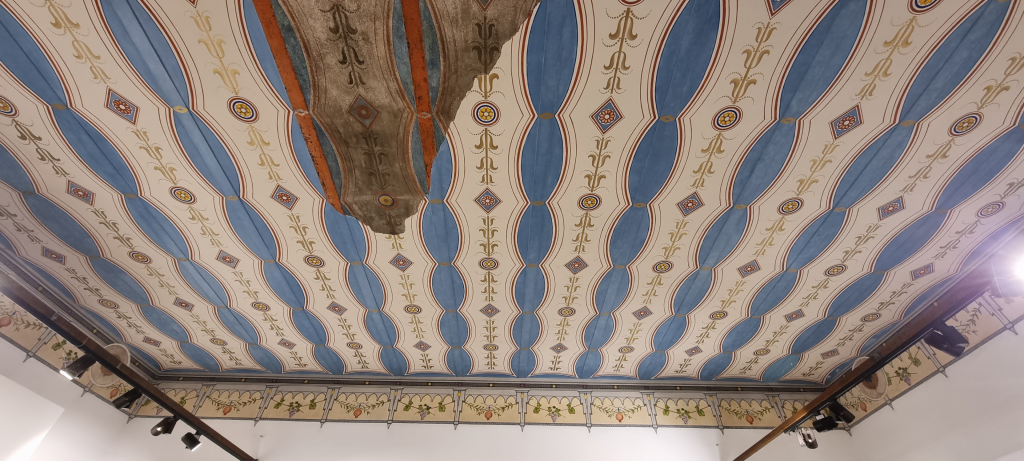
I had not been back in a while and also noted the restored ceiling of the former synagogue of the hospital, which has been given new life as a cultural center.

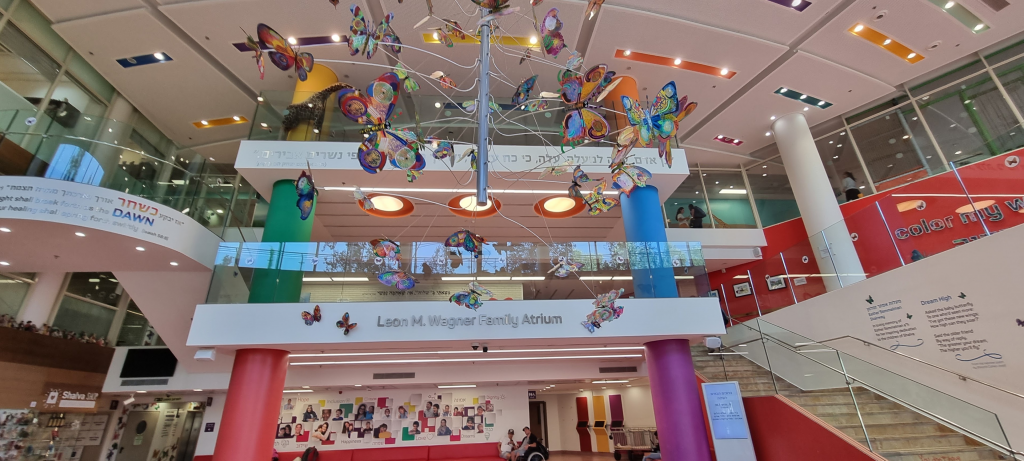
The highlight of the week was our family celebration of 20 years in Israel at the Shalva National Center.

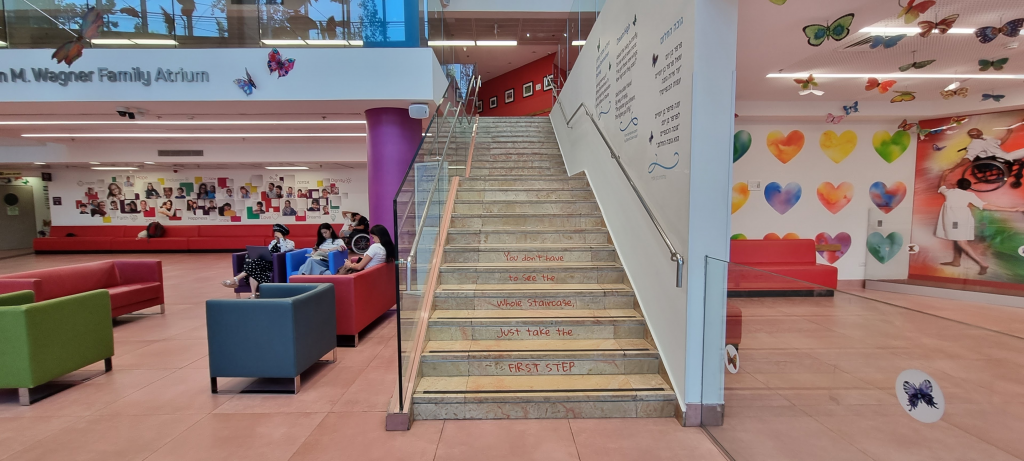
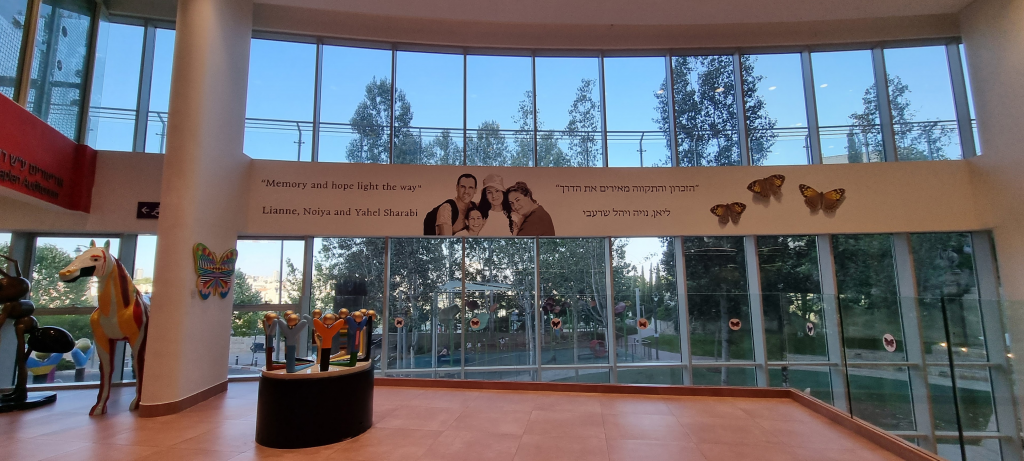
The Shalva entrance lobby is full of color, butterflies, hearts, and messages.

“You don’t have to see the whole staircase. Just take the first step.”

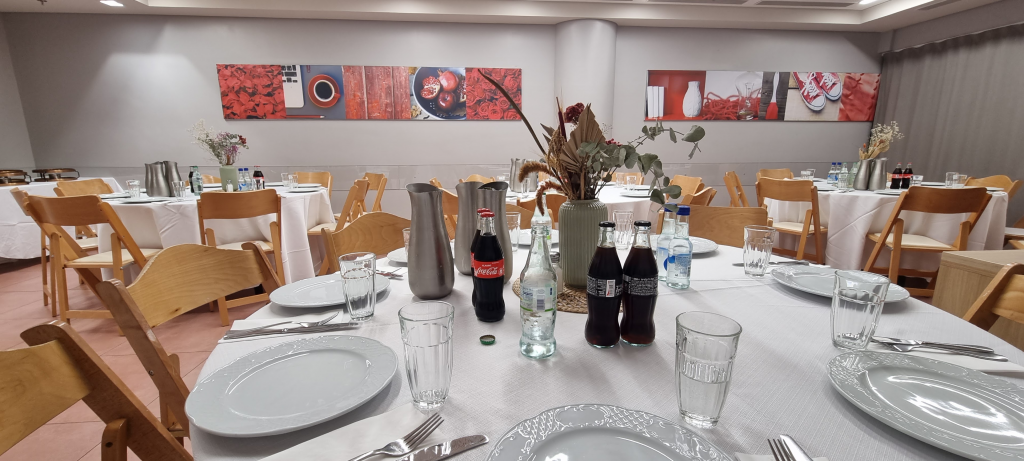
Our excellent dairy dinner did not disappoint; everything was spotless and spot-on.

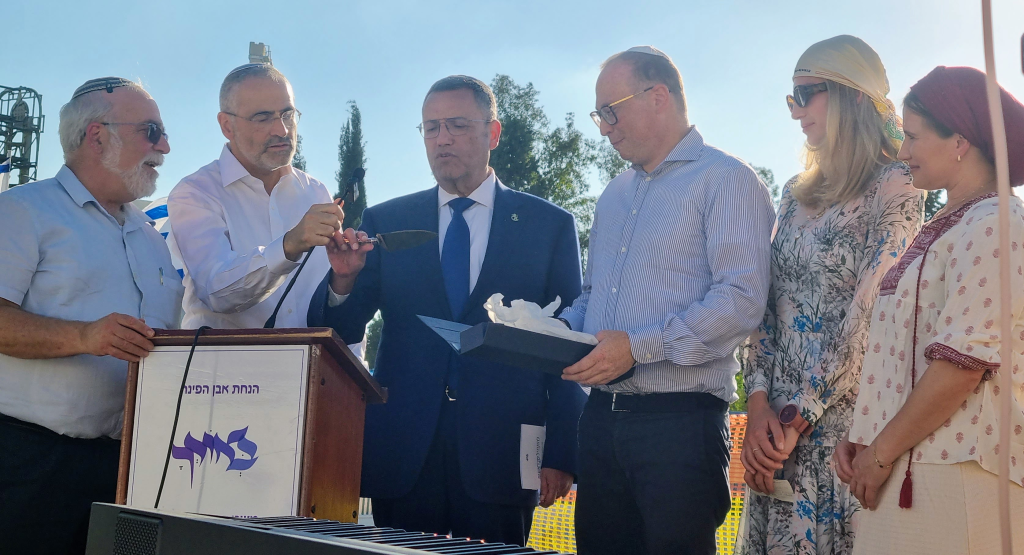
“Memory and hope light the way” – Lianne, Noiya, and Yahel Sharabi – new in the lobby, where Eli Shrabi participated in the dedication.

Shalva is one example of improving the world from a personal challenge.

Written on the walls are words of wisdom: When you love what you have, you have everything you need.

When nothing goes right… go left.

Good things take time.

Do not judge my story by the chapter you walked in on.

I caught one little guy in the hallway.

They all have a long way to go.

May they and we all go, building better and stronger, in good health.

Signs of Spring on the Jerusalem Streets

The Jerusalem, Israel, weather is slowly changing. Sometimes many times in one day.

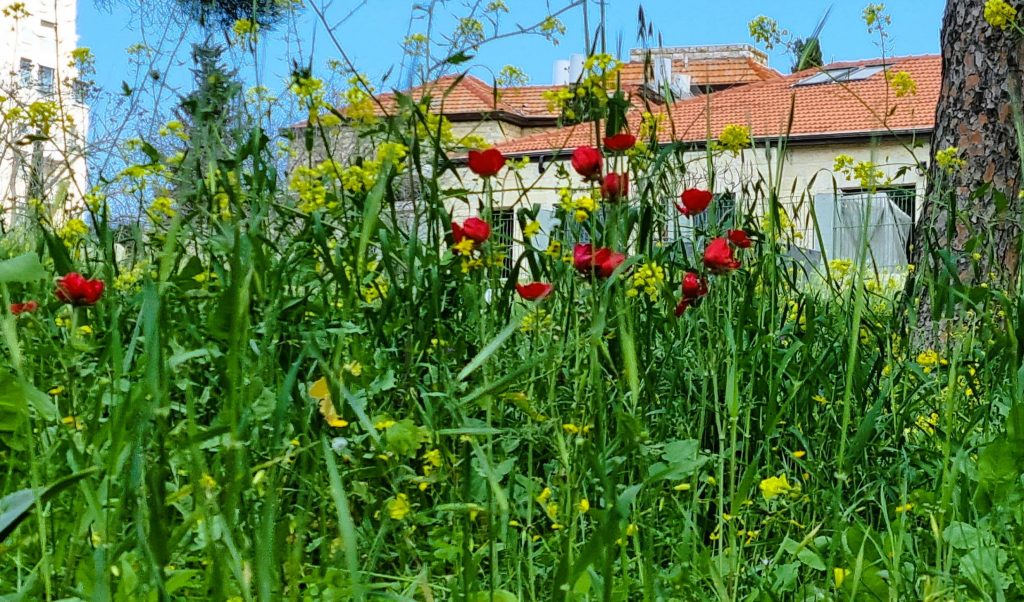
Spring wildflowers are popping up around the Jerusalem streets as nature continues and seasons change.

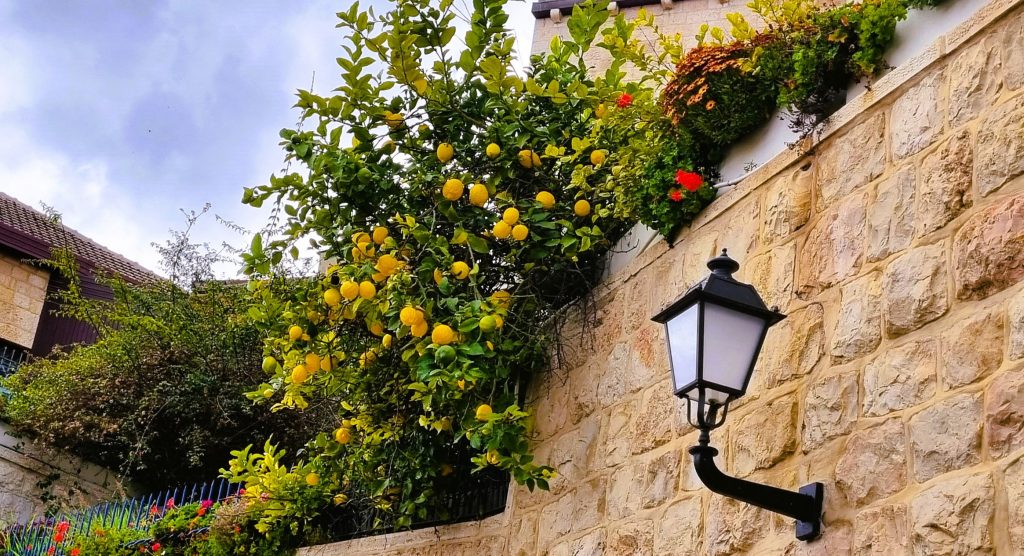
Citrus fruits are full on the trees, like these seen walking through Yemin Moshe.

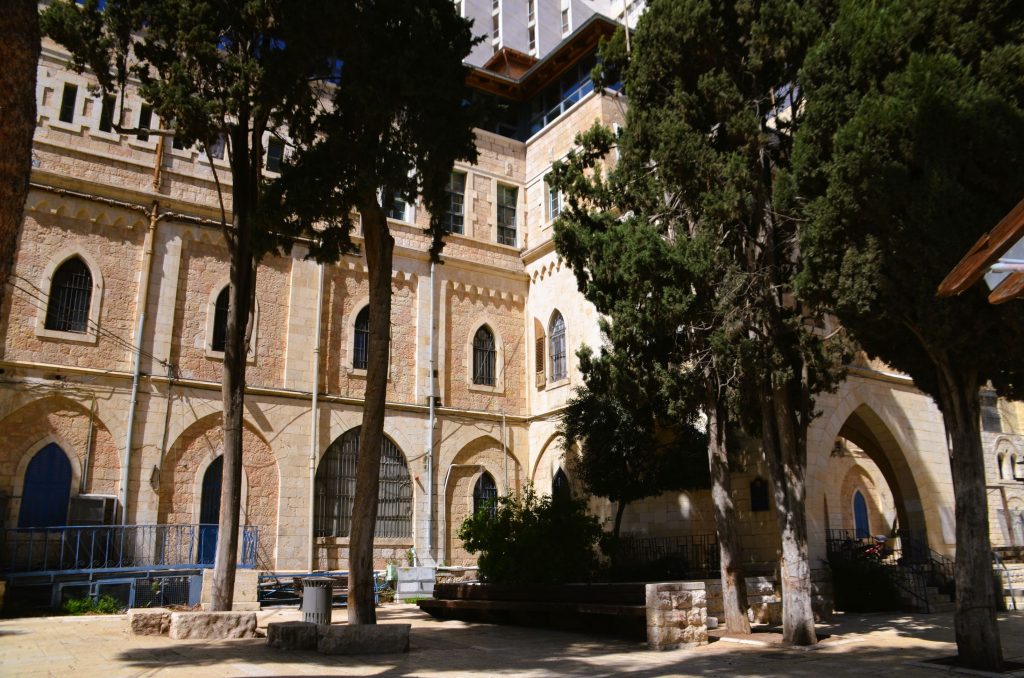
The U. Nahon Museum of Jewish Italian Art in Jerusalem has a lovely courtyard.

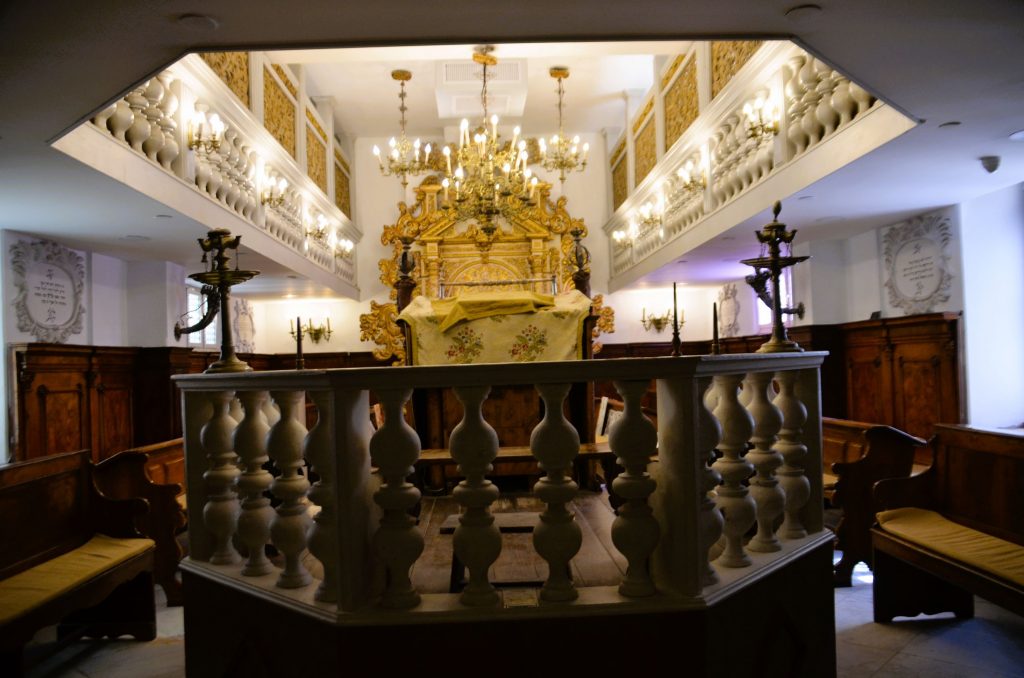
The splendid ornate synagogue in the same building is worthy of a tour.

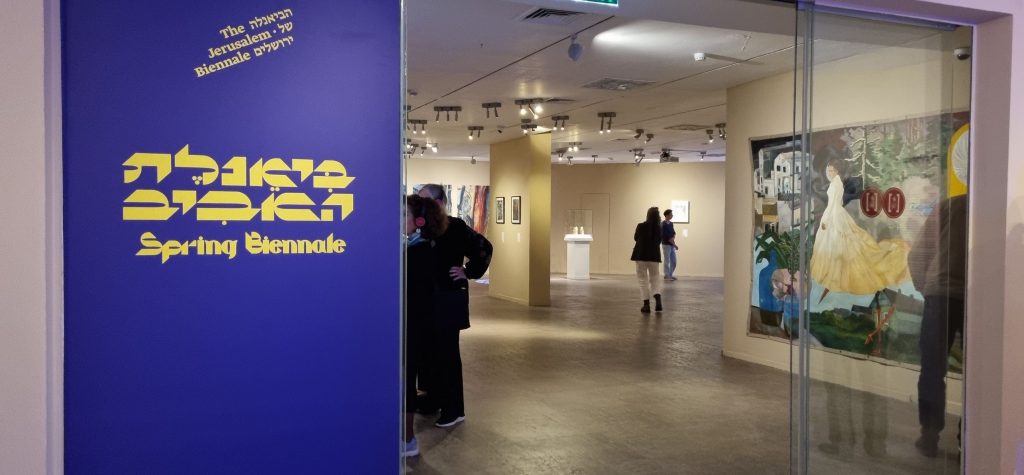
But going on a media tour of the new Spring Biennale made it all the more special.

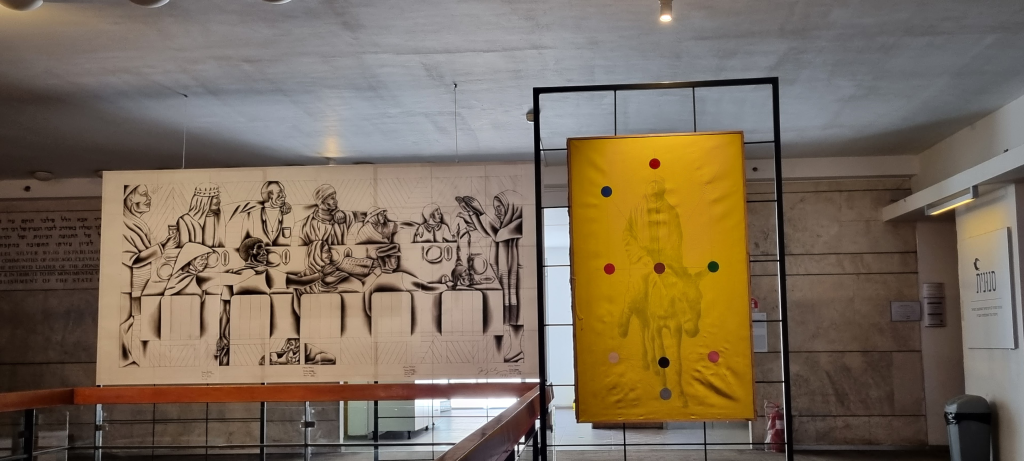
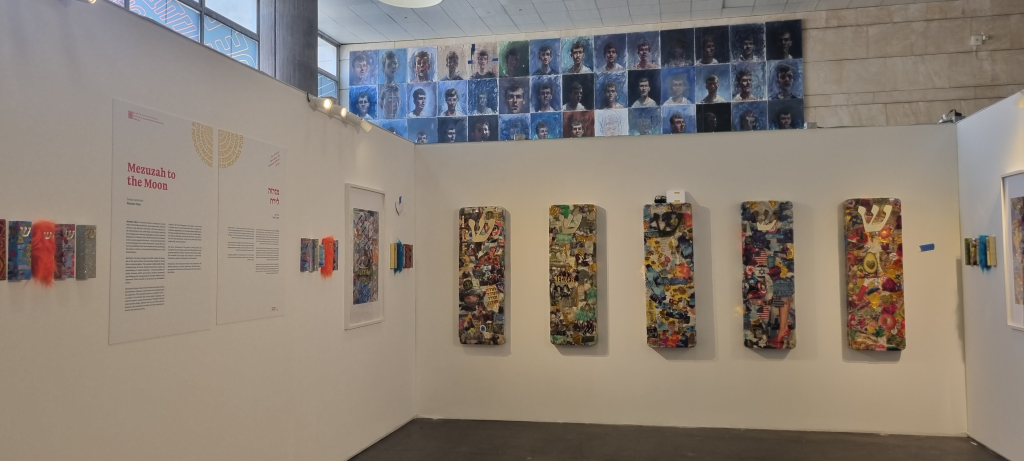
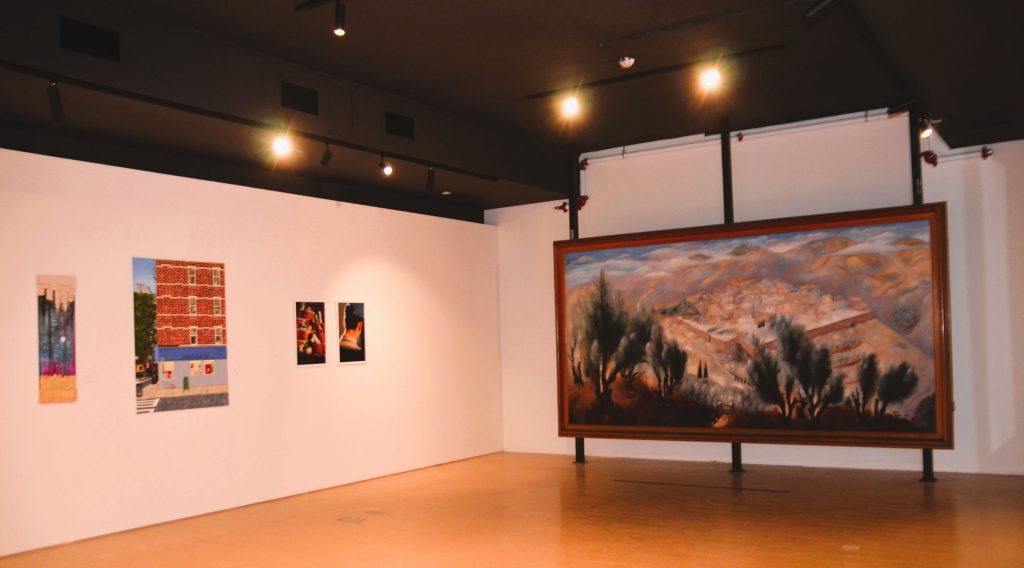
This is one of 20 locations of the 30 exhibitions of contemporary Jewish art.

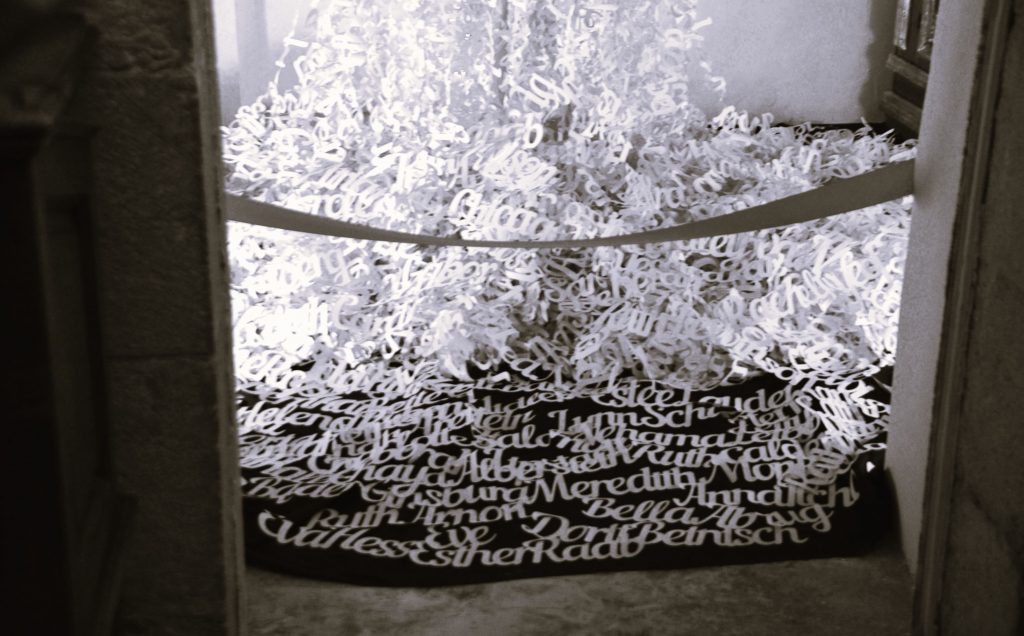
One highlight was Andi Arnovitz’s What We Bring. The talented artist used her wedding dress and laser-cut names on the bookbinding fabric of women from biblical times to the present.


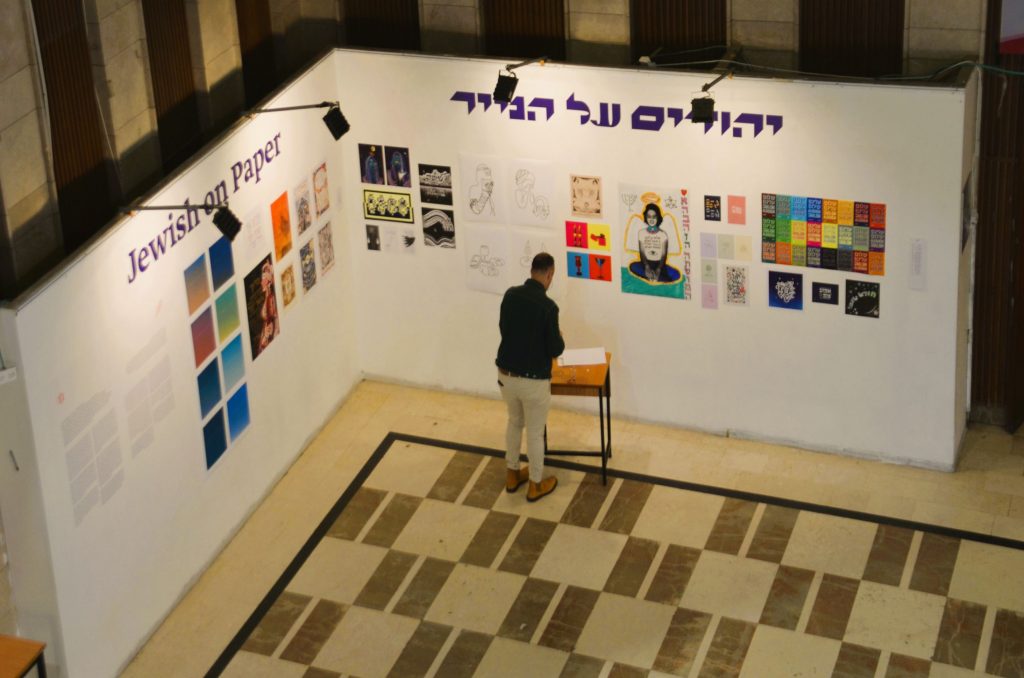
Jews on Paper, c
urated by Hillel Smith and Eli Kaplan-Wildmann, line the walls of Heichel Shlomo’s lobby.

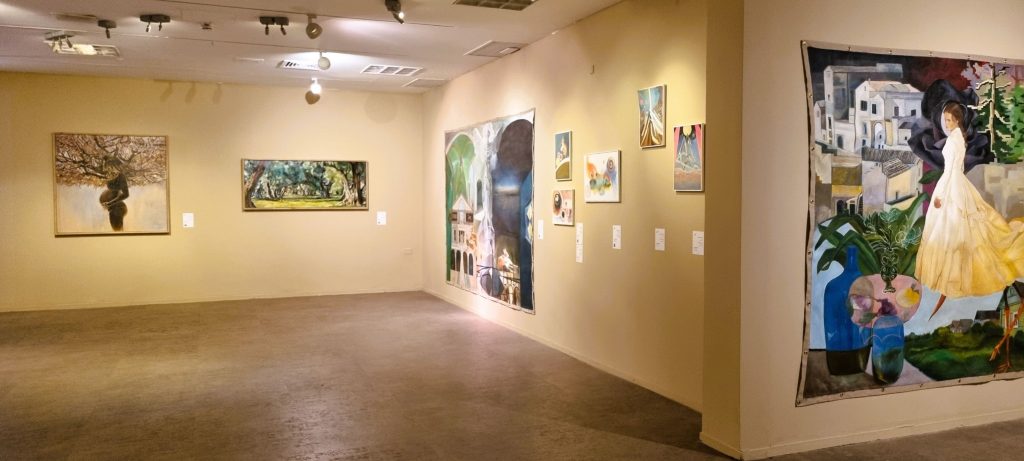
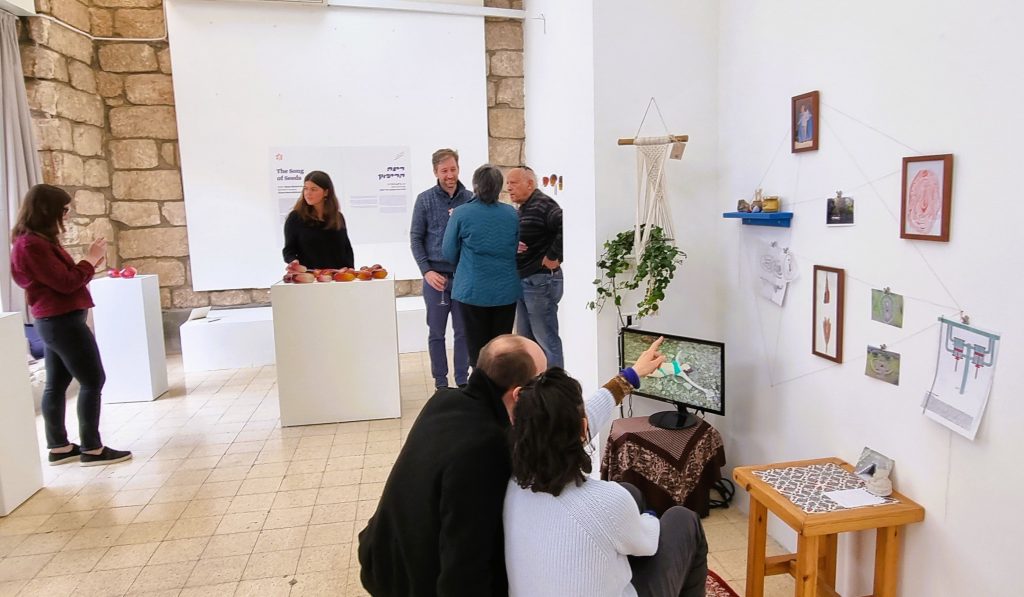
Upstairs the rooms are lined with various contemporary artworks.


A Palace in Time
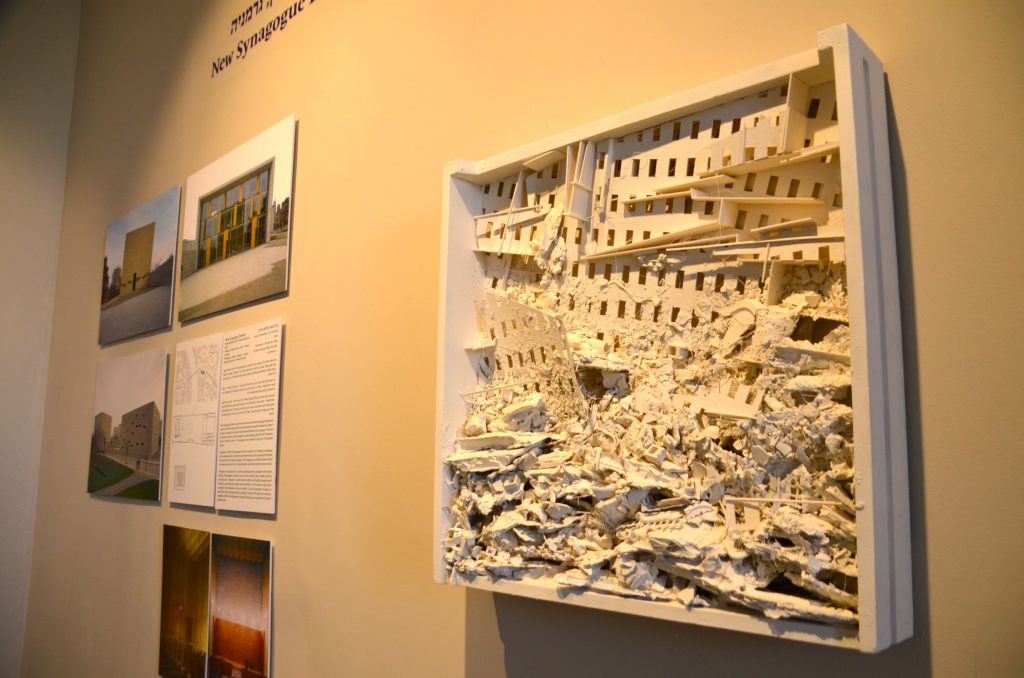
, the first architecture exhibition at the Jerusalem Biennale, has a Dresden relief showing the consequences of the destruction during Kristallnacht.

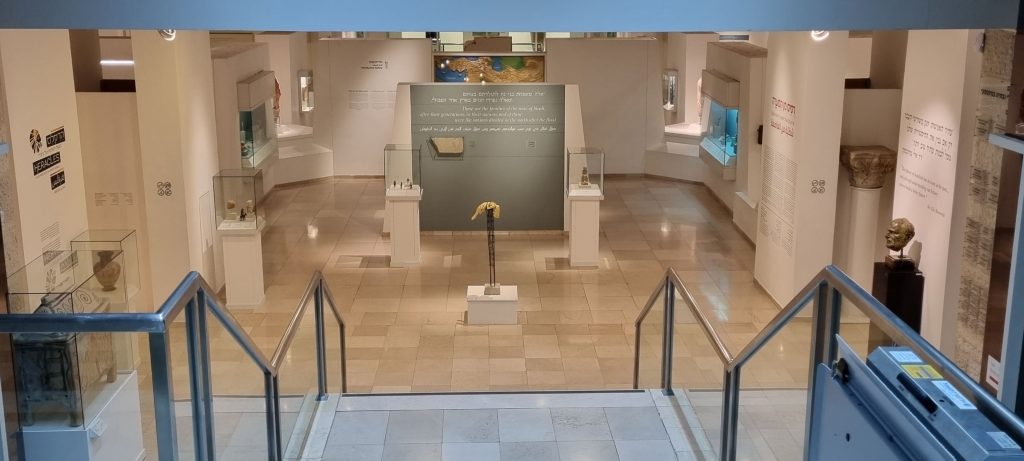
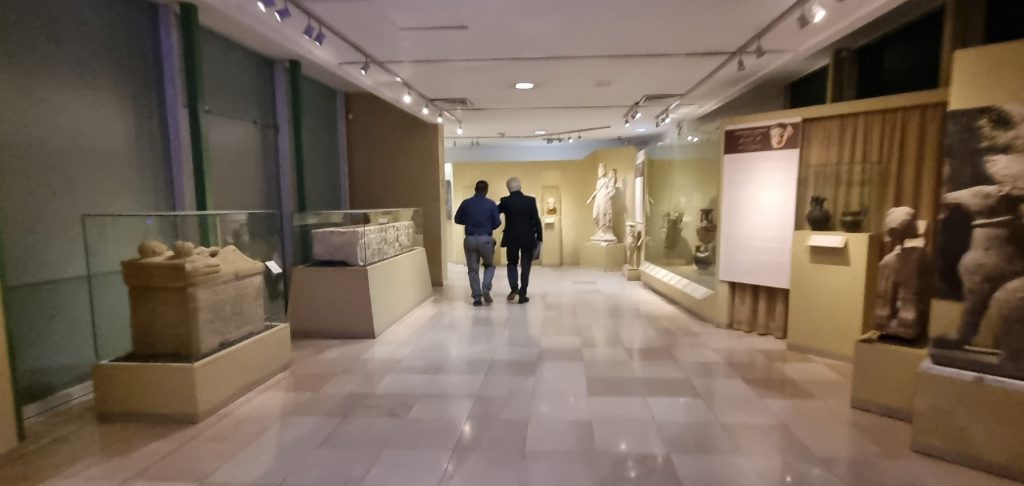
The Bible Lands Museum Jerusalem is another location for the Biennale.

Upstairs the Splinter from the Storm exhibition is still running.

Downstairs the Spring Biennale had its opening on Wednesday night.

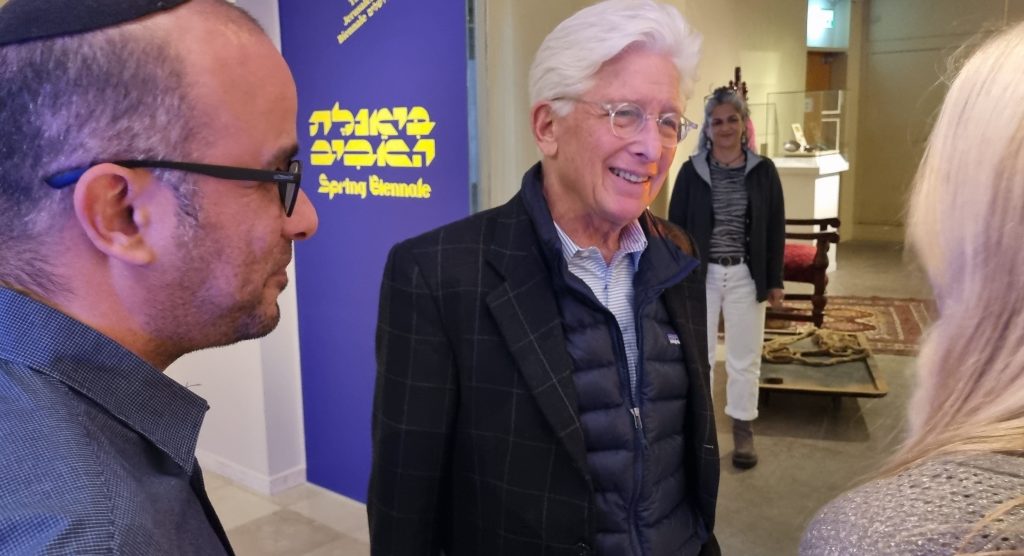
Former head of the Israel Museum James S. Snyder arrived and was given a private tour.

Yes, I followed him until Jerusalem Biennale Founder and CEO Rami Ozeri escorted him out.

The theme of this 6th Biennale is a literal translation of the Hebrew phrase Tzon Barzel, Iron Flock, which gave voice to serious recognition of Jewish and Israeli women artists.

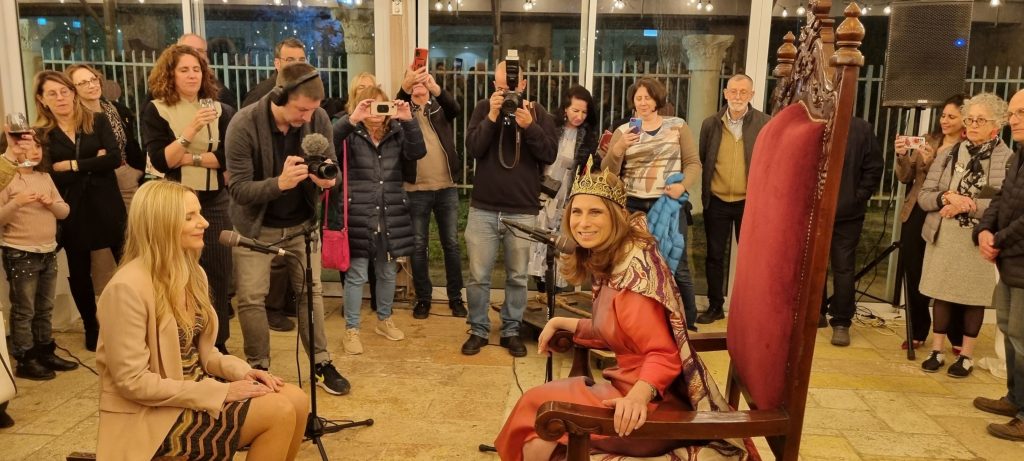
Curator Rachel Verliebter and artists, including performance artist Alana Ruben Free added an extra dimension to the opening night event.

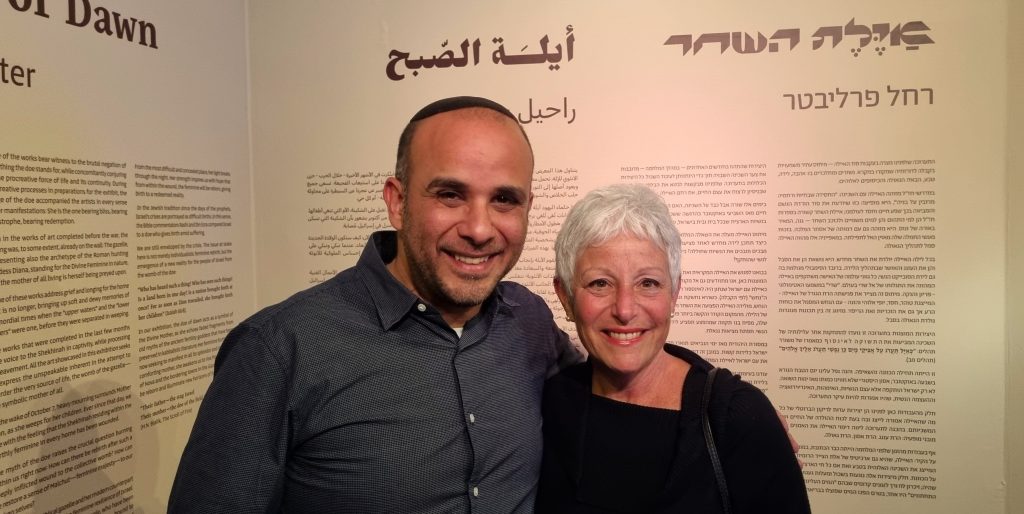
Also at the opening of Ayelet Hashahar, or The Doe of Dawn, was former BLMJ director Amanda Weiss.

Friday in the Artist’s Colony, there was just enough time to catch a few minutes of the Biennale at Ha Ott.

Friday was the first of a month of special Ramadan prayers in Jerusalem, Israel.

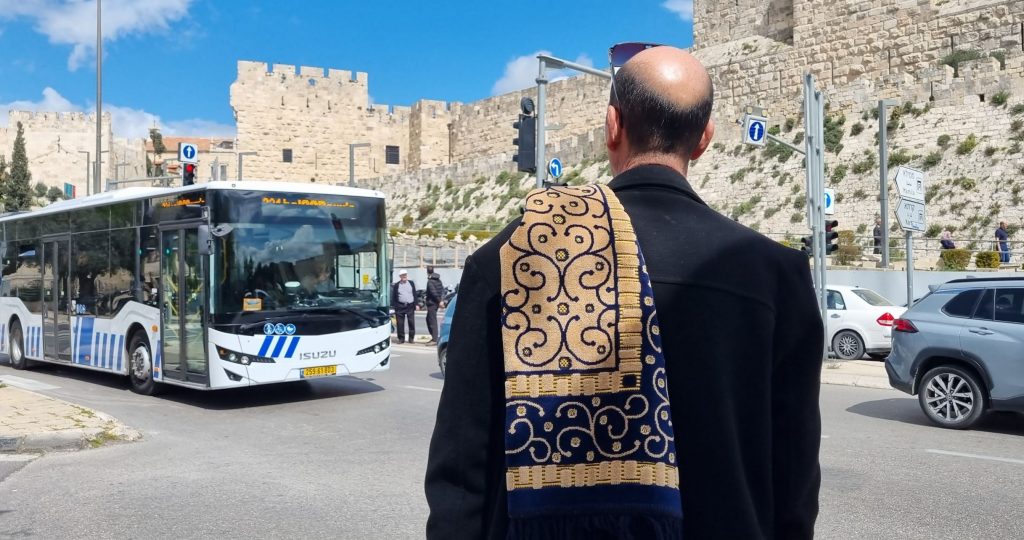
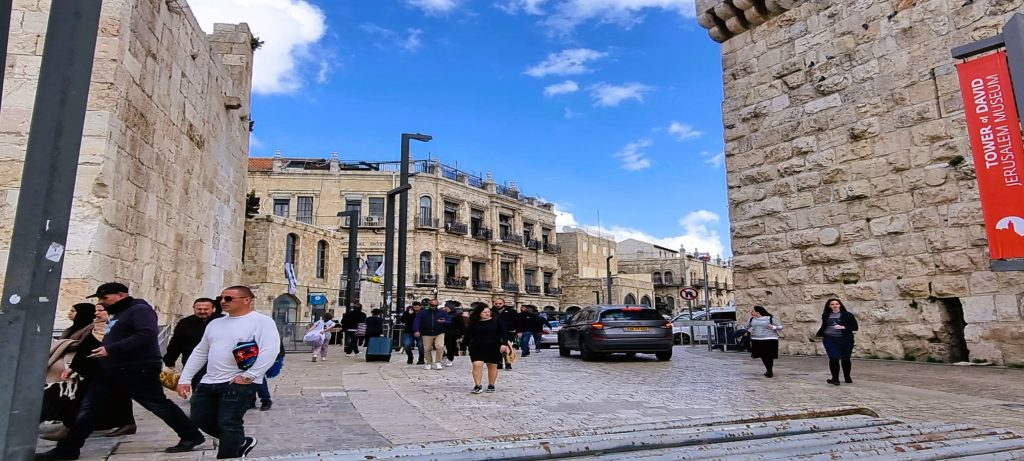
Notice how thousands of Muslims were leaving the Old City by Jaffa Gate, and security was light.

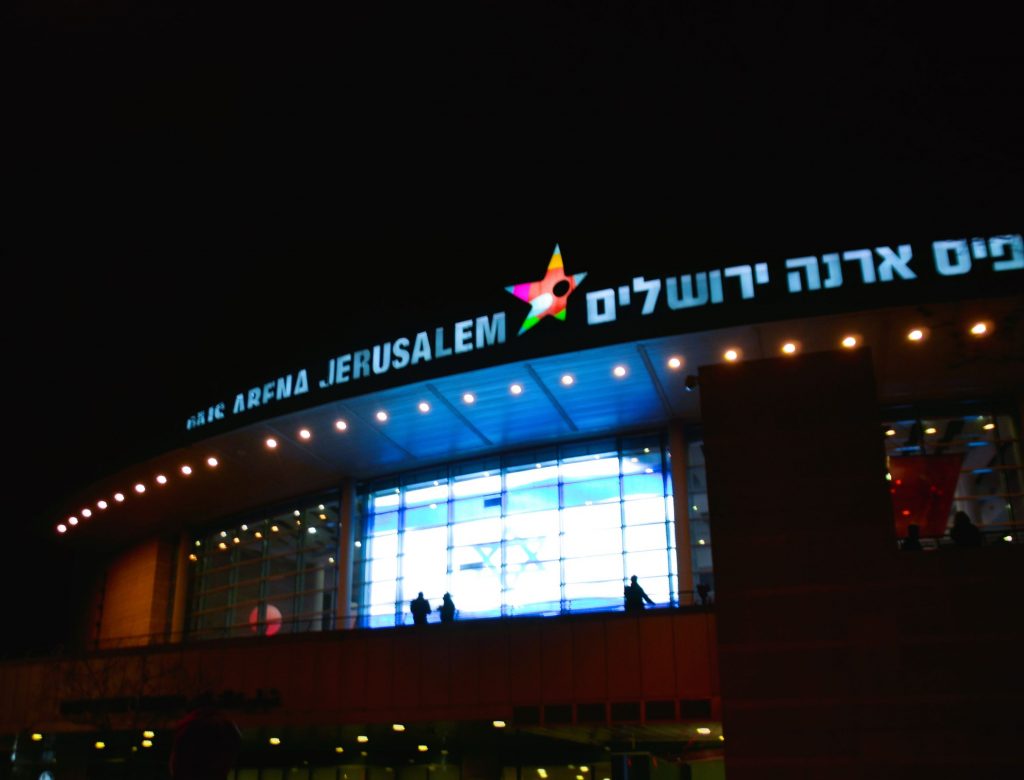
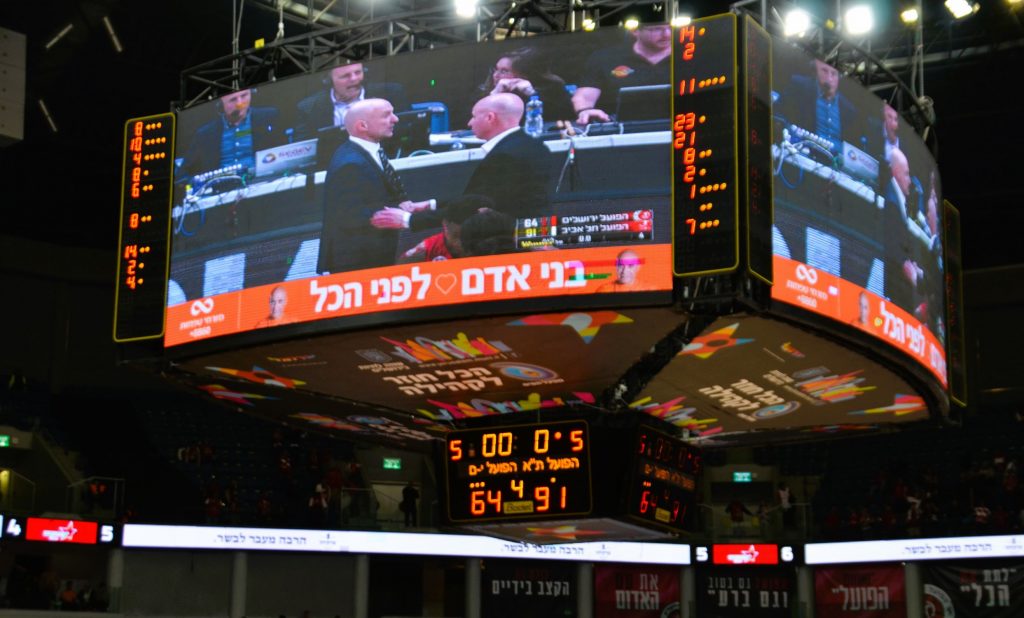
After Shabbat a big basketball game was held at the Pais Arena Jerusalem.

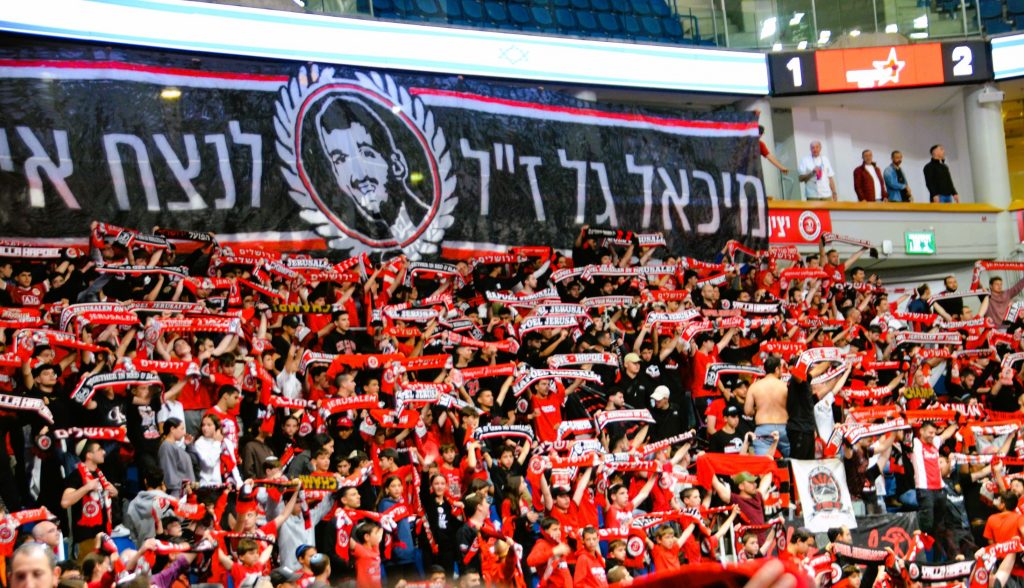
Before it began fallen soldier Michael Gal was remembered by the Jerusalem fans.

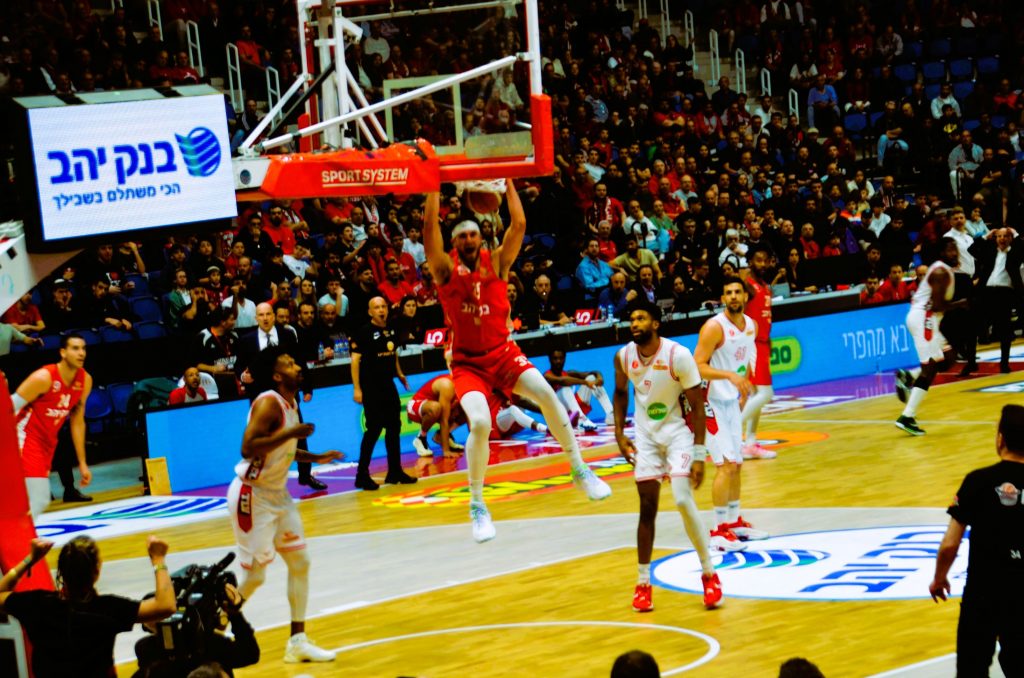
My favorite action shot from the stands of Jerusalem players in red against Tel Aviv in white.

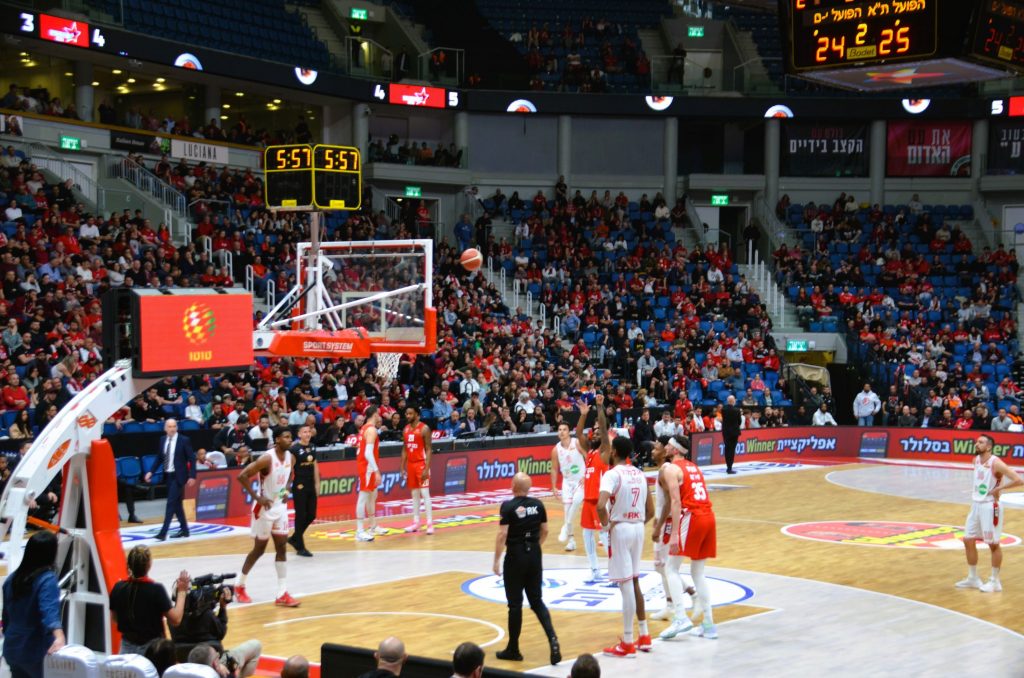
At half-time, the game was exciting with the teams almost tied.

Tel Aviv took the second half in a big way, but the projection overhead caught my attention.

Being a good sport, and a good person, is most important, as the coaches shook hands after the game.

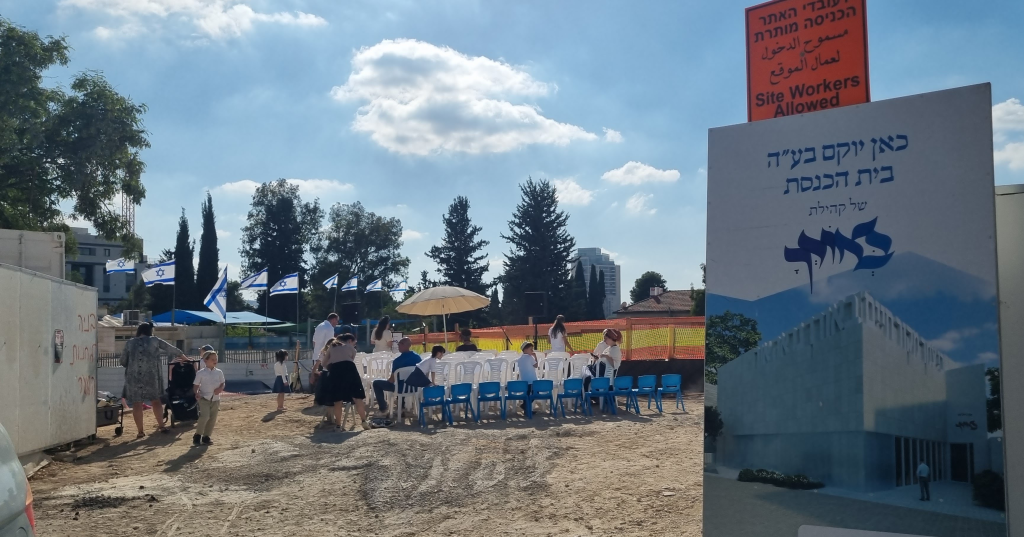
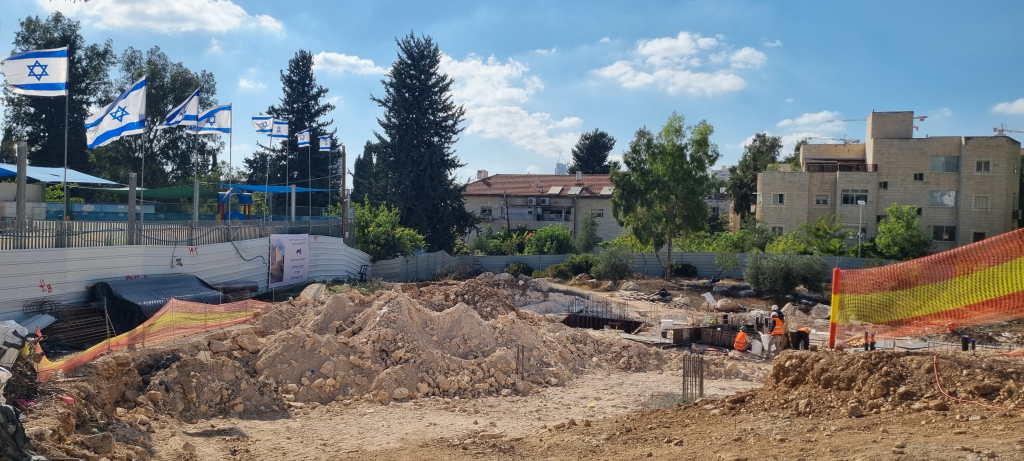
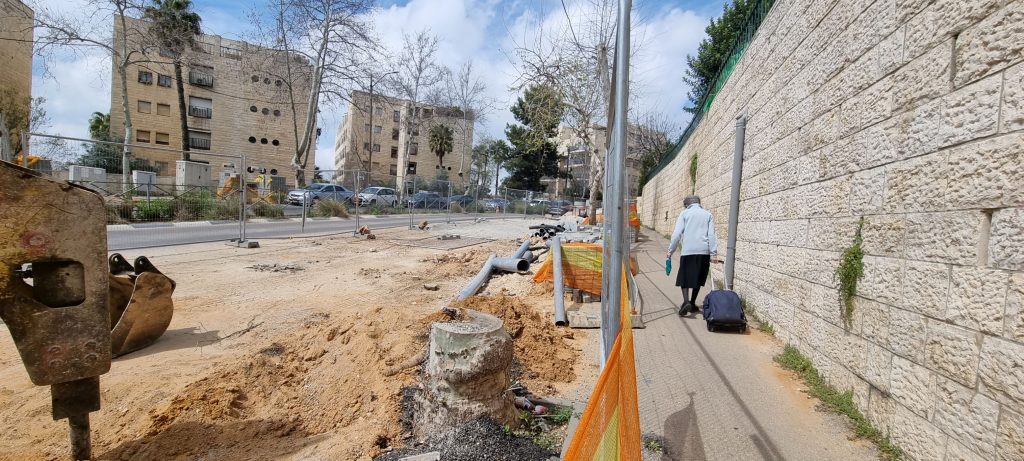
Some construction has restarted after months of delay.

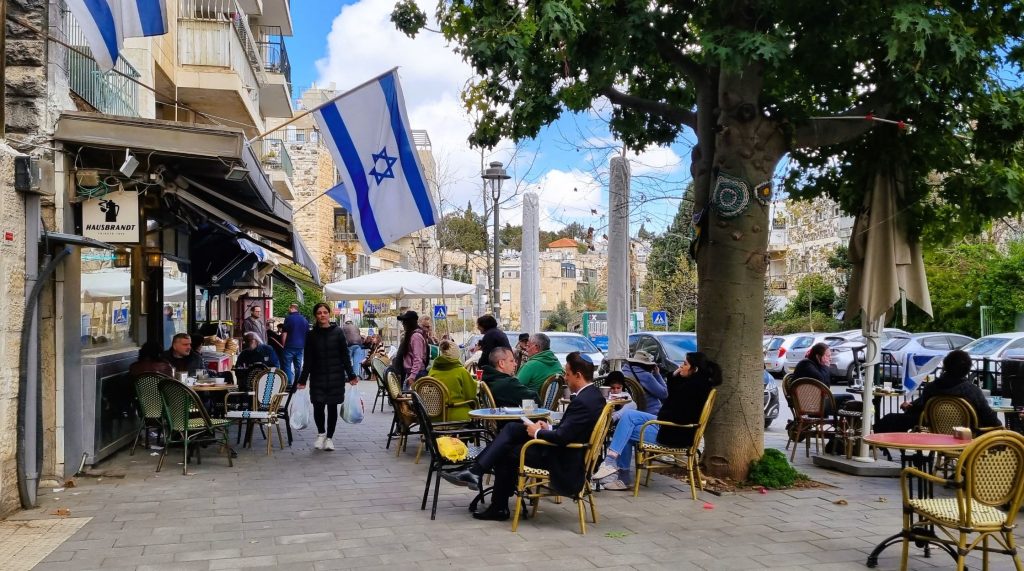
Flags are still flying and people are meeting at outside cafes.

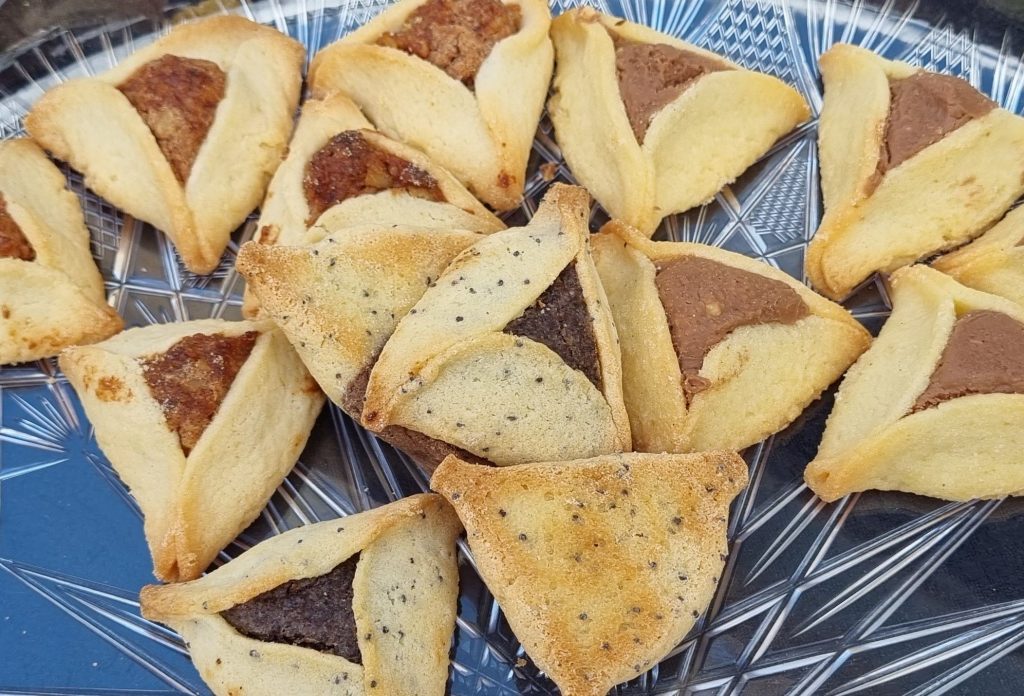
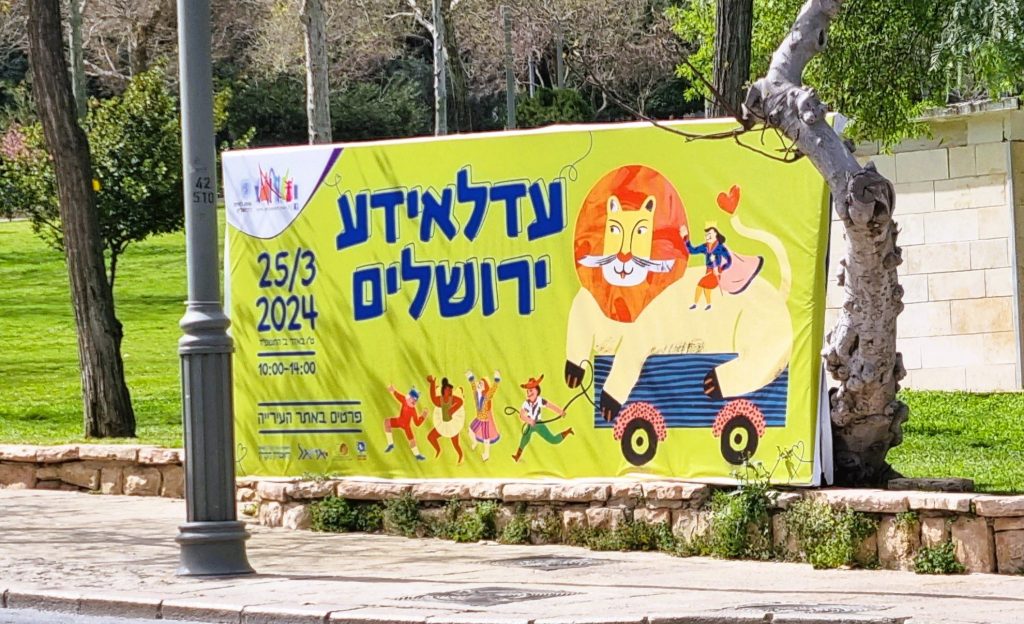
Hamentashen are being served, as little princesses, brides, and multi-costumed young children walk the Jerusalem streets already, over a week before Purim.

Purim is coming. Jerusalem is planning to celebrate the holiday.

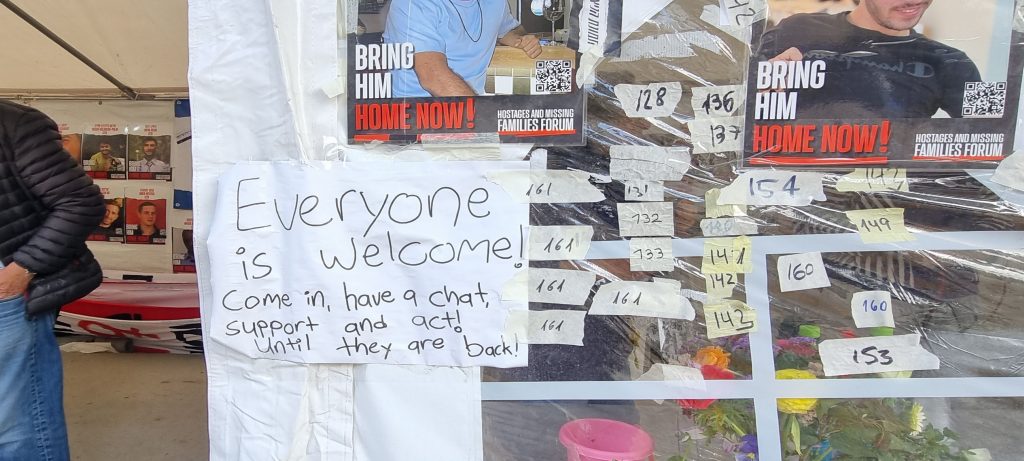
However, along with the signs of spring and the anticipation of Purim celebrations, the days of Israeli hostages held in Gaza are over 160 and counting and hard to ignore on the Jerusalem streets.

Torah in our Times: 48 Plus 7 Ways to Learn

After a week of wet winter weather in Jerusalem, Israel, the sun came out on Thursday morning, and I finally had a chance to walk to the Old City.

Nothing like the view from above the Kotel, Western Wall, with winter clouds hovering above. Sadly so few people were there to be able to enjoy it.

I was not early enough to see Santa on his camel at Jaffa Gate. But I did spot the last lone tree in the annual giveaway. The Municipality, along with JNF, gives away small pine trees each December to residents who arrive early.

I was on my way to see what was happening in the Old City, during what usually is a very busy time of year.

I decided not to share the empty streets this week. The lack of tourists, the closings, and corona news are all well known by now. The latest bad news – bird flu – may cause an egg shortage.

Looking into the Beit Midrash at Aish on the way to the roof view, the study hall was an impressive scene filled with young men studying.

The Torah has guided the Jewish people for millennia.

Exploring new ways to integrate its ancient words and writings into the skeptical 21st century has become a topic of lively and varied discussions.

Thursday Bar Mitzvahs were being celebrated in the egalitarian section of the Western Wall. It was good to see this section being used.

Jerusalem Western Wall near Robinson's Arch on Tisha B'Av

As you can see, the repair scaffolding has been removed. This is where a stone fell in the summer of 2018. Afterwards, the entire section was checked and the wall repaired.

This image has an empty alt attribute; its file name is Teddy-Art-012-2-1-1024x644.jpg

In the Artist Colony, Kol Haot strives to impart Jewish values, texts, and history using a creative synthesis of the visual and performing arts.

This image has an empty alt attribute; its file name is Teddy-Art-014-2-1024x802.jpg

Kol Haot was another venue for the 5th Jerusalem Biennale. The exhibition for Jewish Contemporary Artists concludes at the end of December. 

This image has an empty alt attribute; its file name is Teddy-Art-016-1024x768.jpg

Lining the gallery walls were works from 48 Jewish artists done last year during the time of the corona closings and quarantine.

This image has an empty alt attribute; its file name is Teddy-Art-032-1024x768.jpg

There were various media used and artists with various experiences, backgrounds, and locations, but the subject of the Creative Quarantine was the same – Torah is acquired in 48 ways.

What connected them all together was a list found in the sixth chapter of Pirkei Avot in the Mishnah – a list of 48 ways to acquire the Torah. Each artist began by taking an item from the list.

This image has an empty alt attribute; its file name is Teddy-Art-023-2-1024x749.jpg

Number 1 was Talmud, study, followed by attentive listening, proper speech, an understanding heart, awe, fear, humility, and joy, and so on.

One evening in the gallery surrounded by the 48 artistic works, two more recent approaches of this generation relating to Tanach were discussed.

This image has an empty alt attribute; its file name is Teddy-Art-054-4-1024x725.jpg

Yael Unterman explored the technique of Bibliodrama, first-person group role-playing based on a text. Rachel Sharansky Danziger demonstrated how modern Israeli authors are using the Hebrew Bible to join in an ancient conversation and at the same time rebel against it.

Both women contribute to 929, the program began seven years ago to read Tanach: one chapter a day, every day, in sequence. 929 is the number of days to study a complete cycle of all the books. Now there is an English 929 version as well.

929 Shir Hashirim study at Beit Hanasi

BC, before corona, President Rivlin hosted large 929 groups regularly.

This week on Thursday evening, the Herzogs, at Beit Hanasi, the Israeli President’s Residence, are slated to host Rabbi Benny Lau’s 929 for the 38th time.

Each night at midnight, the chapter on the 929 website changes, and the next chapter appears, along with interesting information, brief explanations, video clips, pictures, and even narration of the text, for those who prefer to listen.

The project to learn a page of Talmud a day, Daf Yomi, has grown in popularity.

In addition, there is a new cycle to learn two Mishnayot a day, Mishnah Yomit, and finish the entire six orders of the Mishnah in under 6 years.

And for those new-gen and tech fans, there’s an All Mishnah App, that you can download for free to help you stay on track with your study.

This image has an empty alt attribute; its file name is Old-City-Aish-057-2-1024x606.jpg

The Tiferet Israel Synagogue was destroyed by the Jordanians in 1948. Today work on its reconstructed dome can be seen rising over the buildings in the Jewish Quarter in Jerusalem’s Old City.

From the innovation of outreach to the young and unaffiliated to Talmud study begun by Rabbi Weinberg z”l in the Old City at Aish HaTorah, times have changed, moving to online groups and apps.

Will the young audiences on Tik Tok, Instagram, Netflix, and YouTube in the new generation attend synagogues and have the Jewish knowledge to appreciate their history and Torah sources? They will, if they take advantage of the seemingly endless digital resources at their disposal to study Torah.

Menachem Begin announced he would lead a “Jewish style” government.

Will future generations be Jewishly literate?