Passover 2026 under missile fire, remembering years in bomb shelters

How was this Pesach, Passover, different than all other years?

This year in Jerusalem, we organized for the holiday between alerts, sirens, and seeking shelter from Iranian and Hezbollah missiles. The cluster fragments spread far and wide, causing damage; not all of them were reported. Thankfully, most people followed instructions and were not killed. However, many were injured running to shelters.

As of after Shabbat, according to MDA, 1,226 people were injured on their way to shelters, and 3 were killed; 26 of those injured were involved in road accidents after stopping on the side of the road during the siren.
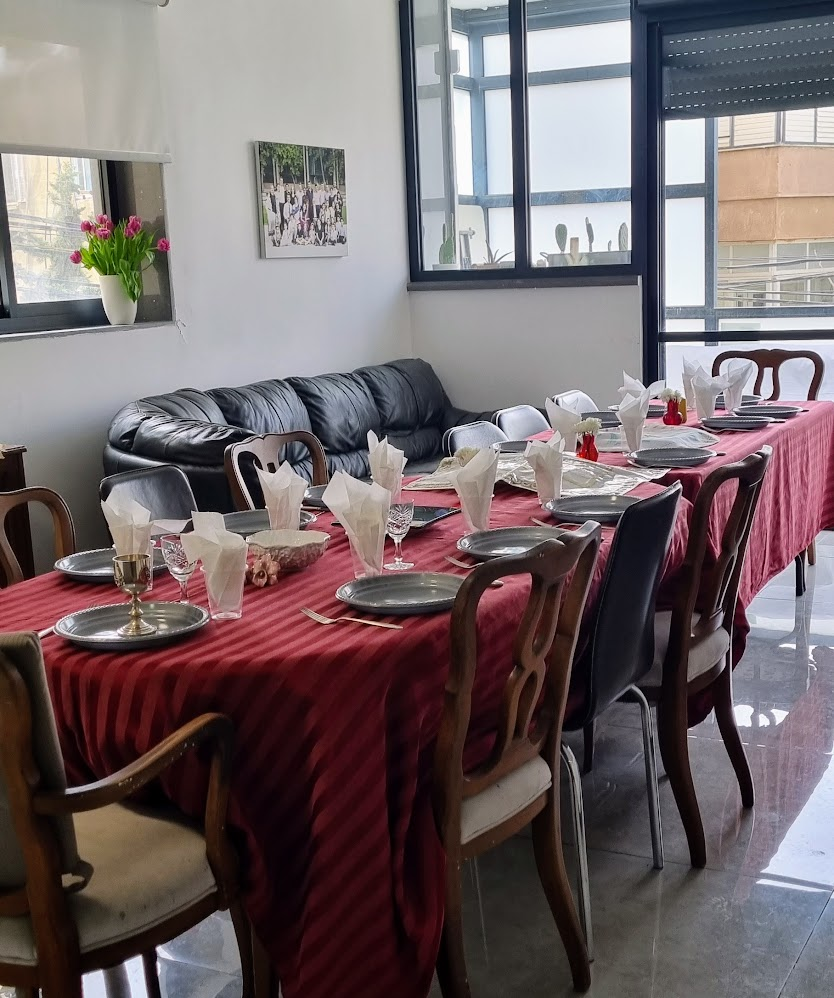
We were able to host some of the family for lunch without having to go to the shelter.

Though later in the day, there was a siren loud enough that we did go, and left only after the booms stopped.

It reminded me of a visit to southern Israel in 2012 to photogragh a solidarity mission.
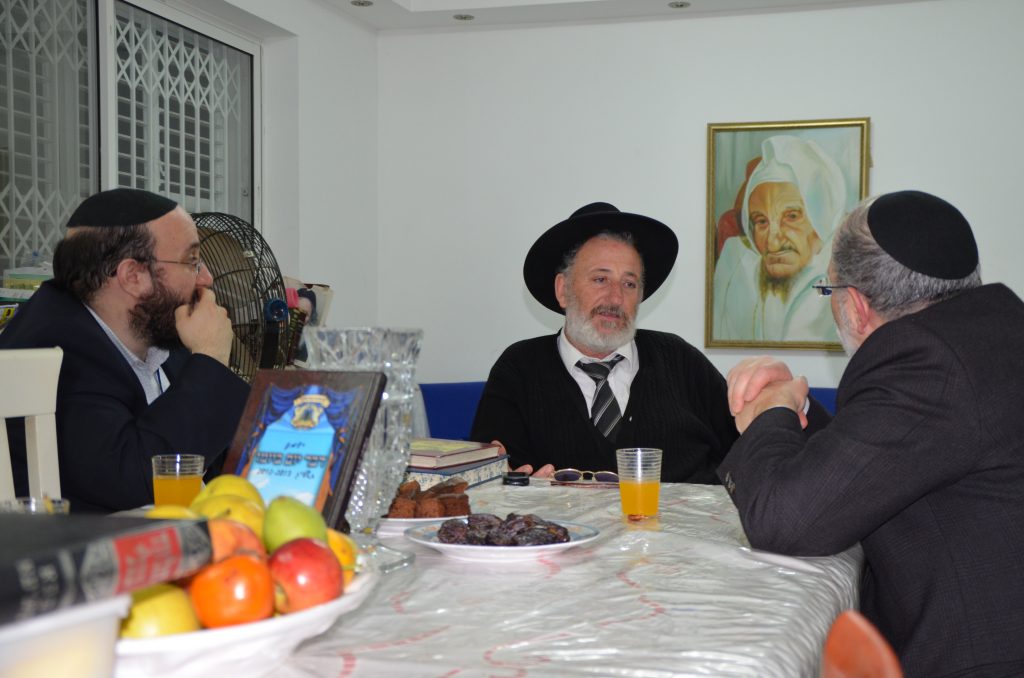
As the US rabbis spoke with the rabbi of a small Israeli moshav under rocket fire from Gaza, a red alert was sounded.
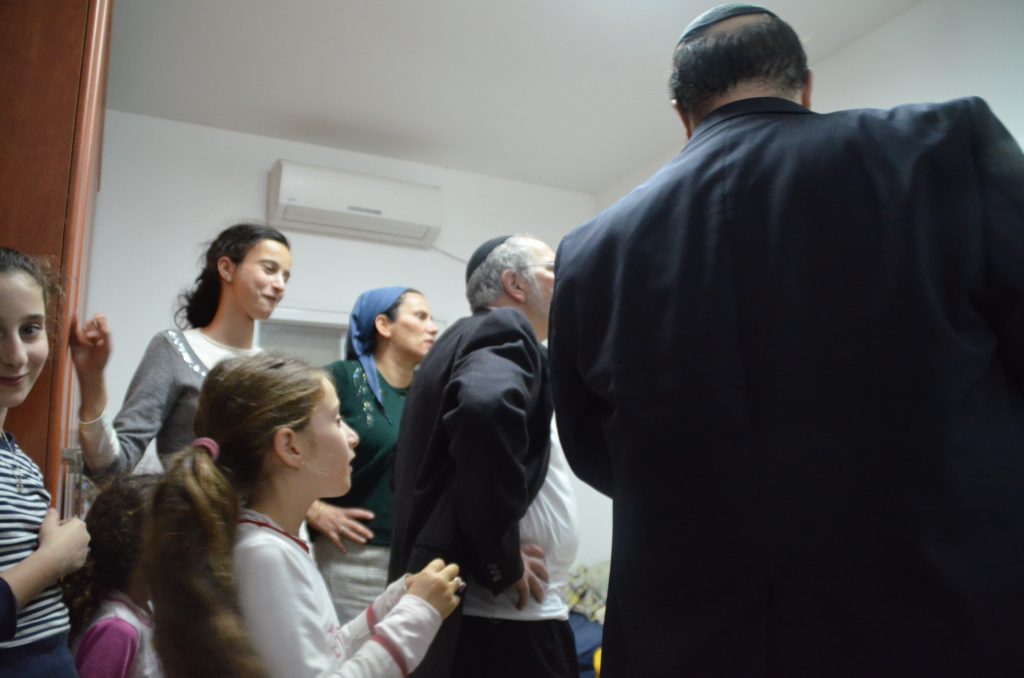
We all crowded into the family safe room. It was the bedroom of the youngest children, so they would not have to be moved when the alerts were sounded in the middle of the night. The twin girls were used to the sounds and sights, but not so many people crowded into their room. The mother announced where the rocket landed after hearing the boom. We exited the safe room and continued with the meeting and tour back to Jerusalem.

As we sit in our shelter, hearing the booms, we are becoming used to the sounds and guessing the proximity. One should question that this has become a new “normal” of life.

Jerusalem has been “lucky”?

The number of missiles launched from Iran and Hezbollah in Lebanon to northern Israel, including Tel Aviv, has not stopped, day and night.

We got through the seder without interruption and walked home safely.

The Passover table was ready for the Pesach seder, with “Vehi Sheamda” (והיא שעמדה), the song from the Passover Haggadah, sung during the Seder to represent Jewish survival and faith. It states that not just one, but many enemies in every generation have tried to destroy the Jewish people, yet God rescues.

This year, with cluster missiles and ballistic missiles from the regime in Iran, gatherings have been limited to 50 people and must be near a shelter. The annual large Birkat Cohanim, Priestly Blessing, was limited to the covered space of Wilson’s Arch, next to the Kotel, Western Wall plaza, which was empty as it has been for over a month during this current war.
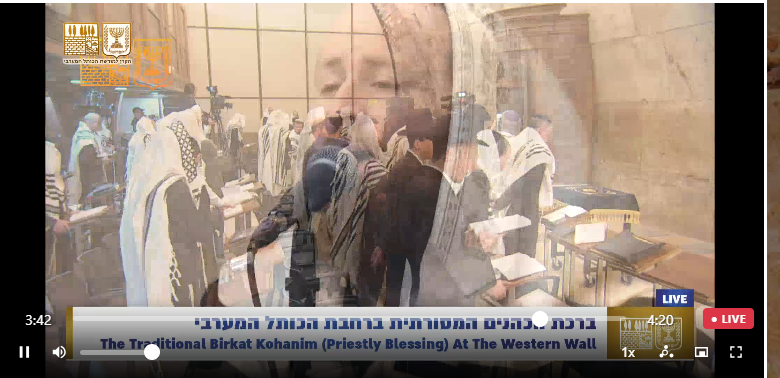
It was broadcast live and is on YouTube.
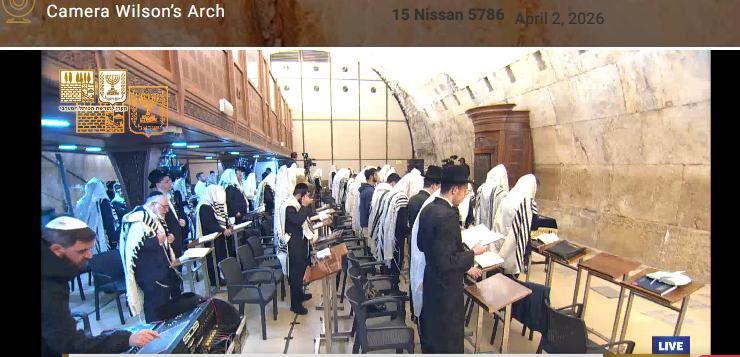
A limited number of men were downstairs; the women’s section is the balcony above.
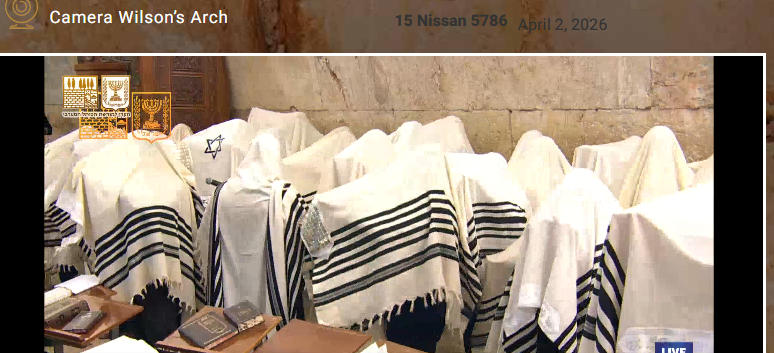
The blessings were recited.
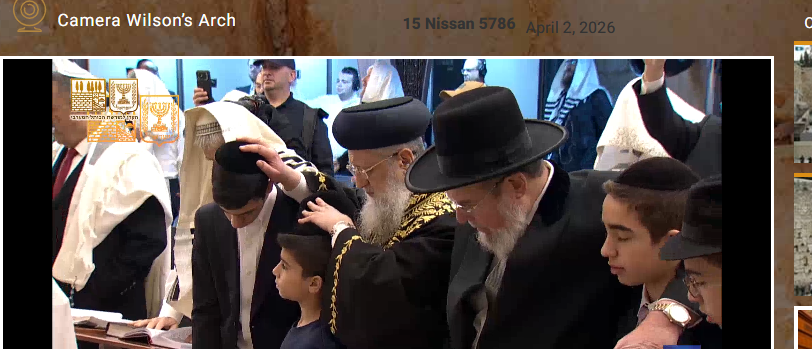
The chief rabbis and their families arrived.
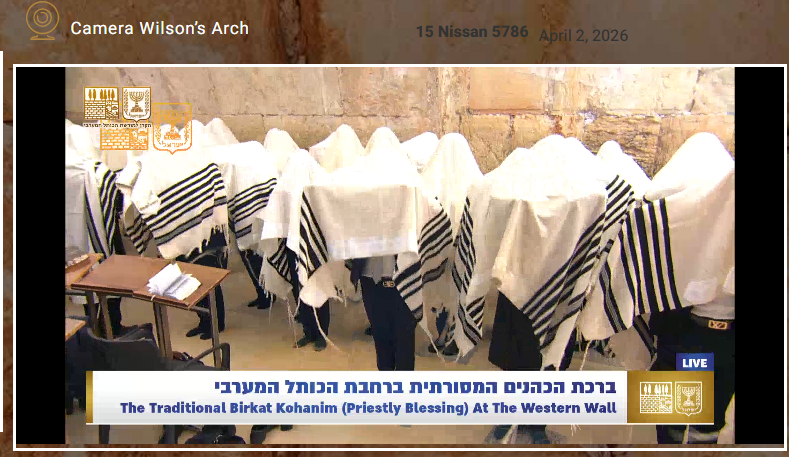
While the blessing from the Western Wall did take place this year,

it did not compare to the Birkat Cohanim of past years.

The seder ends with “Next Year in Jerusalem!”

The message felt more relevant than in past years.

Next year in Jerusalem for all who were not able to be here this year.
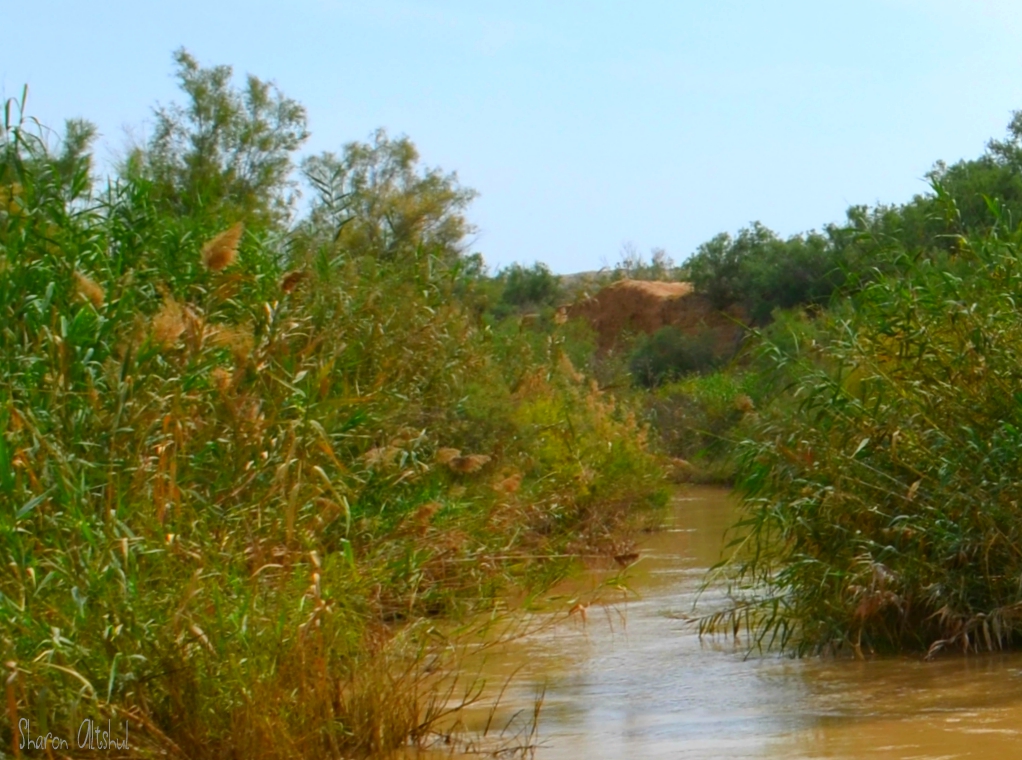
On the 10th of Nisan – Footsteps in the Jordan Valley

On a spring day in 2019, I traveled ancient footsteps through the Jordan Valley.

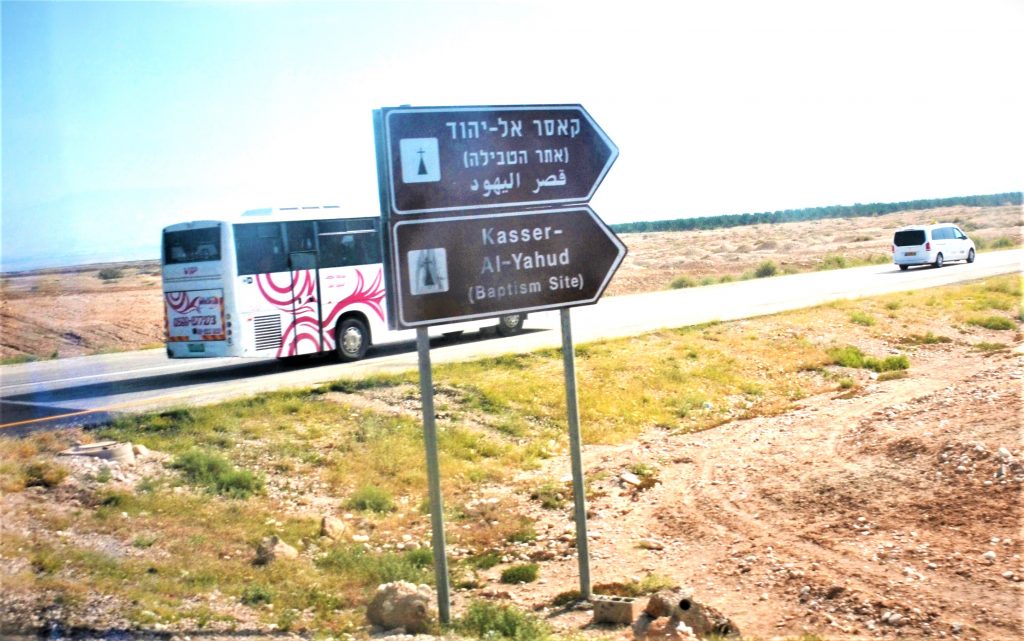
Standing at Qasr al-Yahud, “Castle of the Jews” on the western bank of the Jordan River, I stood at the traditional site where, on the tenth of Nisan, Joshua led the Israelites across the waters into the Promised Land after 40 years in the desert.

“On the tenth day of the first month [Nisan], the people went up from the Jordan and camped at Gilgal on the east border of Jericho.”

The Jordan River is at a narrow point at the site where the twelve tribes crossed.

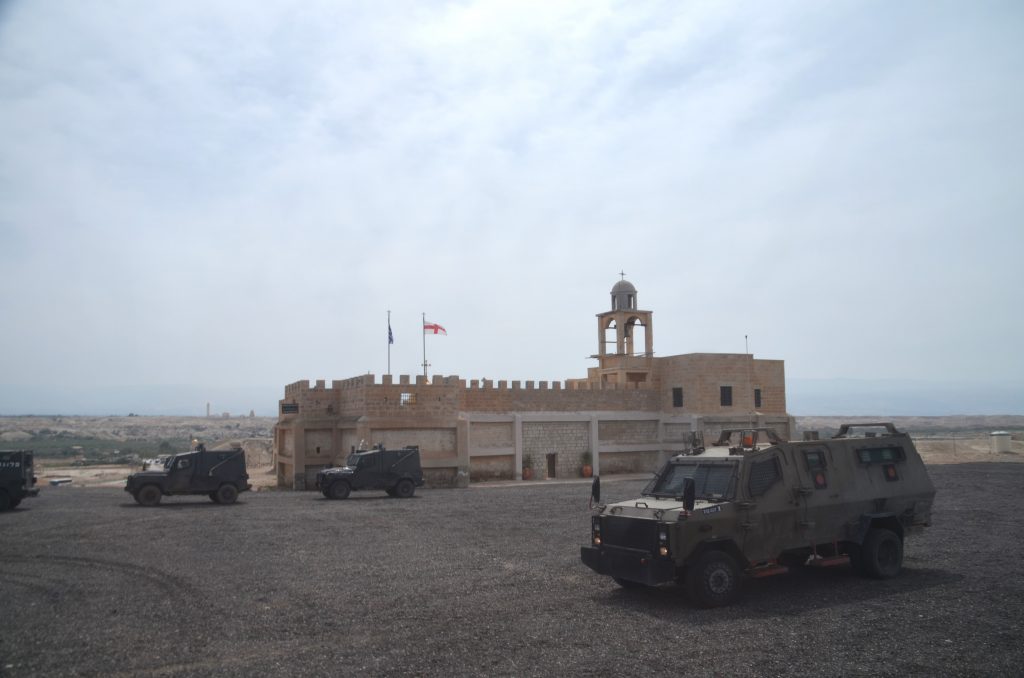
The main building nearby is the Greek Orthodox Monastery of St. John the Baptist.

The blue-and-white Israeli flag flew over the building on the left, and the white flag with a red cross on the right, the flag of England (St. George’s Cross).

The site features ruins, churches/monasteries from various denominations, baptismal areas, and access to the Jordan River.

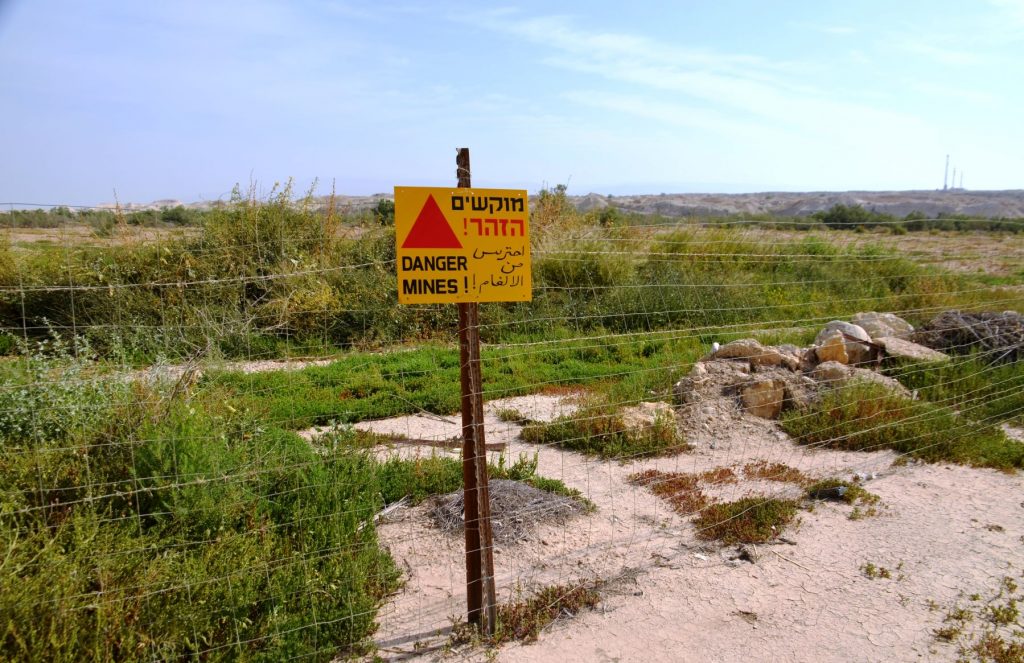
It was closed for decades due to land mines and security concerns.

But Israel has cleared the mines. It has been renovated and reopened to visitors.

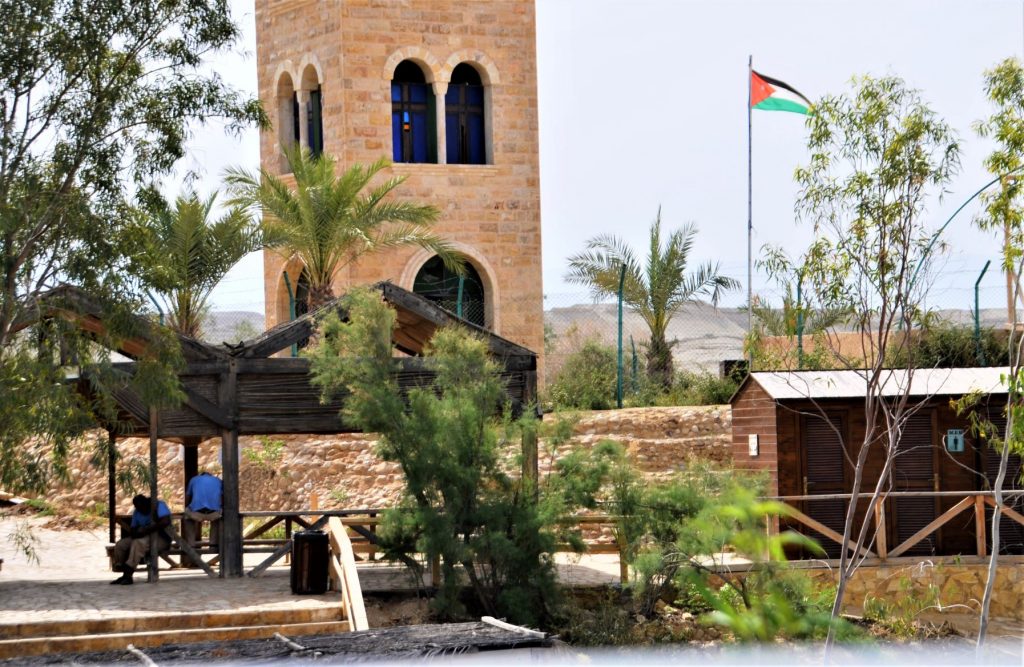
Identified by Jewish tradition as the site where the Israelites crossed the Jordan River, Jordan shares the site with a simple divider.

Signs are in Hebrew, Arabic, and English for the site also a popular Baptism site.

The day we went, the Jordanian security on the other side was more interested in their phones.

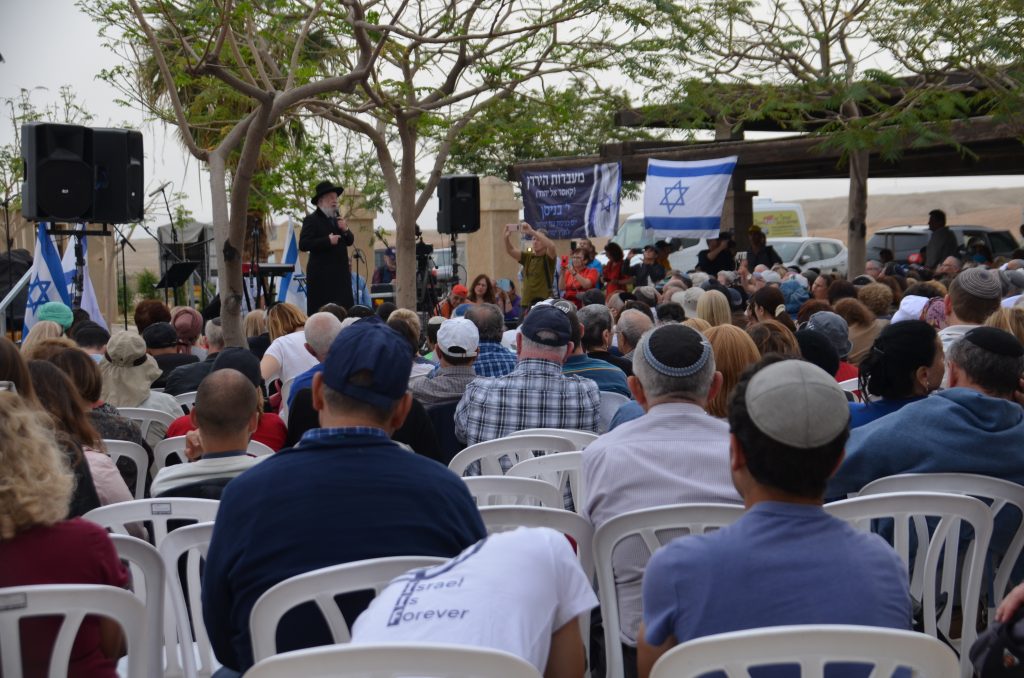
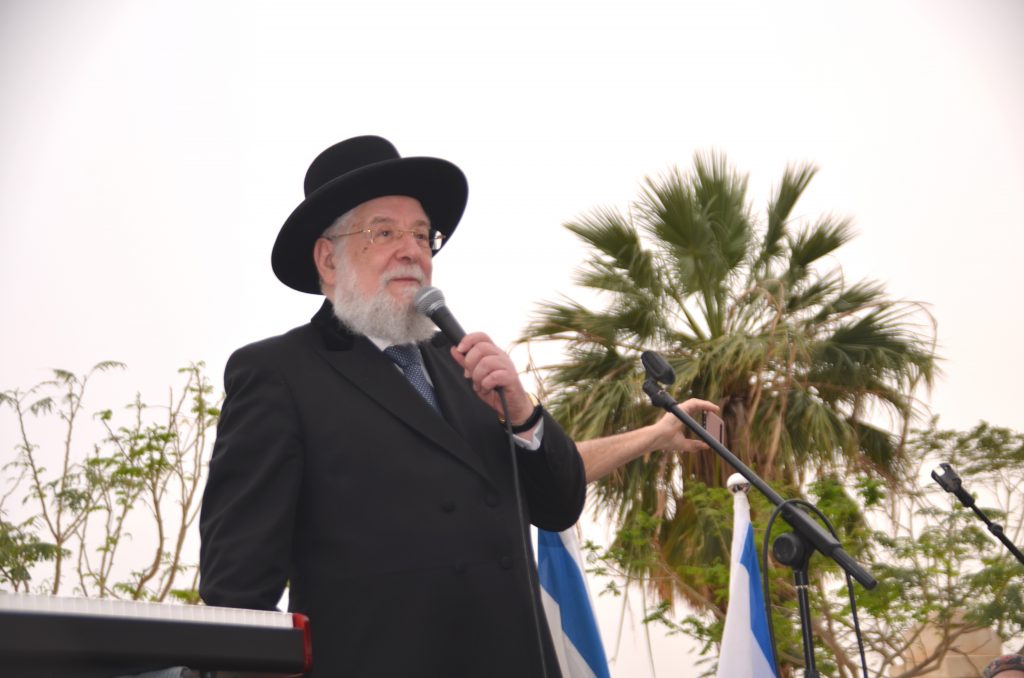
Speakers at the י’ בניסן celebration included Rabbi Yisrael Meir Lau.

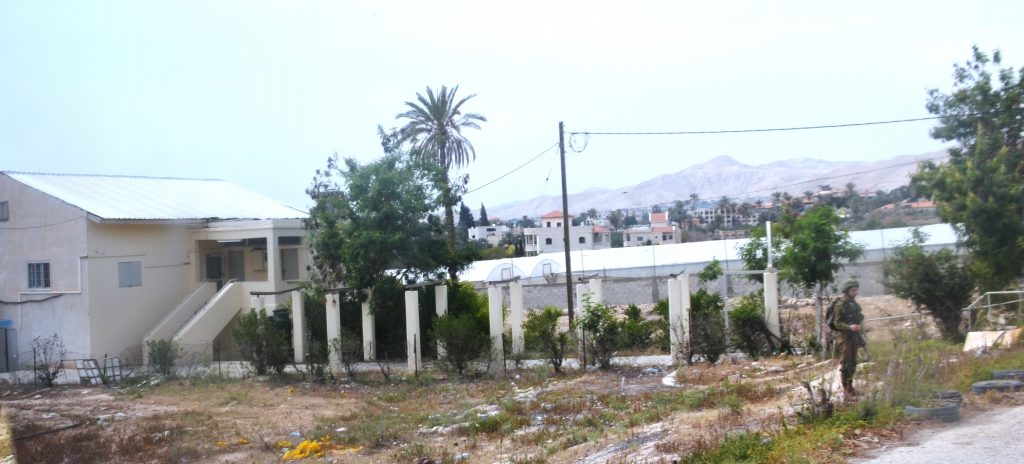
But the day also included an IDF-escorted trip to Yericho, Jericho.

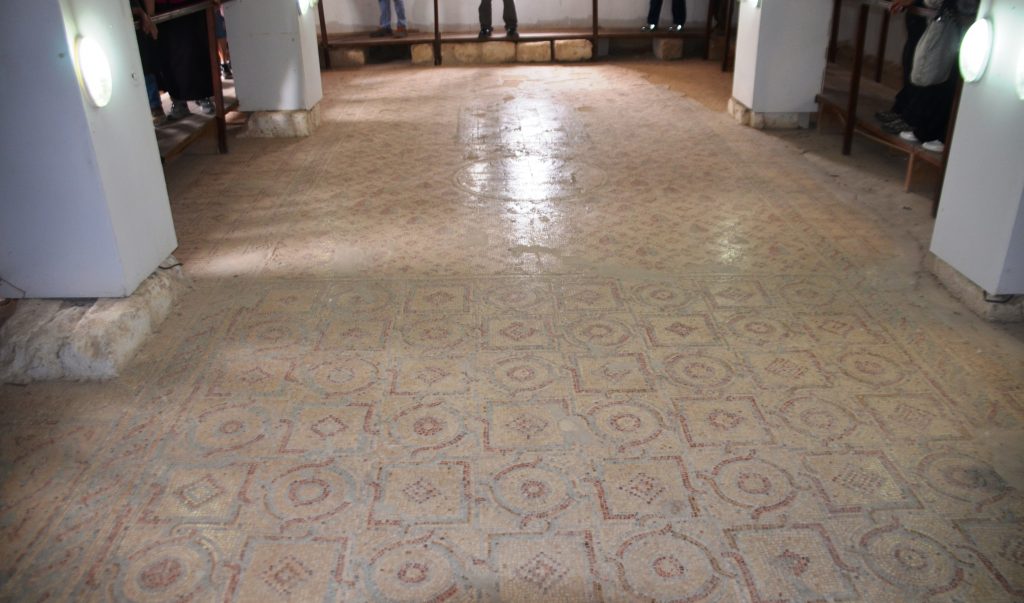
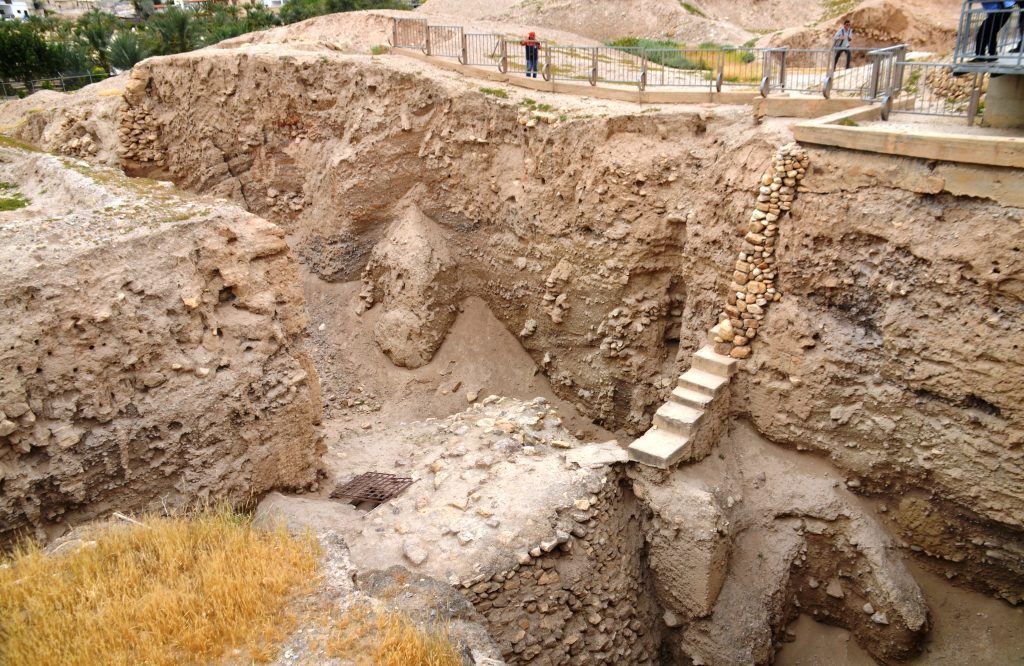
In Jericho is the Shalom al Israel Synagogue, also called the Ancient Synagogue of Jericho or Byzantine-era Jericho Synagogue. In the 1930s, it was discovered when digging to build a house.

In the white structure, there is a large, well-preserved mosaic floor with geometric patterns, circles, and floral/heart-like motifs in red, black, and beige tones. A beautiful Byzantine-period mosaic. It is late 6th or early 7th century CE, roughly 1,400 years old.

A raised platform or viewing area with a railing, where our tour group walked around, allowed visitors to look down on the mosaics without walking on them.

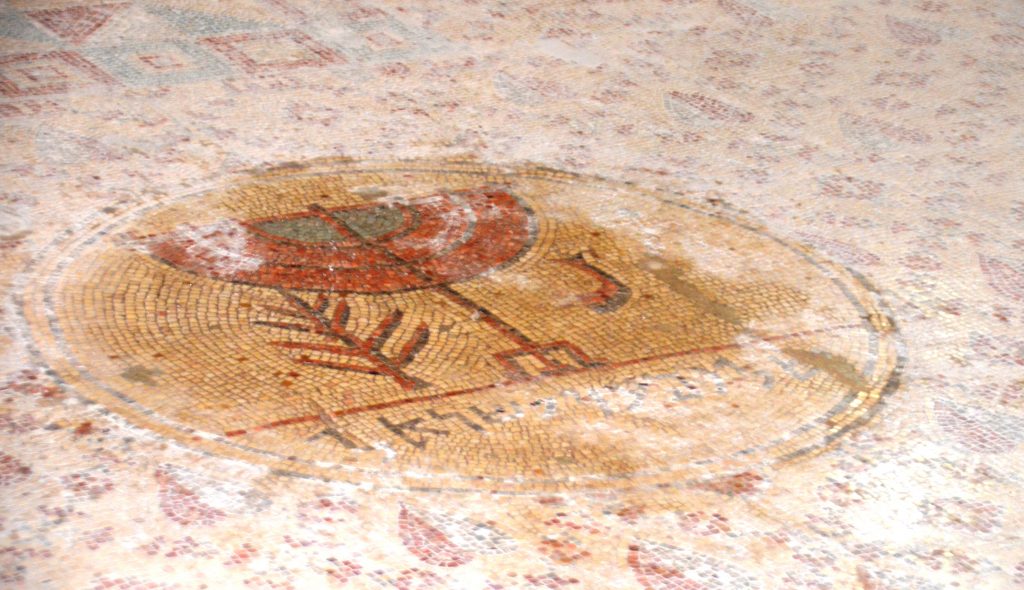
The central part of the mosaic includes an Aramaic inscription – “Shalom al Israel“, “Peace upon Israel”, along with a large menorah and other Jewish motifs.

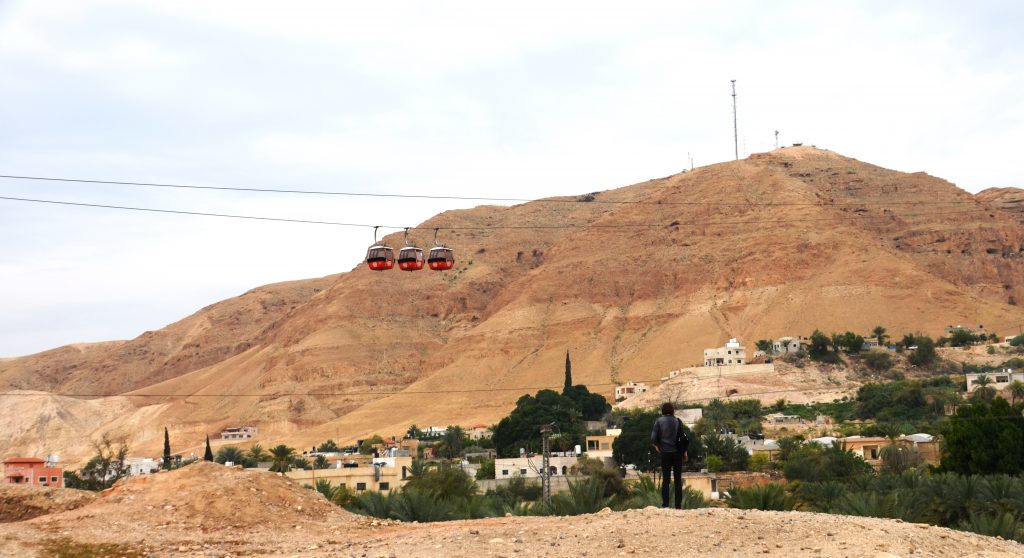
This is the cable car to the Mount of Temptation, one of Jericho’s main tourist attractions.

It’s the lowest cable car in the world, and close to the Dead Sea.

My South East Asian journalist friend mentioned she often came on Saturdays as Jericho was so close to Jerusalem.

The tour of ancient Jericho is a long story and for a post of its own.

It is closed to Jews and Israelis most of the year.

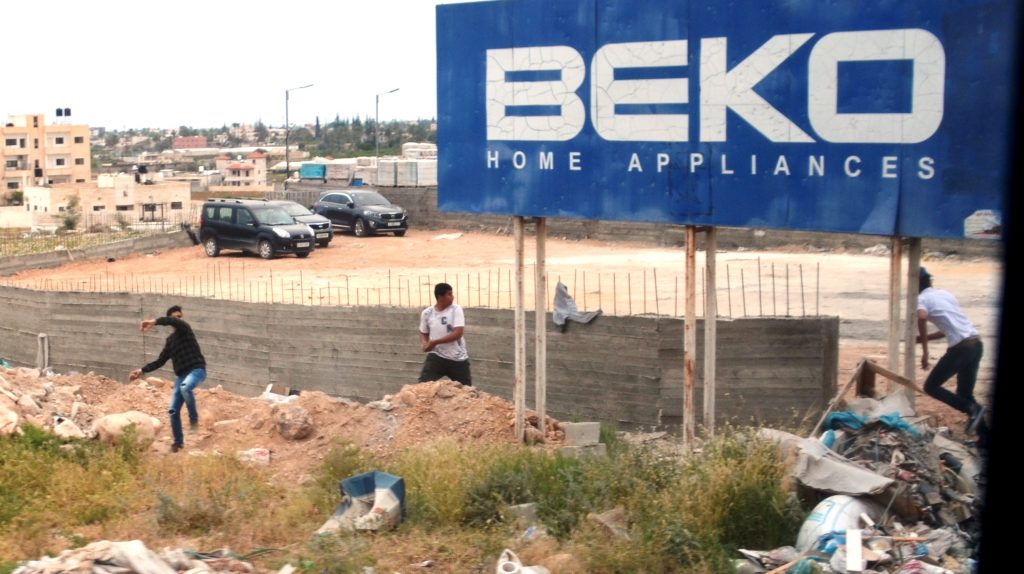
On a convoy of buses, with an IDF escort, and Jericho said to be “friendly,” our bus was stoned. Interestingly, the two younger-looking men were left behind as their leader ran quickly away.

Perhaps because 10 Nisan falls 4 days before Passover, when many families are busy with preparations, it has been overlooked.

Perhaps next year we will get back to the Yud Nisan and the Jordan River to celebrate.

Tradition also links it to the prophet Elijah, who ascended to heaven in a fiery chariot by the Jordan.

Each year, what a year this has been!

We open the door and stand to welcome Elijah into our homes near the end of the Passover seder.

The seder that ends with “Next year in Jerusalem.”

Back to the Jerusalem streets, Chag Sameach, a happy and safe holiday to all.

Hoping to see you soon in Jerusalem!

How to power through the third week of war in Jerusalem

It was another week of extremes on the Jerusalem streets.

Another week to decide where to begin and what to include.

Imagine that Israel ranks eighth in the world happiness index, even as Operation Roaring Lion rages on with casualties in the south and north.

While staying close to home and shelters, Jerusalem streets are under fire from Iranian cluster munitions.

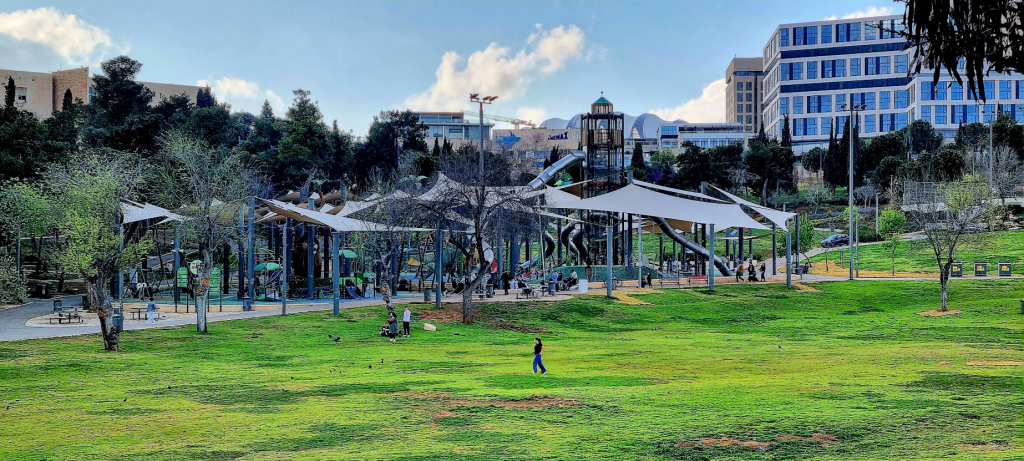
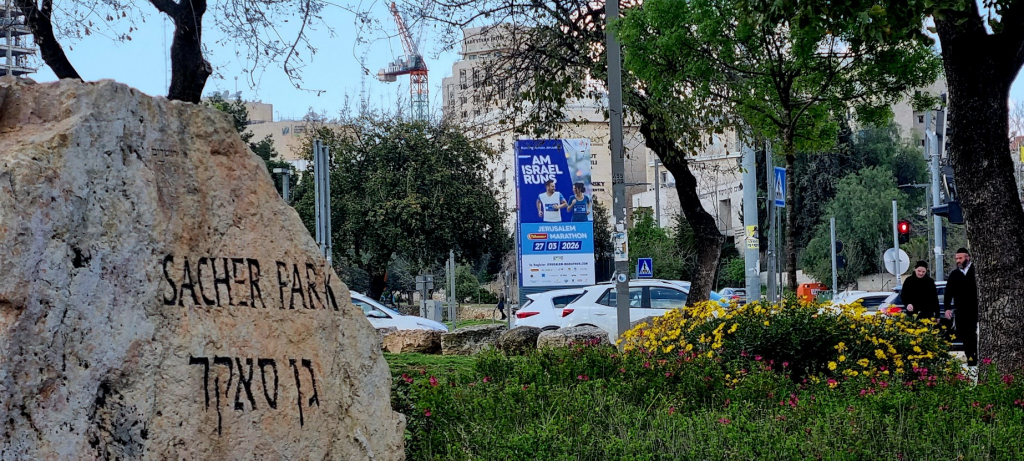
After reports of an arson fire on the Gan Sacher, Sacher Park playground equipment, I ventured out of my front door. Along the way, a stop in a random building shelter due to an alert siren was required.

As you can see, the park was mostly empty soon after the siren and booms stopped. The play equipment was repaired quickly, and the families are using it again, when possible.

Remember, there has been no school for the past 3 weeks.

The Jerusalem Marathon scheduled for March 27 has been postponed to April 17, 2026.

We have been staying close to home because of the threats from Iran. During past operations, I have had to get out of a vehicle and lie on the side of the road. No desire now to be in a car along a highway during an alert.

This morning in the north, a man was killed by a direct hit while he was in his car.

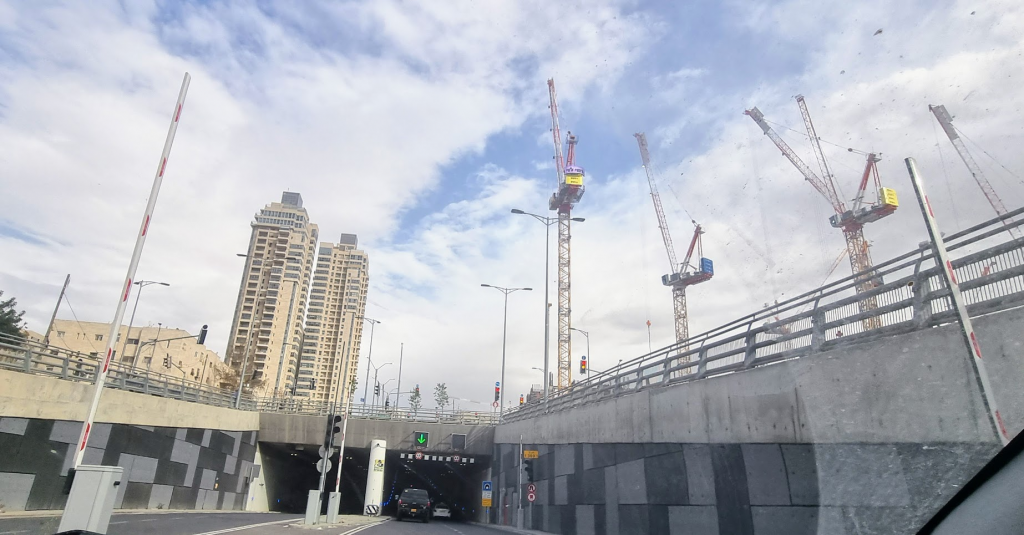
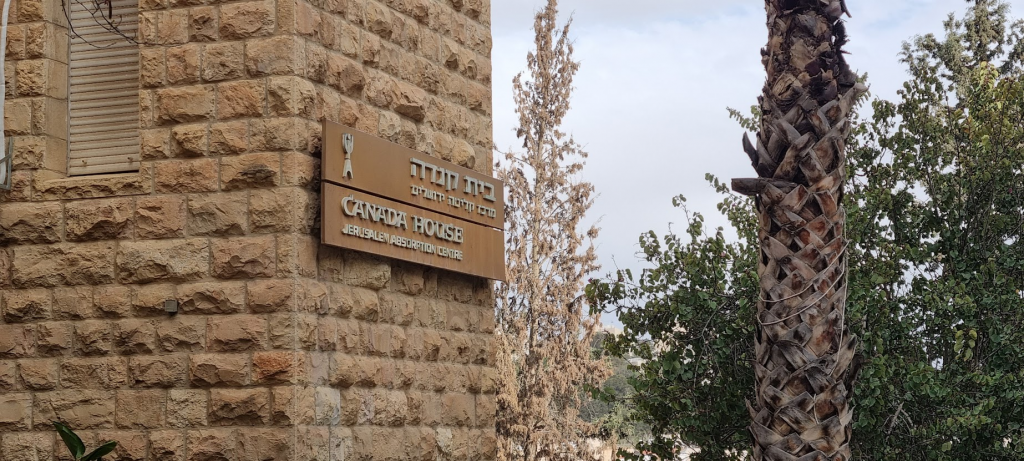
However, driving to Canada House in Armon Hanetziv was not too far.

Seeing the construction towering over the Jerusalem streets is always impressive.

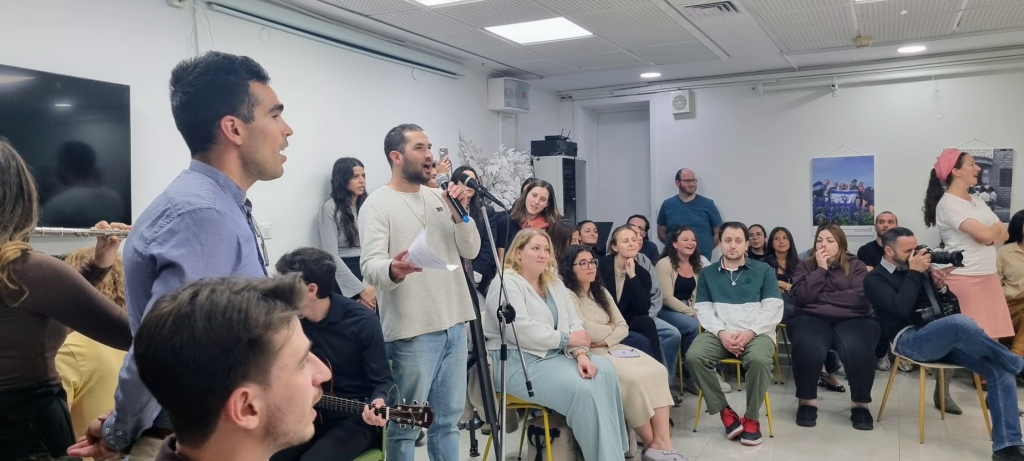
An assignment to see the Ulpan Etzion located in the Canada House was too good to miss.

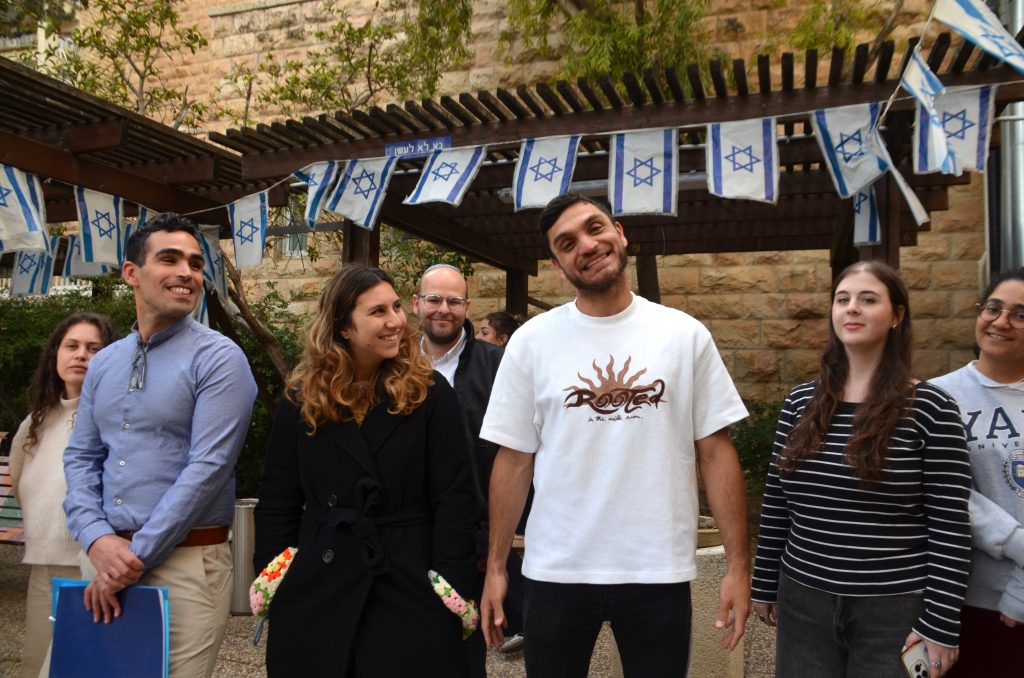
Young people from around the globe attend the ulpan to learn Hebrew and acclimate to Israeli life.

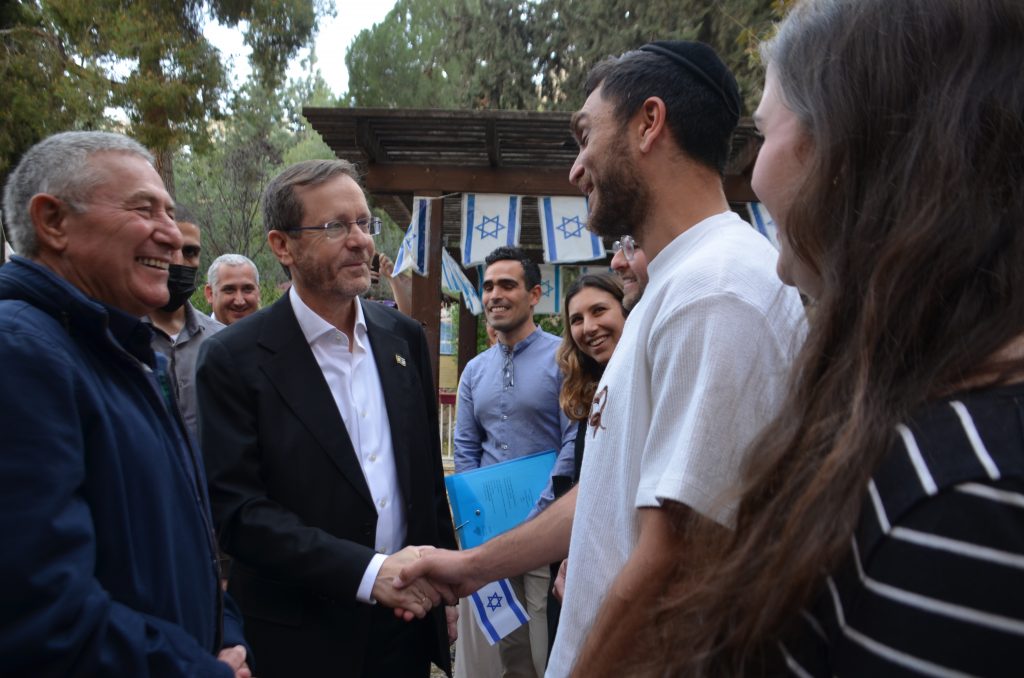
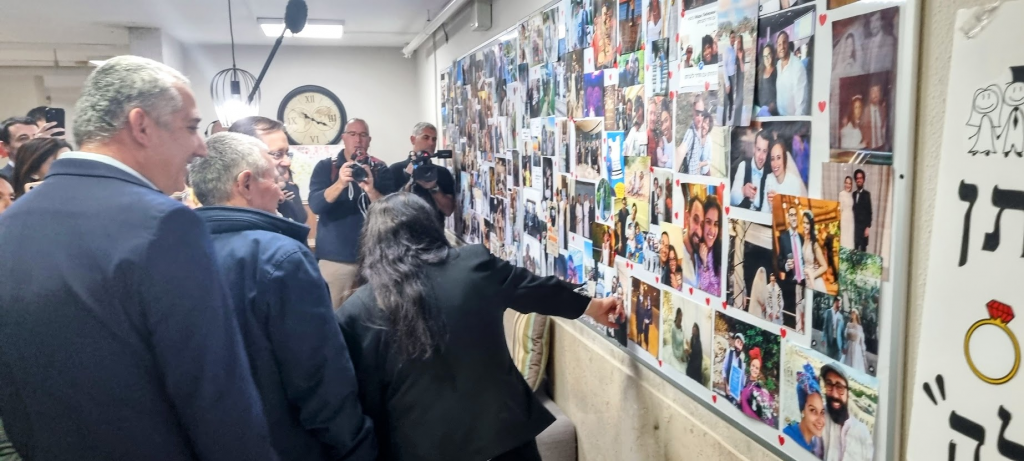
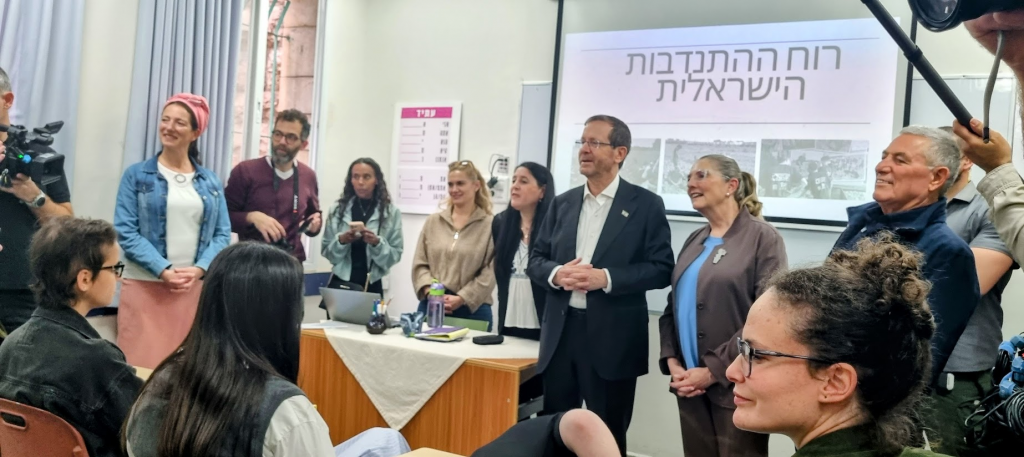
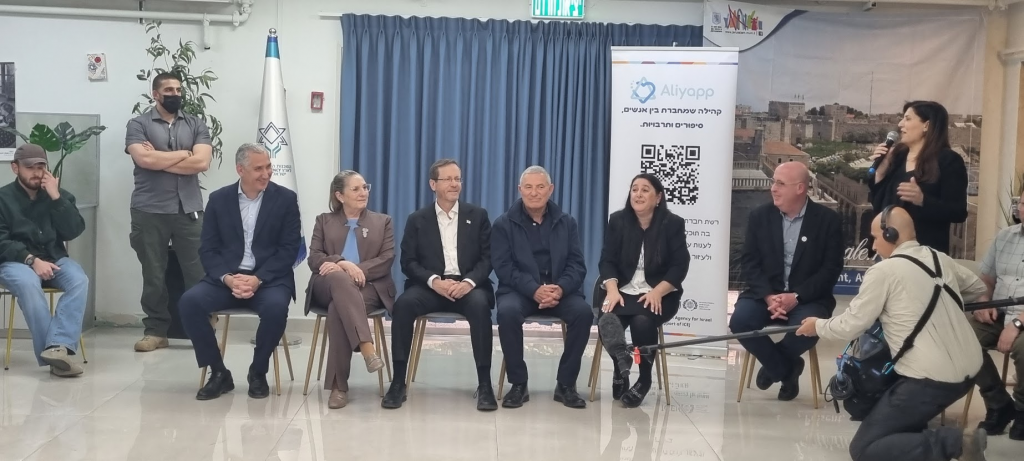
They were lined up outside to greet President Isaac Herzog, accompanied by Doron Almog, the head of the Jewish Agency.

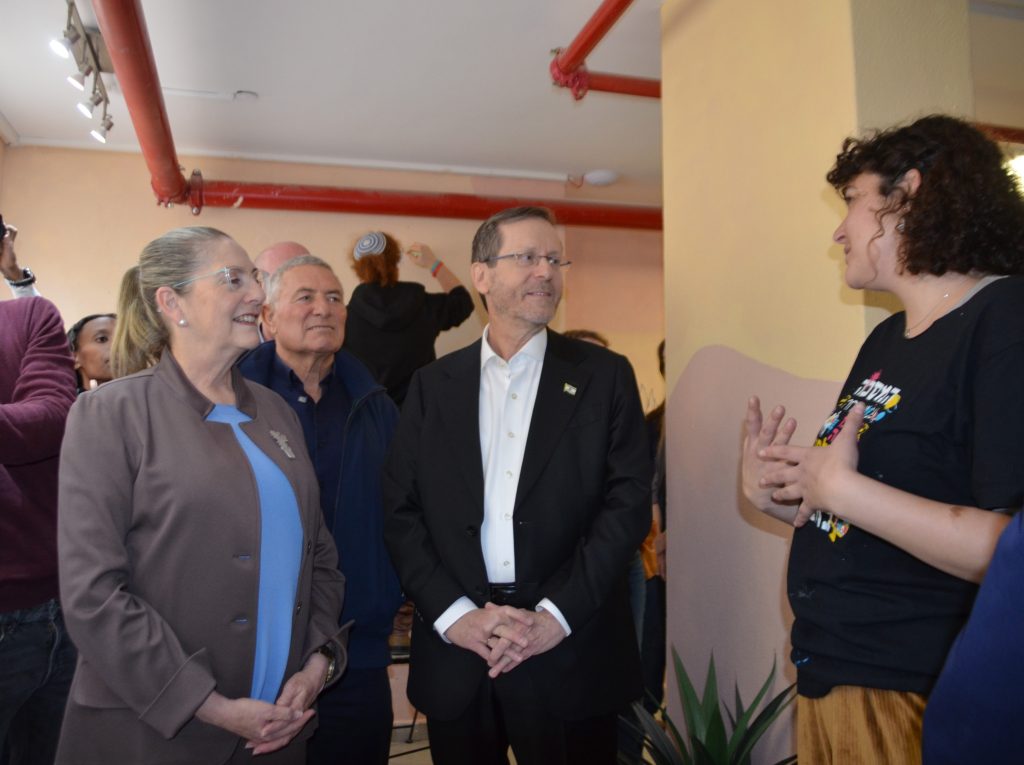
Together with his wife, Michal Herzog, they spoke with more participants inside.

They viewed a wall full of photos of weddings and other positive events.

They were coming from a visit to a site where a missile had hit that morning; this was an appreciated change of scenery.

The ulpan lesson was on the meaning of ruach – wind, or better, the spirit of the Israeli volunteering.

Herzog mentioned that Aliyah during wartime is the clearest answer to those who seek to undermine Israel.

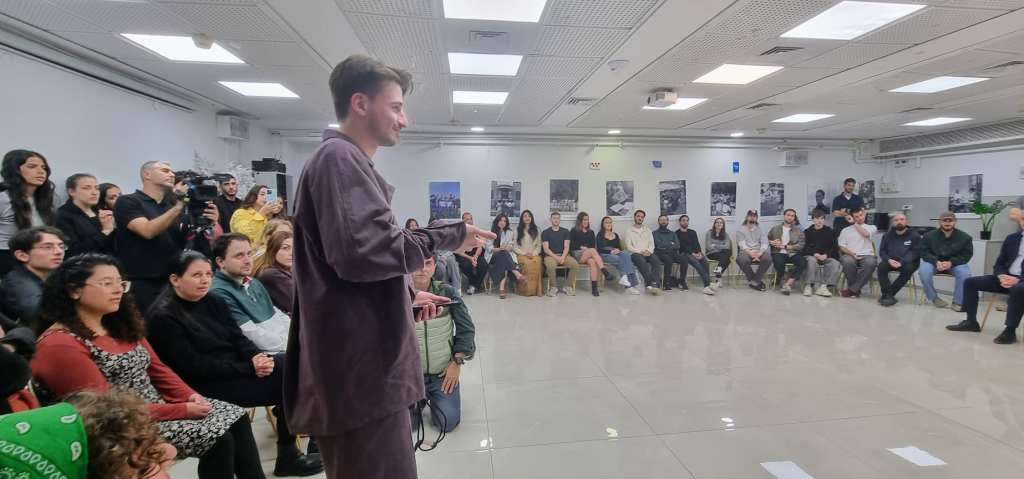
In the largest meeting with those in ulpan, the Herzogs heard from one young man from Belarus who spoke in halting Hebrew, but ended in Hebrew, “he is home.”

Several other young men and women from France and the United States also spoke.

Plus, it was an Israeli program, so Israeli music was included.

What an uplifting event it was! Only sorry I did not get to speak to more participants.

So glad I changed my plans and left the Passover cleaning for the next day.

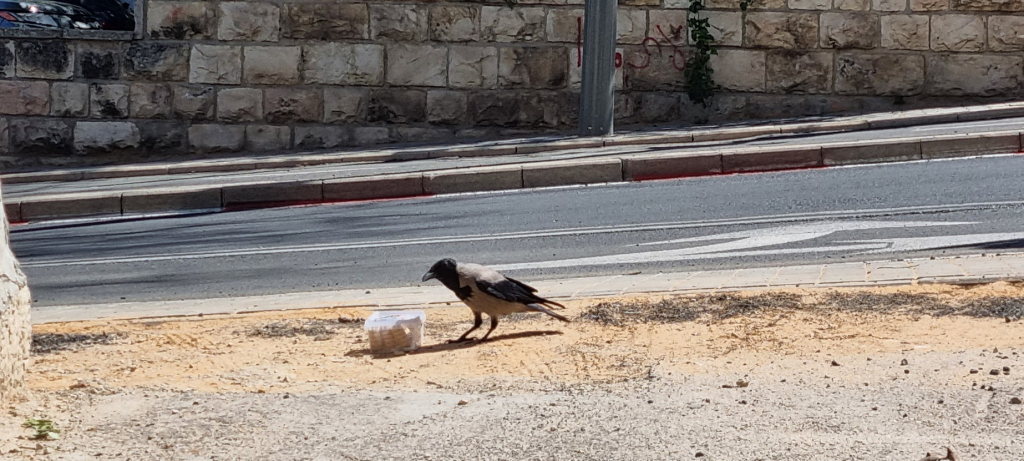
Despite the missiles and sirens, Pesach, Passover, is in 10 days. Bread products are now for the birds.

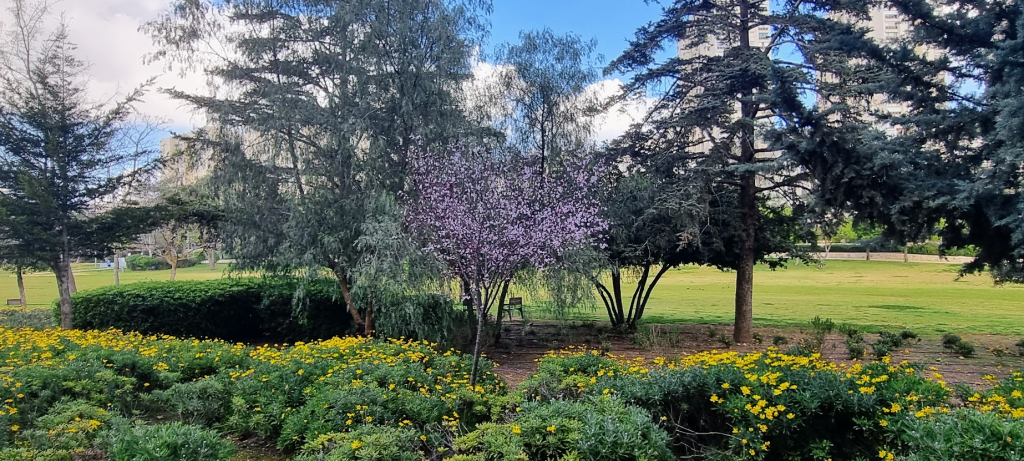
When the rains clear, the signs of spring abound on the Jerusalem streets.

The clocks are to change this weekend, as if we are not tired enough from sleep interrupted by sirens.

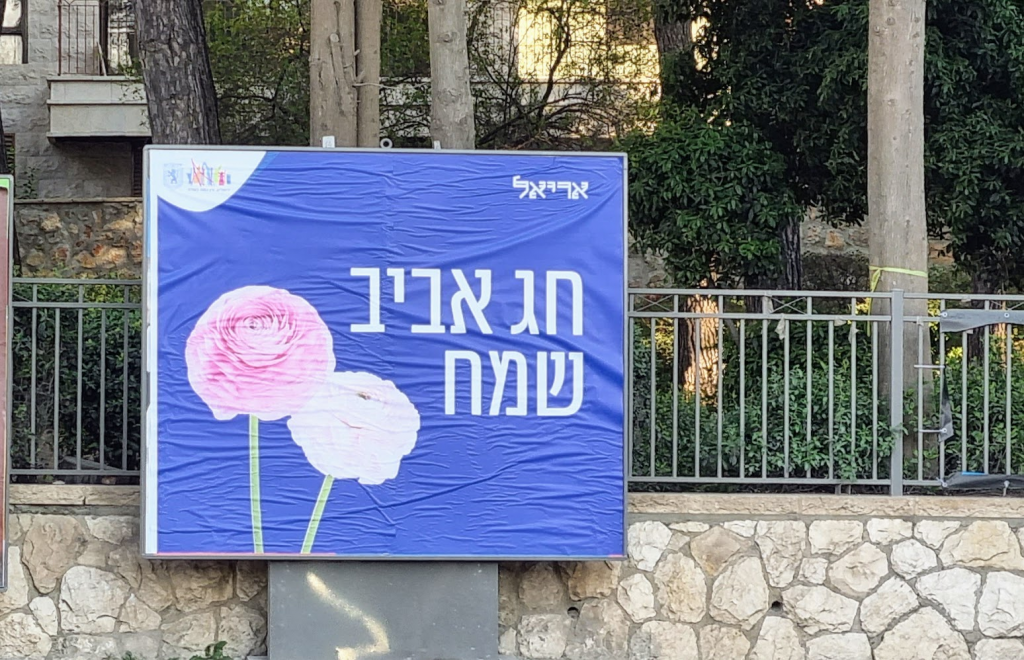
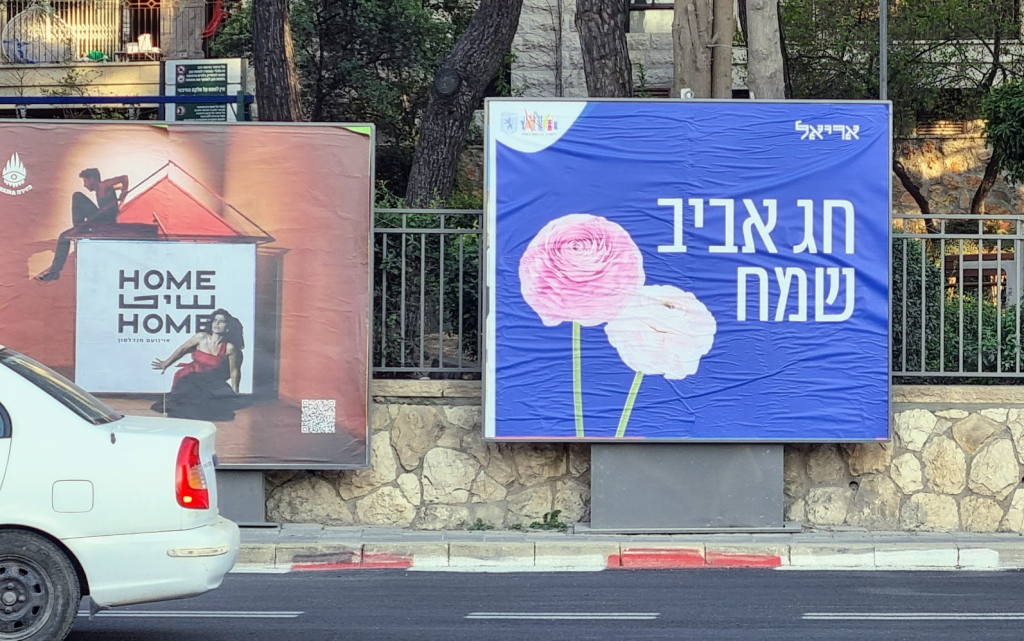
Chag Aviv Sameach, Happy holiday of Spring, signs are popping up.

They replace the ones for Purim.

Plans are in flux as no one knows what will happen next.

But year after year, the seder night ends with “Next year in Jerusalem.”