Occupied on Sukkot

At present, hundreds of cities around the world are being occupied,

as “Occupy” protesters take to the streets and people are living in tents.

This week in Jerusalem, as they do every year for the Sukkot holiday,

thousands of people leave their homes to occupy… sukkot.
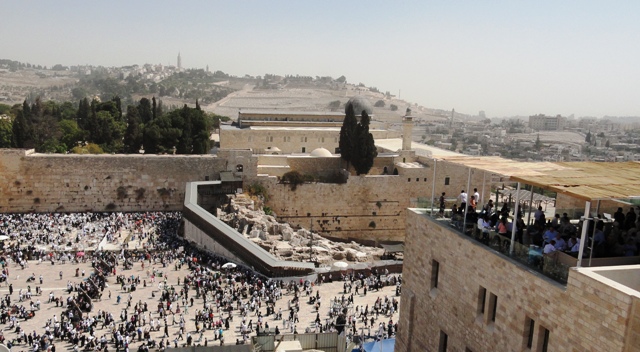
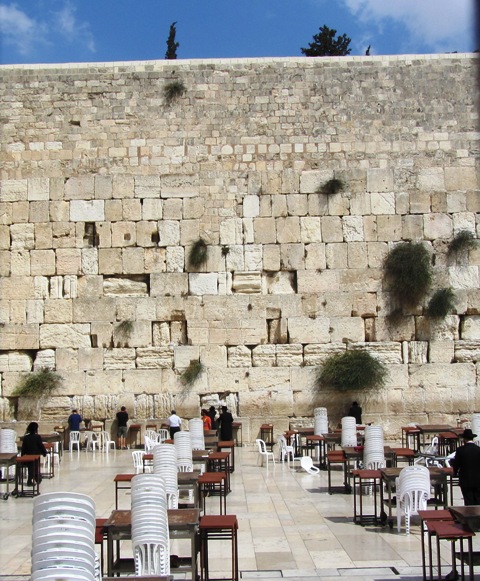
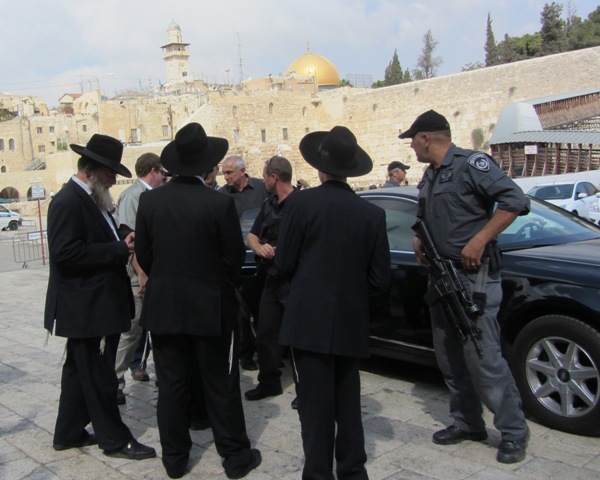
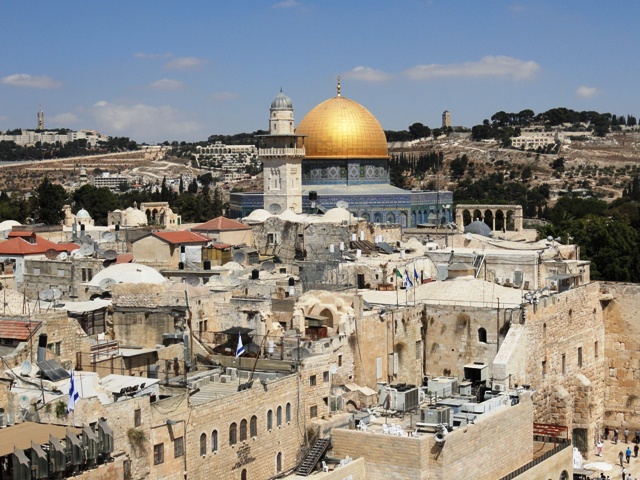
Sukkot can have one of the best views of the Kotel, the Western Wall,
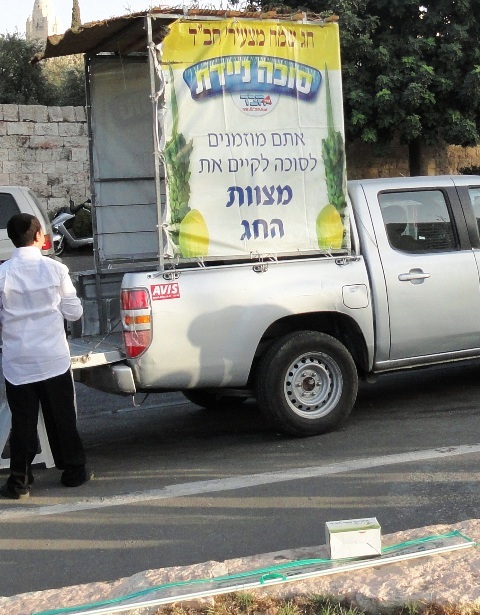
or be on the back of a truck,
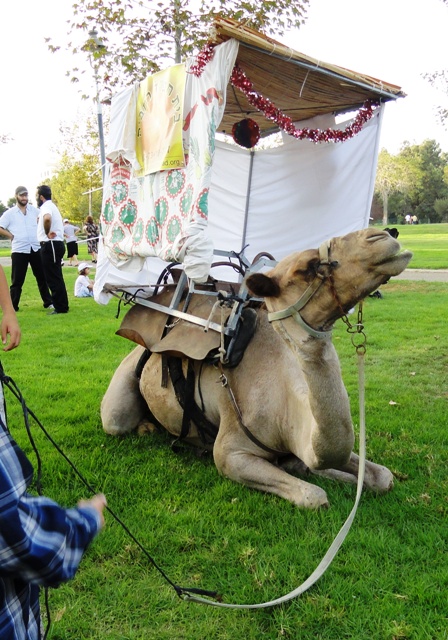
or even on the back of a camel.
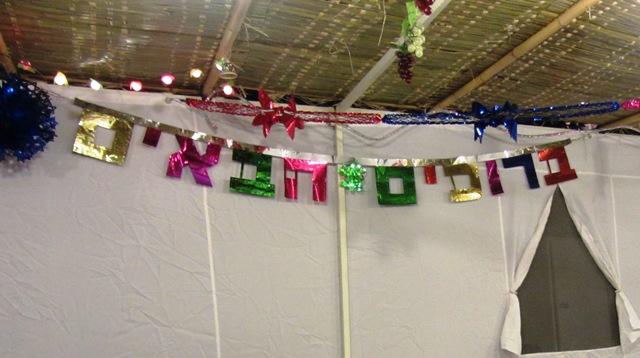
 With or without a welcoming sign… all around Jerusalem this week,

 thousands of sukkot are being occupied.
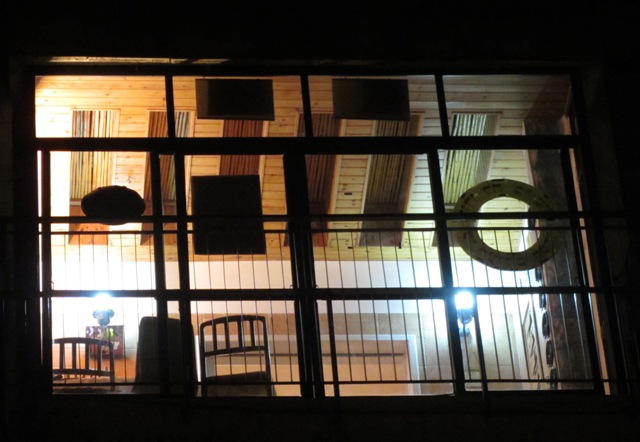
At night when the lights go on
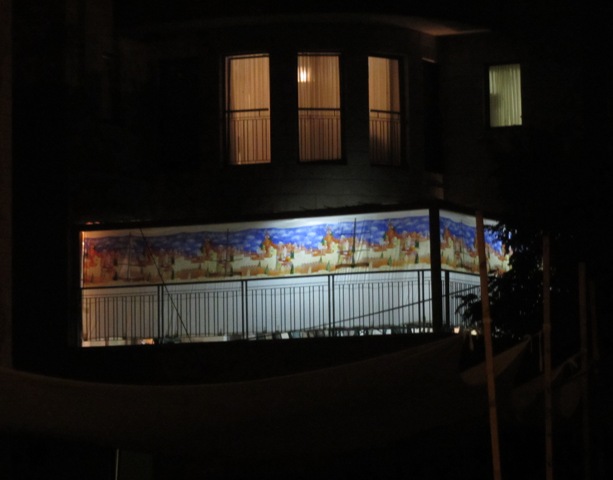
they stand out
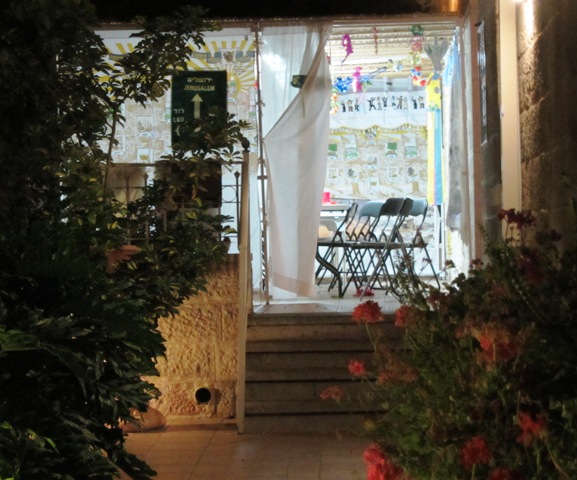
inviting,
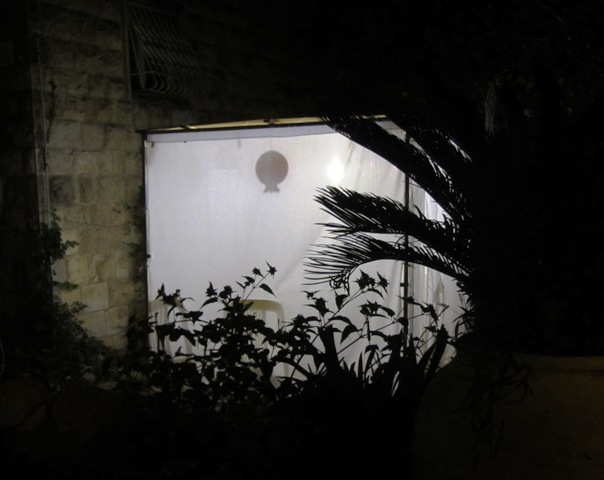
bright against the dark sky.
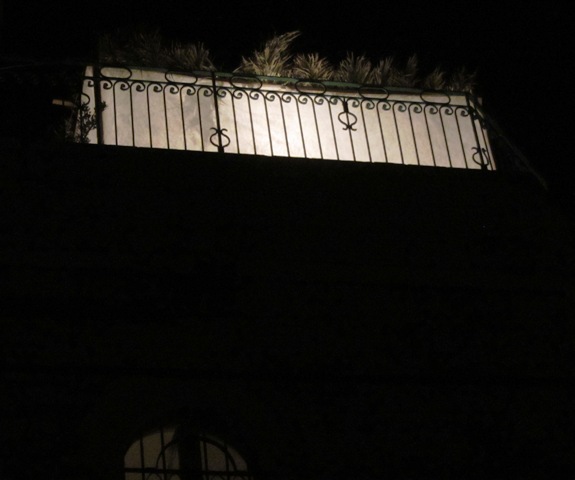
Some are long with simple white walls,
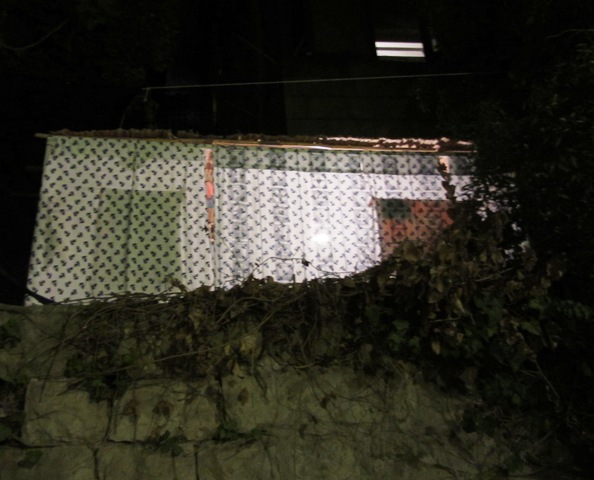
others with patterned fabric.
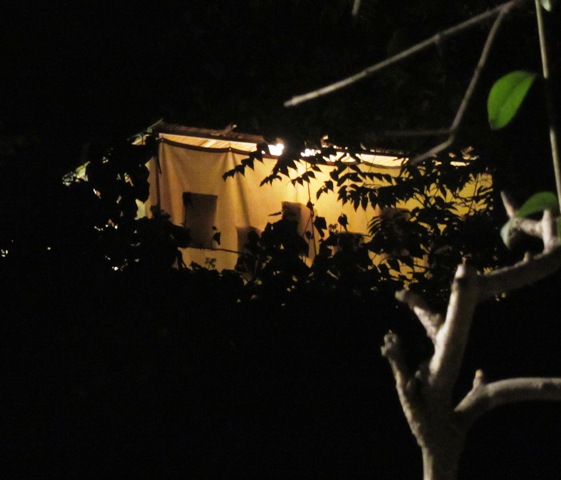
Some are tucked away off the street
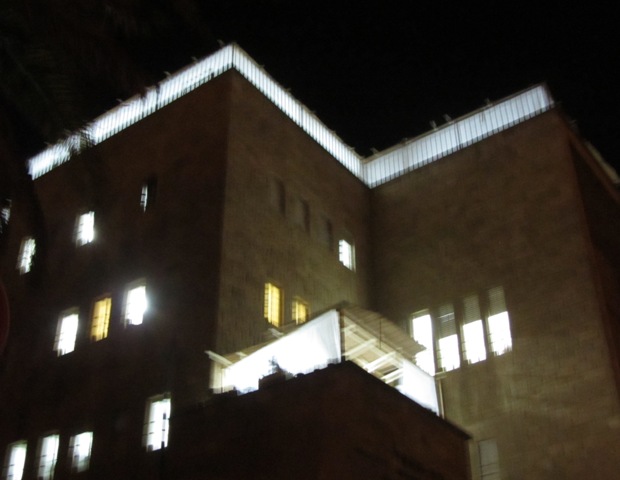
and some are large and imposing on a roof top,
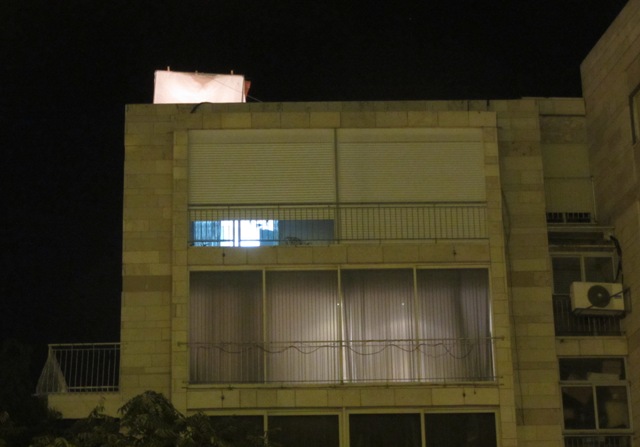
while others appear small and alone.

Some sukkot are public
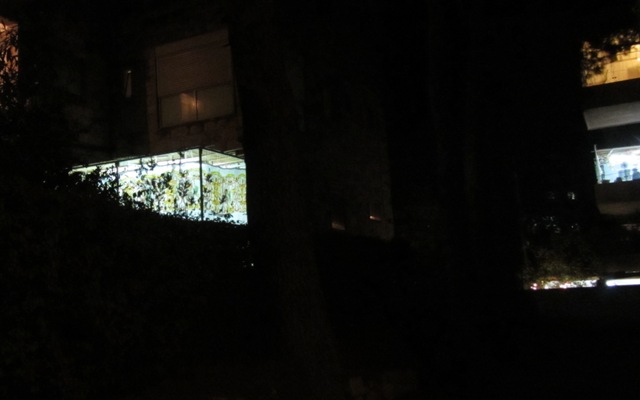
and some very private.
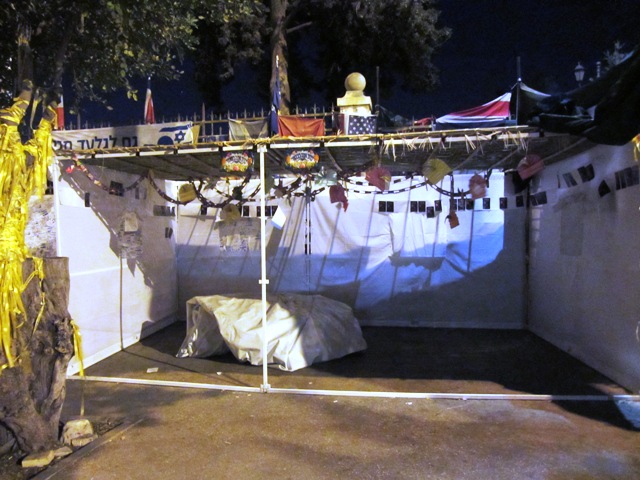
There is one sukkah that is now dark and unoccupied.

It is the enlarged sukkah built in the Shalit protest area,

near the Prime Minister’s residence.  The Shalit family has left Jerusalem,

they and their supporters went home before the holiday began.

Also, it seems… not occupied on Sukkot
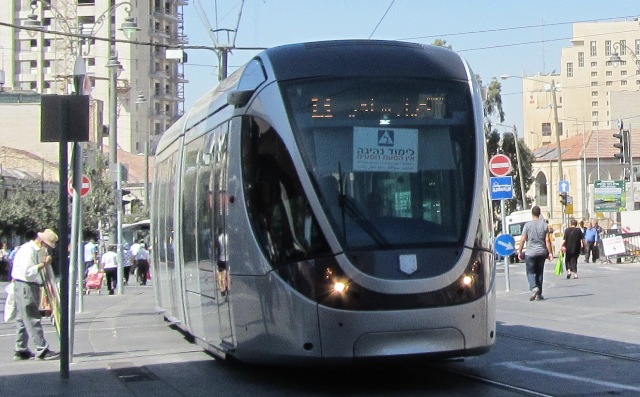
are the new light rail trains.

Their drivers have barely started to work,

but are already on strike and the trains are not running today,

one of the busiest tourist days of the year.

Moadim L’Simcha from Jerusalem!
Friday Riots

Following weeks of drama and hype, doomsday scenarios

and talk of possible riots on the day Abu Mazen spoke at the United Nations,

we had to go and see what was really happening.

 Friday afternoon, September 23, 2011 in Jerusalem was no apocalypse.

Clashes may make the headlines, but on the real streets…

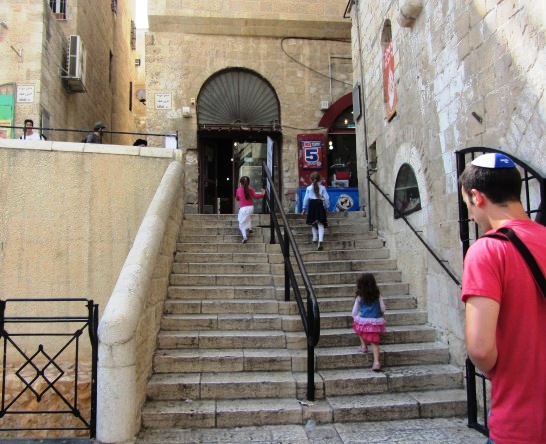
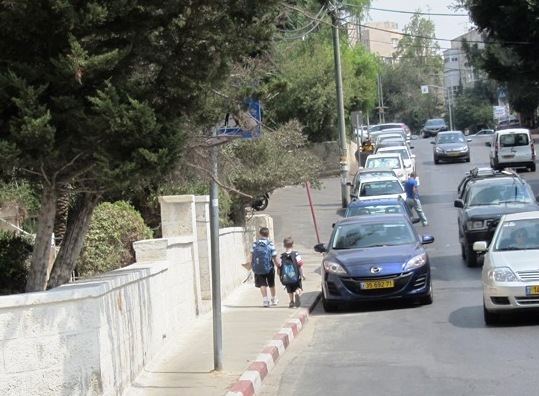
little children walked home from school,

 couples were out on dates and many streets were quieter than usual.

The United States Consulate told its employees to stay away from the Old City

and many overseas year programs told their students to stay away as well.

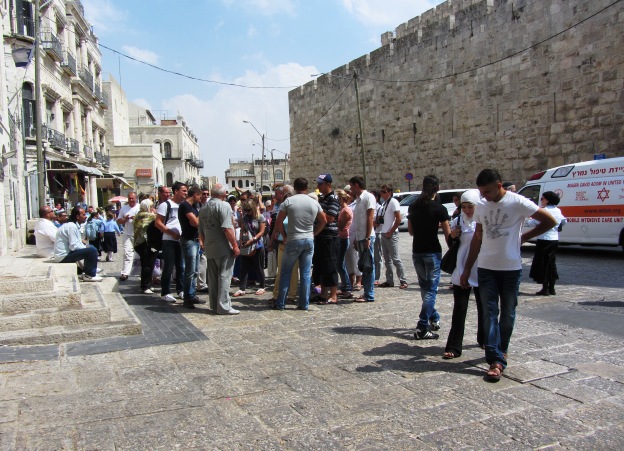
However, dozen of buses of tourists from around the world arrived all afternoon,

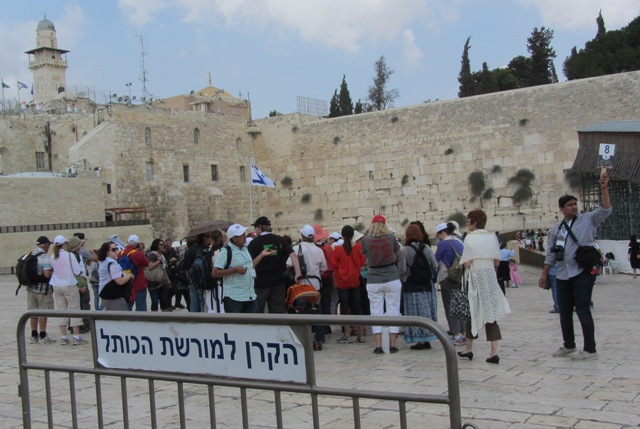
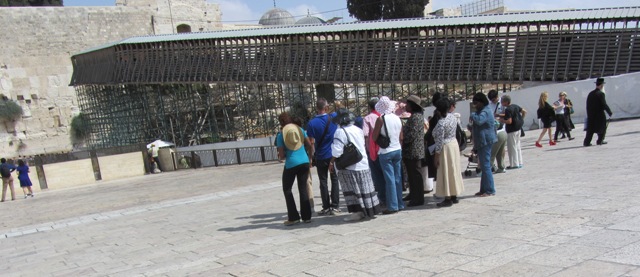
a Kim Clement tour group brought 11 bus loads of Christian visitors

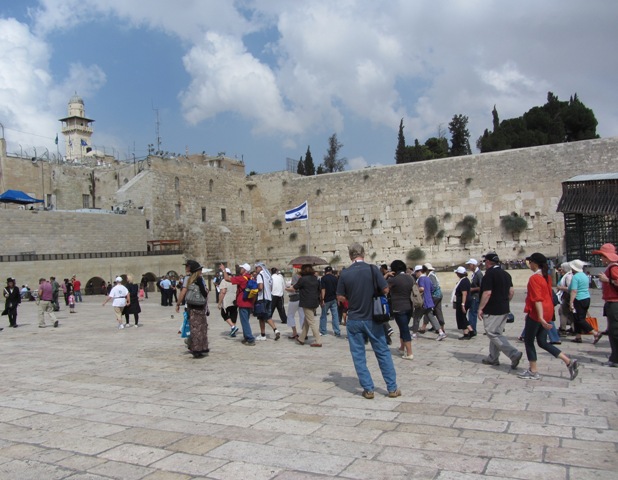
to the Kotel, the Western Wall, and the Old City.

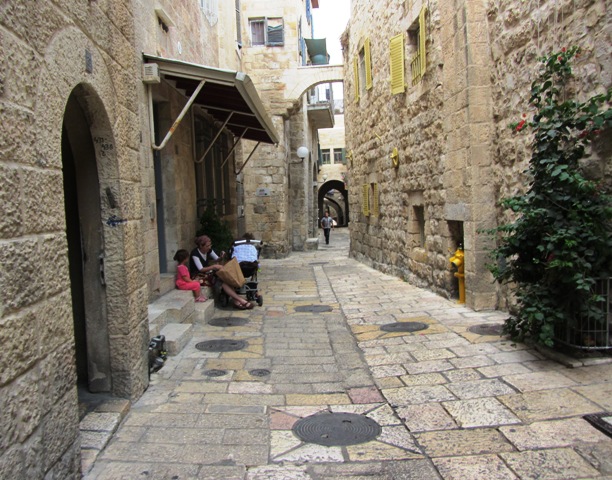
Meanwhile, a young woman sat with her little children in the Jewish Quarter

and little girls went by themselves for ice cream.

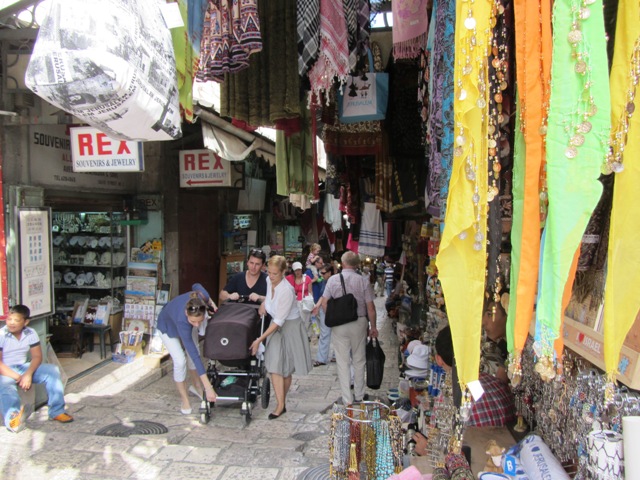
In the Arab shuk hundreds of people passed freely all afternoon.

There was no question that security precautions were higher than usual.

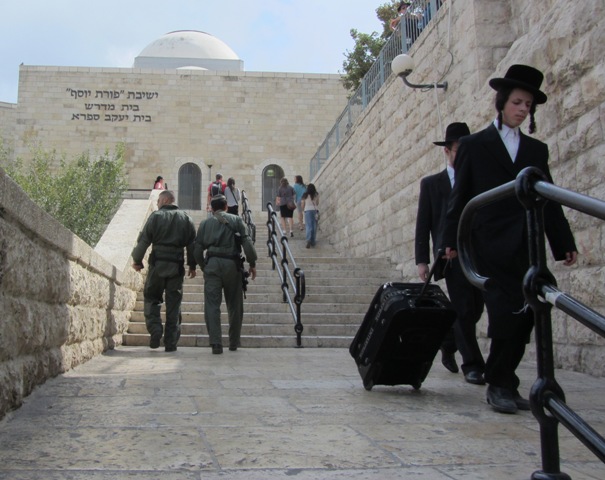
Did this tour group notice the ramp to the Temple Mount full of Israeli security

ready for trouble as the mid-day Muslim prayers ended?

But the number of Muslim worshipers passing thru the Jewish Quarter

was much less than on a regular Friday afternoon.

The season’s first rain clouds were gathering,

resulting in cooler temperatures and a few drops of rain!

Who could imagine that there would be more rain drops than protesters?

The police left, certainly relieved that there was nothing for them to do.

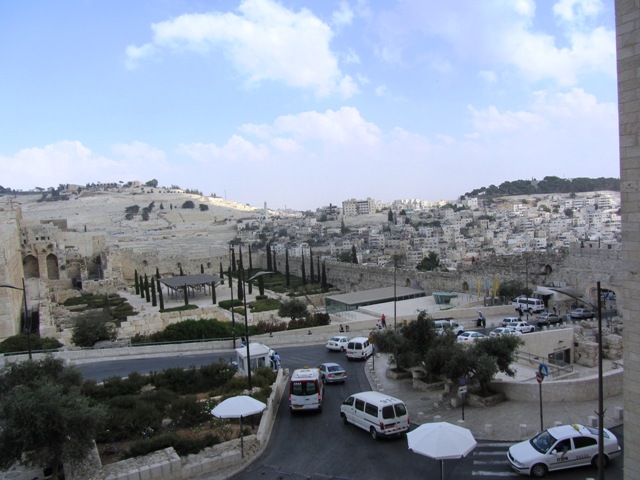
 Silwan seemed quiet and still,

as security people went home and Shabbat guests arrived.

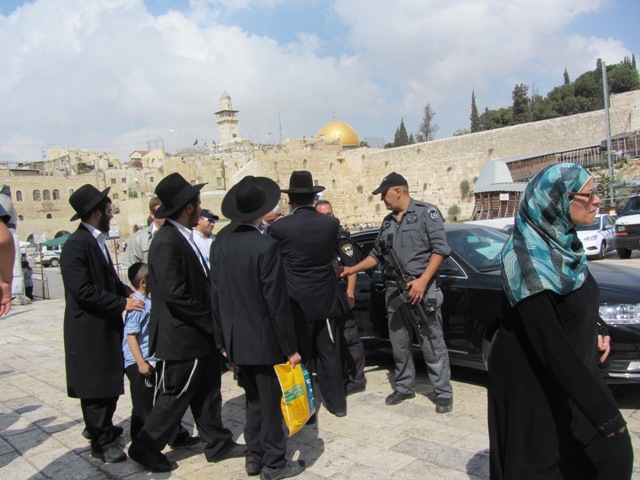
A Muslim woman walked by a small group that gathered

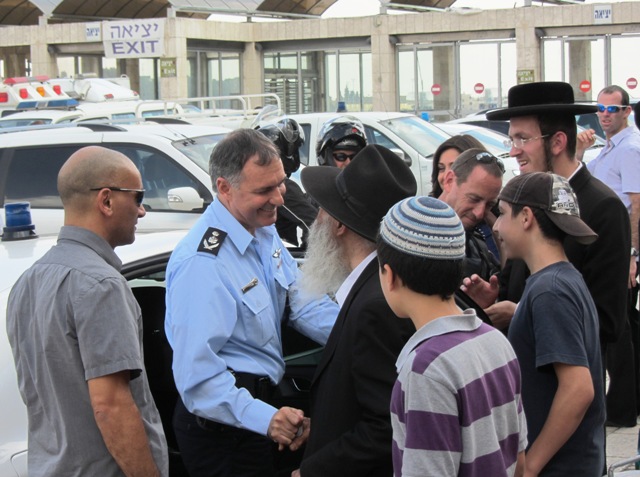
 as Israeli Public Security Minister Yitzhak Aharonovitch was ready to leave.

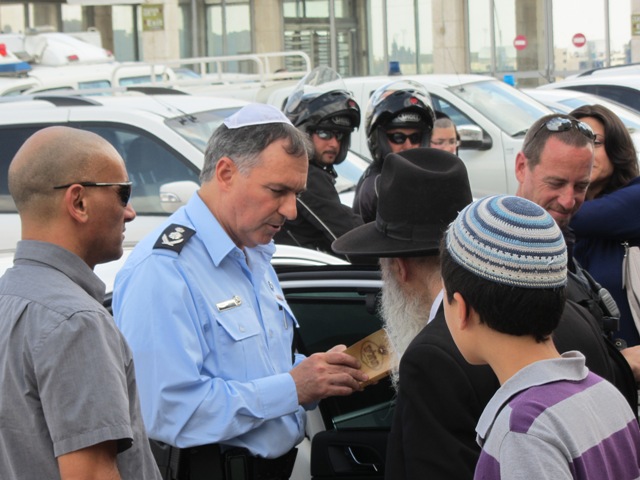
Israeli Police Chief  Yochanan Danino was all smiles as he got in his car

and seemed not to mind saying a little prayer before he left.

Clashes with Israeli soldiers make headlines,

but on Friday afternoon in Jerusalem

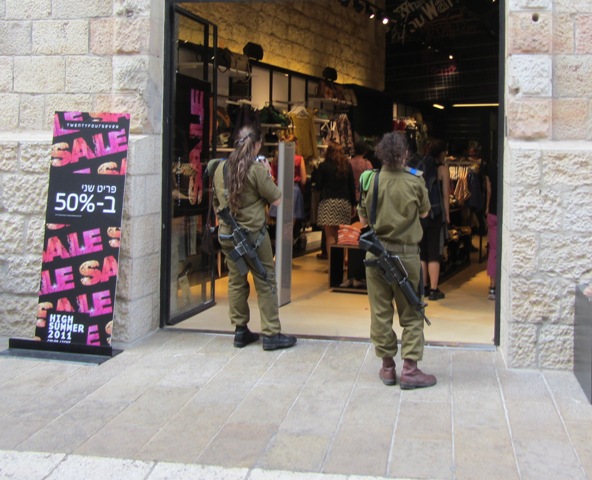
 the stores closed early for the Sabbath… not for riots.

Racist State

This September, the opening sessions of the United Nations in New York

are to host “Durban 3” and a Palestinian bid for statehood.

The United Nations seems to have forgotten that,

it voted on November 29, 1947 to partition the British Mandate of Palestine

into two states, one Jewish and one Arab.

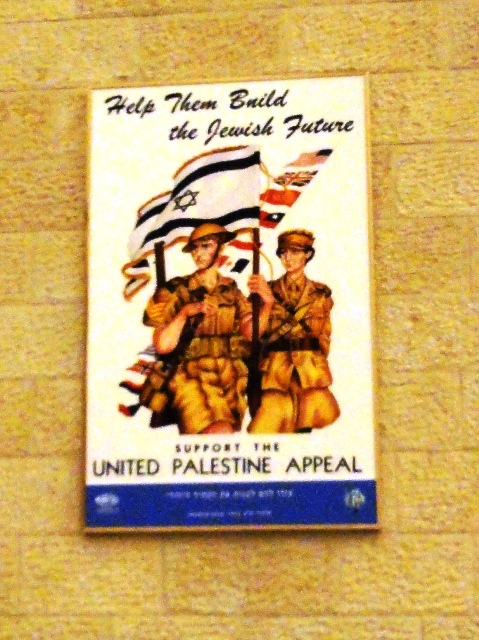
Jewish people rolled up their sleeves, collected funds to buy land and built the land.

The Arab nations rejected the partition plan and attacked the new state of Israel.

In May 1948 the Jordanian legion captured and occupied Jerusalem,

the land to the east toward the Jordanian border became known as the West Bank.

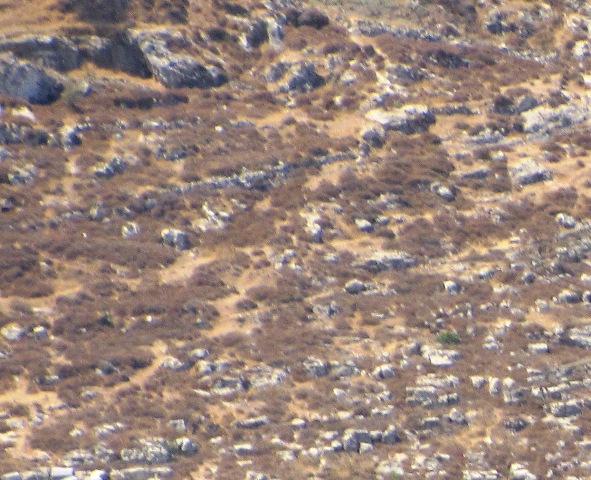
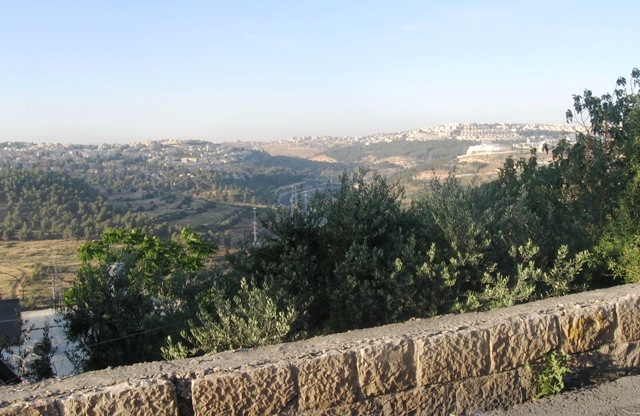
Most of the land in the West Bank is hilly, rocky and until after 1967 was empty.

In 1964 when the Palestine Liberation Organization was founded,

there were no Jews allowed

to live in “East” Jerusalem,

which includes areas to the north, south and west of Jerusalem.

Mamilla was a no man’s land, needed to protect Israel from Jordanian snipers.

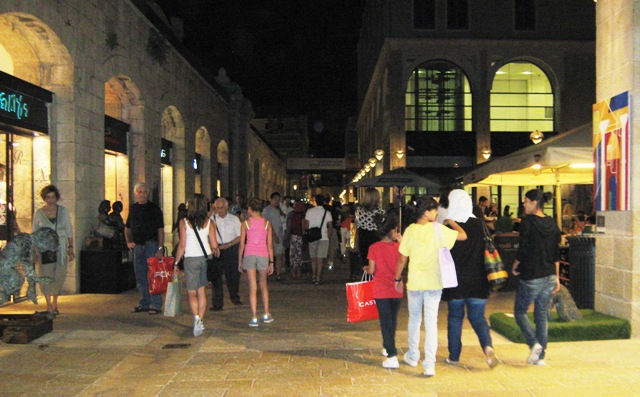
Today Mamilla is a shopping mall,

busy day and night

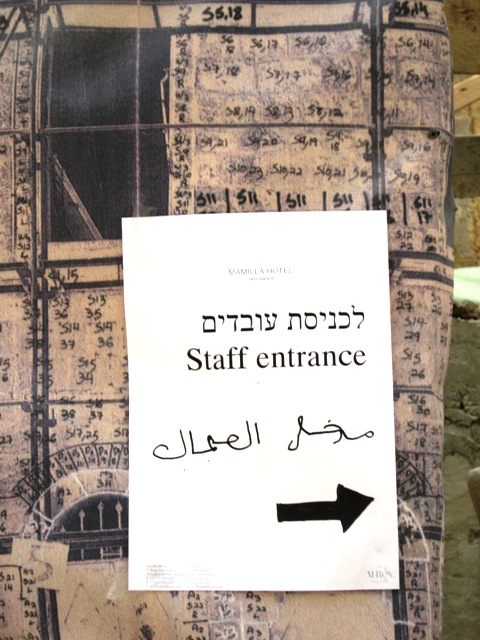
offering employment to many.

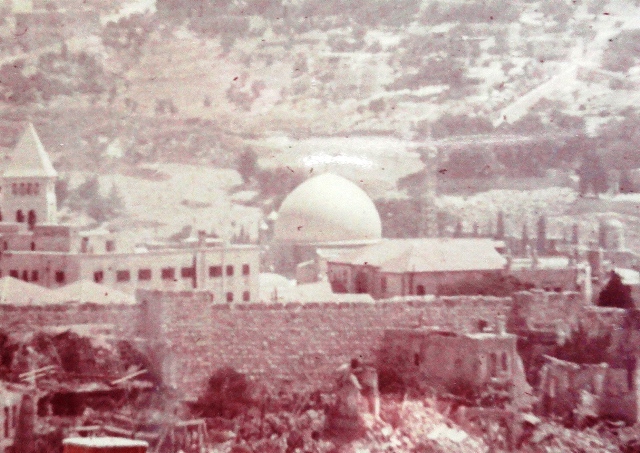
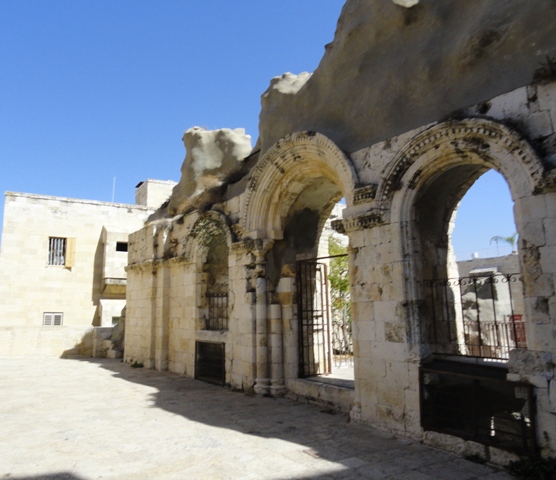
Under Jordanian occupation in 1948, all the Old City’s synagogues were destroyed

and all Jews were forced to flee their homes in the Jewish Quarter.

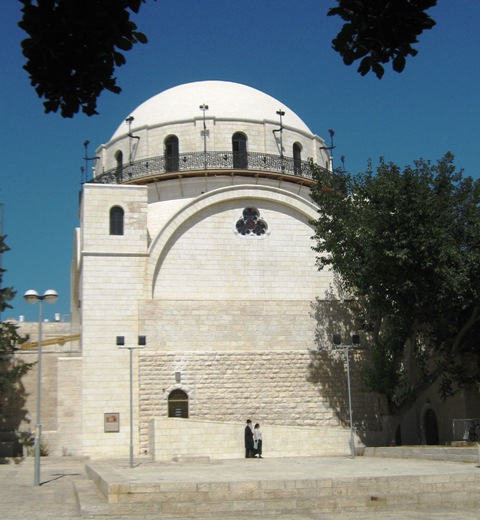
The recently restored Hurva Synagogue is no longer a hurva, a ruin,

and stands in the center of the re-established ancient Jewish neighborhood.

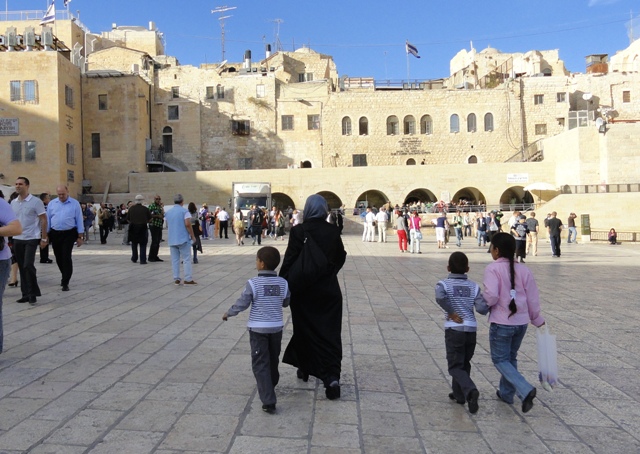
The Kotel, the Western Wall Plaza is now open to everyone.

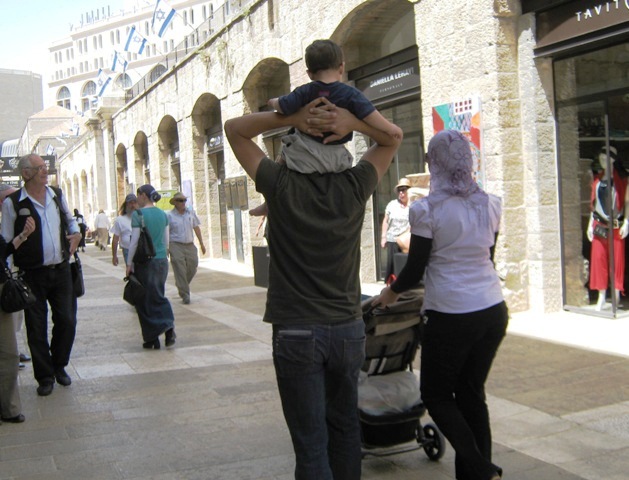
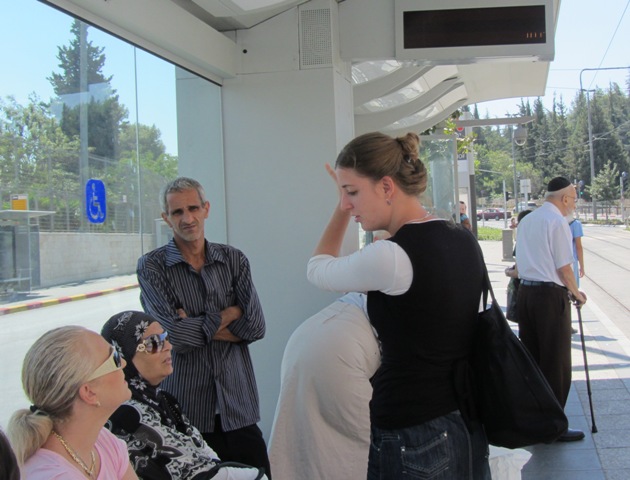
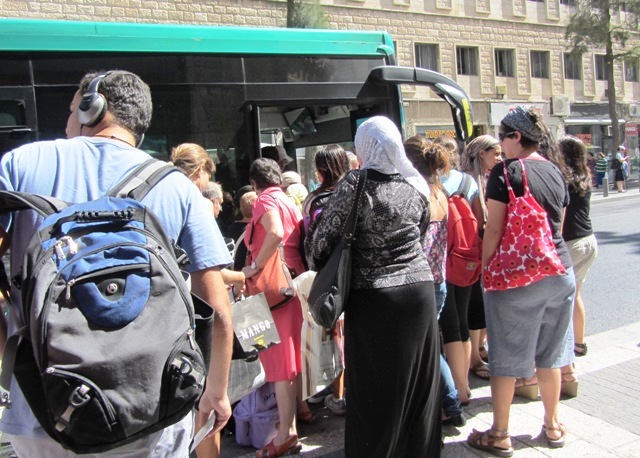
 Arab families make use of the new light rail, when trains are working,

or ride the bus which is usually faster.

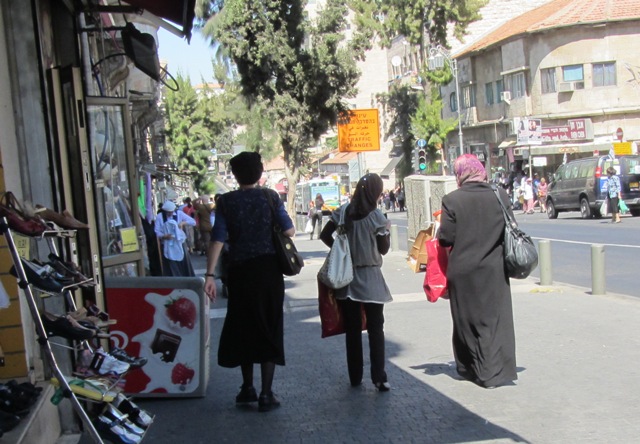
An Arab woman can walk alone unafraid in the center of Jerusalem.

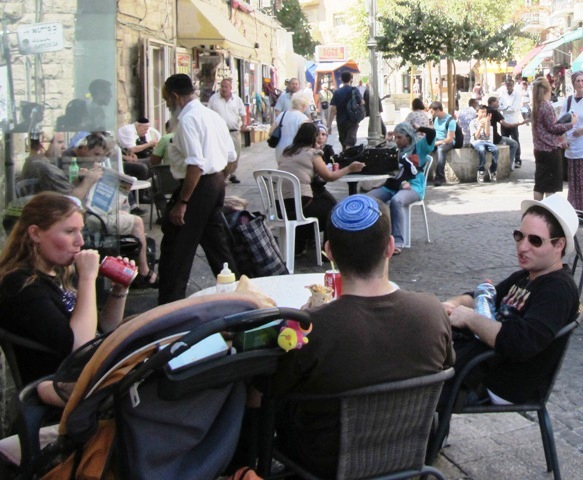
Young Arab women sit and eat in the center of a main street crowd.

While the Palestinian Authority prepares to go to the UN for a state

which insists that it will not allow Jews and homosexuals,

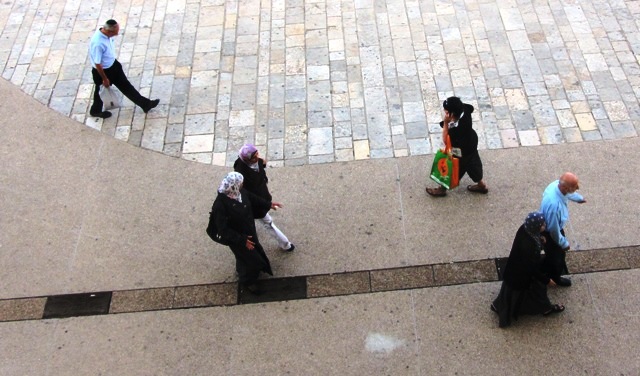
Arabs live and work freely in Israeli Jerusalem.

At this new UN conference on racism,

will Israel once again be singled out as a racist state ?

Does the UN care at all about the truth?