Catastrophe and Tragedy

Amin al-Husseini, the exiled Muslim Grand Mufti of Jerusalem, recruited Arabs for Nazi Germany,

 and in May 1948,

he called for the Arabs residing in Israel to leave their homes and flee to neighboring Arab countries.

Thus began the ‘catastrophe’  which  today is celebrated as Nakba Day.
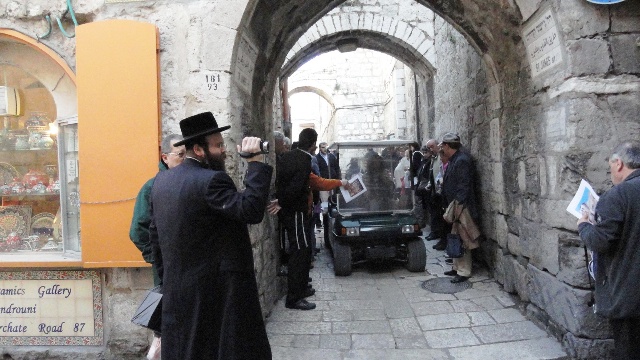
 

Space within the Old City of  Jerusalem is very limited.
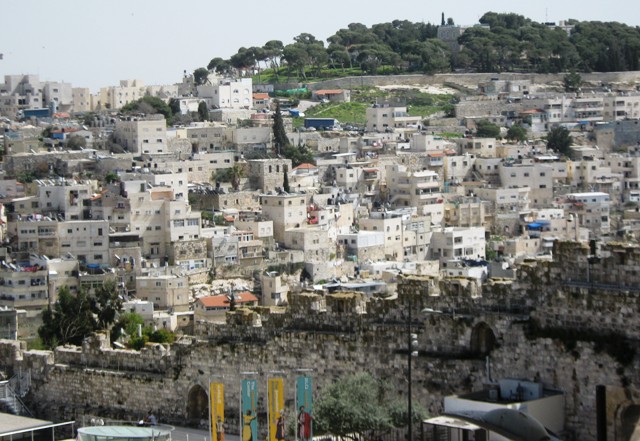
 The Arab town of Silwan
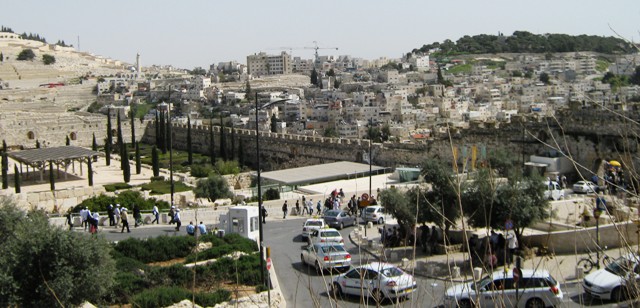
is really just down the street from the Kotel, the Western Wall. 

The Jewish Quarter of the Old City was attacked in 1948
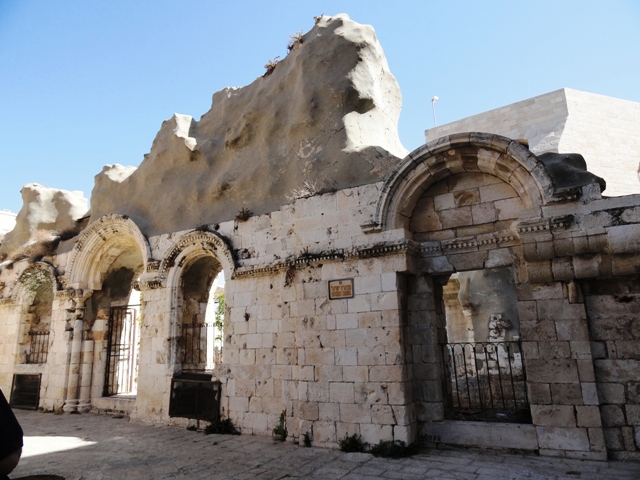
 by the invading Jordanian forces and destroyed. 
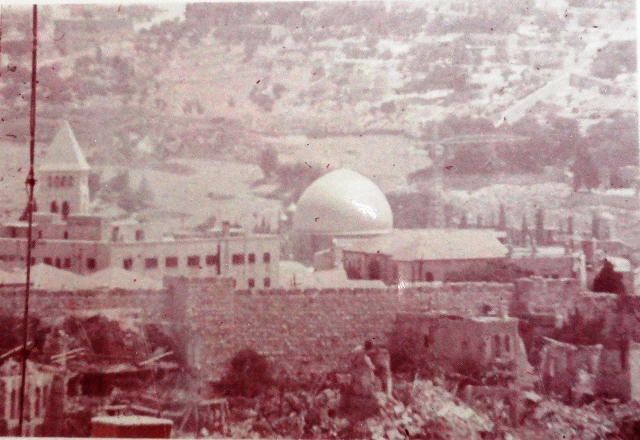
 Jordan did not allow Jews access to the Jewish Quarter for 19 years.  Until June 1967,

the only view available to Israelis of the walls of the Old City was from across a vast No Man’s Land.
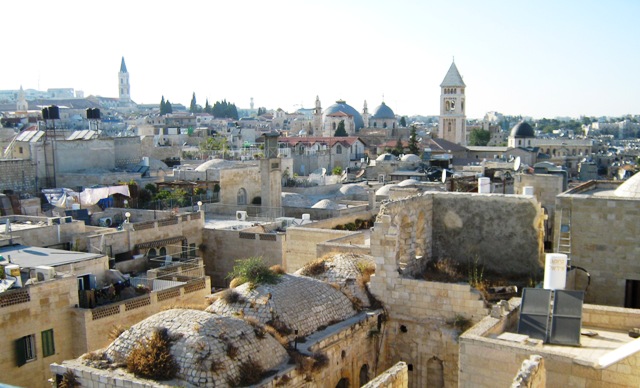
Many Arabs still live in the Muslim Quarter in Jerusalem, but the tragedy is that after all this time,

 so many others are still in refugee camps–all second-class citizens

in all the Arab countries to which they fled.
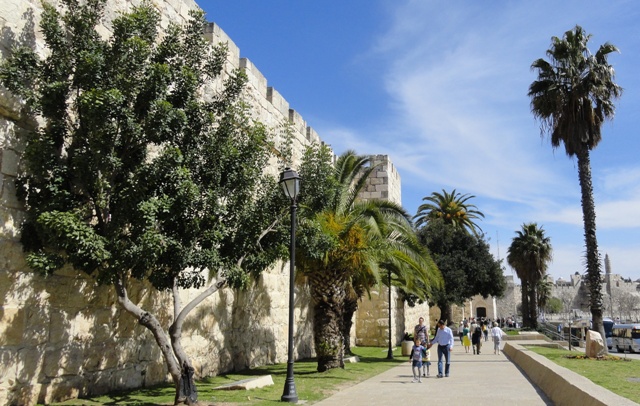
While in Jerusalem, either by day
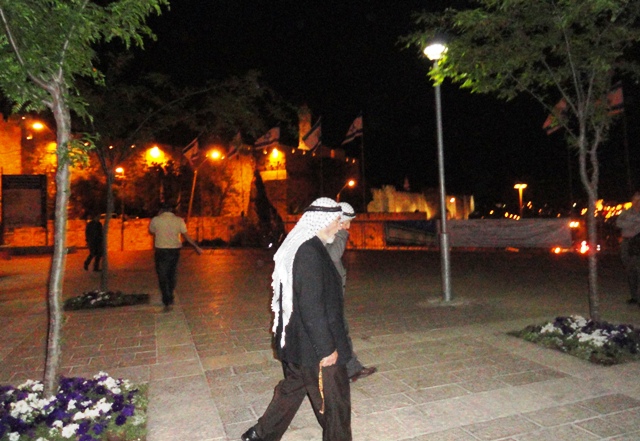
or at night,
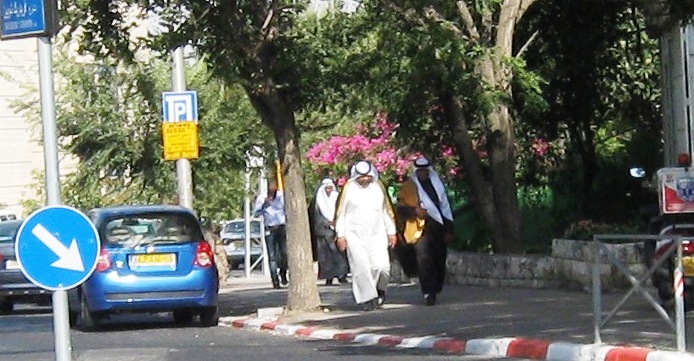
no matter what their attire,

an Arab man can freely walk alone
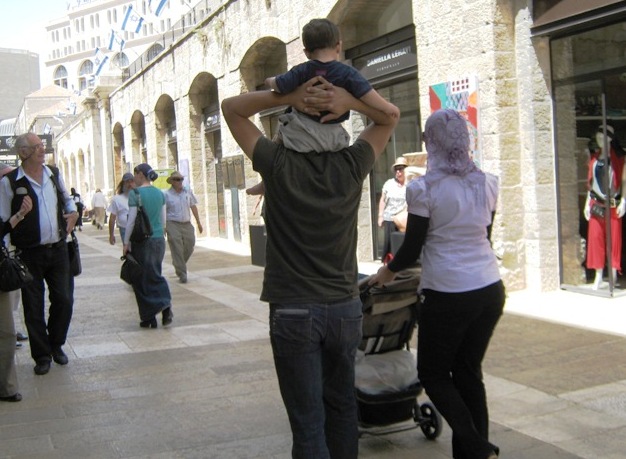
or with his family.
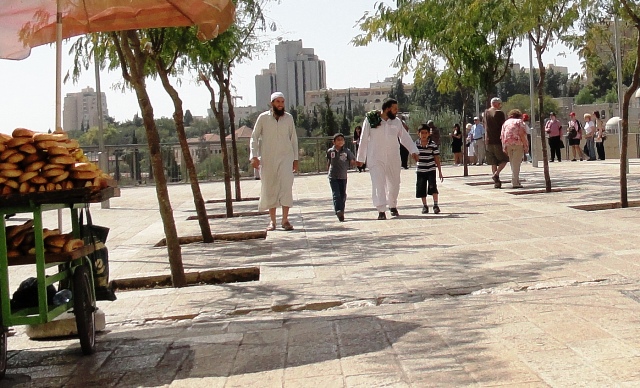
Even on the recent Fridays of  the “Days of Rage” in Egypt, Libya and Syria, men of all ages
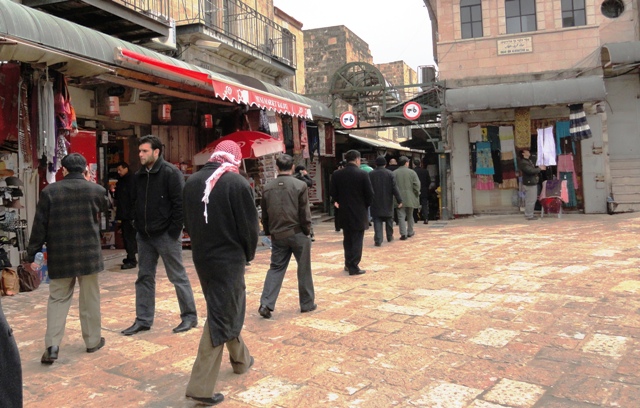
  did not encounter security or check points in the Old City on the way to prayers.

Public parks are used for playing soccer with the kids
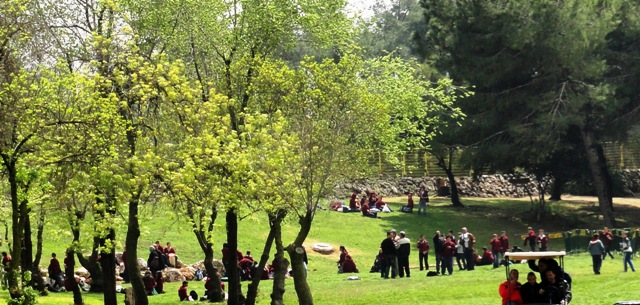
or school outings.
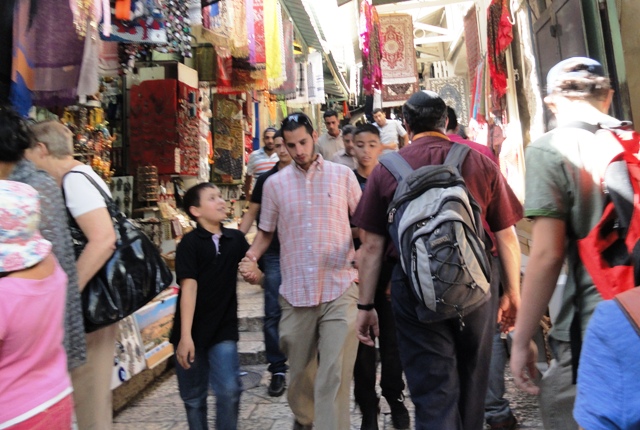
Space may be limited and tight, but if Arab leaders would stop inciting hatred,

stop spending their money on weapons and invest in education,

peaceful co-existence could be achieved.

 When 900,000 Jews were expelled from Arab countries in1948, they were forced to leave their fortunes behind,

they resettled around the globe and built new lives.

Today, hundreds tried to get through the border to Israel today from Syria in the North…

 where would you rather be?
 

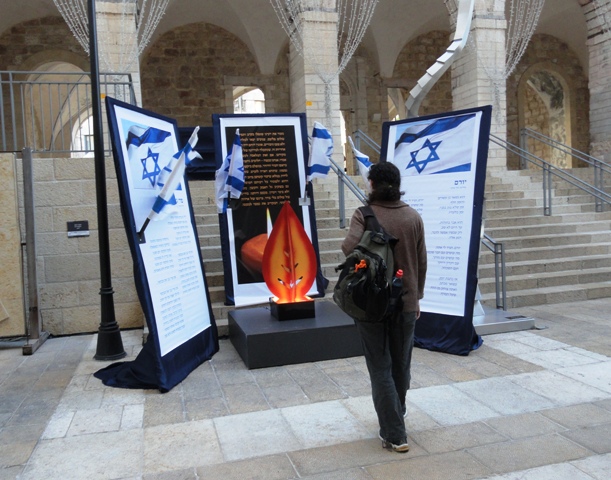
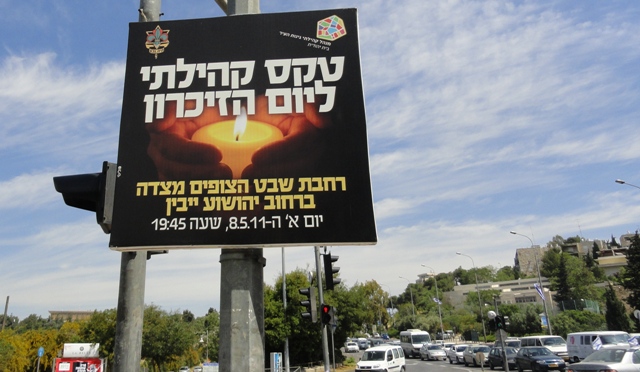
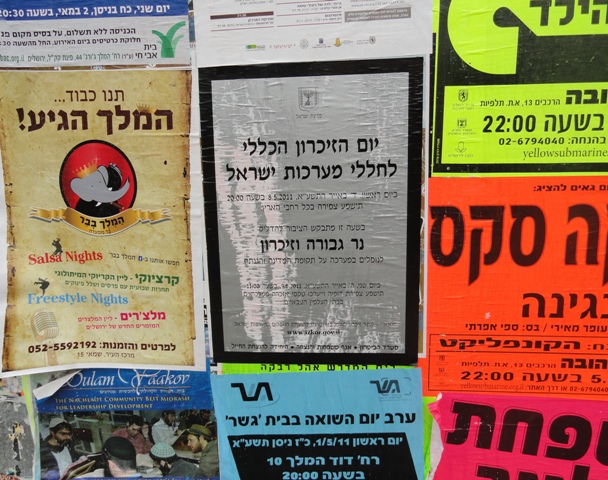
Yom Hazikaron,To Remember

While in most of the world it might be easy to miss Yom Hazikaron,

in Jerusalem, it is impossible to forget.

From announcements of major events of the day on the side of a bus


to a display of memorial candles in the shampoo aisle in the supermarket,

it is a day to remember

fallen soldiers

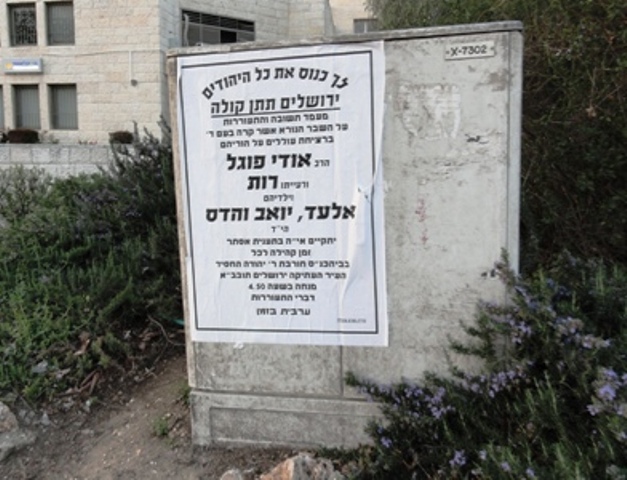
and the victims of terror attacks.

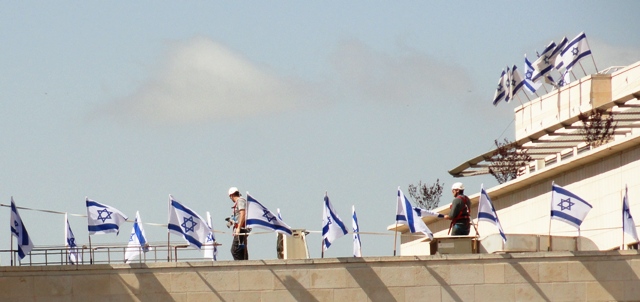
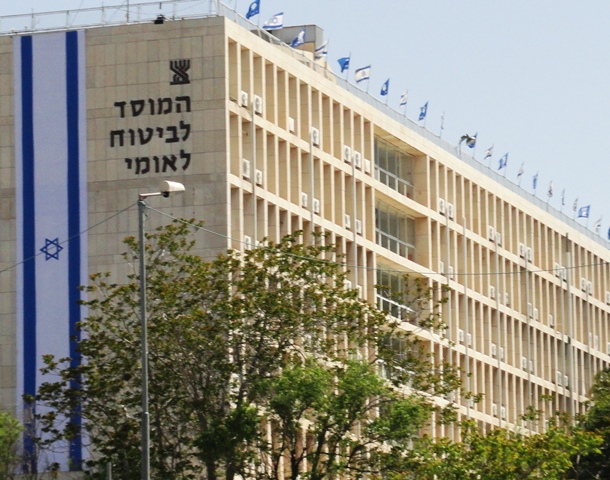
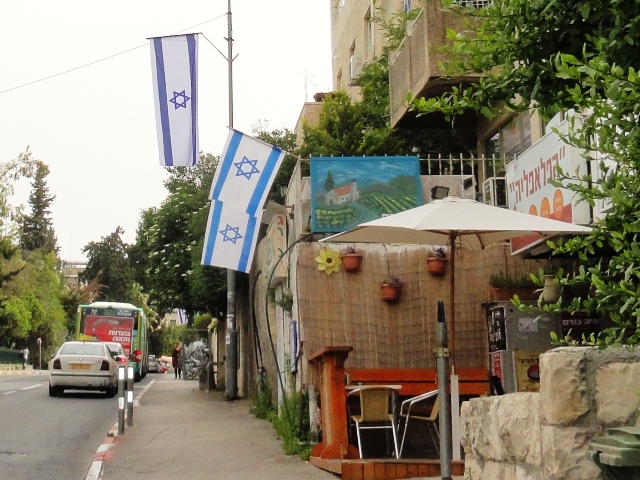
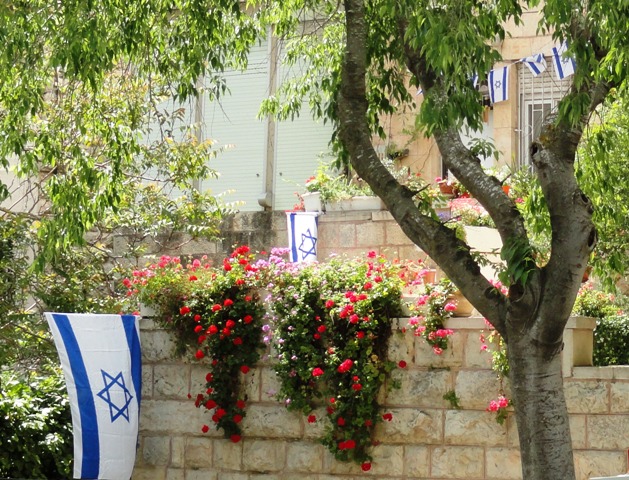
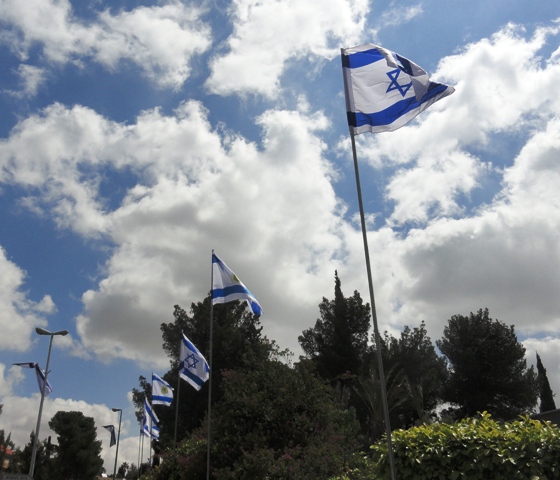
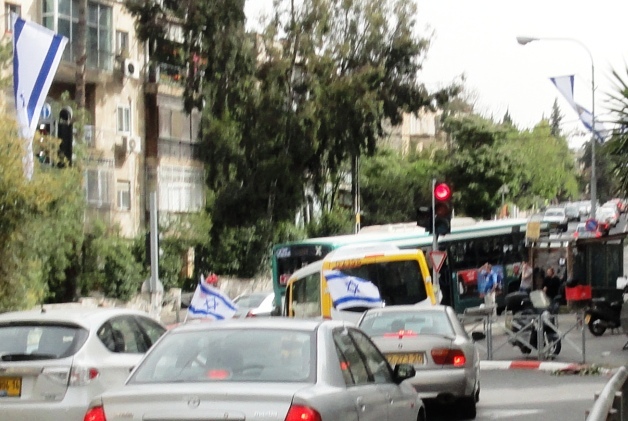
Since the Passover holiday ended, flags have been placed

on the tops of public buildings,

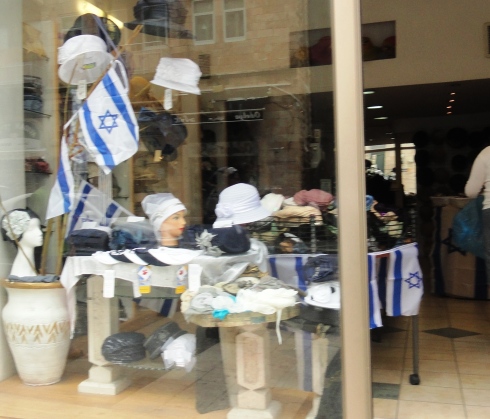
on businesses,

 and on private residences.

From the hat shop in the center of town

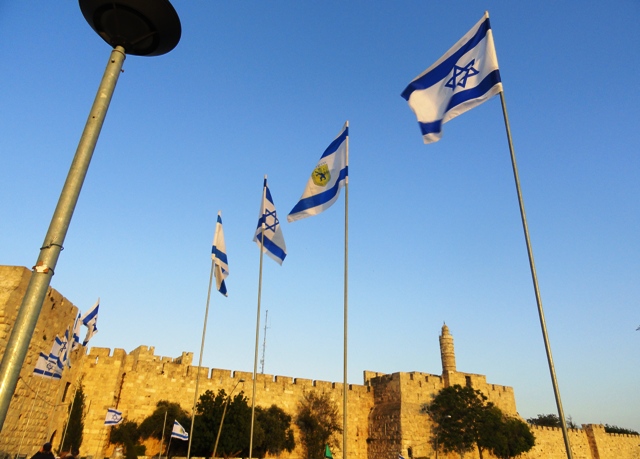
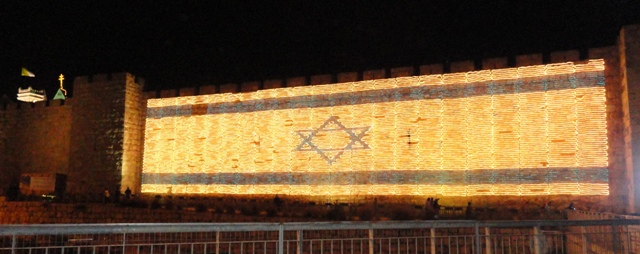
to the walls of the Old City,

the blue and white Israeli flag

seems to be everywhere.

As the sun set on Sunday night, local community ceremonies were held,

and major events were broadcast on television and radio.

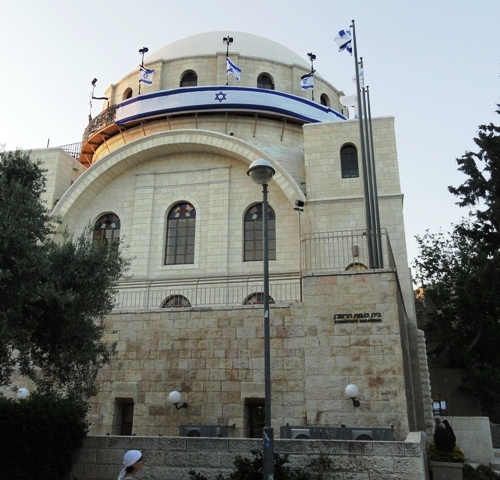
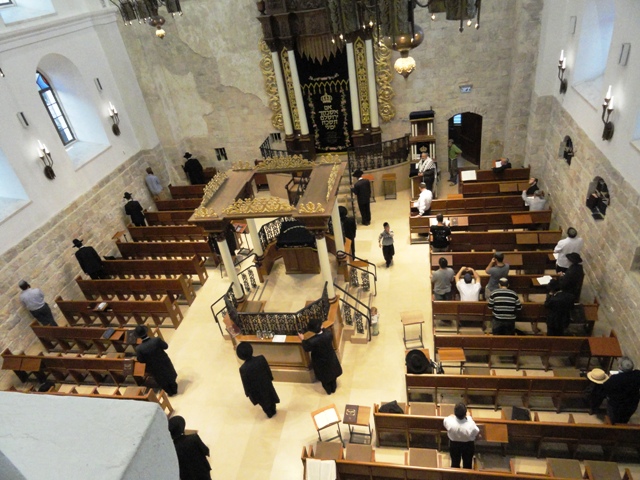
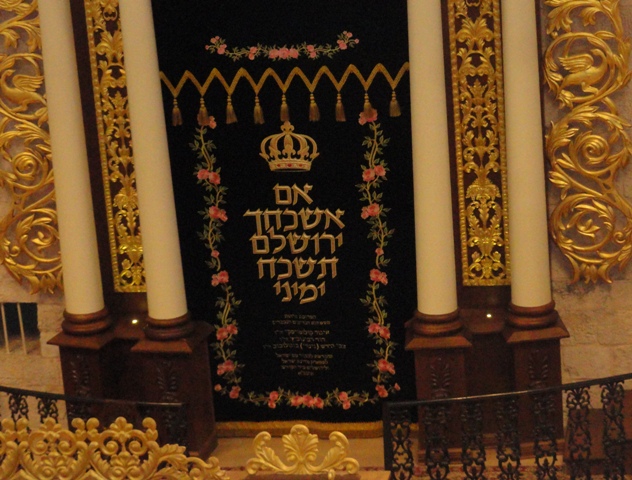
The Churva Synagogue in the Jewish Quarter of the Old City was adorned with flags, waiting for visitors,

but mincha, the afternoon prayer service in the newly restored sanctuary was poorly attended.

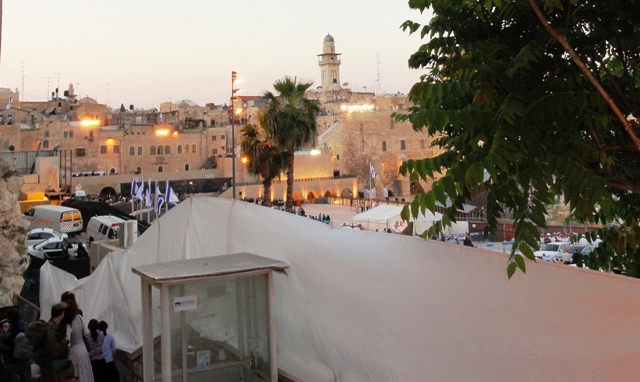
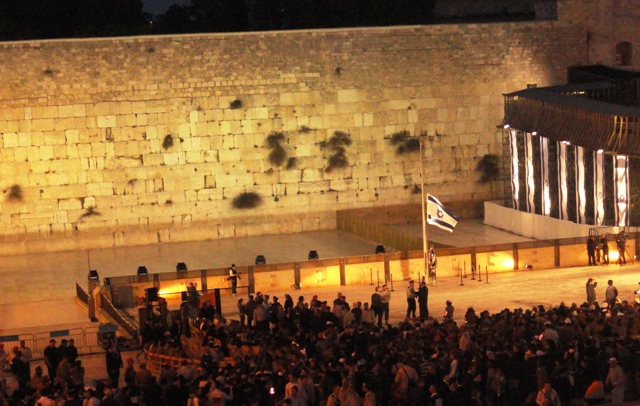
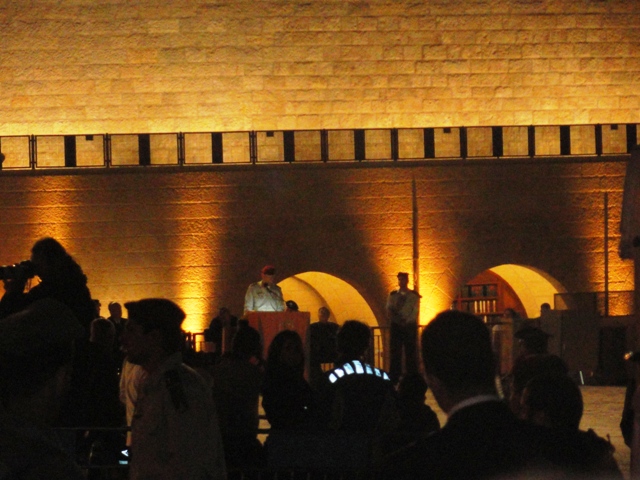
Most views of the Kotel, the Western Wall plaza were blocked for security reasons,

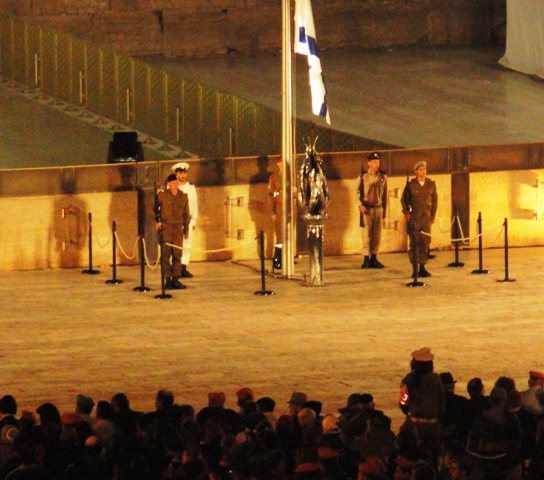
as the official National commemoration began

with the honor guard and lighting of a memorial flame.

The new Chief of Staff of the Israeli Defence Forces, Lt. General  Benny Gantz addressed the public

after a speech by President Shimon Peres,

but those without the special tickets would have had a much better view at home on TV.

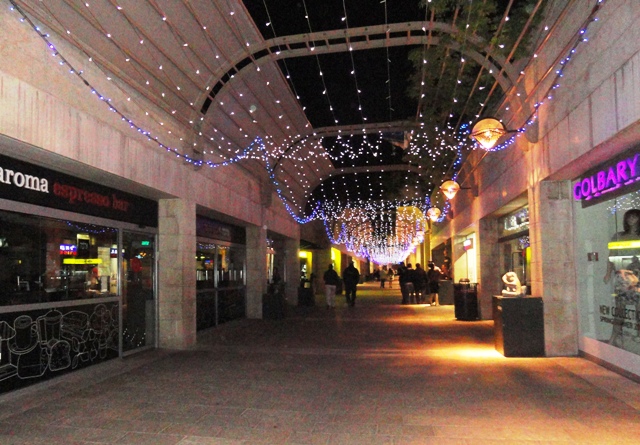
Heading home, the stores of Mamilla Mall and places of entertainment and food were all closed.

Monday many services, both public and private, are held to remember those who died…

and those soldiers still missing.

As soon as Yom Hazikaron ends at nightfall, as every year,

Yom Ha’atzmaut,  Israel Independence Day…begins.

Birchat Kohanim

17 Nissan 5771

Thursday, April 21, 2011

Jerusalem

Birkat Kohanim,  the Priestly Blessing at the Kotel, the Western Wall.

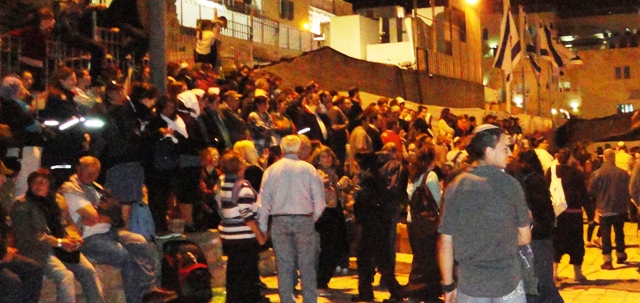
Major streets were closed to traffic.

Security was out in force

as thousands of people walked to the Old City,

trying to get close enough to hear

and see the Birkat Kohanim.

From every entrance


and stairway the crowds gathered.

Dignitaries did not need an umbrella this year, as the weather was pleasantly cool.

Thousands of people stood completely still,

 except for a couple of security men watching the crowd,

as everyone looked toward the Kohanim.

The chief rabbi began to recite a psalm and people began to move.

 As the Kes walked toward the Kotel

 other people began to leave the area.

In the mass of people

it was possible to find a friend.

Awesome event… but it’s Passover,

so time to eat… again.